Can’t Find Rock Salt for an Ice Cream Maker? Alternatives Explained
So, you’ve got your ice cream maker ready, the vanilla beans are practically calling your name, and then…cue the dramatic music…you discover a shocking truth: your stash of rock salt has vanished into thin air! Whether it sprinted off to the next flavor-packed adventure or simply cracked under the pressure of your dessert ambitions, fear not. This article will scoop you up and sprinkle in some delightful alternatives that will keep your ice cream dreams alive and chilled. Prepare to dip into a world of solutions that are just as fun (and maybe even as salty) as the original! Grab a spoon, and let’s talk about how to keep things frosty without losing your cool!
Article Contents
- Understanding the Role of Rock Salt in Ice Cream Making
- Why Rock Salt is Hard to Find and What to Look For
- Exploring Alternative Salting Options for Your Ice Cream Maker
- Using Ice Cream Salt: A Reliable Substitute
- Harnessing the Power of Table Salt and Sea Salt
- Creative Techniques: Using Frozen Vegetables as a Cooling Agent
- Tips for Achieving the Perfect Ice Cream Consistency Without Rock Salt
- Conclusion: Making Delicious Ice Cream Without Rock Salt
- Faq
- Final Thoughts
Understanding the Role of Rock Salt in Ice Cream Making
Rock salt plays a crucial role in the traditional method of ice cream making, particularly in the context of salt-and-ice mixtures. This coarse salt helps lower the freezing point of ice, allowing the ice cream mixture to chill rapidly as the ice melts. The unique properties of rock salt lead to a more consistent freezing process, resulting in a smoother and creamier texture. Unlike table salt, rock salt dissolves more slowly, giving the ice cream southern-style churn its signature fluffiness.
When using rock salt, it’s important to consider its various characteristics:
- Melting Point: Rock salt’s ability to lower the freezing point of ice maximizes the cooling effect on the ice cream mixture.
- Texture: The large crystals provide a more extended cooling process, crucial for a smooth consistency.
- Availability: Although rock salt is traditionally used, it can be harder to find in some regions, prompting the need for alternatives.
Here’s a quick comparison of rock salt with potential alternatives:
| Type | Melting Point | Use in Ice Cream Making |
|---|---|---|
| Rock Salt | -6°C (21°F) | Ideal for traditional ice cream makers, enhancing texture. |
| Table Salt | -3°C (27°F) | Works as a substitute but dissolves too quickly for optimal texture. |
| Ice Cream Salt | -6°C (21°F) | Designed for ice cream making, similar to rock salt. |

Why Rock Salt is Hard to Find and What to Look For
Finding rock salt specifically for ice cream making can be a challenge, especially during peak ice cream season. This is due to a few factors that play into its scarcity. First, rock salt is often associated with de-icing roads and sidewalks, which means much of the stock is diverted for winter uses. As a result, grocery stores may not keep abundant supplies of culinary-grade rock salt on hand during warmer months. Additionally, many consumers have shifted towards using alternative methods for freezing ice cream, such as electric ice cream makers that do not require rock salt, further reducing demand.
When searching for rock salt, here are some tips on where and what to look for:
- Specialty Stores: Check gourmet food shops or local ice cream parlors. They may carry culinary-grade rock salt.
- Online Retailers: Websites like Amazon or specialty cooking sites often have rock salt available, ensuring you can find what you need without local limitations.
- Bulk Suppliers: Some bulk food stores might have rock salt in larger quantities, providing a more economical option.
- Physical Characteristics: Opt for rock salt granules that appear crystal-like and are free from additives typically found in table salt.
If you’re having trouble locating rock salt in your area, consider alternatives like ice and salt mixtures, which can provide a similar freezing effect when combined in your ice cream maker. Other substitutes include ice packs or sea salt, which can be used creatively to achieve delightful results. Each alternative has its own unique qualities, so experimenting with them can enhance your ice cream making experience!
Exploring Alternative Salting Options for Your Ice Cream Maker
When traditional rock salt is out of reach, fear not! Several alternatives can effectively chill your ice cream mixture without compromising flavor or texture. Here are some popular options to consider:
- Table Salt: Common kitchen table salt can work as a substitute. While it may take longer to chill, it’s easier to find and can be used in the same ratio as rock salt.
- Ice and Salt Mixture: A blend of ice and any granulated salt (Kosher salt or sea salt) can also yield satisfactory results. Mix them together for a cooling effect similar to rock salt.
- Ice Cream Salt: If available, this course salt is specifically designed for freezing desserts and can be a great alternative to rock salt.
Another creative approach is to use a salt substitute. These products, often potassium-based, can effectively lower the freezing point of ice. However, they may affect the flavor slightly, so use them in moderation. Below is a quick comparison table of alternative salting options:
| Option | Effectiveness | Availability |
|---|---|---|
| Table Salt | Moderate | High |
| Ice and Salt Mixture | High | Moderate |
| Ice Cream Salt | Very High | Low |
| Salt Substitute | Moderate | Moderate |
By experimenting with these alternatives, you can keep your ice cream maker busy, ensuring a delicious treat no matter what! Each option can bring a unique twist to your homemade frozen delights.
Using Ice Cream Salt: A Reliable Substitute
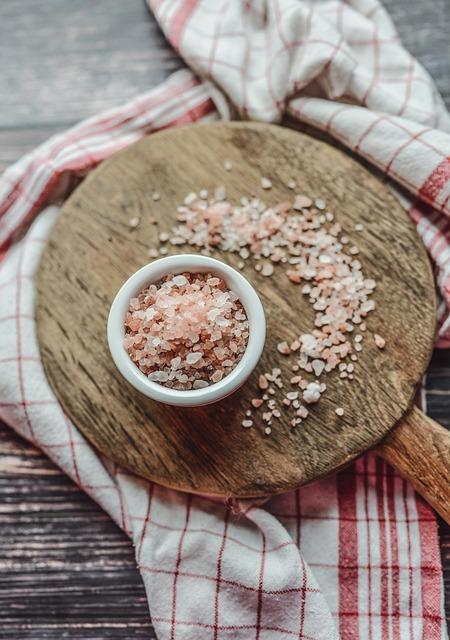
If you find yourself without rock salt during your ice cream-making adventure, don’t fret! Ice cream salt, or coarse salt, is an excellent alternative that can effectively replace rock salt in your ice cream maker. Its larger granules allow it to melt slowly, providing a consistent cooling effect around the ice cream canister.
Here are a few advantages of using ice cream salt:
- Cost-effective: Ice cream salt is often less expensive and readily available at local grocery stores or online.
- Easy to handle: Its finer texture compared to rock salt makes it easier to distribute evenly around the ice cream maker.
- Efficient cooling: Ice cream salt still promotes the freezing process effectively, ensuring a creamy texture for your homemade treat.
When using ice cream salt, it’s important to keep in mind the proportions. Typically, you’ll want to use about the same amount as you would rock salt, but careful monitoring during the freezing process is always a good idea. Below is a simple proportion guide:
| Type of Salt | Recommended Amount |
|---|---|
| Rock Salt | 1-2 cups |
| Ice Cream Salt | 1-2 cups |
Harnessing the Power of Table Salt and Sea Salt
When it comes to making ice cream at home, table salt and sea salt can serve as superb alternatives to rock salt. These salts operate on the same principle: they lower the freezing point of ice, allowing your ice cream maker to maintain a cold enough temperature for a creamy texture. Understanding the differences and applications of each can enhance your ice cream-making experience.
Table Salt: This common household ingredient may be more refined, but it can still be effective in your ice cream churner. Here are some key points to consider:
- Fine Granules: Its smaller particle size means it dissolves quickly, creating effective brine for rapid cooling.
- Availability: Easy to find in any grocery store, ensuring you won’t be left scrambling when rock salt is out of reach.
- Cost-Effective: Often less expensive than specialized salts, making it a budget-friendly choice.
Sea Salt: This natural choice not only adds a unique flavor but can also enhance the texture of your ice cream. Consider these aspects when choosing sea salt:
- Flavor Profile: Its diverse mineral content can add a subtle yet delightful taste to your creations.
- Texture Variety: Coarse sea salt can provide a different cooling effect due to slower dissolution, which may be advantageous for longer churning times.
- Health Benefits: Rich in minerals, sea salt is often regarded as a healthier alternative to table salt.
| Type of Salt | Dissolution Speed | Flavor | Availability |
|---|---|---|---|
| Table Salt | Fast | Neutral | Widely available |
| Sea Salt | Variable | Mineral-rich | Common, but varies by type |

Creative Techniques: Using Frozen Vegetables as a Cooling Agent
Using frozen vegetables instead of traditional rock salt is an ingenious method to chill your ice cream mixture while avoiding the hassle of sourcing specialized ice cream-making ingredients. The key is in their capacity to absorb heat, providing an effective cooling effect when packed tightly around your ice cream canister.
Benefits of Using Frozen Vegetables:
- Accessibility: Frozen vegetables are easy to find in any grocery store, making them a practical substitute.
- Cost-Effective: They often cost less than rock salt or ice, allowing you to save money while making ice cream.
- Versatility: You can use a blend of different frozen veggies; just be mindful of the flavors they might impart.
To effectively utilize frozen vegetables, follow these steps:
- Choose Your Vegetables: Opt for smaller, uniform-sized vegetables like peas or corn, which will pack well around the ice cream canister.
- Prepare the Ice Cream Maker: Fill the ice cream maker with the prepared mixture, ensuring all components are assembled securely.
- Layer the Vegetables: In your ice cream maker’s outer bucket, add a layer of frozen vegetables around the canister.
- Churn Away: Start the machine and let the cold properties of the vegetables do the work while you enjoy the delightful flavors of your homemade treat.
Here’s a quick comparison of some common frozen vegetables you can utilize:
| Vegetable | Cooling Efficiency | Flavor Impact |
|---|---|---|
| Peas | High | Minimal |
| Sweet Corn | Moderate | Subtle sweetness |
| Mixed Vegetables | High | Varied |
With this creative method, you can enjoy delicious homemade ice cream while being resourceful. Don’t shy away from experimenting with different vegetables to find your preferred cooling combo!

Tips for Achieving the Perfect Ice Cream Consistency Without Rock Salt
Achieving the ideal ice cream consistency is a balance of temperature and technique, especially when you’re working without rock salt. Here are some essential tips to ensure your homemade ice cream turns out irresistibly smooth:
- Pre-chill your ingredients: Keep your base mixture in the refrigerator for at least a few hours or overnight. The colder the mixture is when it hits the ice cream maker, the better the final consistency.
- Use high-fat dairy: Opt for heavy cream and whole milk to enrich your base. The higher fat content helps create a creamy texture and reduces the formation of ice crystals.
- Incorporate air: Whip your mixture until it’s fluffy before adding it to the ice cream maker. Airiness enhances the mouthfeel and contributes to a softer texture.
- Don’t overmix: Once your mixture starts to thicken, it’s crucial to stop the ice cream maker promptly. Over-processing can lead to a grainy texture.
For an extra boost of creaminess, you might also consider adding a stabilizer. Here’s a quick reference table for some popular alternatives:
| Stabilizer | Usage |
|---|---|
| Gelatin | 1 tablespoon per quart of mixture; dissolve in warm water first. |
| Carob Bean Gum | 1/4 teaspoon per quart; blends well with the base. |
| Commercial Ice Cream Stabilizers | Follow package instructions for best results. |
By employing these methods, you can enjoy delightful, rock salt-free ice cream that rivals your favorite shop-bought brands.

Conclusion: Making Delicious Ice Cream Without Rock Salt
creating creamy and delicious ice cream at home is entirely possible, even without the traditional use of rock salt. By employing various alternatives such as table salt or ice packs, you can effectively chill your ice cream mixture without compromising flavor or texture.
When choosing an alternative, consider the following options:
- Table Salt: Easily accessible and effective, table salt works in a pinch and can create a steady cooling effect when combined with ice.
- Ice Packs: For a safer and less messy approach, frozen gel packs can provide the necessary cold temperatures to churn your mixture to perfection.
- Salted Ice Mixes: Pre-made mixtures that contain salt and ice can also be used as a super effective substitute, ensuring a smooth freezing process.
Regardless of the method you choose, the key is to maintain consistent and sufficient cold temperatures throughout the churning process. With a little creativity and the right materials, you’re just a few steps away from enjoying your homemade ice cream! Remember, the best ingredient in ice cream making is your passion for creating delightful treats that bring everyone together.
Faq
Q&A: Can’t Find Rock Salt for an Ice Cream Maker? Alternatives Explained
Q1: Why is rock salt traditionally used in ice cream makers?
A1: Rock salt is used in ice cream makers because it lowers the freezing point of ice. This allows the ice cream mixture to freeze at a temperature lower than 32°F (0°C), resulting in a smoother texture. The rock salt creates a brine solution that helps absorb heat from the ice surrounding the ice cream, supporting a consistent freezing process.
Q2: What should I do if I can’t find rock salt?
A2: If you can’t find rock salt, don’t worry! There are several alternatives you can use. Table salt, kosher salt, and ice are all viable substitutes. However, it’s important to note that they may work slightly differently compared to rock salt.
Q3: Can I use regular table salt instead of rock salt?
A3: Yes, you can use table salt as a substitute for rock salt. However, because table salt is much finer, you need to use about half the amount compared to rock salt to achieve the same effect. Just be cautious, as too much table salt can result in a salty taste.
Q4: How about kosher salt? Is it a good alternative?
A4: Absolutely! Kosher salt is another excellent alternative. It has larger granules than table salt, which makes it easier to handle. You can use the same amount of kosher salt as you would rock salt, as its texture allows it to dissolve and create that same brine effect.
Q5: Can I use ice alone without any salt? What would happen?
A5: You could technically use just ice without salt, but the freezing process won’t be as effective. The ice alone won’t be cold enough to freeze the ice cream mixture thoroughly, resulting in a less creamy texture. Salt is crucial for lowering the freezing point and facilitating the freezing process.
Q6: Are there any creative natural alternatives?
A6: Yes! If you’re looking for something different, you can try using crushed ice combined with sugar. The sugar can help lower the freezing point similarly to salt. Just keep in mind that you may need to adjust the quantities and pacing to ensure your ice cream sets properly.
Q7: How do I adjust my ice cream-making process if I’m using an alternative?
A7: When using an alternative salt, monitor the ice and salt mixture closely. If you’re using more or less than the traditional rock salt amount, you might need to check the ice cream’s consistency more frequently. Experimentation is key here, so don’t hesitate to take notes on what works best for you!
Q8: What if I run out of these substitutes too? Any last-minute ideas?
A8: You can get a bit creative! If you’re truly in a pinch, try using a mix of ice and sugar, as mentioned before, or even frozen fruit and ice in a blender to whip up a sorbet instead. While it may not be traditional ice cream, it can certainly be a delicious and refreshing treat!
Q9: what’s the best approach to making ice cream without rock salt?
A9: Ultimately, the best approach is to experiment with what you have on hand. Whether you choose table salt, kosher salt, or even a sugar and ice mix, the important thing is to enjoy the process of making ice cream! Be patient, try different methods, and you’ll discover your perfect alternative. Happy ice cream making!
Final Thoughts
while rock salt may be the traditional choice for your ice cream-making adventures, it’s far from the only option. From kosher salt to ice, and even the clever use of sugar, there’s an array of alternatives to ensure your frozen dessert dreams come to life. Don’t let a missing ingredient deter you from creating that perfect scoop. With a little creativity and resourcefulness, you can achieve that creamy, dreamy texture without a hitch. So grab your ice cream maker, experiment with these alternatives, and get ready to delight your taste buds. Happy churning!