How to Infuse Oil with a Yogurt Maker: Creative Uses
Ever thought your trusty yogurt maker could do more than just whip up delicious, creamy yogurt? Well, get ready to have your culinary world turned upside down! In “How to Infuse Oil with a Yogurt Maker: Creative Uses,” we invite you to explore the unexpected and delightful realm of oil infusion. Who knew that your yogurt maker could be a secret weapon in the kitchen, transforming mundane oils into flavorful elixirs that would make any chef green with envy? Whether you’re looking to elevate your salad dressings, kick your marinades up a notch, or simply impress dinner guests with a gourmet touch, this guide will show you how to turn your everyday oil into a liquid masterpiece. So, grab your yogurt maker and prepare to embark on a flavorful adventure—because who says yogurt is the only thing that can be cultured?
Article Contents
- Understanding the Basics of Oil Infusion and Yogurt Makers
- Choosing the Right Oils and Infusion Ingredients for Maximum Flavor
- Step-by-Step Guide to Infusing Oil Using Your Yogurt Maker
- Exploring Unique Flavor Combinations for Culinary Creativity
- Storing and Using Your Infused Oils: Tips for Best Results
- Creative Culinary Uses for Infused Oils in Everyday Cooking
- Health Benefits of Infused Oils: Adding Nutrition to Your Dishes
- Troubleshooting Common Issues When Infusing Oils at Home
- Q&A
- To Wrap It Up
Understanding the Basics of Oil Infusion and Yogurt Makers
Oil infusion is a fascinating culinary technique that involves infusing oils with various herbs, spices, or other flavorings. This method enhances the oil’s aroma and taste, allowing you to create unique flavors for your dishes. Using a yogurt maker is an innovative way to streamline the infusion process, as the controlled temperature and consistent environment accelerate the infusion without the risk of overheating, which can destroy delicate flavors. The result is a beautifully infused oil that can elevate any meal.
When infusing oil, consider using ingredients that complement each other. Here are a few ideas to get you started:
- Basil and Garlic: A fragrant blend perfect for drizzling over pasta or salads.
- Chili Peppers: For those who enjoy a spicy kick in dressings or marinades.
- Rosemary and Lemon: A refreshing combination ideal for grilled meats and veggies.
- Truffle Oil: A luxurious touch for finishing dishes.
To effectively use a yogurt maker for this process, follow these simple steps:
| Step | Description |
|---|---|
| 1 | Choose your base oil, such as olive or avocado oil. |
| 2 | Add your chosen herbs or spices to the oil in a glass jar. |
| 3 | Submerge the jar in the yogurt maker and set the temperature. |
| 4 | Infuse for 4-8 hours, depending on the potency desired. |
| 5 | Strain the oil into another container and store it away from light. |
This method gives you precise control, allowing for perfectly infused oils that can be enjoyed in a multitude of creative culinary applications. From enhancing dressings to drizzling over freshly baked bread, the possibilities are virtually endless.
Choosing the Right Oils and Infusion Ingredients for Maximum Flavor
When infusing oils, the choice of base oil and infusion ingredients is crucial for achieving the desired flavor profile. Opt for **oils that have a high smoke point** and a subtle flavor, such as grapeseed, canola, or avocado oil. These oils serve as a versatile canvas that will allow the infused ingredients to shine without being overpowered.
When selecting your infusion ingredients, consider the following:
- Herbs: Fresh or dried herbs like basil, rosemary, or thyme can impart a delectable aroma.
- Spices: Think of whole spices, such as black peppercorns, red pepper flakes, or fennel seeds for a kick.
- Aromatics: Ingredients like garlic, shallots, or citrus peels can add depth and complexity.
- Fruits: Citrus zest or dried fruits like cherries can introduce a hint of sweetness.
Experimentation is key! Consider creating combinations. A beloved mix could include **rosemary and garlic** for a savory touch or **lemon zest and thyme** for a refreshing note. Use the yogurt maker’s controlled heat to enhance the infusion process, allowing for a rich penetration of flavors over time.
| Ingredient | Flavor Profile | Best Oils |
|---|---|---|
| Garlic | Rich, savory | Olive, avocado |
| Rosemary | Earthy, aromatic | Grapeseed, canola |
| Lemon Zest | Citrusy, bright | Sunflower, safflower |
Step-by-Step Guide to Infusing Oil Using Your Yogurt Maker
Infusing oil may seem daunting, but using a yogurt maker simplifies the process, yielding rich flavors with minimal effort. Start by selecting your base oil—options like **olive oil**, **canola oil**, or **grapeseed oil** work wonderfully, depending on your desired taste. To infuse your oil, you’ll also need your choice of ingredients, such as herbs, spices, or even fruits. Popular combinations include:
- Garlic and rosemary for a savory infusion.
- Lemon zest for a bright, citrusy flavor.
- Chili flakes for heat.
Once your ingredients are ready, follow these simple steps:
- Combine the oil and chosen flavoring ingredients in a clean, heat-safe jar.
- Place the jar in the yogurt maker, ensuring the oil is fully submerged.
- Set the yogurt maker to maintain a low, steady temperature (around 100°F/38°C) for about 4 to 6 hours.
- After the infusion time has elapsed, carefully remove the jar and let it cool to room temperature.
- Strain the oil through a fine mesh sieve or cheesecloth to remove solids.
- Transfer the infused oil to a sterilized bottle for storage.
This method not only allows you to control the intensity of your infusions but also lets you experiment with unique blends, crafting oils tailored to your palate. Whether drizzled over salads, used in marinades, or incorporated into homemade dressings, infused oils are a versatile addition to any kitchen.
Exploring Unique Flavor Combinations for Culinary Creativity
Infusing oil with unique flavors can transform ordinary dishes into extraordinary culinary experiences. Using a yogurt maker simplifies the process, allowing for creative experimentation with various ingredients. Consider the following flavor pairings that can elevate your infused oils:
- Herb and Citrus Fusion: Combine fresh basil with lemon zest for a bright, aromatic oil perfect for drizzling over salads or grilled vegetables.
- Spicy Infusion: Add dried chili flakes and garlic cloves to create an oil that ignites your favorite pasta dishes or marinades.
- Sweet and Savory: Mix roasted garlic with a splash of maple syrup for a unique blend that pairs beautifully with roasted meats.
To kickstart your culinary adventure, here’s a simple guideline for infusing oil:
| Ingredients | Temperature (°F) | Infusion Time |
|---|---|---|
| Fresh Herbs (e.g., rosemary, thyme) | 100-120 | 4-6 hours |
| Spices (e.g., peppercorns, cumin) | 100-120 | 2-4 hours |
| Fruits (e.g., citrus peels, berries) | 100-120 | 1-2 hours |
Once your oil has infused to your liking, transfer it to an airtight bottle for storage. This not only maintains its freshness but allows the flavors to continue melding. With a range of scents and tastes available, each infused oil has the potential to inspire creativity in your cooking endeavors, whether you’re making dips, dressings, or marinades.
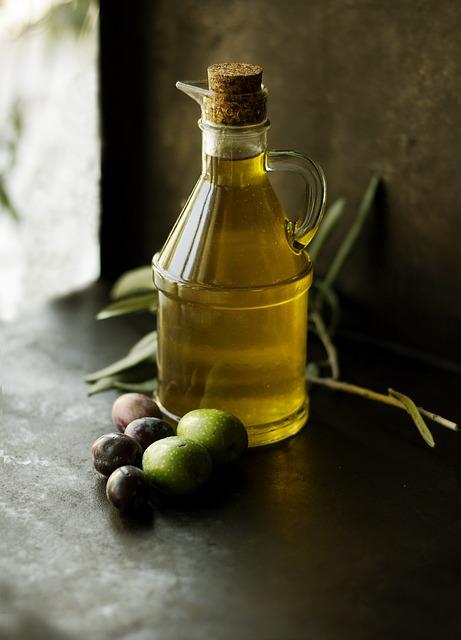
Storing and Using Your Infused Oils: Tips for Best Results
Once you’ve created your infused oils, proper storage and usage are key to getting the most out of their flavors and benefits. To start, always store your infused oils in **dark glass bottles** to protect them from light, which can degrade their quality over time. Keep them in a cool, dry place, ideally away from direct heat sources. Here are a few tips for maintaining freshness:
- **Label your oils** with the infusion date and ingredients to keep track of their age.
- **Use oils within 6-12 months** for the best flavor and potency.
- **Check for signs of rancidity**—if the oil smells off or appears cloudy, it’s best to discard it.
When it comes to using your infused oils, the possibilities are surprisingly extensive. Incorporate them into your cooking or daily routines:
- Drizzle infused olive oil over salads or grilled veggies for an aromatic burst.
- Use garlic-infused oil to sauté proteins, lending a delightful touch to your favorite dishes.
- Add a splash of herb-infused oil to marinades for an extra layer of flavor.
- For wellness enthusiasts, consider using infused oils in homemade skincare recipes.
Experiment with different flavors and combinations to discover what best suits your palate! Your creativity can lead to unique culinary experiences that highlight the homemade touch of your infused oils.
Creative Culinary Uses for Infused Oils in Everyday Cooking
Infused oils open up a world of flavor and versatility, allowing you to elevate your everyday dishes with ease. Here are some inventive ways to incorporate your homemade infused oils into your cooking:
- Drizzle on Salads: Use infused oils as a finishing touch on green salads or grain bowls. A garlic or rosemary-infused oil can add a fragrant finish, enhancing the natural flavors of the ingredients.
- Bread Dipping: Combine infused oils with balsamic vinegar to create a delectable dipping sauce for crusty bread. This simple act transforms any bread into a gourmet experience.
- Flavorful Marinades: Incorporate your infused oil into marinades for meats, seafood, or vegetables. A citrus-infused oil can brighten up chicken, while a chili oil can spice up your grilled veggies.
For those looking to explore even more culinary applications, here’s a quick reference table highlighting different types of infused oils and their ideal uses:
| Type of Infused Oil | Best Uses |
|---|---|
| Basil Oil | Pasta dishes, Caprese salad |
| Chili Oil | Pizza topping, stir-fried dishes |
| Garlic Oil | Roasted vegetables, bread dipping |
| Lemon Zest Oil | Seafood, dressings |
Infused oils not only enhance the flavors of your dishes but also bring a creative twist to your culinary routine. With just a little imagination, your meals can transform from ordinary to extraordinary.
Health Benefits of Infused Oils: Adding Nutrition to Your Dishes
Infused oils are a delightful way to enhance the flavor and nutritional profile of your meals. By incorporating various herbs, spices, and even fruits, you can create oils that not only taste amazing but also offer remarkable health benefits. For instance, rosemary-infused olive oil contains antioxidants that can help combat oxidative stress, while a garlic-infused oil may support heart health due to garlic’s well-documented benefits on circulation and cholesterol levels.
Beyond flavor enhancement, these oils can increase the nutrient density of your meals. When you infuse oils with nutritious ingredients, you’re effectively transferring their health benefits into the oil itself. Usage ideas include:
- Drizzling over salads for added flavor and nutrients.
- Using as a base for marinades, adding depth and health benefits.
- Employing in cooking dishes to impart subtle flavors without overpowering the main ingredients.
The versatility of infused oils allows you to be creative in the kitchen while also being mindful of your health. Pairing infused oils with wholesome ingredients complements a balanced diet and encourages exploration of new culinary experiences.
Troubleshooting Common Issues When Infusing Oils at Home
Infusing oils at home can be a delightful process, but it can come with its share of challenges. Here are some common issues you might encounter during the infusion process and tips to resolve them:
- Unpleasant Flavors: If your infused oil tastes off or overly bitter, consider the quality of your base oil or the ingredients used. Always opt for fresh, high-quality herbs and spices, and ensure they are completely dry before adding them to the oil.
- Cloudy Oil: Clarity is essential for aesthetic appeal. A cloudy appearance might indicate moisture in the herbs or improper filtration. Ensure that all ingredients are adequately dried, and use fine cheesecloth or a coffee filter to strain the oil thoroughly.
- Weak Infusion: If your oil isn’t infused strongly enough, try increasing the infusion time or the quantity of herbs used. Remember that some ingredients have stronger flavors that may require less time, while others may need extended periods for full flavor extraction.
In addition to these troubleshooting tips, make sure to store your infused oils properly. To maximize flavor and longevity, keep your oils in dark glass bottles away from direct sunlight and heat. This will help maintain their quality while preventing spoilage.
| Common Issues | Possible Causes | Solutions |
|---|---|---|
| Unpleasant Flavors | Poor quality ingredients | Use fresh herbs and high-quality oil |
| Cloudy Oil | Moisture or improper filtration | Ensure ingredients are dry, filter properly |
| Weak Infusion | Insufficient infusion time | Increase infusion time or herb quantity |
Q&A
Q&A: How to Infuse Oil with a Yogurt Maker: Creative Uses
Q: What is oil infusion, and why should I consider doing it?
A: Oil infusion is the process of steeping herbs, spices, or other flavoring agents in oil to extract their flavors and health benefits. You should consider it because infused oils can enhance the taste of your dishes, serve as a base for salad dressings, and be used in marinades or even skincare products. Plus, making infused oils at home is easy and allows you to experiment with your favorite flavors.
Q: How does a yogurt maker fit into the oil infusion process?
A: A yogurt maker is perfect for oil infusion because it provides a controlled warm environment that helps to extract flavors without overheating the oil. This gentle heat ensures that the oil retains its beneficial properties while the ingredients infuse perfectly. Essentially, it’s about utilizing the yogurt maker’s temperature control to achieve a more efficient infusion.
Q: What types of oils work best for infusion?
A: Most neutral oils like olive oil, grapeseed oil, and sunflower oil work well for infusion. Olive oil is particularly popular for its flavor and health benefits. However, you can experiment with different oils based on your preferences and the herbs or spices you choose to infuse.
Q: What herbs, spices, or ingredients can I use for oil infusion?
A: The possibilities are endless! Popular ingredients include garlic, rosemary, basil, chili flakes, lemon zest, and even dried flowers like lavender or rose. Just ensure that the ingredients you select complement each other and suit your intended use for the infused oil.
Q: Can you walk me through the process of infusing oil using a yogurt maker?
A: Absolutely! Here’s a simple process:
-
Choose your oil and ingredients: Select your base oil and the herbs or spices you want to infuse.
-
Prepare the infusion: Combine about 1 cup of oil with about 1/4 cup of chopped herbs or 1/4 cup of whole spices in a clean glass jar.
-
Set it up: Place the jar in the yogurt maker and fill the yogurt maker with water, ensuring the jar is submerged but not overflowing.
-
Temperature and time: Set the yogurt maker to a low setting (around 100°F – 110°F) and let it infuse for about 4 to 8 hours. Check periodically to see if the desired aroma is achieved.
-
Strain and store: Once infused, strain the oil through a fine mesh sieve or cheesecloth to remove solids. Transfer the infused oil into a sterilized bottle and store it in a cool, dark place.
Q: How can I use infused oils in my cooking?
A: Infused oils can be used in various ways! Drizzle your homemade garlic oil over pasta, use basil-infused oil as a salad dressing, or use chili oil to add heat to stir-fries. You can also brush it on grilled meats or veggies. Additionally, the infused oil can serve as a unique gift for food enthusiasts!
Q: How long does infused oil last, and how should I store it?
A: Infused oils typically last for 2 to 3 months when stored in a cool, dark place. Always ensure your bottles are sealed properly and consider refrigeration if you’re infusing perishable ingredients like garlic. Just be mindful that the oil may thicken in the fridge—take it out to return to room temperature before using.
Q: Are there any safety precautions I should take?
A: Definitely! Always use clean equipment to avoid contamination. If your infused oil develops an off smell or shows signs of spoilage, such as cloudiness or unexpected particles, it’s best to discard it. Also, remember that some ingredients can be more prone to botulism, so if you want to use fresh garlic, consider using distilled garlic infused oil instead.
Q: What are some fun ways to gift infused oils?
A: Get creative! Pour your infused oils into decorative glass bottles, add a label with the ingredients and date, and possibly even include a recipe on how to use the oil. Adding a sprig of the infused herb in the bottle adds a personal touch. Homemade infused oils make thoughtful gifts for housewarming parties, holidays, or for a culinary friend!
By using a yogurt maker for your oil infusions, you can easily create delicious flavored oils right at home, allowing you to elevate your cooking and enjoy the health benefits of various herbs and spices. Happy infusing!
To Wrap It Up
As we’ve explored, infusing oil with a yogurt maker opens up a world of culinary possibilities, transforming simple ingredients into flavorful oils that can elevate any dish. Whether you’re drizzling a herbed oil over roasted vegetables, enhancing your homemade salad dressings, or creating a dipping oil for artisan bread, the potential is limited only by your imagination. With this easy method, you can experiment with various herbs, spices, and even citrus to create unique blends that reflect your personal taste. So why not give it a try? Your kitchen is your canvas, and with a yogurt maker at your disposal, you’re empowered to craft delicious, infused oils that will impress your family and friends. Happy infusing!