How to Make Soy Yogurt in a Yogurt Maker: Vegan and Tasty
Are you tired of searching the grocery aisle for that elusive vegan yogurt that doesn’t taste like cardboard? Well, grab your yogurt maker and hold onto your spoons because we’re about to embark on a culinary adventure! In this delightful article, “How to Make Soy Yogurt in a Yogurt Maker: Vegan and Tasty,” you’ll discover the secret to creamy, dreamy soy yogurt that will make your taste buds dance and your vegan heart sing. Not only is this recipe a breeze, but it’s also a guilt-free way to indulge and impress your friends—after all, who doesn’t love a self-proclaimed yogurt-making wizard? So, let’s dive into the magical world of fermented soy goodness where delicious meets nutritious, and you become the master of your very own plant-based yogurt kingdom! 🍦✨
Article Contents
- Understanding the Benefits of Soy Yogurt for a Vegan Diet
- Choosing the Right Soy Milk for Creamy Yogurt
- Essential Equipment and Ingredients for Making Soy Yogurt
- Step-by-Step Guide to Using Your Yogurt Maker
- Flavoring Your Soy Yogurt: Tips and Tricks
- Storing and Enjoying Your Homemade Soy Yogurt
- Troubleshooting Common Issues When Making Soy Yogurt
- Exploring Creative Recipes Using Soy Yogurt
- FAQ
- The Way Forward
Understanding the Benefits of Soy Yogurt for a Vegan Diet
Soy yogurt is an excellent choice for those embracing a vegan lifestyle, offering a delightful alternative to traditional dairy products while delivering numerous health benefits. First and foremost, **soy yogurt is rich in protein**, making it a valuable addition to a plant-based diet. Soybeans provide a complete protein source, containing all nine essential amino acids, which are crucial for muscle repair and overall bodily function.
Moreover, soy yogurt is often fortified with essential nutrients such as calcium and vitamin B12, both of which are vital for vegans to maintain bone health and proper metabolic function. Additionally, it contains probiotics that promote gut health, enhancing digestion and supporting the immune system. Here are some key benefits:
- Dairy-free alternative: Perfect for those with lactose intolerance or dairy allergies.
- Heart-healthy: Contains heart-friendly fats and may aid in reducing cholesterol levels.
- Weight management: A low-calorie option that can be part of a balanced diet.
| Benefit | Detail |
|---|---|
| Protein Content | High in soy protein, essential for muscle health. |
| Fortified Nutrients | Often enriched with calcium and vitamin B12. |
| Probiotics | Enhances gut health and overall digestion. |

Choosing the Right Soy Milk for Creamy Yogurt
When it comes to creating a rich and creamy soy yogurt, the choice of soy milk plays a crucial role. Not all soy milks are created equal, so it’s important to select one that will yield the best results. Here are some key factors to consider:
- Ingredients: Look for soy milk with minimal additives. Ideally, it should contain whole soybeans, water, and possibly a sweetener or salt. Avoid products with thickening agents or preservatives, as they can impact the yogurt’s texture and fermentation.
- Fat Content: For a creamier finish, select a soy milk with higher fat content. Creamier options are often labeled as “barista” soy or might contain added oils. These will give your yogurt a luxurious mouthfeel.
- Organic vs. Conventional: Opting for organic soy milk can help you avoid GMOs and pesticides, making your homemade yogurt healthier and more environmentally friendly.
- Fortification: Some brands fortify their soy milk with calcium and vitamins, such as B12 and D. If you’re following a vegan diet, these added nutrients can contribute to your overall nutrition.
To guide your selection process further, here’s a simple comparison of some popular soy milk options:
| Brand | Fat Content | Organic | Fortified |
|---|---|---|---|
| Silk | 4g | Yes | Calcium, B12, D |
| Alpro | 1.5g | No | Calcium |
| Edensoy | 4g | Yes | Calcium |
Choosing the right soy milk can make a significant difference in the final texture and flavor of your yogurt. Experimenting with different brands may help you find your perfect match while enhancing your plant-based journey!
Essential Equipment and Ingredients for Making Soy Yogurt
To create delicious and creamy soy yogurt, having the right equipment and ingredients is essential. Start with a quality yogurt maker, as it provides the ideal environment for fermentation, ensuring the best flavor and texture. Look for a model that has precise temperature controls and is easy to clean. Other helpful tools include:
- For creating a smooth soy milk base.
- To accurately measure all ingredients.
- For mixing the starter culture with the soy milk thoroughly.
- If you decide to make your own soy milk from whole soybeans.
As for the ingredients, quality matters! Your base will consist of:
- Opt for organic, non-GMO soybeans for the best flavor.
- Look for a yogurt starter specifically designed for soy yogurt; it should contain live active cultures.
- Essential for making soy milk if you choose to prepare it from scratch.
- Agave syrup, maple syrup, or any preferred sweetener can enhance the taste.
- Vanilla extract, berries, or other fruits for a delicious twist.
With this essential equipment and the right ingredients, you’re well on your way to mastering the art of soy yogurt making!

Step-by-Step Guide to Using Your Yogurt Maker
Making soy yogurt at home using your yogurt maker is a straightforward and rewarding process. Here’s a simple step-by-step guide to help you create delicious and creamy soy yogurt:
- Gather Your Ingredients:
- 1 cup of unsweetened soy milk
- 1 tablespoon of plain non-dairy yogurt (store-bought or homemade) as a starter
- Optional sweeteners or flavorings (like vanilla extract or maple syrup)
- Prepare the Soy Milk:
- Heat the soy milk to about 110°F (43°C). This is the ideal temperature for culturing.
- If desired, mix in your sweeteners or flavorings to enhance the taste.
- Add the Starter Culture:
- Stir in the tablespoon of non-dairy yogurt gently but thoroughly.
- Ensure no lumps remain for a smooth consistency.
- Transfer to Yogurt Maker:
- Pour the mixture into the jars of your yogurt maker.
- Set your yogurt maker to the recommended time, usually between 6 to 12 hours depending on how tangy you like your yogurt.
- Check the Consistency:
- Once the time is up, check for your desired thickness.
- If it’s too thin, let it sit for a couple more hours.
- Chill and Serve:
- Transfer the yogurt to the refrigerator and chill for a few hours to enhance the flavor.
- Serve plain or with your favorite toppings like fruits, nuts, or granola.

Flavoring Your Soy Yogurt: Tips and Tricks
Enhancing the flavor of your homemade soy yogurt is an exciting way to personalize it to your taste. Here are some **simple yet effective tips** to elevate your vegan yogurt experience:
- Fresh Fruits and Berries: Adding pureed or chopped fruits like bananas, mangoes, or seasonal berries can introduce natural sweetness and vibrant flavors.
- Spices and Extracts: Household staples like vanilla extract, cinnamon, or even a pinch of nutmeg can transform your yogurt. Try adding a few drops of almond extract for a unique twist.
- Sweeteners: If you prefer sweeter yogurt, consider using maple syrup, agave nectar, or date syrup. These natural sweeteners blend perfectly without overpowering the yogurt’s base flavor.
- Nut Butters: Swirling in a spoonful of almond or peanut butter not only adds richness but also a delightful, creamy texture.
- Citrus Zest: The zest of lemons or oranges adds a refreshing zing that complements many other flavors nicely.
Don’t forget to experiment! Mixing various elements can lead to delightful surprises. For instance, try creating your own signature blend by combining berries and mint or banana and cinnamon for a breakfast treat that feels indulgent yet healthful. Keep a little notebook of your favorite combinations to recreate them in the future!
| Flavoring Method | Notes |
|---|---|
| Fruits | Fresh or pureed, adds natural sweetness |
| Spices | A pinch can go a long way. Experiment! |
| Sweeteners | Natural options pair well with yogurt |
| Nut Butters | Adds creaminess and flavor depth |
| Citrus Zest | Brightens flavors and adds complexity |
Storing and Enjoying Your Homemade Soy Yogurt
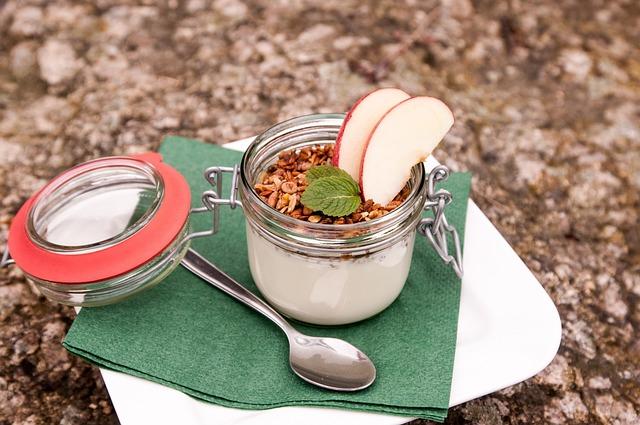
Once your soy yogurt has reached that creamy perfection, the next step is to store it properly to maintain its delightful texture and taste. Transfer your homemade yogurt into clean, airtight containers, preferably glass jars, which help preserve its quality. This not only keeps it fresh but also minimizes any risk of contamination. You can store your yogurt in the refrigerator for up to 7-10 days without compromising flavor or texture.
To enjoy your soy yogurt to the fullest, here are some delicious ideas:
- **Enjoy it plain:** Savor the natural flavors of your yogurt.
- **Add fruits:** Fresh berries, sliced bananas, or chopped mangoes can elevate your yogurt bowl.
- **Mix in flavors:** Enhance the taste with a drizzle of honey or maple syrup, a sprinkle of cinnamon, or even a splash of vanilla extract.
- **Create smoothies:** Blend the yogurt with your favorite fruits and greens for a nutritious smoothie.
- **Use in dressings:** Incorporate your yogurt into salad dressings for a creamy texture and tangy flavor.
If you want to get creative and make your own yogurt parfaits, here’s a simple idea:
| Layer | Ingredients |
|---|---|
| 1st Layer | Soy Yogurt |
| 2nd Layer | Granola or Nuts |
| 3rd Layer | Fresh Fruits |
| 4th Layer | Drizzle of Honey/Maple Syrup |
Experiment with layering textures and flavors to find your perfect combination. can be both a nutritious experience and a fun journey into culinary creativity!
Troubleshooting Common Issues When Making Soy Yogurt
When venturing into the world of homemade soy yogurt, it’s common to encounter a few bumps along the way. Here are some issues you might face and practical solutions to help you achieve that perfect, creamy texture.
- Texture Problems: If your yogurt turns out too watery or grainy, it may be due to insufficient incubation time or not using the right thickening agent. To fix this, ensure you incubate it for the recommended duration and consider adding agar-agar or tapioca starch for a creamier result.
- Flavor Issues: A sour or unpleasant taste can stem from over-fermentation or using expired yogurt cultures. Always opt for fresh, high-quality starter cultures and keep a close eye on the clock during fermentation.
- Inconsistent Results: Variations in your kitchen temperature can lead to varying outcomes. Invest in a thermometer to monitor the temperature of your yogurt maker, aiming for a steady range of 110°F to 115°F for optimal fermentation.
| Issue | Possible Causes | Solutions |
|---|---|---|
| Watery Yogurt | Not enough thickening agent | Add agar-agar or tapioca starch |
| Off Taste | Expired cultures, too long fermentation | Use fresh cultures, monitor time |
| Inconsistent Texture | Temperature fluctuations | Use a thermometer for consistent heat |
Exploring Creative Recipes Using Soy Yogurt
If you’re looking to spice up your meals while keeping them healthy, soy yogurt is a versatile ingredient that can be incorporated into a wide array of creative recipes. Here are some exciting ideas to get you started:
- Savory Soy Yogurt Dip: Blend soy yogurt with minced garlic, chopped fresh herbs (like dill or parsley), and a squeeze of lemon. Serve it alongside fresh vegetables or pita chips for a refreshing snack.
- Sweet Soy Yogurt Parfait: Layer soy yogurt with mixed berries, granola, and a drizzle of agave syrup for a delicious breakfast or dessert. The combination of smooth yogurt and crunchy granola makes for a delightful texture.
- Spicy Soy Yogurt Marinade: Whisk together soy yogurt, curry powder, cumin, and a pinch of cayenne pepper. This marinade works wonders on tofu, tempeh, or vegetables, infusing them with flavor before grilling or roasting.
Consider using soy yogurt as a substitute in traditional recipes. For instance, replacing sour cream with soy yogurt in baked goods can result in a moist and fluffy texture while keeping it plant-based. You can also use it to create salad dressings, smoothies, or even pancake batter, taking your culinary creations to a new level.
| Recipe Idea | Main Ingredients | Cooking Method |
|---|---|---|
| Savory Soy Yogurt Dip | Soy yogurt, garlic, herbs | Blend and chill |
| Sweet Soy Yogurt Parfait | Soy yogurt, berries, granola | Layer and serve |
| Spicy Soy Yogurt Marinade | Soy yogurt, curry, cumin | Mix and marinate |
FAQ
Q&A: How to Make Soy Yogurt in a Yogurt Maker: Vegan and Tasty
Q: What ingredients do I need to make soy yogurt?
A: Making soy yogurt is quite simple! You’ll need the following ingredients: soy milk (preferably unsweetened and without additives), a starter culture (you can use store-bought vegan yogurt with live cultures or a yogurt starter powder), and optionally a sweetener or flavoring like vanilla, maple syrup, or fruits if you want to enhance the taste.
Q: Why should I choose soy milk over other plant-based milks?
A: Soy milk is rich in protein, which is essential for the fermentation process. It provides a creamy texture and a nutritional profile that’s similar to dairy yogurt. Other plant-based milks, such as almond or coconut, typically have lower protein content, which can affect the texture and fermentation.
Q: What yogurt maker do you recommend for making soy yogurt?
A: Any yogurt maker that maintains a stable temperature of around 110°F (43°C) will work well for making soy yogurt. Models with adjustable settings are ideal, as they allow you to control the fermentation time and temperature. Popular options include those with glass jars, which are easier to clean and monitor.
Q: How do I prepare the soy yogurt in the yogurt maker?
A: Start by heating the soy milk in a saucepan just until it simmers, then allow it to cool to about 110°F (43°C). Stir in your starter culture until it’s well mixed. Pour the mixture into the yogurt maker’s container, cover it, and set the timer. The fermentation time typically ranges from 6 to 12 hours depending on your taste preference; a longer time will give you tangier yogurt.
Q: Can I flavor my soy yogurt during the fermentation process, or should I wait until it’s done?
A: It’s best to let the yogurt ferment plain first. After the fermentation process is complete, you can add sweeteners, fruits, or flavorings. This way, you ensure that the live cultures have the best chance to develop without interference from added ingredients.
Q: How do I know when my soy yogurt is ready?
A: Your yogurt should be thickened and have a tangy flavor. If it’s quite runny, you may just need to leave it in the yogurt maker for a little longer. Remember, yogurt will continue to thicken slightly as it cools, so don’t worry if it’s not perfectly set right away!
Q: Can I use leftover homemade yogurt as a starter for my next batch?
A: Absolutely! You can use your homemade soy yogurt as a starter culture for your next batch. Just make sure that it’s made with active cultures and hasn’t been flavored or sweetened. However, over time, the strength of the cultures may diminish, so it’s good to reset with a fresh starter every few batches.
Q: How do I store my homemade soy yogurt?
A: Once you’ve achieved the desired taste and consistency, transfer the yogurt into airtight containers and refrigerate. It should keep for about 5 to 7 days. It’s best to enjoy it fresh, and remember that it may thicken even more in the fridge!
Q: Are there any health benefits associated with soy yogurt?
A: Yes, soy yogurt is packed with protein, probiotics, and is low in saturated fat. The probiotics are great for gut health, aiding digestion and supporting your immune system. Additionally, it’s an excellent dairy alternative for those who are lactose intolerant or following a vegan diet.
Q: Can I make soy yogurt without a yogurt maker?
A: While a yogurt maker simplifies the process, you can certainly make soy yogurt without one! Just keep the mixture in a warm environment (like an oven with the light on or wrapped in a towel). Make sure to monitor the temperature closely and adjust as necessary to maintain the right conditions for fermentation.
With these tips, you can confidently embark on your journey to create delicious and creamy soy yogurt at home. Enjoy experimenting with flavors and textures, and share your vegan yogurt creations with friends and family!
The Way Forward
Now that you’re equipped with the essential steps and tips for making delicious soy yogurt in your yogurt maker, it’s time to roll up your sleeves and get started! Remember, the beauty of homemade yogurt lies not just in its creamy texture and tangy flavor, but also in the joy of customizing it to your taste—add your favorite fruits, sweeteners, or even a touch of vanilla for a delightful twist. So, go ahead and experiment, and don’t forget to share your creations with friends and family. They just might fall in love with your vegan soy yogurt as much as you have! Happy yogurt-making!