How to Make Vegan Yogurt in a Yogurt Maker: Plant-Based Perfection
Are you tired of scrolling through the dairy aisle only to be confronted by sad, plastic containers of store-bought yogurt? Let us liberate your taste buds with “How to Make Vegan Yogurt in a Yogurt Maker: Plant-Based Perfection”! Imagine a creamy, dreamy delight swirling with flavors that are not only kind to your taste buds but also to our furry friends. With just a few simple ingredients and a trusty yogurt maker, you can whip up a batch of vegan yogurt that puts the competition to shame—without any of the guilt! Get ready to unleash your inner yogurt wizard as we guide you through this easy-peasy process that even your non-vegan friends will envy. Grab your apron, and let’s embark on this plant-based adventure!

Article Contents
- Understanding the Basics of Vegan Yogurt Ingredients
- Choosing the Right Plant-Based Milk for Creamy Results
- Essential Equipment: Your Yogurt Maker and Beyond
- The Fermentation Process Explained: Time and Temperature Matters
- Flavor Enhancements: How to Customize Your Vegan Yogurt
- Troubleshooting Common Issues in Vegan Yogurt Making
- Storing and Serving Your Homemade Vegan Yogurt with Style
- Delicious Recipes to Elevate Your Vegan Yogurt Experience
- Revamp Your Vegan Yogurt
- Q&A
- Final Thoughts
Understanding the Basics of Vegan Yogurt Ingredients
When venturing into the realm of vegan yogurt, it’s essential to comprehend the core ingredients that contribute to the creamy texture and tangy flavor characteristic of this plant-based version. The primary components typically include:
- Base: A plant-based milk such as almond, soy, coconut, or oat forms the foundation. Each type imparts a unique taste and texture, influencing the final product.
- Thickening Agents: Commonly used thickeners like agar-agar, pectin, or tapioca starch help achieve that luscious consistency desirable in yogurt.
- Probiotics: These live bacterial cultures are crucial for fermentation. Look for specific strains like Lactobacillus and Bifidobacterium for optimal health benefits and flavor enhancement.
- Sweeteners (optional): Natural sweeteners such as maple syrup, agave nectar, or even fruits can be added to balance the tartness.
Understanding the purpose of each ingredient will empower you to customize your vegan yogurt to suit your palate. For instance, varying the choice of plant milk will lead to different flavors and nutritional profiles. Experimenting with various thickening agents can also affect the yogurt’s mouthfeel, making it thicker or creamier, depending on your preference.
Here’s a quick comparison of popular plant-based milks:
| Plant Milk | Flavor Profile | Protein Content |
|---|---|---|
| Almond Milk | Light and nutty | Low |
| Soy Milk | Creamy and rich | High |
| Coconut Milk | Sweet and tropical | Low |
| Oat Milk | Slightly sweet and smooth | Medium |
By familiarizing yourself with these basic ingredients and their roles, you can create a delicious and nutritious vegan yogurt that suits your taste and dietary needs perfectly.
Choosing the Right Plant-Based Milk for Creamy Results
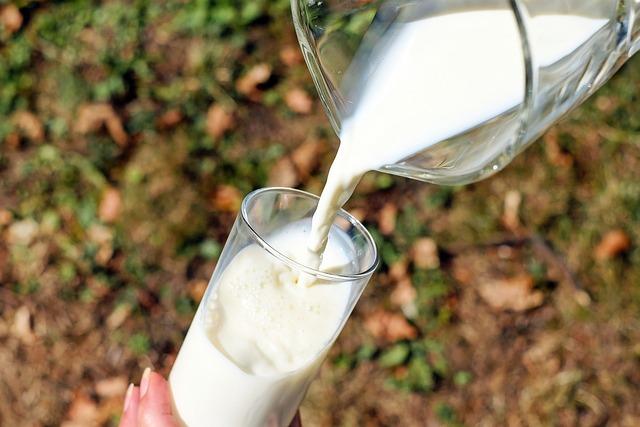
Choosing the ideal plant-based milk is crucial for achieving that rich, creamy texture you desire in vegan yogurt. The thickness and creaminess of your yogurt largely depend on the type of milk you use. Here are a few popular options to consider:
- Coconut Milk: Known for its high-fat content, coconut milk lends a luscious, creamy consistency that’s perfect for yogurt.
- Almond Milk: This is a lighter option which provides a mild flavor. For creamier results, opt for unsweetened almond milk that is fortified with added protein.
- Oat Milk: Its natural creaminess makes oat milk a fantastic choice for yogurt, creating a smooth texture without overpowering the flavor.
- Soy Milk: A popular favorite, soy milk provides good creaminess and is rich in protein, curdling well, much like dairy milk.
When selecting your plant-based milk, consider the following factors:
| Milk Type | Texture | Flavor Profile |
|---|---|---|
| Coconut Milk | Very creamy | Rich and tropical |
| Almond Milk | Light and smooth | Mild and nutty |
| Oat Milk | Creamy and thick | Sweet and mild |
| Soy Milk | Thick and rich | Bean-like and neutral |
Keep in mind that the straining process can also affect the final thickness of your yogurt. If you’re aiming for a thicker consistency, using a milk that is higher in fat content or combining different types may yield optimal results. Experiment with these options to find your perfect balance!

Essential Equipment: Your Yogurt Maker and Beyond
Creating vegan yogurt at home is a rewarding process, and having the right equipment makes all the difference. At the heart of your setup is the **yogurt maker**, a device designed to maintain the ideal temperature for fermentation. Look for a model that allows you to customize the settings to achieve the perfect consistency and tanginess. Beyond the yogurt maker, consider investing in these essential tools:
- High-speed blender: For a smooth, creamy base, a powerful blender is key to emulsify your ingredients.
- Food thermometer: Ensuring your plant-based milk reaches the right temperature (around 110°F or 43°C) is crucial for activating the cultures.
- Glass jars: Using quality glass containers for fermentation not only looks great but is also a safe choice for bacteria growth.
- Whisk or spatula: For thoroughly blending your yogurt ingredients, a whisk or silicone spatula helps in achieving a uniform mixture.
If you’re passionate about experimenting with flavors, keep various toppings and additions on hand, such as fruits, seeds, and natural sweeteners. This will allow you to customize your yogurt creations and keep the excitement alive. For easy reference, consider this handy table highlighting different plant-based milk options and their unique attributes:
| Plant-Based Milk | Texture | Protein Content |
|---|---|---|
| Almond Milk | Thin | Low |
| Coconut Milk | Rich | Medium |
| Soy Milk | Creamy | High |
| Cashew Milk | Silky | Medium |
By equipping yourself with these tools and understanding the characteristics of different plant-based milks, you’ll be well on your way to crafting delicious, homemade vegan yogurt that will impress your friends and family.

The Fermentation Process Explained: Time and Temperature Matters
Understanding the fermentation process is crucial to achieving the perfect vegan yogurt using your yogurt maker. Fermentation relies on the interplay of time and temperature, two factors that directly influence the growth of beneficial bacteria and the texture of your yogurt.
The ideal temperature for fermentation usually hovers between 110°F and 115°F (43°C – 46°C). At this range, the starter cultures thrive, converting sugars into lactic acid—this not only enhances the flavor but also thickens the yogurt. A consistent temperature is essential because fluctuations can lead to underdeveloped or overly tangy yogurt. Here are some tips to maintain the right conditions:
- Use a reliable yogurt maker: This ensures consistent heat.
- Pre-warm your ingredients: Bring non-dairy milk to room temperature before mixing in your starter culture.
- Avoid opening the lid: Each time you lift the lid, you introduce cooler air which can hinder fermentation.
Timing is just as important. Most plant-based yogurts need around 6 to 12 hours of fermentation, depending on your taste preference and the type of non-dairy milk used. A short fermentation time will result in a milder flavor, while a longer period will yield a tangier profile. To help you plan your yogurt-making journey, consider the following fermentation guide:
| Fermentation Time | Flavor Profile | Texture |
|---|---|---|
| 6 hours | Mild | Silky |
| 9 hours | Balanced | Creamy |
| 12 hours | Robust | Thicker |
mastering the fermentation process—by maintaining the right temperature and timing—will empower you to create delicious, creamy vegan yogurt tailored to your taste buds. Enjoy experimenting with this delightful plant-based staple!
Flavor Enhancements: How to Customize Your Vegan Yogurt
Customizing your vegan yogurt opens up a world of delicious possibilities. With a few simple additions, you can transform your basic plant-based yogurt into a flavorful treat that tantalizes your taste buds. Here are some ideas to help you enhance the flavor:
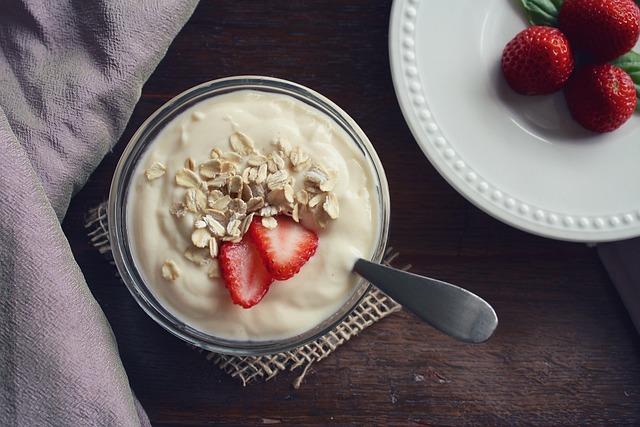
- Fruits and Berries: Fresh, frozen, or dried options can add natural sweetness and vibrant color. Try mixing in strawberries, blueberries, or mangoes for a refreshing twist.
- Sweeteners: If you prefer a sweeter yogurt, consider adding maple syrup, agave nectar, or coconut sugar to taste. A dash of vanilla extract can also elevate the flavor profile.
- Spices: Cinnamon, nutmeg, or cardamom can bring warmth and complexity to your yogurt. Experiment with different spices to find your favorite combination.
- Nuts and Seeds: For a delightful crunch and added nutrition, sprinkle in some chopped nuts or seeds such as almonds, walnuts, chia seeds, or hemp hearts.
For those looking to get a bit more adventurous, consider creating your own flavor blends. Here’s a simple table of flavor combinations to inspire your yogurt creations:
| Flavor Combination | Suggested Ingredients |
|---|---|
| Minty Chocolate | Fresh mint leaves, cacao nibs |
| Tropical Paradise | Pineapple, coconut flakes |
| Spiced Pumpkin | Pumpkin puree, pumpkin spice |
| Berry Bliss | Mixed berries, a hint of lemon zest |
By experimenting with these enhancements and combinations, you can tailor your vegan yogurt to suit your individual tastes and dietary preferences. Enjoy discovering your own unique blends!
Troubleshooting Common Issues in Vegan Yogurt Making
Even the most seasoned yogurt makers can encounter hiccups along the way. Here are some common issues you might face while making vegan yogurt and how to tackle them:
- Texture Problems: If your yogurt turns out watery, it may be due to insufficient thickening agents. Ensure you’re using adequate amounts of agar-agar or carrageenan, and try reducing the liquid in your recipe.
- Separation: Sometimes, the yogurt may separate into liquid and solids. This often happens if fermentation is too long. Experiment with shorter fermentation times and keep an eye on the temperature.
- Flavor Issues: Your yogurt might taste overly tangy or flat. Using a high-quality starter culture is essential; consider trying different brands to find one that suits your palate best.
Additionally, here’s a quick reference table for troubleshooting:
| Issue | Solution |
|---|---|
| Watery consistency | Increase thickening agents or reduce liquid. |
| Separation of liquid | Reduce fermentation time and check temperature. |
| Unpleasant taste | Use a better starter culture or adjust fermentation time. |
By fine-tuning your approach and keeping these troubleshooting tips in mind, you’ll be on your way to crafting the perfect batch of vegan yogurt. Enjoy the process, and remember that each attempt is a step toward mastering your technique!
Storing and Serving Your Homemade Vegan Yogurt with Style
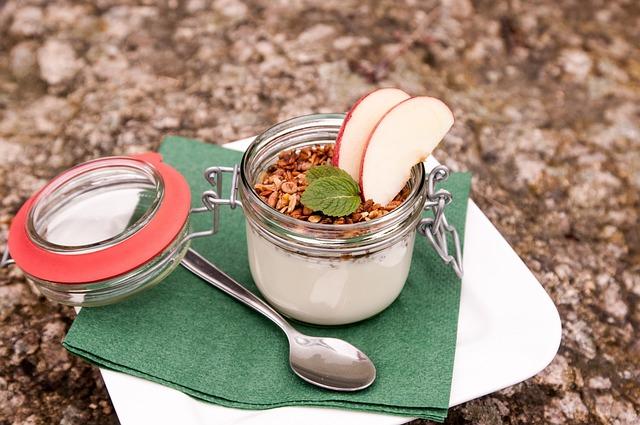
Once your homemade vegan yogurt is ready, storing and serving it beautifully can elevate your culinary experience. To keep your yogurt fresh and flavorful, consider using airtight glass containers. Not only do they seal in the goodness, but they also allow you to showcase your creations. Here are some tips for stylish storage:
- Choose the Right Size: Select containers that match your serving needs—small jars for individual portions or larger ones for family-style servings.
- Label Wisely: Use reusable labels or chalkboard stickers to mark the date you made your yogurt. This helps keep track of freshness!
- Decorate Your Jars: Consider tying twine or ribbon around the jars or using fabric covers to add a rustic charm.
When it comes to serving your vegan yogurt, presentation is key. You can create an eye-catching yogurt parfait by layering your yogurt with fresh fruits, nuts, and granola in clear glasses. Not only does this showcase the creamy texture and vibrant colors, but it also makes a delightful and nutritious breakfast or snack!
| Serving Ideas | Ingredients |
|---|---|
| Classic Fruit Parfait | Yogurt, Berries, Granola |
| Autumn Spice Delight | Yogurt, Pumpkin Puree, Cinnamon |
| Chocolate Dream | Yogurt, Cocoa Powder, Nuts |
With some creativity in both storage and presentation, your homemade vegan yogurt can be a feast for the eyes as well as the palate!
Delicious Recipes to Elevate Your Vegan Yogurt Experience
Revamp Your Vegan Yogurt
Diving into plant-based deliciousness is made easy with these delightful recipes that enhance your homemade vegan yogurt. By incorporating a handful of nutrient-rich ingredients, you can transform your simple yogurt into a gourmet experience that tantalizes your taste buds and meets your nutritional needs.
Flavor Boosters
- Fresh Fruits: Add seasonal toppings like berries, sliced bananas, or diced mango for a burst of natural sweetness.
- Nut Butters: Swirl in almond or peanut butter for an extra creamy texture and a protein kick.
- Spices: Experiment with ground cinnamon, nutmeg, or vanilla extract for a fragrant twist that elevates flavor profiles.
Creative Combinations
For those who crave unique blends, consider these combinations:
| Combination | Description |
|---|---|
| Citrus Burst | Mix in orange zest and a touch of maple syrup for a refreshing zing. |
| Chocolate Delight | Stir in cacao powder and a hint of agave for a rich dessert-like flavor. |
| Herbal Infusion | Blend in fresh mint or basil for a unique savory twist that’s perfect for your afternoon snack. |
These ideas serve as a springboard for your creativity, allowing you to customize every bowl of vegan yogurt. Whether you prefer sweet, savory, or somewhere in between, there’s a perfect blend waiting to be discovered.
Q&A
Q&A: How to Make Vegan Yogurt in a Yogurt Maker: Plant-Based Perfection
Q1: What ingredients do I need to make vegan yogurt?
A1: To make vegan yogurt, you’ll need a base, such as almond milk, coconut milk, or soy milk. Look for unsweetened and unflavored varieties to maintain control over the flavor. You’ll also need a yogurt starter culture, which can be a store-bought vegan yogurt with live cultures or a powdered culture specifically designed for yogurt-making.
Q2: Can I use any plant-based milk for making vegan yogurt?
A2: Most plant-based milks can work, but not all are created equal. Soy milk is often favored for its protein content, which helps achieve a creamier texture. Almond and coconut milk can also work beautifully, particularly if you choose thicker brands or add a thickener like agar-agar or cornstarch for a creamier consistency.
Q3: How much yogurt starter do I need?
A3: Generally, you’ll want to use about 1-2 tablespoons of store-bought vegan yogurt or 1 packet of powdered yogurt starter for every quart (4 cups) of plant-based milk. This will ensure you have enough live cultures to properly ferment your yogurt.
Q4: How long does it take to make vegan yogurt in a yogurt maker?
A4: Typically, the fermentation process in a yogurt maker takes about 6 to 12 hours. The exact time can vary based on the yogurt maker and the desired thickness or tanginess of your yogurt. For a milder taste, aim for around 6 hours; for a tangier flavor, extend it up to 12 hours.
Q5: Do I need to preheat the yogurt maker?
A5: Most yogurt makers do not require preheating. Simply set it up as per the manufacturer’s instructions, add your mixture of plant-based milk and starter culture, and let it do its magic. Just make sure to stir the mixture gently before placing it in the yogurt maker.
Q6: What should I do after the yogurt is done fermenting?
A6: Once the yogurt has finished fermenting, check its consistency and taste. If you like it, transfer it to clean containers and refrigerate it to stop the fermentation process. If it’s not thick enough for your preference, you can strain it using a cheesecloth or fine mesh strainer to remove excess liquid.
Q7: How should I store homemade vegan yogurt?
A7: Homemade vegan yogurt can be stored in airtight containers in the refrigerator. It typically stays fresh for about 5 to 7 days. Make sure to keep some aside as a starter for your next batch—that way, you can keep the yogurt-making cycle going!
Q8: Can I flavor my vegan yogurt, and when should I do it?
A8: Absolutely! You can add flavors like vanilla extract, maple syrup, or fruit purees. It’s best to do this after fermentation, while your yogurt is still cool and before you store it. Experiment with your favorite flavors, but keep in mind that adding sweeteners before fermentation can affect the texture and fermentation process.
Q9: What are the benefits of making yogurt at home compared to store-bought?
A9: Making yogurt at home allows you to control every ingredient, ensuring that it’s free from preservatives or artificial additives. You can customize flavors and thickness to your liking and save money in the long run, especially if you consume yogurt regularly. Plus, there’s satisfaction in crafting something delicious from scratch!
Feel free to dive into the world of homemade vegan yogurt. With a yogurt maker and a bit of experimentation, you can achieve plant-based perfection that suits your palate. Enjoy the delicious journey!
Final Thoughts
And there you have it – a simple and fulfilling way to create your own vegan yogurt right at home using a yogurt maker! With just a few plant-based ingredients and a little time, you can enjoy creamy, delicious yogurt that’s not only kind to your palate but also to the planet. Experiment with flavors, adjust the thickness to your liking, and revel in the satisfaction of making something wholesome from scratch. So grab your yogurt maker, unleash your creativity, and dive into the world of plant-based perfection. Your taste buds will thank you! Happy yogurt-making!