How to Use Oster Yogurt Maker: Step-by-Step Guide
Are you ready to embark on a delicious, creamy adventure right in your own kitchen? Look no further! Our article, “How to Use Oster Yogurt Maker: Step-by-Step Guide,” is here to transform you into a home yogurt-making maestro. Picture this: silky-smooth yogurt that rivals your favorite shop, all crafted with your own two hands (and a little help from your Oster). No more midnight runs to the grocery store for those overpriced, sugar-laden tubs. Instead, you’ll be whipping up batches of probiotic goodness that are not only tasty but customizable to your heart’s content. So, grab your apron and get ready to impress your taste buds (and probably your friends, too). Let’s dive into this step-by-step guide and turn you into a yogurt connoisseur—because why not make something that’s both good for your gut and a great conversation starter? Let’s get started!
Article Contents
- Choosing the Right Ingredients for Your Oster Yogurt Maker
- Understanding the Functions and Features of Your Yogurt Maker
- Preparing Your Milk: Steps for the Perfect Base
- Inoculating Your Milk with Starter Culture
- Setting Up the Yogurt Maker for Optimal Fermentation
- Monitoring the Fermentation Process for Desired Consistency
- Customizing Flavors and Mix-Ins for Your Homemade Yogurt
- Storing Your Finished Yogurt for Maximum Freshness
- Q&A
- In Summary
Choosing the Right Ingredients for Your Oster Yogurt Maker
When using your Oster Yogurt Maker, the success of your homemade yogurt largely depends on the quality of the ingredients you choose. Starting with milk, you have several options:
- Whole Milk – Creamy and rich, it results in thicker, creamier yogurt.
- Low-Fat Milk – Produces a lighter yogurt while still providing good flavor.
- Non-Fat Milk – Ideal for those looking to reduce calories, though it might need added thickeners.
- Plant-Based Milks – Options like almond, soy, or coconut milk work well, but check for additives.
Next, consider the yogurt starter culture. You can either use a store-bought yogurt that has live active cultures or a commercial starter. Here’s what you should look for:
- Active Cultures – Look for labels that mention live or active probiotic cultures.
- Flavor Profiles – Plain yogurt is often ideal, but flavored options can make for interesting combinations.
- Readability – Choose starters with simple, clear ingredients to ensure quality.
If you want to experiment and add a little extra flavor, consider these optional ingredients:
| Ingredient | Benefits |
|---|---|
| Sweeteners (honey, agave) | Add sweetness and can enhance flavor. |
| Fruits (berries, bananas) | Provides natural sweetness and flavor. |
| Thickeners (gelatin, pectin) | Helps create a creamier, thicker consistency. |
By selecting high-quality ingredients, you can elevate your yogurt-making experience and impress your family and friends with delicious, homemade creations.
Understanding the Functions and Features of Your Yogurt Maker
Your yogurt maker is equipped with various functions and features that make the yogurt-making process both hassle-free and enjoyable. Understanding these elements will not only enhance your yogurt-making skills but also allow you to customize your creations. Here are some key features you’ll appreciate:
- Temperature Control: Ensure optimal fermentation with precise temperature settings. A consistent environment is crucial for cultivating beneficial bacteria.
- Timer Function: Many models are equipped with a timer that allows you to set the fermentation period. This helps in achieving the perfect tang and consistency.
- Multiple Jars: A yogurt maker often comes with multiple jars, allowing you to experiment with different flavors and yogurt types simultaneously.
- Automatic Shut-Off: This feature ensures safety and convenience by turning the machine off after the fermentation period ends, preventing over-processing.
In addition to these key features, many yogurt makers also boast user-friendly interfaces, complete with LCD screens for easy monitoring. Here’s a quick overview of common functions you might find:
| Feature | Description |
|---|---|
| Easy Clean Design | User-friendly materials that simplify cleaning after use. |
| Recipe Book | Comes with a range of recipes to inspire your yogurt-making journey. |
| Quiet Operation | Runs quietly, allowing for easy integration into your kitchen routine. |
By familiarizing yourself with these functions and features, you’re better equipped to make the most out of your yogurt maker, paving the way for delicious homemade yogurt tailored to your taste preferences.
Preparing Your Milk: Steps for the Perfect Base
Creating the ideal yogurt base begins with the right preparation of your milk. Here’s how to get it just right:
- Select Your Milk: Choose from whole, skim, or plant-based milk depending on your dietary preferences. Whole milk will yield creamier yogurt, while skim milk will produce a lighter texture.
- Heat the Milk: Pour your milk into a saucepan and gently heat it to about 180°F (82°C). This process not only destroys any undesirable bacteria but also alters the proteins, ensuring a smoother yogurt.
- Cool the Milk: After reaching the desired temperature, remove the saucepan from heat and allow the milk to cool down to around 110°F (43°C). This is the optimal temperature for adding your starter culture.
- Add Starter Culture: Once cooled, mix in a spoonful of a plain yogurt containing live active cultures, or use a yogurt starter. Stir gently until well combined.
Once you’ve prepared your milk, it’s time to move on with the fermentation process in your Oster Yogurt Maker. Enjoy the satisfying journey towards your creamy homemade yogurt!

Inoculating Your Milk with Starter Culture
Once your milk has been heated and cooled properly, it’s time to introduce the starter culture, which is essential for transforming your milk into creamy, delicious yogurt. Here’s how you can effectively inoculate your milk:
- Select the Right Starter Culture: Choose a high-quality yogurt or a commercial culture that contains live active probiotics. Look for options labeled with active cultures for best results.
- Prepare the Culture: If using a store-bought yogurt, take about 2 tablespoons and let it come to room temperature. This will help it integrate smoothly into your milk.
- Mingle with the Milk: In a separate bowl, mix the starter culture with a small amount of the cooled milk, making a smooth mixture. This helps to prevent clumping and ensures even distribution.
- Add to the Total Volume: Gradually whisk the culture mixture back into the remaining milk. Make sure everything is well combined.
After inoculating the milk, it’s important to maintain an ideal incubation environment. Pour the mixture into your Oster yogurt maker and set the temperature as per the manufacturer’s instructions. Typically, yogurt requires a constant temperature of about 110°F (43°C) to ferment properly. Monitor the time; fermentation usually takes between 4 to 12 hours, depending on your taste preference for tanginess. The longer you let it sit, the thicker and more robust it becomes.
| Fermentation Time | Taste Profile | Texture |
|---|---|---|
| 4-6 hours | Mild, Creamy | Thin, Smooth |
| 6-8 hours | Balanced, Slightly Tangy | Thicker |
| 8-12 hours | Sharp, Tangy | Very Thick |
Setting Up the Yogurt Maker for Optimal Fermentation
To achieve the best results with your Oster yogurt maker, proper setup is crucial. Start by selecting a clean and dry workspace, preferably one that maintains a consistent temperature, as fluctuations can impact the fermentation process. Here are some key considerations to keep in mind:
- Ingredients: Use fresh ingredients for the best flavor and texture. Whole milk tends to produce creamier yogurt, while low-fat options can be used for a lighter version.
- Starter Culture: Choose a good quality yogurt that contains live active cultures. You can also use yogurt specifically designed as a starter culture.
- Precision Measurement: Measure your ingredients accurately. Use a kitchen scale for the milk and a measuring spoon for the starter culture to ensure consistency.
After preparing your ingredients, it’s time to mix them. Gently heat the milk to around 180°F (82°C) and then cool it to between 110°F (43°C) and 115°F (46°C) before adding the starter culture. This temperature range is essential for optimal fermentation:
| Temperature | Action |
|---|---|
| 180°F (82°C) | Heat milk |
| 110°F – 115°F (43°C – 46°C) | Add starter culture |
Once you’ve blended in the starter, transfer the mixture to the yogurt maker and set the timer according to your desired thickness and tanginess—about 6 to 12 hours usually works well. After fermentation, refrigerate the yogurt to stop the fermentation process and enhance its flavor.

Monitoring the Fermentation Process for Desired Consistency
As you embark on your yogurt-making journey with the Oster Yogurt Maker, keeping a close eye on the fermentation process is crucial for achieving the perfect consistency. The fermentation time can vary based on several factors, including the type of milk used, the starter culture, and your personal taste preferences. Typically, yogurt requires a fermentation period of 6 to 12 hours, but monitoring is key to striking the right balance.
- Select the Right Culture: Choose a starter culture that aligns with your desired yogurt texture—thicker cultures often result in creamier yogurt.
- Temperature Considerations: Maintain an ideal fermentation temperature between 110°F to 115°F. You can use a thermometer to ensure the temperature stays stable.
- Visual Checks: After 6 hours, gently move the yogurt jar. If it holds its shape and has a smooth consistency, it’s likely ready. If it’s still liquid, allow it to ferment longer.
It’s also beneficial to utilize your sense of smell and taste throughout the process. Each batch can have its own unique profile, and tasting small spoonfuls at intervals can help you determine when to stop fermentation. Here’s a simple table to help you track the consistency during your process:
| Fermentation Time | Texture | Remarks |
|---|---|---|
| 6 hours | Soft and semi-liquid | Needs more time for thicker consistency. |
| 8 hours | Thicker but still creamy | Check for preferred flavor. |
| 12 hours | Firm and creamy | Ideal for most yogurt lovers! |
Customizing Flavors and Mix-Ins for Your Homemade Yogurt
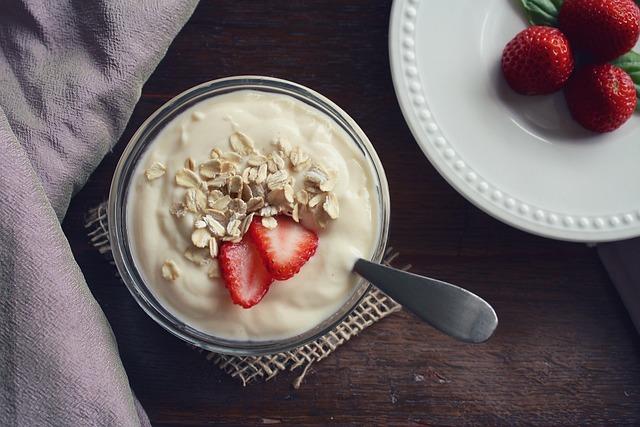
Creating your own yogurt at home allows for endless possibilities when it comes to flavors and mix-ins. Once you’ve mastered the basic yogurt-making process with your Oster Yogurt Maker, it’s time to get creative and tailor your yogurt to your personal taste preferences. Here are some delicious ideas:
- Fruits: Fresh or frozen fruits such as strawberries, blueberries, and mangoes can be blended in or added as a topping.
- Sweeteners: Experiment with honey, maple syrup, or stevia for a touch of sweetness.
- Nuts and Seeds: Add some crunch with chopped almonds, walnuts, or chia seeds.
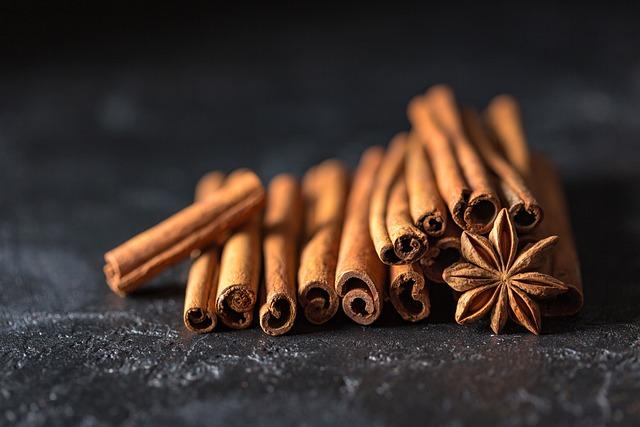
- Spices: Incorporate spices like cinnamon or vanilla extract for a unique flavor profile.
- Cocoa or Chocolate: For a dessert-like treat, mix in cocoa powder or chocolate chips.
When customizing your yogurt, consider the following basic ratios to maintain the right consistency while enhancing the flavor:
| Ingredient | Recommended Amount |
|---|---|
| Fruit Puree | 1/4 to 1/2 cup |
| Sweetener | 1-2 tablespoons |
| Nuts/Seeds | 2-3 tablespoons |
| Spices | 1/2 teaspoon |
Always add your mix-ins after the yogurt has finished fermenting to retain the natural probiotic benefits and ensure the best flavor. With these suggestions, you’ll enjoy innovative custom flavors and delightful textures, making your homemade yogurt an exciting and delicious experience.
Storing Your Finished Yogurt for Maximum Freshness
Once your delicious homemade yogurt is ready, proper storage is key to preserving its freshness and flavor. Start by transferring the yogurt into airtight containers, which will help prevent any unwanted odors from infiltrating your treat. Glass jars are a great choice not just because they are non-reactive, but also because they allow you to see the creamy goodness inside!
To enjoy your yogurt at its best, consider these tips:
- Cool it Down: Allow your yogurt to cool to room temperature before sealing it to avoid condensation.
- Store in the Fridge: Place your containers in the main compartment of your refrigerator, ideally around 34°F to 40°F (1°C to 4°C).
- Label & Date: Write the storage date on each container to keep track of freshness. Homemade yogurt is best consumed within 1 to 2 weeks.
If you’re looking to extend your yogurt’s shelf life, consider freezing it. While the texture may become slightly grainy once thawed, the probiotic benefits and taste remain intact. Use ice cube trays for portioning out small amounts, making it easy to add to smoothies or recipes later on.
Q&A
Q&A: How to Use the Oster Yogurt Maker: Step-by-Step Guide
Q: What is the Oster Yogurt Maker?
A: The Oster Yogurt Maker is a user-friendly appliance designed to help you easily make homemade yogurt. It provides precise temperature control to foster the ideal growing environment for yogurt cultures, resulting in creamy, delicious yogurt tailored to your taste.
Q: What ingredients do I need to get started?
A: To make yogurt, you’ll need just two main ingredients: milk and a yogurt starter. You can use any type of milk—whole, 2%, or skim. For the starter, you can use store-bought plain yogurt that contains active cultures or a powdered yogurt starter from health food stores.
Q: Can I use non-dairy milk in the Oster Yogurt Maker?
A: Yes, you can use non-dairy alternatives like almond, coconut, or soy milk. However, you may need to add a thickening agent, such as agar-agar or pectin, to achieve a creamier texture since non-dairy milks are often thinner.
Q: How do I prepare the milk for yogurt making?
A: Start by heating your milk in a saucepan until it reaches about 180°F (82°C). This step helps to denature the proteins, ensuring a smooth texture. Once heated, let it cool to around 110°F (43°C), which is the optimal temperature for adding your yogurt starter.
Q: How much starter do I need to add?
A: Typically, you’ll need about 2-3 tablespoons of the store-bought yogurt or the recommended amount if you are using a powdered starter. Stir it into the cooled milk until it’s fully dissolved.
Q: What is the next step after mixing the milk and yogurt starter?
A: Pour your milk and starter mixture into the jars provided with the Oster Yogurt Maker. Make sure to leave some space at the top to prevent overflow during fermentation.
Q: How long should I let the yogurt ferment?
A: Close the lid of the yogurt maker and set it to your desired time—typically between 6 to 12 hours, depending on how tart you like your yogurt. The longer it ferments, the thicker and tangier it becomes.
Q: How can I tell when the yogurt is done?
A: After the fermentation time is up, check the consistency. It should be thickened and have a slightly tangy flavor. If you prefer a firmer yogurt, you can let it ferment a bit longer.
Q: Do I need to refrigerate the yogurt after making it?
A: Yes, once your yogurt is ready, transfer it to the refrigerator. Cooling it will halt the fermentation process and help to thicken the yogurt further. It’s best consumed within 1-2 weeks.
Q: Can I add flavors or sweeteners to my yogurt?
A: Absolutely! Feel free to mix in your favorite fruits, honey, maple syrup, or vanilla extract after the yogurt has set. Just keep in mind that adding too many ingredients before fermentation can affect the culture’s ability to thrive.
Q: Is it easy to clean the Oster Yogurt Maker?
A: Yes, cleaning the yogurt maker is quite simple. The glass jars are usually dishwasher-safe, and the base can be wiped clean with a damp cloth. It’s recommended to avoid immersing the base in water.
Q: Any tips for making the perfect yogurt?
A: Make sure all utensils and containers are sanitized to avoid unwanted bacteria. Experiment with different fermentation times and starter ratios to find the flavor and tanginess that you prefer. And most importantly, have fun with it! Making yogurt can be a rewarding culinary adventure.
If you follow these steps, you’ll be well on your way to enjoying delicious, homemade yogurt with the Oster Yogurt Maker! Enjoy your yogurt-making journey!
In Summary
As you can see, using the Oster Yogurt Maker can be a simple yet rewarding experience that elevates your culinary skills and enhances your diet. With the right ingredients and a little patience, you’ll be crafting delicious, homemade yogurt tailored to your taste preferences in no time. So why not give it a try? Embrace the process, experiment with flavors, and enjoy the satisfaction of knowing exactly what goes into your yogurt. Happy yogurt making!