What Does a Yogurt Maker Do? Functions Explained
Have you ever opened your fridge to find a funky-looking container of yogurt that looks like it’s been through a journey of epic proportions? Fear not! Enter the yogurt maker, the unsung hero of the culinary world, dedicated to transforming milk into creamy, dreamy yogurts that can make your taste buds waltz! In this article, we’ll peel back the layers of this magical appliance and shed light on its delightful functions. Whether you’re a yogurt aficionado or just someone looking to impress brunch guests with your homemade creations, understanding “What Does a Yogurt Maker Do?” will not only tickle your funny bone but also elevate your kitchen game to a whole new level! Get ready to learn how to capture that tangy goodness right at home—without any mysterious fermentation stories to tell!

Article Contents
- Understanding the Basics of a Yogurt Maker
- Key Functions of a Yogurt Maker Explained
- How a Yogurt Maker Simplifies Your Fermentation Process
- Choosing the Right Yogurt Maker for Your Needs
- Tips for Achieving Perfect Yogurt Consistency
- Exploring Flavoring and Customization Options
- Maintenance and Care for Your Yogurt Maker
- Frequently asked questions
- Insights and Conclusions
Understanding the Basics of a Yogurt Maker
Yogurt makers are specialized kitchen appliances designed to simplify the process of making yogurt at home. With their user-friendly operation, they allow you to transform milk into delicious, creamy yogurt without the guesswork. At the heart of a yogurt maker’s function is the ability to maintain a warm and controlled temperature, which is crucial for the fermentation process. This warmth encourages the growth of beneficial bacteria, turning milk into yogurt within a few hours.
Key **functions** of a yogurt maker include:
- Temperature Control: It ensures consistent warmth, usually between 110°F and 115°F (43°C – 46°C), ideal for bacterial activity.
- Time Management: Many models come equipped with timers that help manage fermentation time, allowing you to customize the tartness and texture of your yogurt.
- Multiple Jar Options: Some yogurt makers can accommodate multiple jars, allowing you to experiment with different flavors or types of yogurt in one batch.
Yogurt makers typically come with clear instructions and can be used with various bases, including whole milk, skim milk, or non-dairy alternatives like almond or coconut milk. By using these machines, you not only save time but also gain control over the ingredients, ensuring a yogurt that caters to your dietary needs and preferences.
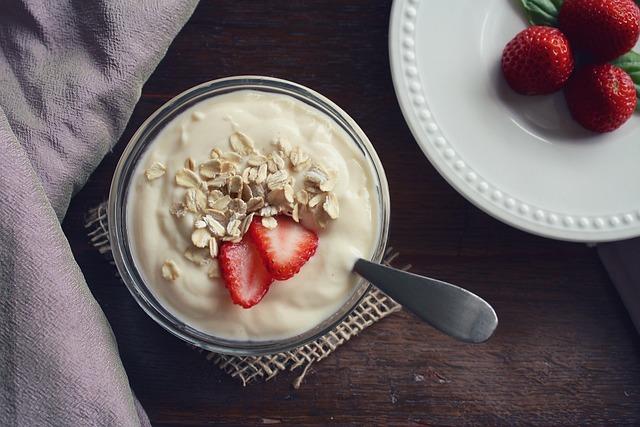
Key Functions of a Yogurt Maker Explained
A yogurt maker is an innovative kitchen appliance designed to simplify the process of making yogurt at home. Its primary function is to create the ideal environment for probiotics to thrive and ferment milk into yogurt. This is achieved through precise temperature control, which is essential because fermentation requires a consistent warmth to cultivate the beneficial bacteria.
Key functions of a yogurt maker include:
- Temperature Regulation: Maintaining a steady temperature, typically between 100°F to 115°F (37°C to 46°C), to ensure optimal fermentation.
- Timing Controls: Allowing users to adjust fermentation times, giving flexibility for mild to tangy flavors depending on preference.
- Multiple Jar Options: Providing the ability to use one large jar or several small jars, accommodating different serving sizes and flavors.
Many yogurt makers also come with built-in timers and alarms that notify you when your yogurt is ready, making the process hassle-free. Some advanced models even include features such as:
| Feature | Description |
|---|---|
| Digital Display | Shows the current temperature and time left until completion. |
| Auto Shut-off | Turns off the machine automatically after fermentation for safety. |
| Recipe Guides | Offers suggestions for different yogurt styles and flavors. |
With these functions, a yogurt maker not only streamlines the yogurt-making process but also encourages creativity in the kitchen, allowing enthusiasts to experiment with various ingredients to craft personalized yogurt delights.

How a Yogurt Maker Simplifies Your Fermentation Process
Utilizing a yogurt maker can turn the art of fermentation into an accessible and enjoyable process. With **precise temperature control**, these devices provide the ideal environment for probiotics to thrive, ensuring that your yogurt is both delicious and nutritious. Unlike traditional methods that require constant monitoring, yogurt makers create a **consistent setting** that eliminates the guesswork, allowing you to focus on the fun aspects of creating your own yogurt.
Here are some key features that simplify your fermentation process:
- Automatic Temperature Regulation: Maintains the optimal heat for fermentation, generally between 110°F to 115°F.
- Digital Timers: Lets you set the fermentation duration, so you can walk away without worry.
- Multiple Jars: Some models come with several containers, allowing for various flavors or types at once.
To give you a clearer idea of how a yogurt maker compares to traditional methods, consider the following table:
| Feature | Yogurt Maker | Traditional Method |
|---|---|---|
| Temperature Control | Automatic | Manual |
| Ease of Use | User-friendly | Time-consuming |
| Consistency | High | Variable |
By choosing a yogurt maker, you ensure that each batch of yogurt meets your standards for taste and texture, delivering a homemade product that rivals store-bought varieties. So whether you’re experimenting with flavors or sticking to the classic styles, this appliance truly transforms the way you approach fermentation.

Choosing the Right Yogurt Maker for Your Needs
When selecting the ideal yogurt maker, several factors come into play that can enhance your yogurt-making experience. First, consider the **capacity** you need. Yogurt makers typically come in various sizes, ranging from personal units producing a quart to larger models catering to families or gatherings. Understanding the quantity you plan to make at one time is essential to avoid wastage or multiple batches.
Next, evaluate the **features** that would best fit your lifestyle. Some yogurt makers offer advanced functions such as:
- Temperature Control: Precision temperature settings are crucial for achieving the perfect culturing environment.
- Timer Functions: Automatic timers allow for more flexibility and ensure your yogurt can ferment unattended.
- Multi-Functionality: Consider a model that can also make other fermented foods like kefir or cheese.
Lastly, it’s wise to research the **ease of use** and **cleaning**. User-friendly designs can significantly impact your overall satisfaction. Look for models with removable parts or dishwasher-safe components to simplify the cleanup process. By taking these essential aspects into account, you can confidently choose a yogurt maker that aligns with both your culinary aspirations and practical needs.
Tips for Achieving Perfect Yogurt Consistency
Achieving the perfect yogurt consistency is an art that can be easily mastered with the right techniques. Here are some essential tips to ensure your homemade yogurt turns out creamy and smooth:
- Use Quality Ingredients: Opt for fresh milk and a good quality yogurt starter culture. The type of milk and starter can significantly affect the final texture. Whole milk often yields richer yogurt.
- Temperature Control: Maintaining the right fermentation temperature is crucial. Ideally, keep the yogurt maker set between 110°F to 115°F (43°C to 46°C) for optimal results. Use thermometers for accuracy.
- Fermentation Time: Experiment with fermentation duration. A longer fermentation (8-12 hours) often results in a tangier flavor and thicker consistency. Check regularly to find your preference.
Another important aspect is ensuring a good balance between curdling and enzymatic activity:
| Factor | Impact on Consistency |
|---|---|
| Milk Type | Whole milk yields creamier yogurt |
| Fermentation Temperature | Too hot can cause separation, too cold may under-ferment |
| Starter Culture | Probiotics and enzymes affect thickness and flavor |
By following these steps and paying attention to the factors listed above, you can perfect the consistency of your yogurt, resulting in a delightful homemade treat every time.

Exploring Flavoring and Customization Options
One of the most exciting aspects of using a yogurt maker is the myriad of flavoring and customization options available to you. From traditional favorites to innovative combinations, the possibilities are nearly limitless. You can enhance the flavor of your homemade yogurt by incorporating various ingredients during the preparation process or mixing them in after it has been made. Here are some popular options to consider:
- Fruits: Fresh, frozen, or dried fruits like strawberries, blueberries, or mangoes add natural sweetness and vibrant flavors.
- Sweeteners: Adjust the sweetness with honey, maple syrup, agave nectar, or even stevia for a sugar-free alternative.
- Flavor Extracts: A few drops of vanilla, almond, or coconut extract can elevate your yogurt to a gourmet level.
- Herbs and Spices: Experiment with mint, cinnamon, or even chili powder for a unique twist on classic yogurt.
- Nuts and Seeds: Adding walnuts, almonds, chia seeds, or flaxseeds can enhance texture and provide a satisfying crunch.
Furthermore, many yogurt makers now come equipped with features that allow you to tailor the texture and tanginess of your yogurt. The culturing time can be adjusted depending on how thick or tart you prefer your yogurt, enabling you to create a product that perfectly suits your palate. The table below summarizes some common customization settings you’ll find in modern yogurt makers:
| Customization Aspect | Options Available |
|---|---|
| Culturing Time | 4-12 hours |
| Texture | Smooth, Thick, Creamy |
| Sweetness Level | Unsweetened, Mild, Sweet |
| Temperature Control | Low (110°F), Medium (120°F), High (130°F) |
By exploring these flavoring and customization options, you can craft a unique yogurt experience that’s not only delicious but also perfectly tailored to your tastes and dietary preferences.
Maintenance and Care for Your Yogurt Maker
To ensure the longevity and optimal performance of your yogurt maker, regular maintenance is crucial. Proper care not only enhances the quality of yogurt produced but also extends the life of your appliance. Here are some best practices:
- Clean After Use: Always wash the containers and lids in warm, soapy water immediately after each use. This prevents residue buildup and maintains hygiene.
- Check the Heating Element: Inspect the heating element of your yogurt maker periodically. Make sure it’s spotless and free from any obstructions, as this is essential for consistent temperature control.
- Avoid Harsh Chemicals: Stick to gentle dish detergents when cleaning your yogurt maker. Harsh chemicals can damage the materials and affect the taste of your yogurt.
The attention you give to your yogurt maker can lead to healthier, tastier batches of yogurt, reinforcing the benefits of homemade probiotics. Additionally, consider storing the maker in a cool, dry place when not in use to prevent wear and tear from humidity or extreme temperatures.
Here’s a quick reference table summarizing some essential maintenance tasks:
| Task | Frequency | Notes |
|---|---|---|
| Clean containers & lids | After every use | Prevents buildup |
| Inspect heating element | Monthly | Ensure effective heating |
| Check power cord | Monthly | Look for frays or damage |
| Store properly | When not in use | Keep in a cool, dry place |
Frequently asked questions
Q&A: What Does a Yogurt Maker Do? Functions Explained
Q1: What exactly is a yogurt maker?
A1: A yogurt maker is a specialized kitchen appliance designed to simplify the process of making homemade yogurt. It provides a controlled environment that ensures optimal temperature and timing for fermenting milk with the help of yogurt cultures.
Q2: How does a yogurt maker work?
A2: Most yogurt makers maintain a steady temperature, usually around 110°F (43°C), which is crucial for the fermentation process. You start by mixing milk with a small amount of existing yogurt or yogurt starter culture that contains live probiotics. After mixing, you pour the mixture into containers, place them in the yogurt maker, and let it ferment for several hours. The machine maintains the ideal conditions for the bacteria to thrive, converting milk into yogurt.
Q3: What are the primary functions of a yogurt maker?
A3: The main functions of a yogurt maker include:
- Temperature Control: Ensures the milk stays at an optimal temperature for fermentation.
- Timing Automation: Many models come with timers that alert you when the yogurt is ready.
- Multi-container Capability: Some yogurt makers allow you to use multiple jars, which can be handy for making different flavors or batch sizes.
Q4: Is it necessary to have a yogurt maker to make yogurt at home?
A4: Not at all! While a yogurt maker makes the process easier and more consistent, you can also make yogurt using oven settings, slow cookers, or even insulated bowls. The key element is maintaining the right temperature for fermentation.
Q5: Can I customize my yogurt with a yogurt maker?
A5: Absolutely! One of the great benefits of using a yogurt maker is that you can customize your yogurt. You can play around with milk types (whole, skim, or dairy alternatives), sweetness (adding sugar or honey), and flavorings (vanilla, fruits, or spices) to create your perfect yogurt.
Q6: How long does it take to make yogurt in a yogurt maker?
A6: Generally, the fermentation process takes anywhere from 4 to 12 hours, depending on how thick and tangy you prefer your yogurt. A longer fermentation time usually results in thicker yogurt with a stronger flavor.
Q7: Are there any downsides to using a yogurt maker?
A7: While yogurt makers are convenient, they do take up counter space and require an initial investment. Additionally, if you’re someone who only makes yogurt occasionally, you might not find it necessary to have dedicated equipment.
Q8: What should I look for when buying a yogurt maker?
A8: When choosing a yogurt maker, consider factors like capacity, temperature control features, ease of use, and cleaning convenience. Some models come with additional features like different settings for making various types of yogurt, including Greek yogurt.
Q9: Can a yogurt maker be used for anything else?
A9: Primarily, yogurt makers are designed for yogurt, but some models can also be used for other fermentation projects, like making kefir or buttermilk, due to their ability to maintain a controlled warm environment.
Q10: Is making yogurt at home healthier than store-bought?
A10: Making yogurt at home can be healthier because you control the ingredients. You can avoid unnecessary additives, added sugars, and preservatives commonly found in store-bought yogurts. Plus, you can maximize probiotic content by using fresh starter cultures.
Q11: Is it worth investing in a yogurt maker?
A11: If you enjoy yogurt and often incorporate it into your diet, investing in a yogurt maker could be worthwhile. It not only offers convenience but also allows for creativity in your cooking—plus, there’s something rewarding about making your food from scratch!
Insights and Conclusions
a yogurt maker is more than just a kitchen appliance; it’s your ticket to delicious, homemade yogurt that can be tailored to your tastes and health needs. From nurturing cultures to maintaining optimal temperatures, these devices take the guesswork out of the fermentation process, allowing you to enjoy creamy, probiotic-rich yogurt right at home. Whether you’re a culinary novice or a seasoned chef, understanding the functions of a yogurt maker opens up a world of possibilities for flavorful creations. So why not give it a try? Your taste buds—and your gut—will thank you! Happy yogurt making!