Why Add Salt to Ice Cream Maker? The Science Behind It
When you think of ice cream, the first thing that probably comes to mind is a sweet, creamy delight that brings joy to every summer day. But have you ever thought about the role that salt plays in this frosty concoction? No, it’s not just a sprinkle of savory magic; it’s a scientific secret that could elevate your homemade ice cream to an extraordinary level! In “Why Add Salt to Ice Cream Maker? The Science Behind It,” we’ll dive into the chilly world of ice, salt, and cream, revealing how a simple grain can transform your dessert-making game. So, grab your scoop and get ready to chill out—because by the end of this article, you’ll not only know the reason behind adding salt but also become the go-to ice cream expert among your friends. Who knew science could taste so sweet? Let’s dig in!
Article Contents
- Understanding the Role of Salt in Ice Cream Making
- How Salt Lowers the Freezing Point of Mixtures
- The Secret to Silky Smooth Textures in Ice Cream
- Enhancing Flavor Through Salts Balancing Act
- Choosing the Right Type of Salt for Your Ice Cream Maker
- Practical Tips for Using Salt in Homemade Ice Cream
- Common Mistakes to Avoid When Adding Salt to Ice Cream Mix
- Exploring Alternative Techniques for Achieving Creamy Ice Cream
- Frequently asked questions
- Wrapping Up
Understanding the Role of Salt in Ice Cream Making
Salt plays a crucial role in the process of making ice cream, particularly when using a traditional ice cream maker that employs a salt-and-ice mixture. This combination serves to lower the freezing point of the ice, allowing the ice cream mixture to freeze more rapidly and evenly. Here’s how it works:
- Lower Freezing Point: The addition of salt lowers the freezing point of water through a process known as freezing point depression. When salt is mixed with ice, the melting point of ice drops, which means the ice stays cold even as it melts.
- Improved Texture: A quicker freezing process results in smaller ice crystals forming in the ice cream mixture. This leads to a creamier texture since fewer large crystals create a smoother mouthfeel.
- Enhanced Flavor: Interestingly, salt doesn’t just work its magic on texture. It also enhances the sweetness of the ice cream, boosting the overall flavor profile.
salt is not just a simple additive but a vital component that influences both the preparation and quality of homemade ice cream. By understanding its role, you can ensure that your icy treats are not only delicious but also irresistibly smooth.

How Salt Lowers the Freezing Point of Mixtures
When you sprinkle salt onto ice, something fascinating happens: the temperature at which the ice freezes decreases. This phenomenon, known as **freezing point depression**, is a crucial aspect of why salt is often added to the mixture in ice cream makers. When salt dissolves in the water formed from melting ice, it disrupts the ability of the water molecules to form solid ice, resulting in a lower freezing point than 0°C (32°F).
The process can be simplified into a few key points:
- Dissolution: Salt (sodium chloride) disassociates into sodium and chloride ions when it dissolves in water.
- Molecular Disruption: These ions interfere with the formation of the crystalline structure of ice, making it harder for water to freeze.
- Lower Temperature: As a result, the ice-salt mixture can reach colder temperatures, typically around -10°C (14°F) or lower.
This colder environment is crucial for the ice cream-making process, as it allows the ice cream mixture to freeze quickly, creating smaller ice crystals. This results in a smoother texture, making the final product creamier and more delightful.
| Component | Effect |
|---|---|
| Ice | Forms a cooling base |
| Salt | Lowers freezing point, enhances texture |
| Ice Cream Mixture | Faster freezing results in smoother texture |

The Secret to Silky Smooth Textures in Ice Cream
The quest for silky smooth ice cream goes beyond merely churning cream and sugar. One of the unsung heroes in achieving that irresistible texture is salt. When added to an ice cream maker, salt plays a crucial role in controlling the freezing point of the mixture, allowing for a creamier, denser final product.
Here’s how salt contributes to the magic of ice cream:
- Lower Freezing Point: Salt lowers the freezing point of ice, which enables the ice cream maker to maintain a colder temperature during the churning process. This results in smaller ice crystals forming, leading to a smoother texture.
- Enhanced Flavor: Salt naturally enhances sweetness and boosts the overall flavor profile of the ice cream. Just a pinch can elevate your dessert from ordinary to extraordinary.
- Texture Improvement: By slowing down the freezing process, salt allows more air to be incorporated while churning, creating a light and airy mouthfeel that is characteristic of gourmet ice creams.
In the process of making ice cream, adding salt not only improves the texture but also contributes to a rich and complex flavor profile, making it a secret ingredient that should not be overlooked.

Enhancing Flavor Through Salts Balancing Act
In the pursuit of the perfect frozen treat, salt plays an essential role that extends beyond merely lowering the freezing point of ice. The act of balancing flavors is a critical aspect of crafting ice cream that delights the palate. By strategically incorporating salt, we can enhance the overall taste experience in several ways:
- Flavor Amplification: Salt acts as a natural flavor enhancer, accentuating the sweetness of the sugars and highlighting the richness of creamy ingredients. This creates a more complex and enjoyable flavor profile.
- Flavor Balance: Salt can counteract bitterness and other off-flavors, helping to deliver a well-rounded and harmonious taste. Just a pinch can temper overly sweet ingredients, ensuring every bite is pleasing.
- Texture Improvement: Through its interaction with proteins and fats, salt can also contribute to a smoother texture. As it dissolves, it helps to incorporate air into the mixture, yielding a creamier final product.
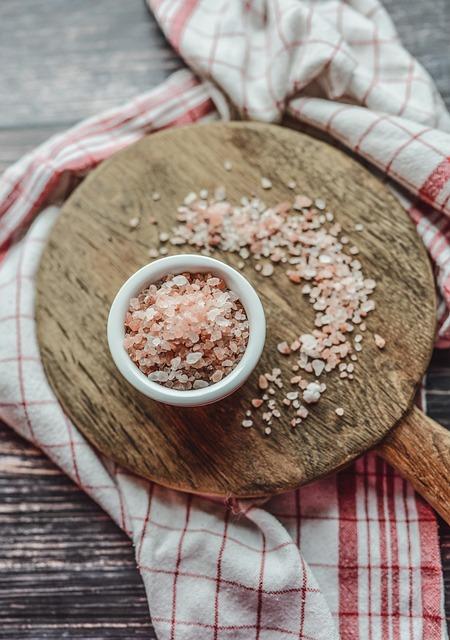
Moreover, the type of salt used can vary the flavor profile as well. For instance, sea salt brings with it subtle mineral notes, while Himalayan pink salt can add an earthiness that complements certain ingredients like chocolate or caramel.
| Type of Salt | Flavor Characteristics |
|---|---|
| Table Salt | Clean and sharp; enhances sweetness |
| Sea Salt | Mineral-rich; adds complexity |
| Himalayan Pink Salt | Earthy and subtle; pairs well with chocolate |
Choosing the Right Type of Salt for Your Ice Cream Maker
When it comes to making ice cream with your ice cream maker, not all salts are created equal. The type of salt you choose can significantly impact the freezing process and the texture of your final product. Here’s a breakdown of some popular salt options:
- Table Salt: This is the most common type of salt, easily accessible and inexpensive. However, its finer grains can easily dissolve and may not create the brine necessary for effective cooling.
- Sea Salt: Slightly coarser than table salt, sea salt can provide a more robust flavor profile while still managing to create the necessary cold brine.
- Rock Salt: Popular for ice-cream-making, rock salt is larger and does a fantastic job of lowering the freezing point of water, leading to a creamier texture. It’s especially effective for traditional churn-style machines.
- Himalayan Pink Salt: Not only does this salt add a unique flavor and color, but it’s also rich in minerals, which can enhance the overall taste of your ice cream.
Ultimately, the choice of salt can affect not just temperature control but also the flavor of your ice cream. Use the table below as a quick reference for comparing the key characteristics of each salt type:
| Type of Salt | Texture | Flavor Impact | Best Use Case |
|---|---|---|---|
| Table Salt | Fine | Mild | General use |
| Sea Salt | Medium | Enhances flavor | Gourmet ice creams |
| Rock Salt | Coarse | Neutral | Traditional machines |
| Himalayan Pink Salt | Coarse | Complex | Artisan treats |
Practical Tips for Using Salt in Homemade Ice Cream
When it comes to making homemade ice cream, seasoning it with salt is not just a culinary trick; it’s a crucial element in achieving that creamy consistency we all crave. Here are some practical tips to effectively use salt in your ice cream making process:
- Select the Right Type of Salt: Coarse salt, like kosher salt or sea salt, is ideal for chilling the ice. Its larger grain size ensures a slower melt, which helps maintain the temperature and create a smoother texture.
- Balance is Key: While salt serves to enhance flavor and lower the freezing point, it’s essential not to overdo it. Generally, about ½ cup of salt for every 4 cups of ice is sufficient. Too much can lead to an overly salty mix.
- Combine with Ice Effectively: Layer the salt evenly with ice when using an ice cream maker. This ensures maximum surface area contact, allowing the cold to transfer quickly and efficiently to your ice cream mixture.
Additionally, the timing of when you add salt can also impact the final product:
| Step | Action |
|---|---|
| Add Ice | Fill your ice cream maker with crushed ice. |
| Layer Salt | Sprinkle an even layer of salt over the ice. |
| Repeat | Continue layering salt and ice until full. |
| Monitor Temperature | Check that the mixture is freezing as expected. |
By keeping these tips in mind, you can make the most of salt’s properties to create delicious, velvety ice cream that’s sure to impress. The key lies in understanding the science behind salt’s interaction with ice and your ice cream mixture.
Common Mistakes to Avoid When Adding Salt to Ice Cream Mix
When it comes to adding salt to your ice cream maker, it’s essential to strike the right balance. Here are some common mistakes to avoid:
- Using Regular Table Salt: While it may seem convenient, table salt can be too fine and may not distribute evenly in the ice bath, leading to inconsistent freezing.
- Overuse of Salt: It’s crucial to remember that more salt does not equal better ice cream. Too much salt can lower the freezing point excessively, preventing the ice cream from achieving that creamy texture.
- Adding Salt Too Early: Timing is everything. Adding salt before the ice is fully packed can lead to premature melting, which compromises the chilling process.
- Ineffective Layering: Failing to layer salt properly between ice can result in uneven cooling. Ensure you alternate layers of ice and salt for the best results.
To further illustrate these common pitfalls, consider the following table that summarizes the ideal salt types and their effects:
| Salt Type | Best Use | Effect on Freezing Point |
|---|---|---|
| Rock Salt | Ideal for ice cream making | Lower freezing point, consistent freezing |
| Table Salt | Not recommended | Can lead to inconsistent freezing |
| Sea Salt | Use sparingly, can be coarse | Similar effect to rock salt, but may require more |
By avoiding these common mistakes and using the right type and amount of salt, you’ll ensure a smoother and more delightful ice cream-making experience.

Exploring Alternative Techniques for Achieving Creamy Ice Cream
While traditional methods of churning ice cream can yield delightful results, exploring alternative techniques can elevate your creamy creations even further. One fascinating approach involves experimenting with various salt concentrations, which not only impacts the freezing point but also enhances the texture of the final product. By understanding how salt interacts with ice, you can harness its unique properties to create an ideal environment for perfect ice cream.
Here are some methods you might consider:
- Ice and Salt Bath: Create a traditional ice cream maker setup using ice and rock salt to lower the temperature, ensuring quick freezing and less ice formation, resulting in a smoother texture.
- Liquid Nitrogen Chilling: For a modern twist, use liquid nitrogen to instantly freeze your mixture, providing an ultra-smooth finish by minimizing ice crystal formation.
- Soaking Ingredients in Saltwater: Briefly soaking your cream or milk in a saltwater solution before the churning process can enhance flavors while also influencing texture.
Another innovative technique involves the use of alternative ingredients that contribute to creaminess without adding excessive fat. These substitutes can offer unique flavors and textures:
| Ingredient | Benefits |
|---|---|
| Avocado | Provides healthy fats and a creamy texture. |
| Coconut Milk | Adds richness and tropical flavor without dairy. |
| Silken Tofu | Creates a velvety mouthfeel while being plant-based. |
By embracing these alternative techniques and experimenting with various ingredients, you can redefine the boundaries of homemade ice cream, ensuring it remains irresistibly creamy and uniquely delicious.
Frequently asked questions
Q&A: Why Add Salt to Ice Cream Maker? The Science Behind It
Q1: Why do we add salt to an ice cream maker?
A1: Adding salt to an ice cream maker is a crucial step in the process of making ice cream. When ice and salt are combined, the salt lowers the freezing point of the ice through a process called freezing point depression. This allows the ice cream mixture to cool more than it would with ice alone, leading to a creamier texture. The cold temperature ensures that the ice cream can freeze quickly enough to prevent large ice crystals from forming, resulting in that delightful smoothness we all love.
Q2: How does the salt affect the freezing process?
A2: When salt is sprinkled onto ice, it disrupts the orderly structure of the ice, which in turn lowers the temperature at which the ice can freeze. This means that instead of the ice remaining at 0 degrees Celsius (32 degrees Fahrenheit), the salted ice can get much colder—down to about -1.9 degrees Celsius (28.6 degrees Fahrenheit) or even lower, depending on the concentration of salt. This lower temperature effectively chills the ice cream mixture more efficiently, hastening the freezing process.
Q3: Is all salt the same when it comes to ice cream making? Can I use any type of salt?
A3: While you can use different types of salt, common table salt (sodium chloride) is usually the most accessible and effective choice for homemade ice cream. However, kosher salt and sea salt can also work well, although they may yield slightly different results due to their varying grain sizes and compositions. The key is to ensure that the salt dissolves properly to achieve the desired freezing effect.
Q4: What happens if you don’t add salt to the ice? Will it still work?
A4: If you skip adding salt, you can still make ice cream, but the process will be less efficient. The ice will only reach the standard freezing point of 0 degrees Celsius, which might not be cold enough to freeze the mixture quickly. This can lead to larger ice crystals and a grainy texture in the final product. So, while it’s technically possible to make ice cream without salt, adding it definitely improves the texture and quality.
Q5: How much salt should I use in my ice cream maker?
A5: Generally, a ratio of 1 cup of salt per 5 to 10 pounds of ice works well, but the exact amount can vary depending on your ice cream maker and the volume of ice you’re using. It’s best to experiment a little to find what works best for your specific setup. Just remember that more salt can lead to a lower temperature, but too much salt can also make the ice cream taste overly salty if it’s accidentally mixed into the mixture.
Q6: Are there any alternatives to using salt in an ice cream maker?
A6: While salt is the traditional method, some people experiment with other materials like rock salt or even ice cream salt (a specific type of coarse salt). These alternatives can work similarly because they also lower the freezing point of the ice. However, these methods still rely on the same scientific principles, so while you might use different materials, the result will largely be the same: a smoother and creamier ice cream!
Q7: Can you explain the science of freezing point depression a bit more?
A7: Sure! Freezing point depression occurs when a solute (in this case, salt) is added to a solvent (ice) causing the freezing point of the solvent to drop. When the salt dissolves in the small amount of water that’s present on the surface of the ice, it prevents the ice from forming a solid structure at its usual freezing point. Instead, more energy (in the form of lower temperatures) is required to freeze the solution. This principle is widely used in various applications beyond ice cream making, such as in de-icing roads!
With this Q&A, we hope to provide a clear understanding of the importance of adding salt to ice in the ice cream making process and the scientific principles that make it so effective. Enjoy your ice cream making adventure!
Wrapping Up
adding salt to your ice cream maker isn’t just a quirky trick; it’s a fascinating interplay of chemistry and temperature control that elevates your homemade treat to creamy perfection. By lowering the freezing point of the ice, salt creates an ultra-cold environment that churns your ingredients into smooth, delectable ice cream. So, next time you whip up a batch of your favorite frozen dessert, remember the science behind the scoop—adding salt takes your ice cream game to the next level. Happy churning!