Are Sardines Endangered? The Current Status
Hold onto your fishing nets, folks! If you’ve ever pondered the future of our slippery little friends known as sardines, you’re in for a splashy surprise. In this deep dive into the current status of sardines, we’ll explore whether these pint-sized powerhouses are swimming towards the brink of peril or simply enjoying a leisurely lap around the ocean. With their omega-3-packed goodness and a reputation for being the seafood superstar, sardines are more than just a snack; they’re a vital part of our marine ecosystem. So grab your magnifying glass and let’s investigate whether these fish are facing their worst catch or is it just another day in the school of hard knocks. Join us on this fin-tastic journey to find out: Are sardines endangered?

Article Contents
- Understanding Sardine Populations: A Look at Their Current Status
- The Role of Sardines in Marine Ecosystems and Human Diets
- Threats to Sardine Stocks: Overfishing and Environmental Changes
- Regional Variations: Sardine Status Around the World
- Sustainable Fishing Practices: What Can Be Done?
- Consumer Choices: How You Can Contribute to Sardine Conservation
- The Importance of Research and Monitoring in Conservation Efforts
- Future Prospects for Sardines: Hope for Recovery and Sustainability
- Faq
- Concluding Remarks
Understanding Sardine Populations: A Look at Their Current Status
Sardine populations have long been a focal point of marine ecology, showcasing the delicate balance that exists within ocean ecosystems. Currently, the status of these small fish varies significantly across different regions, influenced by factors such as overfishing, climate change, and habitat degradation. Understanding their dynamics is crucial for effective conservation efforts.
Recent assessments indicate that sardine stocks have faced considerable pressures, leading to fluctuating population numbers. Some areas report a decline, while others show signs of recovery due to stringent regulations and sustainable fishing practices. Here are some key factors impacting sardine populations:
- Overfishing: Unsustainable fishing practices have drastically reduced sardine numbers in specific regions.
- Climate Change: Temperature alterations and shifting ocean currents affect spawning and feeding patterns.
- Pollution: Contaminants in coastal waters can disrupt the health and reproductive capabilities of sardine populations.
In a recent study, a survey of global sardine stocks revealed the following insights:
| Region | Status | Contributing Factors |
|---|---|---|
| Atlantic Ocean | Declining | Overfishing, bycatch |
| Pacific Ocean | Stable | Robust management practices |
| Mediterranean Sea | Vulnerable | Overfishing, habitat loss |
The Role of Sardines in Marine Ecosystems and Human Diets
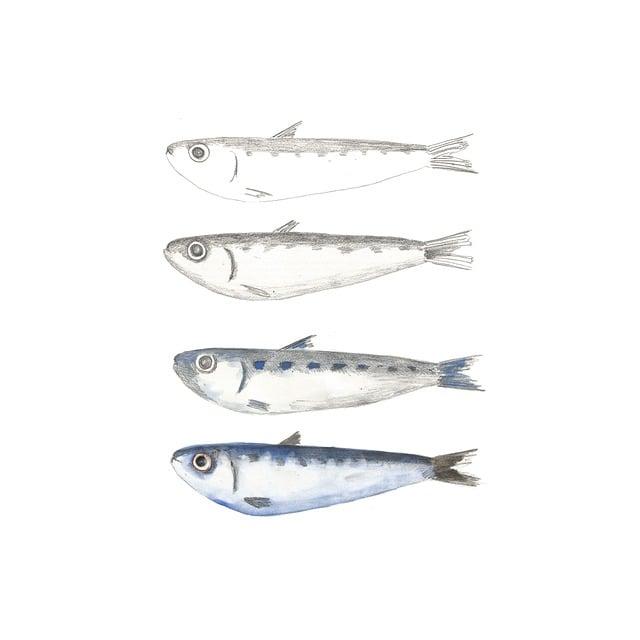
Sardines play a pivotal role in maintaining the balance of marine ecosystems. As small, schooling fish, they serve as a key source of food for a variety of predators, including larger fish, seabirds, and marine mammals. By feeding on plankton, sardines help regulate the population of these tiny organisms, which are essential for the health of aquatic food webs. Their presence contributes to nutrient cycling in the ocean, supporting a diverse range of life forms.
In addition to their ecological importance, sardines are a staple in many human diets around the world. They are rich in essential nutrients, providing valuable sources of:
- Omega-3 fatty acids – Great for heart health and cognitive function.
- Vitamin B12 – Essential for nerve function and DNA production.
- Calcium – Important for bone health.
These nutritious fish are often consumed fresh, canned, or as part of various culinary dishes, making them not only a sustainable seafood choice but also a healthy addition to diets globally.
| Nutrition per 100g | Amount |
|---|---|
| Calories | 208 |
| Protein | 25g |
| Fat | 11.5g |
| Omega-3 | 2.2g |

Threats to Sardine Stocks: Overfishing and Environmental Changes
The delicate balance of sardine populations is increasingly threatened by two significant factors: overfishing and environmental changes. Sardines are vital not only for marine ecosystems but also for the fishing industry and local economies. Unfortunately, their survival is jeopardized by unsustainable fishing practices and shifts in their habitats due to climate change.
Overfishing has emerged as one of the most pressing issues facing sardine stocks today. The demand for sardines has surged, driven by their popularity as a food source and their use in various culinary dishes. This has led to increased fishing activity, often exceeding sustainable limits. Some consequences of overfishing include:
- Population Decline: Intensive fishing can deplete populations to critical levels.
- Altered Ecosystem Dynamics: Removing large quantities of sardines can disrupt marine food webs.
- Economic Impact: A decline in sardine stocks can adversely affect fisheries and communities reliant on them.
In addition to overfishing, environmental changes play a crucial role in the health of sardine populations. Factors such as rising sea temperatures, ocean acidification, and changing currents directly affect sardine breeding and migration patterns. Notable effects include:
- Shifts in Distribution: Warmer waters may force sardines to migrate to cooler regions.
- Altered Breeding Seasons: Changes in water temperature can impact spawning times and success rates.
- Food Availability: Disruption of the availability of plankton, which serves as the primary food source for sardines.
Given these threats, the future of sardine stocks hangs in the balance, necessitating immediate conservation efforts and the implementation of sustainable fishing policies to secure their survival for generations to come.
Regional Variations: Sardine Status Around the World
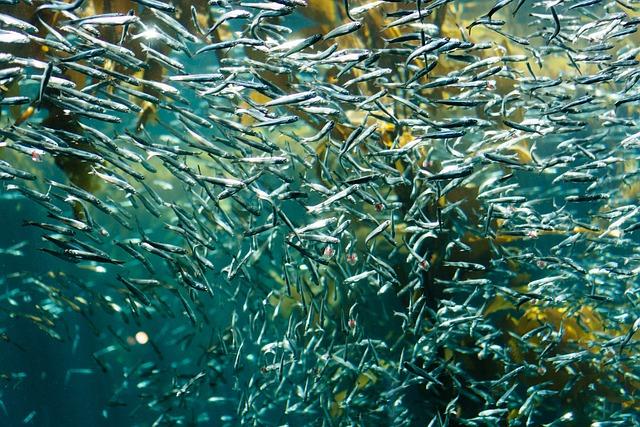
The status of sardine populations varies significantly across different regions, influenced by factors such as local fishing practices, conservation measures, and environmental conditions. In the Pacific, for instance, the California sardine has experienced dramatic fluctuations in numbers, prompting conservationists to approach fishing quotas with caution. **Sustainable fishing practices** are being emphasized to ensure the recovery of these stocks, particularly in the face of climate change and habitat degradation.
Meanwhile, in the Mediterranean, sardine populations are more stable, thanks to stringent regulations that limit catches and promote breeding. Countries like Spain and Portugal, known for their rich maritime traditions, have begun focusing on **eco-labeling initiatives** to distinguish sustainably caught sardines from those harvested unsustainably. Such efforts not only safeguard the fishery but also support the local economy.
In the Atlantic, the situation varies. For example, while the stock in the Northwest Atlantic is considered to be overfished, the Southwest Atlantic reports healthier sardine populations. Below is a summary of sardine statuses by region:
| Region | Status | Conservation Measures |
|---|---|---|
| Pacific (California) | Fluctuating | Strict quotas, habitat restoration |
| Mediterranean | Stable | Eco-labeling, regulated catch limits |
| Northwest Atlantic | Overfished | Rebuilding plans, reduced quotas |
| Southwest Atlantic | Healthy | Monitoring programs, sustainable fishing agreements |
Ultimately, protecting sardine populations requires a collaborative effort among nations to share best practices and implement effective management strategies. Each region’s unique challenges and successes play a pivotal role in the global status of sardines, highlighting the need for both local action and international cooperation.

Sustainable Fishing Practices: What Can Be Done?
Maintaining the health of marine ecosystems while ensuring the sustainability of fish populations is paramount. Implementing certain practices can significantly contribute to the preservation of species like sardines and the ecosystem they inhabit. Here are some effective measures that can be adopted:
- Establishing Marine Protected Areas (MPAs): Designating specific regions where fishing is restricted or prohibited to allow populations to recover and thrive.
- Utilizing Selective Fishing Gear: Employing nets and traps that minimize bycatch, enabling non-target species to escape unharmed.
- Adopting Quota Systems: Implementing catch limits based on scientific data to prevent overfishing and ensure sustainable stocks.
- Promoting Responsible Consumer Choices: Educating consumers about sustainable seafood options can drive demand for responsibly sourced products.
- Encouraging Community Involvement: Engaging local fishermen in sustainability initiatives fosters a collaborative approach to conservation and resource management.
Moreover, transparency in the fishing industry can empower consumers to make informed choices. Below is a simple overview of the effectiveness of various sustainable fishing methods:
| Method | Effectiveness | Benefits |
|---|---|---|
| Marine Protected Areas | High | Restores habitats, increases fish populations |
| Selective Fishing Gear | Medium | Reduces bycatch, protects juvenile species |
| Quota Systems | High | Prevents overfishing, ensures fishery sustainability |
| Consumer Education | Medium | Drives demand for sustainable products |
| Community Involvement | High | Promotes stewardship and local engagement |
Consumer Choices: How You Can Contribute to Sardine Conservation
Making informed decisions as a consumer can significantly impact sardine populations and their sustainability. Here are some effective ways you can help:
- Choose Sustainable Sources: Look for certifications like MSC (Marine Stewardship Council) or ASMI (Alaska Seafood Marketing Institute) when purchasing sardines. These labels indicate that the seafood is sourced sustainably.
- Support Local Fisheries: Engaging with local fisheries that practice responsible fishing methods not only boosts the local economy but also helps reduce overfishing pressures on sardine stocks.
- Mind Your Portion Sizes: Being mindful about how much sardine you consume can reduce demand. Consider alternatives and diversify your seafood choices to lessen the strain on sardine populations.
Additionally, staying informed about the health of sardine stocks and sharing this knowledge within your community can amplify your impact. You might even consider participating in or donating to conservation initiatives that specifically target sardine sustainability. Every small effort contributes to the broader goal of ensuring that future generations can enjoy this vital seafood resource.

The Importance of Research and Monitoring in Conservation Efforts
Research and monitoring play a pivotal role in shaping effective conservation strategies, particularly for species under threat like sardines. To understand the full scope of their population dynamics and habitat needs, it is essential to gather data through:
- Population assessments: Regular surveys help in estimating the number of sardines and understanding their reproductive patterns.
- Habitat monitoring: Investigating the environmental factors affecting sardine populations ensures we can identify critical habitats that need protection.
- Fishery statistics: Analyzing catch data assists in assessing the sustainability of fishing practices and their impact on sardine stocks.
These components not only aid in tracking the current status of sardines but also inform management decisions. By developing a comprehensive understanding of their life cycles, scientists and conservationists can better address issues such as overfishing, climate change, and habitat degradation. Effective monitoring leads to informed dialogues among policymakers, stakeholders, and the public, making it a cornerstone of successful conservation efforts.
| Monitoring Method | Purpose | Outcome |
|---|---|---|
| Catch Surveys | Evaluate fishing impact | Informed quotas |
| Environmental Sampling | Assess habitat quality | Habitat restoration plans |
| Population Genetics | Understand genetic diversity | Improved breeding programs |

Future Prospects for Sardines: Hope for Recovery and Sustainability
The outlook for sardines, once on the brink of severe decline, is increasingly optimistic as various stakeholders commit to sustainable practices and recovery programs. Numerous initiatives are fostering a balanced ecosystem, ensuring that sardine populations can regain their healthy numbers. The key components driving this hopeful trajectory include:
- Strict Fishing Quotas: Regulatory bodies are implementing and enforcing annual quotas that align with scientific assessments of sardine stocks. This control helps prevent overfishing.
- Protected Marine Areas: Establishing marine reserves allows populations to reproduce and thrive without the pressures of fishing, providing critical habitats essential for their life cycles.
- Research and Monitoring: Continuous research into sardine behavior and habitats ensures that management practices are based on current data, fostering adaptability in response to environmental changes.
Supporting these efforts, the fishing industry is increasingly aware of its role in preserving marine biodiversity. Sustainable fishing practices are being adopted that not only protect sardine populations but also enhance the overall ecosystem health. Consumers can play a vital role by choosing products that are certified as sustainably sourced, further encouraging fisheries to adopt responsible methods.
Collaboration among governments, environmental organizations, and the fishing community is crucial. By sharing knowledge, resources, and best practices, these groups can work together to ensure that sardines—and the ecosystems they inhabit—continue to thrive for generations to come.
Faq
Q&A: Are Sardines Endangered? The Current Status
Q1: What is the current status of sardines in terms of endangerment?
A1: Sardines are not currently classified as endangered. However, their populations have shown significant fluctuations over the years due to various factors, including overfishing, environmental changes, and alterations in their habitats. While specific species may be more vulnerable than others, the general population status varies by region.
Q2: What factors contribute to the decline of sardine populations?
A2: Several factors can contribute to the decline of sardine populations, including overfishing practices that exceed sustainable levels, changes in ocean temperatures, and alterations in prey availability. Additionally, pollution and habitat degradation can negatively impact their breeding grounds, further stressing the populations.
Q3: Are all sardine species affected equally?
A3: Not all sardine species are affected equally. Different species may thrive in various oceanic conditions and have different reproductive rates. For instance, the Pacific sardine has experienced more significant fluctuations in population than the European sardine, often due to local fishing practices and environmental factors.
Q4: How do fishing practices impact sardine populations?
A4: Unsustainable fishing practices can have a profound effect on sardine populations. For example, using large nets or other methods that catch everything in their path can lead to overexploitation. This can disrupt the balance of marine ecosystems, affecting not just sardines but many other species that share their habitat.
Q5: What measures are in place to protect sardine populations?
A5: Many countries have implemented fishing quotas and regulations to help sustain sardine populations. These measures include size limits on catches, closed seasons during breeding periods, and protected marine areas. International collaborations also play a role in managing stocks that are fished across borders to ensure that sardine populations remain viable.
Q6: What can consumers do to help ensure the sustainability of sardines?
A6: As consumers, choosing sustainably sourced seafood is crucial. Look for certifications from organizations like the Marine Stewardship Council (MSC) when purchasing sardines. Additionally, supporting local fisheries that practice sustainable methods and advocating for policies aimed at ocean conservation can contribute to the health of sardine populations.
Q7: What does the future hold for sardines?
A7: The future of sardines depends on the collective efforts to manage their populations sustainably and preserve their habitats. While current measures are in place, continuous monitoring, research, and adjustments to fishing practices are critical. With responsible stewardship and consumer support, we can help ensure the long-term survival of sardines and maintain the ecosystems they inhabit.
Concluding Remarks
while sardines are not currently classified as endangered, their populations face various threats that could impact their future. Sustainable fishing practices, habitat preservation, and mindful consumer choices are crucial for ensuring these little fish continue to thrive in our oceans. By understanding the current status of sardines and advocating for responsible management, we can enjoy their benefits without compromising their existence. As we move forward, it’s essential that we remain informed and proactive, fostering a healthy balance between our seafood consumption and the health of marine ecosystems. Let’s make sure that the playful presence of sardines remains a common sight in our oceans for generations to come!