Are Sardines Good for Cholesterol? Heart Health
When it comes to keeping your heart in tip-top shape, you might be tempted to steer clear of anything that swims. But hold on! Before you pass on the pint-sized protein-packed wonder that is the sardine, let’s dive into why these little fish could be just what your heart doctor ordered. Packed with omega-3 fatty acids, vitamins, and a sprinkle of humor, sardines might just be the unsung heroes of cholesterol control. So, grab your fork and get ready to find out why these tinny treasures can make a splash in your heart health—without the fishy business!

Article Contents
- Understanding Cholesterol and Its Impact on Heart Health
- The Nutritional Profile of Sardines and Their Benefits
- How Sardines Contribute to Healthy Cholesterol Levels
- Omega-3 Fatty Acids: The Heart-Healthy Component in Sardines
- Incorporating Sardines into Your Diet: Tips and Recipes
- Potential Risks and Considerations When Eating Sardines
- Conclusion: Making Sardines a Part of a Heart-Healthy Lifestyle
- Q&A
- To Wrap It Up
Understanding Cholesterol and Its Impact on Heart Health
Cholesterol is a waxy substance that’s found in your blood, and while it is essential for forming cell membranes and certain hormones, having too much can lead to heart disease. Understanding the balance of good and bad cholesterol—specifically HDL (high-density lipoprotein) and LDL (low-density lipoprotein)—is crucial for maintaining heart health. Here are some key points to consider:
- HDL cholesterol: Often referred to as “good” cholesterol, HDL helps remove other forms of cholesterol from your bloodstream.
- LDL cholesterol: Known as “bad” cholesterol, high levels can lead to plaque buildup in the arteries, increasing the risk of heart problems.
- Diet and lifestyle: Choices such as exercising regularly, avoiding trans fats, and consuming heart-healthy foods can significantly influence cholesterol levels.
Including nutrient-dense foods in your diet is vital for managing cholesterol levels. Sardines, for example, are a powerhouse of omega-3 fatty acids, which are known to improve heart health by lowering triglycerides, reducing blood pressure, and preventing blood clots. These tiny fish are also rich in protein and important vitamins like B12 and D, making them a stellar option for those looking to support their cardiovascular health.
| Nutrient | Amount per 100g |
|---|---|
| Omega-3 Fatty Acids | 2.2 g |
| Protein | 25 g |
| Vitamin B12 | 8.9 µg |
Incorporating sardines into your diet not only provides essential nutrients but also promotes better cholesterol balance, contributing to improved heart health overall.
The Nutritional Profile of Sardines and Their Benefits
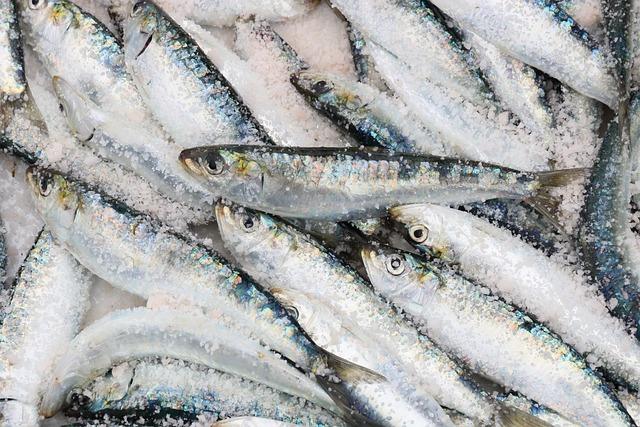
Sardines are a powerhouse of nutrition, packing an impressive array of essential nutrients that can significantly contribute to overall health, particularly heart health. Rich in **omega-3 fatty acids**, these small fish are known for their ability to lower triglycerides and reduce inflammation, making them a heart-healthy choice for those concerned about cholesterol levels. Additionally, sardines are an excellent source of **protein**, aiding in muscle repair and growth.
When it comes to vitamins and minerals, sardines shine with their **high content of vitamin B12**, which is crucial for brain health and red blood cell formation. They also provide significant amounts of **vitamin D** and **calcium**, essential for bone health and immune function. Below is a quick overview of the nutritional profile:
| Nutrient | Per 100g Serving |
|---|---|
| Calories | 208 |
| Protein | 25g |
| Omega-3 Fatty Acids | 2g |
| Calcium | 382mg |
| Vitamin B12 | 8.9µg |
The benefits of including sardines in your diet extend beyond cholesterol management. Regular consumption can improve **heart function**, support **brain health**, and aid in **bone density** thanks to their rich nutrient profile. With their unique combination of vitamins, minerals, and healthy fats, sardines may just be the heart-friendly food you’ve been looking for.

How Sardines Contribute to Healthy Cholesterol Levels
Sardines are a powerhouse of nutrients that play a significant role in promoting healthy cholesterol levels. These small fish are rich in omega-3 fatty acids, which have been consistently linked to improved cardiovascular health. Here are some of the key ways in which sardines contribute to maintaining healthy cholesterol:
- High in Omega-3 Fatty Acids: Omega-3s help lower triglycerides in the bloodstream and may also assist in increasing HDL (high-density lipoprotein), often referred to as the “good” cholesterol.
- Sourced from Sustainable Waters: Sardines are usually caught in cleaner, cooler oceans, which tend to provide a healthier environment for fish. This contributes to lower levels of contaminants, making them a safer choice for regular consumption.
- Rich in Nutrients: Sardines are loaded with vitamins B12 and D, calcium, and selenium, all of which support overall heart health and metabolic functions.
Incorporating sardines into your diet can be quite simple, as they can be enjoyed in various recipes or eaten straight from the can. Here’s how sardines stack up in terms of nutrition that impacts cholesterol health:
| Nutrient | Amount per 3.75 oz (canned in water) |
|---|---|
| Calories | 191 |
| Omega-3 Fatty Acids | 2,200 mg |
| Protein | 22 g |
| Saturated Fat | 3 g |
| Cholesterol | 90 mg |
By integrating sardines into a balanced diet, you not only enjoy their remarkable flavor but also actively engage in the pursuit of maintaining optimal cholesterol levels and overall heart health.

Omega-3 Fatty Acids: The Heart-Healthy Component in Sardines
When it comes to heart health, few nutrients are as celebrated as omega-3 fatty acids, which are abundantly found in sardines. These essential fats play a crucial role in reducing inflammation and improving cholesterol levels, making sardines a heart-healthy choice for anyone looking to optimize their cardiovascular health.
Incorporating sardines into your diet can offer numerous benefits:
- Lower LDL Cholesterol: Omega-3s help reduce levels of low-density lipoprotein (LDL) cholesterol, often referred to as ”bad” cholesterol, which contributes to heart disease.
- Increase HDL Cholesterol: Regular consumption of omega-3-rich foods like sardines can elevate high-density lipoprotein (HDL) cholesterol, the “good” cholesterol that protects your heart.
- Anti-inflammatory Properties: Omega-3 fatty acids possess anti-inflammatory qualities that can aid in the prevention of heart-related conditions.
Besides their rich omega-3 content, sardines are also packed with protein, vitamins, and minerals, making them a holistic superfood for heart health. A simple serving of sardines can contribute significantly to your daily nutritional needs, all while promoting a healthier heart.

Incorporating Sardines into Your Diet: Tips and Recipes
Incorporating sardines into your diet can be a flavorful and nutritious choice for heart health. These small fish are packed with omega-3 fatty acids, which have been shown to lower bad cholesterol (LDL) levels and raise good cholesterol (HDL) levels. Here are some simple ways to add sardines to your meals:
- Sardine Salad: Mix canned sardines with greens, cherry tomatoes, and a drizzle of olive oil and lemon juice for a refreshing salad.
- Pasta Dish: Toss sardines with whole-grain pasta, garlic, and spinach for a quick and hearty dinner.
- On Toast: Mash sardines with avocado and spread it on whole-grain toast for a nutrient-dense snack.
- In Wraps: Add sardines to whole wheat wraps with fresh vegetables for a portable lunch option.
For those interested in cooking more elaborate dishes, sardines also shine in recipes like:
| Recipe | Main Ingredients | Cooking Time |
|---|---|---|
| Sardine Tacos | Sardines, corn tortillas, cabbage, salsa | 20 minutes |
| Sardine Pâté | Sardines, cream cheese, lemon, herbs | 10 minutes |
| Sardine and Tomato Stew | Sardines, canned tomatoes, onions, spices | 30 minutes |
With a wealth of recipes at your fingertips, you can enjoy the heart-healthy benefits of sardines while delighting your taste buds. Whether straight from the can or grilled, these fish can easily be integrated into your meals, making healthy eating both satisfying and delicious.
Potential Risks and Considerations When Eating Sardines
While sardines are often praised for their numerous health benefits, it’s essential to consider potential risks and factors that might affect your health when incorporating them into your diet. A few noteworthy points include:
- Mercury Content: Like many fish, sardines can contain trace amounts of mercury. Although sardines generally have lower mercury levels than larger fish, it’s still advisable to consume them in moderation, especially for pregnant women and young children.
- High Sodium Levels: Many canned sardines are preserved in salt, leading to higher sodium content. Excessive sodium intake can contribute to hypertension and other cardiovascular issues. Opting for low-sodium varieties or rinsing them before consumption can help mitigate this concern.
- Allergic Reactions: Some individuals may experience allergies or sensitivities to seafood, which could lead to adverse reactions. It’s vital to monitor any unusual symptoms after consumption if you are new to eating sardines.
Another aspect to ponder is the impact on specific dietary needs. For instance, people with certain health conditions or dietary restrictions may find that the omega-3 fatty acids and protein in sardines fit perfectly in their meal plan, while others might need to be cautious about their intake due to other factors. Always consider consulting a healthcare professional if you’re uncertain about how sardines may fit into your overall nutrition.
| Consideration | Details |
|---|---|
| Allergy | Potential allergic reactions for some individuals |
| Sodium Intake | Watch sodium levels; opt for low-sodium versions |
| Mercury Levels | Lower in sardines but present; consume in moderation |
Conclusion: Making Sardines a Part of a Heart-Healthy Lifestyle
Incorporating sardines into your diet is not just a delicious choice but also a powerful way to promote heart health. These small fish are nutrient-dense and provide numerous benefits that can contribute to maintaining healthy cholesterol levels and cardiovascular wellness. Here are some reasons to consider making sardines a staple in your meals:
- Rich in Omega-3 Fatty Acids: Sardines are an excellent source of omega-3s, known for their ability to lower triglycerides and reduce inflammation.
- High in Protein: With a substantial protein content, they promote satiety and can help in weight management, which is crucial for heart health.
- Vitamin D and Calcium: Sardines are not only beneficial for cholesterol but also provide essential nutrients like vitamin D and calcium that support overall health.
- Low in Mercury: Compared to larger fish, sardines have lower mercury levels, making them a safer option for regular consumption.
making sardines a regular part of your diet can profoundly impact your heart health. Whether enjoyed on a salad, in a pasta dish, or simply on whole-grain crackers, these nutrient-packed fish offer versatility and flavor that keep your meals exciting while supporting a heart-healthy lifestyle. Adopting a holistic approach, incorporating physical activity, and choosing nutrient-dense foods like sardines can lead to healthier cholesterol levels and improved overall cardiovascular well-being.
Q&A
Q&A: Are Sardines Good for Cholesterol? Heart Health
Q: What exactly are sardines, and what makes them a good option for heart health?
A: Sardines are small, oily fish that belong to the herring family. They are packed with omega-3 fatty acids, which are known for their heart-healthy benefits. These healthy fats can help lower blood pressure, reduce triglycerides, and decrease inflammation, all of which are crucial for maintaining cardiovascular health. In addition, sardines are rich in protein, vitamins (like B12 and D), and essential minerals such as calcium and selenium.
Q: How do sardines affect cholesterol levels specifically?
A: Sardines can help improve cholesterol levels in a couple of ways. The omega-3 fatty acids found in sardines can lower levels of triglycerides, which is one type of fat found in your blood. They may also help increase HDL (the “good” cholesterol) while keeping LDL (the “bad” cholesterol) in check. This balance is important for reducing the risk of heart disease.
Q: Can eating sardines regularly really make a difference for heart health?
A: Yes, incorporating sardines into a balanced diet can contribute positively to heart health. Eating fish high in omega-3s, like sardines, at least twice a week is recommended by many health organizations. When paired with a diet rich in fruits, vegetables, whole grains, and other lean proteins, sardines can play a significant role in maintaining heart health and managing cholesterol levels.
Q: How should I prepare sardines to maximize their health benefits?
A: The great thing about sardines is that they are incredibly versatile! You can enjoy them grilled, baked, or straight from the can. When choosing canned sardines, look for those packed in water or olive oil, as they tend to be healthier options. You can add them to salads, pasta dishes, or even make a delicious sardine spread. Just remember to watch out for added salts and sugars in canned varieties!
Q: Are there any potential downsides to eating sardines?
A: While sardines are generally safe and healthy for most people, moderation is key. Due to their small size, sardines are low in mercury, but it’s still wise to limit seafood intake if you are pregnant or breastfeeding. Additionally, if you are watching your sodium levels for health reasons, it’s important to check the labels of canned sardines, as some can be high in salt.
Q: Can everyone eat sardines, or are there any dietary restrictions to consider?
A: Sardines can be beneficial for most people, but individuals with seafood allergies, certain health conditions, or those who are advised against consuming omega-3s should consult with a healthcare provider. If you have dietary restrictions you’re uncertain about, it’s always a good idea to discuss your options with a nutritionist or doctor.
Q: should I consider adding sardines to my diet?
A: Absolutely! Sardines represent a simple, nutritious addition to your diet that can promote heart health. With their rich nutrient profile and positive impact on cholesterol, they’re worth considering as a staple in your weekly meal planning—just remember to enjoy them as part of a varied, balanced diet.
To Wrap It Up
when it comes to managing cholesterol and promoting heart health, sardines truly shine as a nutritional powerhouse. Packed with omega-3 fatty acids, high-quality protein, and essential vitamins, they not only contribute to lowering bad cholesterol levels but also support overall cardiovascular function. Incorporating sardines into your meals can be a delicious and heart-friendly choice, whether enjoyed straight from the can, tossed into salads, or blended into flavorful spreads. As always, it’s essential to balance your diet with a variety of foods and consult with a healthcare professional for personalized advice. So why not add a little sardine magic to your plate and take a delicious step towards a healthier heart? Your taste buds—and your heart—will thank you!