Can Dogs Eat Sardines? A Guide for Pet Owners
Are you a devoted pet parent contemplating the culinary options for your furry friend? If you’ve ever pondered whether Fido can join you for a taste of the ocean with a sardine or two, you’re not alone! “Can Dogs Eat Sardines? A Guide for Pet Owners” is here to dive into the depths of this fishy dilemma. Explore the nutritional benefits, potential risks, and even some creative serving suggestions that will have your pup wagging his tail with glee. Whether you’re a pet owner looking to spice up mealtime or just curious about adding a little seafood flair to your dog’s diet, we’ve got all the scoop—no fishing poles required! So grab your favorite treat and let’s swim through the facts, because when it comes to snacking, who says dogs can’t have a taste of the sea?
Article Contents
- Understanding the Nutritional Benefits of Sardines for Dogs
- Potential Risks of Feeding Sardines to Your Dog
- How to Safely Introduce Sardines into Your Dogs Diet
- Recommended Serving Sizes and Frequency for Dogs
- Choosing the Right Type of Sardines for Your Pet
- Signs of Allergic Reactions or Intolerance in Dogs
- Creative Ways to Incorporate Sardines into Homemade Dog Treats
- Consulting Your Veterinarian About Seafood in Your Dogs Diet
- Faq
- Future Outlook
Understanding the Nutritional Benefits of Sardines for Dogs
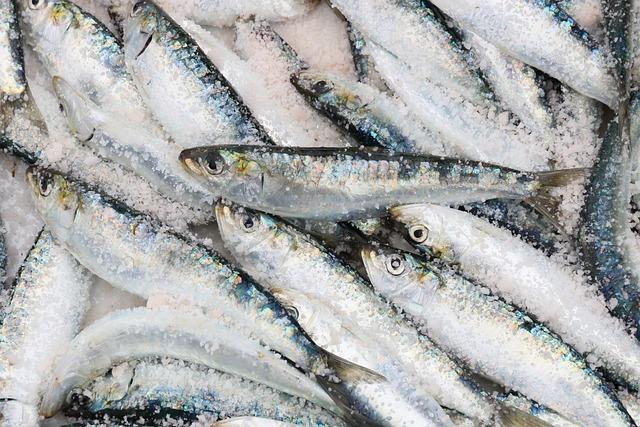
Sardines are a powerhouse of nutrition that can offer significant health benefits for dogs. These small fish are rich in essential fatty acids, particularly omega-3, which promotes a healthy coat and skin, reduces inflammation, and supports overall heart health. By including sardines in your dog’s diet, you are providing them with a natural source of vital nutrients that contribute to their well-being.
Here are some of the key nutritional benefits of sardines for dogs:
- High in Protein: Sardines are an excellent source of protein, which is essential for building and repairing tissues, as well as maintaining muscle mass.
- Rich in Omega-3 Fatty Acids: These healthy fats play a crucial role in supporting brain function, reducing joint pain, and promoting a shiny coat.
- Source of Vitamins and Minerals: Sardines provide important vitamins such as B12 and D, along with minerals like calcium, phosphorus, and selenium, all of which support overall health.
Incorporating sardines into your dog’s diet can be as simple as serving canned sardines packed in water (without salt) or fresh sardines cooked without oil or seasoning. Always moderate portions based on your dog’s size and dietary needs to avoid overfeeding.
Potential Risks of Feeding Sardines to Your Dog
While sardines can offer several benefits to dogs, there are also potential risks that pet owners should consider before adding them to their dog’s diet. It’s crucial to ensure that sardines are served in moderation, as overfeeding may lead to unwanted health issues. Here are some important considerations:
- High Sodium Content: Sardines are often stored in brine or oil, which can significantly increase their sodium levels. High sodium intake may lead to dehydration or exacerbate conditions like heart disease in dogs.
- Thyroid Issues: Fish, including sardines, contain small amounts of iodine. While iodine is essential for thyroid function, excessive iodine may lead to hyperthyroidism. It’s especially pertinent for dogs with pre-existing thyroid conditions.
- Allergies: Some dogs may develop allergies to fish, including sardines. Watch for symptoms such as itching, redness, or gastrointestinal upset after introducing this new food.
Moreover, when considering sardines for your canine companion, be mindful of the source. Some sardines can harbor toxins such as mercury, which can accumulate and pose health risks over time. Here’s a quick reference for potential toxins associated with common fish:
| Fish Type | Potential Toxins |
|---|---|
| Sardines | Low mercury; safer choice |
| Tuna | High mercury |
| Salmon | Potential for parasites |
while sardines can be a nutritious addition to your dog’s diet, it’s essential to weigh the benefits against these potential risks. Consulting with your veterinarian before introducing new foods is always a wise approach to ensure your furry friend’s health and well-being.
How to Safely Introduce Sardines into Your Dogs Diet
Introducing sardines into your dog’s diet can be a healthy addition, but it’s essential to do so with caution. Here are some key points to consider:
- Choose the Right Type: Opt for fresh or canned sardines in water. Avoid those in oil or sauce, as additives can be harmful to dogs.
- Start Slow: Begin by offering a small portion, such as half a sardine, to gauge your dog’s reaction. Monitor for any allergies or digestive discomfort.
- Frequency: Limit sardine servings to 1-2 times a week to maintain a balanced diet. Excessive consumption can lead to an imbalance in nutrition.
When incorporating sardines, it’s essential to consider their sodium content, particularly in canned varieties. Here’s a quick comparison of sodium levels:
| Sardine Type | Sodium Content (per 100g) |
|---|---|
| Canned Sardines in Water | 300 mg |
| Canned Sardines in Oil | 800 mg |
| Fresh Sardines | 60 mg |
By keeping these guidelines in mind, you can safely share the benefits of sardines with your furry companion while ensuring they remain healthy and happy.

Recommended Serving Sizes and Frequency for Dogs
When it comes to introducing sardines into your dog’s diet, it’s essential to consider the appropriate serving sizes and frequency. Sardines can be a nutritious addition, rich in omega-3 fatty acids, protein, and essential vitamins, but moderation is key to avoid any adverse effects.
Recommended Serving Sizes:
- For small dogs (up to 20 lbs): 1/4 to 1/2 sardine once a week.
- For medium dogs (21 to 50 lbs): 1/2 to 1 sardine twice a week.
- For large dogs (51 lbs and up): 1 to 2 sardines two to three times a week.
Always ensure that the sardines are packed in water and free of additives. Avoid give sardines that are packed in oil or brine, as they can lead to unnecessary fat and sodium intake. Consulting with your veterinarian can help tailor these recommendations based on your dog’s specific health needs.
| Dog Size | Serving Size | Frequency |
|---|---|---|
| Small (up to 20 lbs) | 1/4 to 1/2 sardine | Once a week |
| Medium (21 to 50 lbs) | 1/2 to 1 sardine | Twice a week |
| Large (51 lbs and up) | 1 to 2 sardines | Two to three times a week |

Choosing the Right Type of Sardines for Your Pet
When selecting sardines for your canine companion, it’s essential to consider several factors to ensure you’re providing a healthy treat. Here’s what to keep in mind:
- Freshness: Always opt for freshly packed sardines. They should not have an unpleasant smell or any signs of spoilage.
- Type: Look for sardines in spring water or olive oil rather than in sauces that might contain harmful ingredients. Avoid those with added flavors or preservatives.
- Wild-Caught vs. Farmed: Wild-caught sardines tend to have a healthier fatty acid profile and fewer contaminants compared to their farmed counterparts.
Moreover, here’s a quick comparison of types of sardines you may come across:
| Sardine Type | Benefits | Considerations |
|---|---|---|
| Fresh Sardines | High in Omega-3 fatty acids | Must be cooked properly |
| Canned Sardines in Water | Convenient and packed with nutrients | Check for BPA-free cans |
| Canned Sardines in Oil | Enhances palatability | Watch for added salt |
By understanding these elements, you can readily choose the right type of sardines that will complement your dog’s diet while ensuring they enjoy a tasty, nutritious snack.

Signs of Allergic Reactions or Intolerance in Dogs
When introducing any new food into your dog’s diet, such as sardines, it’s crucial to monitor for potential signs of allergic reactions or intolerances. While sardines can be a nutritious treat, they may not be suitable for every dog. Keep an eye out for the following symptoms:
- Itching or Scratching: Excessive scratching, rubbing, or licking may indicate an allergic reaction.
- Digestive Issues: Vomiting, diarrhea, or gas can signal that your dog’s stomach is reacting poorly to sardines.
- Ear Infections: Frequent ear infections or inflammation might suggest food allergies, including sensitivity to sardines.
- Behavioral Changes: Any noticeable shifts in behavior, such as lethargy or hyperactivity, could be a response to an allergic reaction.
Should you notice any of these symptoms after feeding your dog sardines, it’s advisable to discontinue the treat immediately and consult your veterinarian for further guidance. Remember, early detection can prevent more serious health issues.
Creative Ways to Incorporate Sardines into Homemade Dog Treats
Sardines are not just a nutritious snack for your canine friend, but they can also elevate the traditional homemade dog treat. With their rich omega-3 fatty acids and high protein content, these small fish offer a uniquely tasty twist that your dog will love. Here are some creative ideas to incorporate sardines into your homemade dog treats:
- Sardine Biscuits: Blend sardines with whole wheat flour, eggs, and a touch of parsley for a savory biscuit that provides both flavor and health benefits.
- Sardine & Sweet Potato Bites: Mix mashed sweet potato with sardines, shape into small balls, and bake until crispy for a chewy snack that’s both nutritious and delicious.
- Sardine and Carrot Chews: Combine grated carrots with sardines and oats. Shape the mix into sticks, bake until firm, and let your dog enjoy the crunch.
For a simple yet delightful treat, you could also create sardine puree. Using a food processor, blend sardines with some low-fat yogurt or pumpkin puree. This mixture can be frozen in ice cube trays, creating instant, refreshing treats that are perfect for summer days.
| Treat Idea | Main Ingredients | Benefits |
|---|---|---|
| Sardine Biscuits | Sardines, Whole Wheat Flour, Eggs, Parsley | Rich in protein & omega-3s |
| Sardine & Sweet Potato Bites | Sardines, Sweet Potato | High in fiber & antioxidants |
| Sardine and Carrot Chews | Sardines, Carrots, Oats | Supports vision & skin health |

Consulting Your Veterinarian About Seafood in Your Dogs Diet
When considering adding seafood like sardines to your dog’s diet, it’s crucial to consult your veterinarian first. Every dog is unique, and their nutritional needs can vary widely based on factors such as breed, age, weight, and health condition. A quick discussion with your vet can help determine whether sardines or other seafood might be a suitable addition to your dog’s meal plan.
During the consultation, here are a few important points to cover:
- Health Considerations: Discuss any pre-existing health issues your dog may have, as certain conditions may require a more cautious approach to introducing new foods.
- Portion Control: Ask about the appropriate portion sizes for your dog’s specific needs to avoid overfeeding or introducing too many calories.
- Type of Seafood: Inquire about which types of seafood are safe and beneficial versus those that should be avoided to ensure a balanced diet.
Furthermore, your vet can provide guidance on how to introduce seafood gradually, watch for any allergic reactions, and ensure that the overall diet remains nutritionally complete. With their expertise, you can make informed decisions that contribute to your dog’s health and happiness.
Faq
Q&A: Can Dogs Eat Sardines? A Guide for Pet Owners
Q1: Can dogs eat sardines?
A1: Yes, dogs can eat sardines! In fact, sardines can be a nutritious addition to your dog’s diet. They are high in omega-3 fatty acids, which are beneficial for your dog’s coat and skin health, as well as their overall well-being.
Q2: What nutritional benefits do sardines provide for dogs?
A2: Sardines are packed with protein, essential fatty acids, vitamins like B12 and D, and minerals such as calcium, phosphorus, and selenium. These nutrients contribute to strong muscles, healthy bones, and improved cardiovascular health in dogs.
Q3: Are there any risks associated with feeding sardines to dogs?
A3: While sardines are generally safe for dogs, moderation is key. Too many can lead to weight gain or digestive issues. Additionally, be mindful of the type you choose—opt for sardines packed in water without added salt or oil, as excess sodium can be harmful to dogs.
Q4: How should I prepare sardines for my dog?
A4: If you’re using canned sardines, simply drain the liquid and serve them as a treat or mix them into your dog’s regular food. If you’re going for fresh sardines, make sure to cook them thoroughly to eliminate any potential parasites, but avoid seasoning them. Always check for any bones and remove them if necessary.
Q5: How often can I feed my dog sardines?
A5: Sardines should be treated as an occasional treat rather than a regular meal replacement. Feeding them once a week or a few times a month is a good rule of thumb, depending on your dog’s size and dietary needs.
Q6: Can all dogs eat sardines, or are there exceptions?
A6: Most dogs can enjoy sardines, but certain health conditions might necessitate caution. If your dog has kidney issues, pancreatitis, or is on a special diet, it’s best to consult with your veterinarian before introducing sardines or any new food.
Q7: Are there any alternatives to sardines for dogs?
A7: Absolutely! If you’re looking for alternatives, other oily fish like mackerel or salmon can offer similar benefits. Just make sure they’re dog-friendly and prepared correctly, following the same guidelines.
Q8: How can I tell if my dog is happy with sardines?
A8: Typically, if your dog enjoys the taste and eagerly eats the sardines, that’s a good sign! Be mindful of any allergic reactions or stomach upset after consumption. If your dog shows signs of discomfort, it’s best to discontinue feeding them sardines and consult with your vet.
Q9: Where can I find sardines for my dog?
A9: You can find sardines in the canned goods section of most grocery stores or at fresh seafood markets. Just look for high-quality, low-sodium options packed in water. Always read the labels to ensure you’re providing the best for your furry friend!
Conclusion: Feeding your dog sardines can be a healthy and tasty treat when done correctly. Always pay attention to your pet’s response and consult with your vet if you have any concerns. Enjoy mealtime together!
Future Outlook
As we wrap up our exploration of whether dogs can enjoy sardines, it’s clear that these tiny fish can offer big benefits when included in your pet’s diet. Rich in omega-3 fatty acids, protein, and essential nutrients, sardines can be a fantastic treat for your furry friend—just remember to serve them in moderation and prepare them appropriately. Always consult your veterinarian if you have any concerns about your dog’s diet or specific health needs. With the right guidance, you can safely introduce sardines to your pet’s meals, adding variety and nutrition to their diet. So, go ahead and give your pup this delightful seafood snack—after all, a happy dog makes for a happy home!