Do Sardines Have Iron? Nutritional Content
Are you curious about the nutrient-packed little fish that have taken the health world by storm? If you’ve ever uttered “sardines” and followed it with “but do they have iron?” then you’re in for a treat! This tiny tin of wonders is not just a culinary marvel; it’s also a powerhouse of nutrition. While these fish may be as unassuming as a wallflower at a dance, their nutrient content is bursting with potential! Join us as we dive into the ocean of nutritional values packed into these little swimmers, reveal the secrets of their iron content, and discuss why adding sardines to your diet might just be the catch of the day—even if your tastebuds initially dive for cover! Grab your forks and let’s explore the nutritional treasure trove that is sardines!

Article Contents
- Understanding the Role of Iron in Our Diet
- Exploring Sardines as a Nutritional Powerhouse
- Iron Content in Sardines: What the Numbers Say
- Comparing Sardines with Other Iron-Rich Foods
- Health Benefits of Consuming Sardines Regularly
- How to Incorporate Sardines into Your Meals
- Choosing the Right Sardines: Fresh, Canned, or Frozen
- Addressing Common Concerns About Sardines and Iron
- FAQ
- Concluding Remarks
Understanding the Role of Iron in Our Diet
Iron is a crucial mineral that plays a significant role in various bodily functions, including oxygen transport, energy production, and immune system support. It exists in two forms: heme iron, found in animal sources, and non-heme iron, found in plant-based foods. For those looking to boost their iron intake, sardines emerge as an excellent choice, as they provide a rich source of heme iron which is more easily absorbed by the body compared to non-heme iron.
In addition to their impressive iron content, sardines also offer a plethora of other nutritional benefits:
- Omega-3 Fatty Acids: Promotes heart health and reduces inflammation.
- Protein: Supports muscle repair and growth.
- Vitamin D: Important for bone health and immune function.
- Calcium: Contributes to healthy bones and teeth.
The following table summarizes the nutritional content of a typical serving (about 100g) of sardines:
| Nutrient | Amount per 100g |
|---|---|
| Iron | 2.9 mg |
| Protein | 25 g |
| Omega-3 Fatty Acids | 2.2 g |
| Calcium | 382 mg |
| Vitamin D | 272 IU |
Incorporating sardines into your diet not only helps to meet your iron requirements but also provides various essential nutrients that contribute to overall health and well-being. Whether enjoyed on their own, in salads, or as a part of a main dish, they serve as a versatile and nutrient-dense food option.
Exploring Sardines as a Nutritional Powerhouse
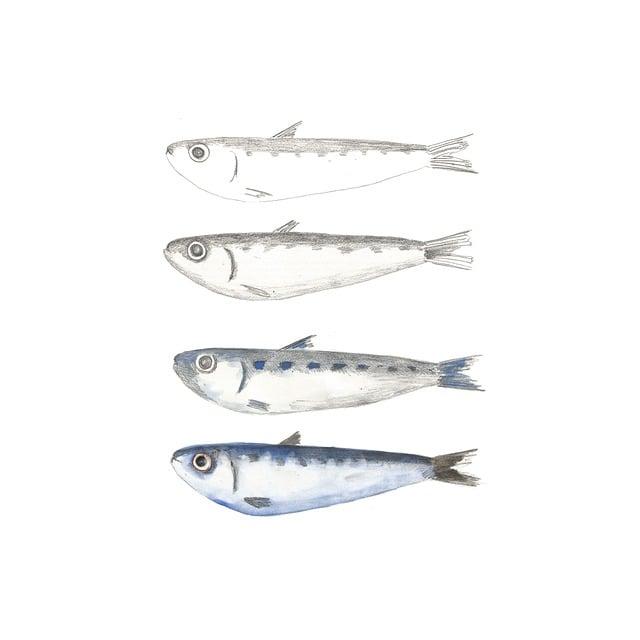
Sardines are often overlooked in the vast array of seafood options, yet they serve as a formidable source of essential nutrients. Packed with a blend of vitamins and minerals, these small fish offer substantial health benefits that go beyond their delightful taste. One of the standout features of sardines is their remarkable iron content, vital for maintaining energy levels and supporting overall bodily functions.
In addition to iron, sardines are rich in various other nutrients, making them an excellent addition to any diet. Here’s why you should consider incorporating sardines into your meals:
- High in Omega-3 Fatty Acids: These healthy fats are crucial for heart health and brain function.
- Excellent Protein Source: Sardines provide a complete protein profile, essential for muscle repair and overall growth.
- Vitamin D and Calcium: Vital for bone health, both of these nutrients are abundantly available in sardines.
- Low in Mercury: Compared to larger fish, sardines generally have a lower mercury content, making them a safer choice.
To give you a clearer picture, here’s a simple comparison of the nutritional content of sardines, highlighting their impressive iron levels:
| Nutrient | Amount per Serving (100g) |
|---|---|
| Iron | 2.9 mg |
| Omega-3 Fatty Acids | 2,200 mg |
| Protein | 25 g |
| Calcium | 382 mg |
| Vitamin D | 270 IU |
With their compact size and nutrient density, sardines don’t just contribute to a well-rounded diet; they also shine as a powerhouse of nutrition that can support various aspects of health, from immune function to bone strength.

Iron Content in Sardines: What the Numbers Say
Sardines are not just a tasty addition to your meal but also a powerhouse of nutrition, particularly when it comes to their iron content. A standard serving of sardines—typically around 3.75 ounces (about 106 grams)—can provide a significant percentage of the daily iron requirement for most individuals. Here’s what the numbers reveal:
| Nutritional Component | Amount per 3.75 oz (106 g) Serving | % Daily Value |
|---|---|---|
| Iron | 2.5 mg | 14% |
| Calories | 191 kcal | – |
| Protein | 22 g | – |
| Fat | 10.5 g | – |
The iron found in sardines is primarily in the form of heme iron, which is typically more easily absorbed by the body compared to non-heme iron found in plant sources. This aspect is especially beneficial for individuals who may be at risk of iron deficiency, such as vegetarians, pregnant women, and those with certain health conditions. In addition to iron, sardines also provide a rich source of omega-3 fatty acids, vitamin D, and calcium, making them an exceptional choice for a well-rounded diet.
For those looking to enhance their iron intake, incorporating sardines into meals can be a flavorful and healthy option. Consider enjoying them in a salad, a sandwich, or even on their own as a quick snack. The versatility and nutritional density of sardines make them an excellent ally in maintaining overall health.

Comparing Sardines with Other Iron-Rich Foods
Sardines are often celebrated for their iron content, but how do they stack up against other iron-rich foods? When considering dietary sources of iron, it’s crucial to recognize that both heme iron—found in animal products—and non-heme iron—mostly in plant sources—play vital roles in maintaining healthy iron levels.
Sardines provide a substantial amount of heme iron, making them a stellar choice for those looking to boost their iron intake effectively. In comparison, here are some other notable iron-rich foods:
- Red Meat: Beef and lamb are among the richest sources of heme iron, essential for enhancing iron absorption.
- Poultry: Chicken and turkey also offer significant amounts of heme iron, albeit less than red meat.
- Legumes: Lentils and beans are excellent sources of non-heme iron, particularly beneficial for vegetarians.
- Leafy Greens: Spinach and kale provide iron but require vitamin C-rich foods alongside to improve absorption.
- Nuts and Seeds: Pumpkin seeds and cashews are great plant-based iron sources, but they contain non-heme iron.
| Food Item | Ironic Content (mg per 100g) |
|---|---|
| Sardines | 2.9 |
| Beef | 2.6 |
| Lentils | 3.3 |
| Spinach | 2.7 |
| Pumpkin Seeds | 15.0 |
The comparison showcases that while sardines are a convenient and nutritious source of iron, there are various options available to suit different dietary preferences and needs. Leveraging a balanced diet that includes a variety of these iron-rich foods can significantly enhance one’s overall iron intake, ensuring adequate nutrition for optimal health.
Health Benefits of Consuming Sardines Regularly
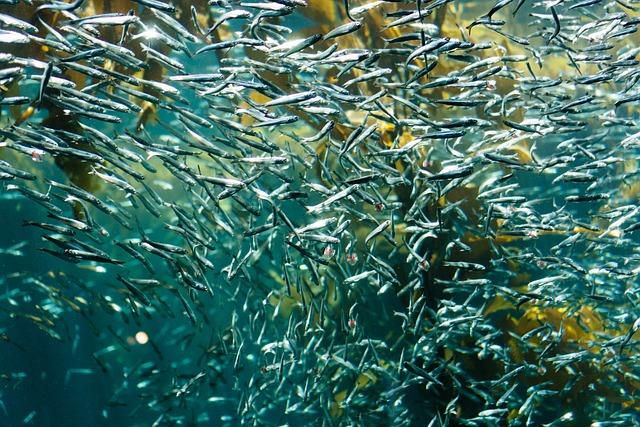
Incorporating sardines into your diet brings a wealth of health benefits that enhance overall well-being. These small fish are packed with essential nutrients that promote various bodily functions. Regular consumption can lead to:
- Heart Health: Sardines are rich in omega-3 fatty acids, which are known to reduce inflammation and lower the risk of heart disease.
- Bone Strength: They are an excellent source of vitamin D and calcium, both crucial for maintaining strong bones, especially as we age.
- Weight Management: Sardines are high in protein and healthy fats, providing a filling meal that can help regulate appetite and contribute to weight loss.
- Brain Function: The omega-3s found in sardines also support cognitive function and may reduce the risk of age-related mental decline.
Furthermore, sardines furnish an impressive amount of iron, vital for producing red blood cells and preventing anemia. Here’s a quick comparison table highlighting key nutritional values:
| Nutrient | Per 100g of Sardines |
|---|---|
| Calcium | 382 mg |
| Vitamin D | 5 µg |
| Protein | 25 g |
| Iron | 2.9 mg |
| Omega-3 Fatty Acids | 2.2 g |
Embracing sardines as a staple in your diet can substantially enrich your nutritional intake while providing numerous health benefits that support your lifestyle.
How to Incorporate Sardines into Your Meals
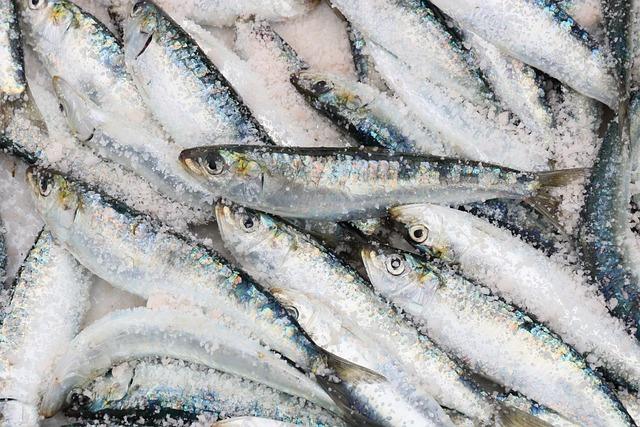
Incorporating sardines into your meals can elevate not only the flavor but also the nutritional profile of your dishes. These small fish are packed with omega-3 fatty acids, protein, and **iron**, making them a fantastic choice for a healthy diet. Here are some simple and delicious ways to integrate sardines into your daily meals:
- Sardine Salad: Toss canned sardines with mixed greens, cherry tomatoes, cucumbers, and a light vinaigrette. The sardines add a savory depth to a classic salad.
- Pasta Delight: Mix sardines into your favorite pasta dishes. They pair exceptionally well with garlic, olive oil, and a sprinkle of chili flakes for a kick.
- Toast Toppers: Spread avocado on whole grain toast and layer sardines on top. Finish off with a squeeze of lemon and a dash of salt for a satisfying snack.
- Sardine Tacos: Use sardines as a protein source in soft tacos, adding cabbage slaw and a yogurt sauce for an exciting twist.
For those who prefer blending flavors, consider making a sardine spread. Simply mash sardines with cream cheese, lemon juice, and herbs of your choice. This creates a delectable dip for crackers or fresh vegetables.
| Nutrient | Amount per 100g |
|---|---|
| Iron | 2.9 mg |
| Protein | 25 g |
| Omega-3 Fatty Acids | 2 g |
| Calcium | 382 mg |
Whether you opt for canned, fresh, or smoked, sardines offer versatility and a nutrient boost to your meals, making them easy to incorporate into various culinary creations.
Choosing the Right Sardines: Fresh, Canned, or Frozen
When it comes to selecting sardines, the form you choose can significantly impact both the taste and nutritional benefits you receive. Each option—fresh, canned, or frozen—comes with its unique advantages and considerations. Below are some insights to help you decide which type of sardines to include in your diet:
- Fresh Sardines: These are often considered the gold standard for quality and flavor. When fresh, sardines boast a rich, buttery texture and a subtle, oceanic taste. They are ideal for grilling or broiling, bringing out their natural oils. However, keep in mind that fresh sardines have a short shelf life and require immediate consumption or preservation.
- Canned Sardines: Canned sardines are a convenient option, as they are readily available and have a long shelf life. Often packed in oil, water, or tomato sauce, they are a fantastic source of omega-3 fatty acids and are deeply flavorful. Plus, they can be easily added to salads, pasta dishes, or eaten straight from the can!
- Frozen Sardines: Freezing is a great way to preserve the nutritional value of sardines when fresh varieties aren’t available. They may not have the same texture as fresh ones when cooked, but they still retain their health benefits, including iron content. Pair them with your favorite seasoning for a wholesome meal any day of the week.
| Type of Sardines | Nutritional Value (per 100g) | Flavor Profile |
|---|---|---|
| Fresh | 25 mg Iron | Rich and buttery |
| Canned | 30 mg Iron | Savory and robust |
| Frozen | 26 mg Iron | Neutral and adaptable |
Ultimately, your choice will depend on personal preference, cooking style, and availability. Each form of sardine offers valuable nutrients, including iron, essential for maintaining good health. Embrace the variety and enjoy incorporating these small but mighty fish into your meals!
Addressing Common Concerns About Sardines and Iron
When it comes to sardines and their iron content, many people have lingering doubts or misconceptions. One common concern is whether sardines provide sufficient iron to meet dietary needs. Interestingly, sardines are not only a good source of protein and omega-3 fatty acids, but they also contain non-heme iron, which is the type of iron found in plant-based foods and fish. Although non-heme iron is not as easily absorbed by the body as heme iron from meat sources, sardines can still contribute to your overall iron intake.
Another concern is the potential for high mercury levels in sardines compared to larger fish. Luckily, sardines are small fish that tend to accumulate less mercury over time. This makes them a safer choice for regular consumption, especially when considering their nutritional benefits in providing not just iron, but also a wealth of vitamins and minerals. Here are some additional benefits to consider:
- Calcium: Canned sardines often come with bones, which are a rich source of calcium.
- Vitamin B12: Essential for nerve health and the formation of red blood cells.
- Omega-3 Fatty Acids: Known for their heart health benefits.
| Nutrient | Amount in 100g of Sardines |
|---|---|
| Iron | 2.9 mg |
| Calcium | 382 mg |
| Vitamin B12 | 8.9 mcg |
including sardines in your diet can support iron intake along with numerous other health benefits, making them an excellent choice for those looking to enhance their nutrition without the worry of significant mercury exposure.
FAQ
Q&A: Do Sardines Have Iron? Nutritional Content
Q1: What are sardines, and why are they considered a nutritious food?
A1: Sardines are small, oily fish that belong to the herring family. They are often packed in water, oil, or sauces for preservation. Known for their rich flavor, sardines are considered a powerhouse of nutrition. They are loaded with essential nutrients like omega-3 fatty acids, vitamin D, calcium, and, yes—iron! Their small size means they’re often consumed whole, which helps retain their nutrient density.
Q2: How much iron do sardines contain?
A2: Sardines are a good source of iron, especially for those who may struggle to get enough from other dietary sources. On average, a serving of canned sardines (about 3.75 ounces or 106 grams) contains around 2.5 to 3 mg of iron. This accounts for approximately 14-17% of the daily iron requirement for an average adult. The iron found in sardines is in the heme form, which is more easily absorbed by the body compared to non-heme iron found in plant sources.
Q3: Why is iron important for our health?
A3: Iron is a crucial mineral that plays a key role in the body. It is primarily known for its function in the production of hemoglobin, which carries oxygen in the blood. Adequate iron levels are essential for energy metabolism, immune function, and overall cognitive health. Low iron levels can lead to anemia, fatigue, and diminished physical performance.
Q4: Are sardines the best source of iron compared to other fish?
A4: While sardines are a good source of iron, they are not the only fish that provides this essential mineral. Other types of fish, such as salmon and tuna, also contain iron, but usually in smaller amounts. Sardines, however, have the added benefit of being high in omega-3 fatty acids, making them a standout option for overall health. Plus, the combination of nutrients in sardines makes them a particularly beneficial choice.
Q5: Are there other nutritional benefits to eating sardines?
A5: Definitely! In addition to iron, sardines are rich in omega-3 fatty acids, which are known to support heart health, reduce inflammation, and promote brain function. They also provide vitamin B12, which is vital for nerve health and the formation of red blood cells, as well as calcium and vitamin D for bone health. All these nutrients contribute to making sardines a compact, nutrient-dense food.
Q6: Who should consider adding sardines to their diet?
A6: Sardines can be a great addition to nearly anyone’s diet, but they are especially beneficial for those who may be at risk for iron deficiency, such as pregnant women, vegetarians, and individuals with certain health conditions. They are also an excellent option for those looking to increase their omega-3 intake or improve their overall nutrient profile without consuming large amounts of calories.
Q7: How can I incorporate sardines into my meals?
A7: There are plenty of delicious ways to enjoy sardines! You can add them to salads, mix them into pasta dishes, use them as a topping for whole-grain toast, or include them in omelets. If you’re feeling adventurous, try sardine pâté or fish tacos. Their versatility allows you to enjoy them in countless recipes!
Q8: Are there any concerns with eating sardines?
A8: While sardines are generally considered very healthy, some people may be sensitive to fish or have allergies. Additionally, because they are on the smaller side, sardines typically contain lower levels of mercury compared to larger fish, making them a safer option. Nonetheless, moderation is key, and it’s always wise to consult with a healthcare provider if you have any dietary restrictions or health concerns.
Concluding Remarks
sardines are not just a tasty addition to your meals; they’re also a powerhouse of nutrition, rich in essential nutrients, including iron. Whether you’re looking to boost your iron intake or simply enjoy a delicious, convenient seafood option, sardines can be a fantastic choice. By incorporating them into your diet, you can easily reap the benefits of their healthful properties along with enjoying their unique flavor. So go ahead and savor these little fish—they’re not only good for your taste buds but also for your overall wellbeing!