How Big Is a Sardine? Size and Species Guide!
Ever found yourself staring blankly at a can of sardines, wondering just how big these slippery little fish really are? Whether you’re a seafood connoisseur, a curious chef, or someone who just loves the thought of a taco night gone wild with sardine toppings, you’re in the right place! In this article, we’ll dive into the fascinating world of sardines—those petite powerhouses of the ocean that pack a punch of flavor yet often leave us scratching our heads about their size. From its different species to comparisons with more well-known fish, we promise to keep you entertained while you learn everything you need to know about our scaly friends. So, let’s cast our nets wide and catch all the sardine facts you didn’t know you needed!

Article Contents
- Understanding Sardine Sizes Across Different Species
- The Average Dimensions of Common Sardine Variants
- Exploring the Distinct Characteristics of Sardine Species
- Factors Influencing Sardine Size in Marine Environments
- Commercial Sardines: Size and Market Implications
- Sardine Anatomy: What Makes Them Unique
- Practical Tips for Selecting Sardines for Cooking and Canning
- The Ecological Importance of Sardine Sizes in Marine Ecosystems
- Faq
- In Retrospect
Understanding Sardine Sizes Across Different Species
When exploring the world of sardines, it’s essential to recognize that these small, oily fish vary significantly in size depending on their species. Most commonly, sardines belong to the Clupeidae family, which includes numerous species that can differ not only in physical dimensions but also in their habitat and culinary significance.
Here are some **common species of sardines** along with their typical sizes:
- Pilchardus sardine: One of the largest sardine species, typically reaching lengths of 20-30 cm.
- Sardinus melanocephalus: Commonly known as the European sardine, it usually measures around 12-20 cm.
- Sardinops sagax: Known as the Pacific sardine, this species can grow to approximately 15-25 cm.
- Sardinella longiceps: The Indian oil sardine, often reaching about 15-20 cm.
| Species | Average Size (cm) | Common Regions |
|---|---|---|
| Pilchardus sardine | 20-30 | Azores, Mediterranean Sea |
| Sardinus melanocephalus | 12-20 | Coastal Europe |
| Sardinops sagax | 15-25 | Pacific Ocean |
| Sardinella longiceps | 15-20 | Indian Ocean |
Understanding these distinctions is crucial, especially for culinary enthusiasts and environmentalists alike. The size of each sardine can impact how they are prepared and their overall ecological role. Whether it’s used in traditional Mediterranean dishes or simply enjoyed grilled, knowing the specific characteristics of sardine species can enhance your appreciation for this versatile fish.

The Average Dimensions of Common Sardine Variants
Sardines are small fish belonging to the Clupeidae family, and their size can vary significantly depending on the species and environmental factors. Generally, most sardine varieties grow to a size that makes them ideal for canning and consumption. Here are the dimensions for some common sardine species:
- Pilchardus (European Sardine): Typically reaches lengths of **15 to 25 cm** (5.9 to 9.8 inches).
- Sagittarius (Pacific Sardine): Grows to an average of **20 to 30 cm** (7.9 to 11.8 inches).
- Specularis (South American Sardine): Generally ranges from **15 to 23 cm** (5.9 to 9.1 inches).
- Wermy (Indian Sardine): Measures around **15 to 22 cm** (5.9 to 8.7 inches).
While these are the average dimensions, it’s important to note that environmental conditions, availability of food, and fishing practices can affect individual sizes within each species. Depending on where they are caught, sardines may differ not only in size but also in their flavor profiles and nutritional content. When purchasing sardines, understanding these variations can enhance your culinary choices, whether you’re opting for fresh or canned varieties.
| Species | Average Length (cm) | Average Length (inches) |
|---|---|---|
| Pilchardus | 15-25 | 5.9-9.8 |
| Sagittarius | 20-30 | 7.9-11.8 |
| Specularis | 15-23 | 5.9-9.1 |
| Wermy | 15-22 | 5.9-8.7 |
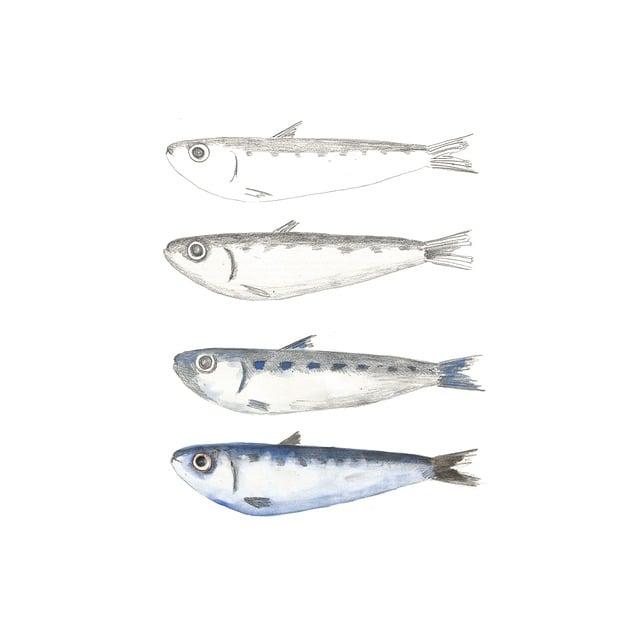
Exploring the Distinct Characteristics of Sardine Species
Sardines are a diverse group of small fish that belong to the herring family, Clupeidae. Characterized by their slender bodies and shimmering scales, they exhibit a remarkable range of distinctions among various species. Exploring these unique traits can enhance our understanding of their ecological roles and culinary uses. Below are some notable characteristics that set different sardine species apart:
- Size Variability: Depending on the species, sardines can range from 15 to 30 centimeters in length. The European sardine (Sardina pilchardus) is among the most well-known, typically reaching up to 25 cm.
- Coloration: Sardines may appear silver or bluish on their dorsal sides, with a more prominent sheen that helps them blend into the ocean when viewed from above.
- Habitat: While many sardines thrive in deep, open waters, certain species like the Pacific sardine (Sardinops sagax) prefer shallower coastal regions, influencing their migration patterns.
- Schooling Behavior: Sardines are known for their remarkable schooling capabilities. This behavior not only aids in predator evasion but also facilitates efficient feeding on plankton.
To provide an illustrative summary, here’s a simple table highlighting some common sardine species along with their average sizes:
| Species Name | Average Size (cm) | Common Habitat |
|---|---|---|
| European Sardine | 25 | Coastal Waters |
| Pacific Sardine | 30 | Open Seas |
| Asian Sardine | 20 | Shallow Coastal Regions |
By understanding these characteristics, we can appreciate the ecological significance and culinary appeal of sardines, making them a fascinating subject for marine enthusiasts and food lovers alike.

Factors Influencing Sardine Size in Marine Environments
Several key factors play a crucial role in determining the size of sardines in marine environments. Understanding these influences can offer insights into their growth patterns and overall population health.
Environmental Conditions: Sardine growth is significantly affected by the surrounding environment, including:
- Water Temperature: Optimum temperatures can enhance metabolic processes, leading to quicker growth rates.
- Salinity Levels: Variations in salinity can influence feeding efficiency and reproductive success.
- Oxygen Availability: Higher oxygen levels in water can support larger-bodied individuals.
Food Availability: The abundance and type of food directly impact sardine size. A nutrient-rich environment increases the availability of essential prey, primarily zooplankton, supporting better growth conditions. When food is abundant, sardines can achieve larger sizes more rapidly, while scarcity can stunt their growth.
Genetic Factors: Differences in genetics among sardine populations also contribute to size variability. For instance, certain populations may possess genetic traits that favor larger body sizes, which can provide competitive advantages in foraging and reproduction.
| Factor | Impact on Size |
|---|---|
| Water Temperature | Optimal temperatures accelerate growth. |
| Food Availability | Abundance leads to larger sizes. |
| Genetics | Some populations may grow larger due to genetic traits. |
Commercial Sardines: Size and Market Implications
Understanding the size of commercial sardines is crucial for both fishermen and consumers, as it directly impacts market dynamics. Typically, commercial sardines range from **6 to 12 inches** in length, with some species, like the Pacific sardine, reaching up to **15 inches**. The variations in size can influence pricing, availability, and even consumer preferences. Smaller sardines are often marketed as high-protein snacks or canned products, while larger ones tend to be sold fresh, appealing to a different segment of the market.
The economic implications of sardine sizes are further compounded by fishing quotas and regulations aimed at sustaining fish populations. Species such as the **European sardine** and **Pacific sardine** not only have different maximum sizes but also varied harvest limits, affecting supply. Factors such as seasonal availability and consumer demand play a significant role in determining market prices. For instance, larger sardines may command a higher market value during festivals, while smaller ones may be more prevalent in budget-friendly canned goods.
| Species | Typical Size (inches) | Market Use |
|---|---|---|
| Pacific Sardine | 8-12 | Fresh, Canned |
| European Sardine | 7-9 | Fresh, Canned, Frozen |
| Indian Sardine | 6-8 | Canned, Dried |
Ultimately, the size of sardines influences everything from fishing techniques to market strategies. As consumers become more health-conscious, the demand for **high-quality, sustainably sourced sardines** continues to rise, prompting businesses to adjust their practices accordingly. Thus, staying informed about size variations and species is essential for anyone involved in the sardine market.
Sardine Anatomy: What Makes Them Unique
Sardines are small fish that belong to the family Clupeidae, and their anatomy is a fascinating marvel of evolutionary adaptation. These pelagic fish have streamlined bodies that allow them to swim swiftly through the water, an essential trait for escaping predators. Their distinctive silver scales serve a dual purpose: they not only allow for efficient movement through the water but also help in camouflage against the shimmering surface, evading larger fish.
One of the most unique features of sardines is their large, light-reflecting eyes, which enhance their vision in dim light, making it easier to spot predators and navigate through schools. Additionally, unlike many other fish, sardines possess a specialized structure known as the swim bladder, which helps them maintain buoyancy and stay suspended in the water column without expending much energy. Their gills are fine and efficient, enabling them to filter tiny planktonic organisms from the water, which is their primary food source.
| Feature | Description |
|---|---|
| Body Shape | Streamlined for swift swimming |
| Coloration | Silvery with dark blue-green back |
| Size Range | Typically 6-12 inches (15-30 cm) |
| Schooling Behavior | Forms large, tight schools for protection |
the anatomy of sardines is a finely tuned balance between functionality and survival. Their unique adaptations not only contribute to their success as a species but also to their important role in marine ecosystems and fisheries worldwide.
Practical Tips for Selecting Sardines for Cooking and Canning
When selecting sardines for cooking or canning, freshness and quality are key to ensuring a delightful culinary experience. Here are some practical tips to help you make the best choice:
- Look for Clear Eyes: Fresh sardines should have bright, clear eyes. Cloudy or sunken eyes are indicators of age and deterioration.
- Check the Smell: A fresh sardine should have a mild, ocean-like smell. If the fish smells excessively fishy or off-putting, it’s best to avoid it.
- Inspect the Skin: The skin should be shiny and metallic with no discoloration. Dull or dry skin often suggests that the fish isn’t fresh.
- Assess the Flesh: Fresh sardine flesh should feel firm to the touch, with no signs of mushiness. The color should be vibrant and consistent.
When it comes to canning, pay attention to the species of sardine. Different species can yield varying flavor profiles and textures.
| Species | Typical Size | Flavor Profile |
|---|---|---|
| Pacific Sardine | 6-12 inches | Slightly sweet and rich |
| European Sardine | 6-8 inches | Delicately flavored and tender |
| Brisling Sardine | 4-6 inches | Buttery and mild |
Choosing the right sardine can elevate your dishes, whether grilled or packed in oil. Remember, always prioritize freshness and the right species for your culinary goals.
The Ecological Importance of Sardine Sizes in Marine Ecosystems
The size of sardines plays a crucial role in maintaining the balance of marine ecosystems. These small fish serve as a vital link in the food chain, supporting a variety of marine life, from larger fish to seabirds and marine mammals. When sardines grow, their size can affect their predator-prey relationships, influencing the dynamics between species in their habitat.
Key aspects of sardine sizes that enhance ecological balance include:
- Biomass Distribution: Larger sardines contribute to a greater biomass, providing a substantial food source for larger predators.
- Reproductive Success: Size can impact reproductive strategies, with larger individuals often having greater reproductive success, thus influencing population sustainability.
- Competition Dynamics: The size of sardines can dictate competition among species, as larger fish may outcompete smaller ones for resources.
Understanding sardine sizes is not only crucial for the fishing industry but also for conserving marine biodiversity. Sustainable fishing practices and responsible management of sardine populations can help ensure that this species continues to play its essential role in the ecosystem. As a cornerstone of ocean health, they embody the interconnectedness of marine life and the delicate balance that must be maintained to support thriving oceanic environments.
Faq
Q: What exactly is a sardine?
A: Sardines are small, schooling fish that belong to the herring family, Clupeidae. They are found in both the Atlantic and Pacific Oceans, and they’re notable for their silver skin and streamlined bodies. The term “sardine” can refer to several species, but they’re generally recognized for their small size and oily flesh.
Q: How big do sardines typically grow?
A: Sardines typically reach sizes between 6 to 12 inches in length, depending on the species. The most common species, like the European sardine (Sardina pilchardus) and the Pacific sardine (Sardinops sagax), can vary in size but usually fall within this range. Some individuals can grow up to 14 inches in optimal conditions.
Q: Are there different species of sardines?
A: Yes, there are several species commonly referred to as sardines! Some of the most recognizable include the European sardine (Sardina pilchardus), Pacific sardine (Sardinops sagax), and the Brazilian sardine (Sardinops brasiliensis). Each species has distinct characteristics but shares similar features like their small size and schooling behavior.
Q: What factors influence the size of a sardine?
A: The size of sardines can be influenced by several factors, including their species, environmental conditions, availability of food, and age. Sardines that inhabit waters rich in phytoplankton and zooplankton, their primary food sources, tend to grow larger. Additionally, sardines that live in favorable temperature and salinity conditions will likely thrive better, contributing to increased size.
Q: Are there any health benefits to eating sardines?
A: Absolutely! Sardines are packed with nutrients. They are an excellent source of omega-3 fatty acids, protein, vitamins (particularly B12), and minerals like calcium and selenium. These nutrients can provide numerous health benefits, including improved heart health, better brain function, and strong bones. Plus, they’re often lower in mercury compared to larger fish, making them a cleaner choice.
Q: How can sardines be prepared and enjoyed?
A: Sardines can be enjoyed in a variety of ways! They can be grilled, smoked, or canned and served in salads, on toast, or as part of a seafood platter. Many people enjoy them straight from the can, paired with mustard or olive oil, as a protein-packed snack. They also make a tasty addition to pasta dishes, tacos, or Mediterranean recipes.
Q: Are sardines sustainable to eat?
A: Yes, sardines are generally considered a sustainable seafood choice. They have a fast reproduction rate, making their populations resilient if fished responsibly. However, it’s essential to look for sardines certified by reputable organizations or sourced from fisheries that follow sustainable practices to ensure you’re making an eco-friendly choice.
Q: How can I tell if a sardine is fresh?
A: Fresh sardines should have a shiny, metallic appearance and bright, clear eyes. The flesh should feel firm to the touch, and there should be a mild, ocean-like smell, not a strong fishy odor. If you’re buying canned sardines, check the expiration date and look for indicators of quality, like whole fish rather than mushy or breakage.
Feel free to explore further, whether you’re curious about their ecological role or simply looking for tasty recipes involving sardines!
In Retrospect
As we wrap up our dive into the fascinating world of sardines, it’s clear that these small fish pack a big punch in terms of diversity and ecological importance. Whether you’re looking to understand their size variations or the different species that inhabit our oceans, there’s no denying that sardines are a vital part of marine life. From their role in the food chain to their benefits for our diet, these little swimmers certainly deserve our attention. So the next time you encounter a sardine—be it on your plate or in the ocean—remember, there’s more to these tiny fish than meets the eye! Happy exploring!