How to Fish for Sardines: Expert Tips!
Whether you’re a seasoned angler or just starting to dip your toes into the world of fishing, there’s one thing we can all agree on: nothing beats the thrill of reeling in your catch! But if you think bigger is always better, think again. When it comes to fishing, sardines are small, but they pack a punch! These slippery little fish are not just a staple in Mediterranean cuisine; they are also a delightful challenge for anglers looking to refine their skills. In this article, we’ll dive into the best-kept secrets of sardine fishing, arming you with expert tips that will have you casting lines like a pro in no time. Forget the old adage “size matters”—let’s discover why sardines are the catch of the day! Grab your rod and tackle box, and prepare for a fin-tastic adventure!
Article Contents
- Understanding Sardine Behavior and Habitats
- Essential Gear and Tackle for Sardine Fishing
- Techniques for Catching Sardines Effectively
- Best Times and Conditions for Sardine Fishing
- Preparing and Using Bait for Optimal Success
- Strategies for Keeping Your Sardine Catch Fresh
- Tips for Safety and Sustainability While Fishing
- Frequently Asked Questions
- In Conclusion
Understanding Sardine Behavior and Habitats
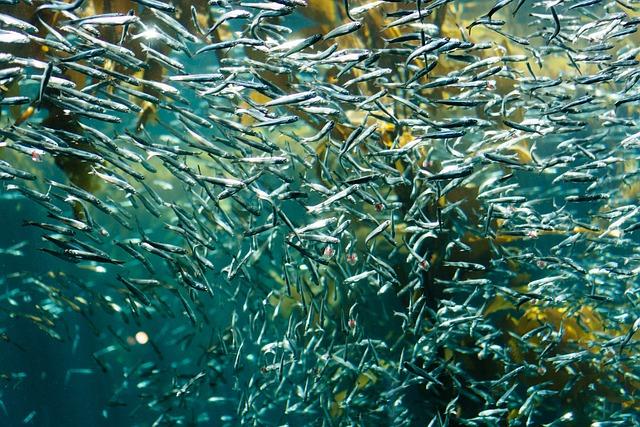
Sardines are fascinating fish known for their schools that can stretch for miles. Understanding their behavior and habitats is crucial for any angler aiming to catch them effectively. These small fish thrive in coastal waters, where they often inhabit upwelling zones that provide nutrient-rich waters, making them a staple in many marine ecosystems. Here are some key factors to consider:
- School Dynamics: Sardines are social creatures, often found in large schools. This communal behavior enhances their chances of evading predators and finding food.
- Feeding Habits: They primarily feed on plankton, which they filter from the water. Knowing their feeding times can help you determine the best times to fish.
- Depth and Temperature: Sardines prefer warmer waters between 12°C and 18°C (54°F to 64°F), typically found at depths of 20 to 200 meters.
Identifying the right habitat is essential for successful fishing. Sardines often gather near structural elements such as reefs, kelp beds, or sandbars, where they find shelter from predators and abundant food sources. A typical day’s catch may be influenced by seasonal migrations, especially during spawning periods, which usually occurs in the warmer months.
| Habitat Features | Importance |
|---|---|
| Coastal Upwelling Areas | High nutrient availability and food sources. |
| Kelp Forests | Provides shelter and breeding grounds. |
| Sandbars and Reefs | Ideal for schools to gather and feed. |
Essential Gear and Tackle for Sardine Fishing
When gearing up for sardine fishing, having the right equipment is essential to ensure a successful outing. Sardines, known for their swift movements and schooling behavior, require specific gear to effectively target them. Here’s a rundown of the crucial tackle and equipment you’ll need:
- Rod and Reel: Choose a medium light spinning rod paired with a spinning reel that has a smooth drag system. A setup with a 2500 to 4000 size reel provides the balance needed for catching sardines.
- Line: A monofilament or braided line with a test strength between 8-15 lb is ideal. This offers the necessary sensitivity and strength without overpowering the light-feeding behavior of sardines.
- Hooks: Opt for small hooks, typically ranging from size 8 to 12. A wide gap hook facilitates secure hookups and minimizes damage to the fish.
- Weights: Use egg sinkers or split-shot weights to help your bait reach the desired depth.
- Bait: Fresh or live bait like small pieces of shrimp or throwing out a few whole sardines can attract schools and increase your chances of a catch.
Understanding the environment where sardines thrive is also vital. Sticking to areas near estuaries and coastlines where they often gather can be beneficial. Here’s a quick reference table highlighting some recommended gear and their purpose:
| Gear | Purpose |
|---|---|
| Medium Light Spinning Rod | Provides flexibility and sensitivity for light bites |
| 2500-4000 Size Spinning Reel | Balances weight and control for casting |
| Monofilament/Braided Line (8-15 lb) | Combines strength with stealth for optimal results |
| Small Hooks (Size 8-12) | Minimizes harm and improves catch rates |
| Weights (Egg sinkers/Split-shot) | Helps bait sink to the desired depth |
| Bait (Live/Fresh) | Attracts sardines effectively |
Equipped with the right tackle, you’re well on your way to an exhilarating sardine fishing experience. Remember, patience and persistence are key as you refine your technique and gear selection!
Techniques for Catching Sardines Effectively
When it comes to effectively catching sardines, employing the right techniques can make all the difference. Here are some proven methods to enhance your sardine fishing experience:
- Chumming: Creating a scent trail is essential. Use small pieces of sardines or fish oil to attract them to your fishing spot.
- Light Fishing: Sardines are attracted to light at night. Utilize a bright light source or specialized fishing lights to draw them near.
- Netting: A cast net can be an excellent tool. Ensure the net is the appropriate size, and practice your casting technique for a more successful catch.
Timing your fishing trips is also crucial. Sardines are typically more active during specific phases of the tide, so consider fishing:
| Time of Day | Tide Phase |
|---|---|
| Early Morning | Incoming Tide |
| Late Afternoon | Outgoing Tide |
Lastly, utilizing the right gear can increase your success rate. A light tackle setup with a sensitive rod and reel allows for a better feel of the sardines biting. Ensure your hooks are sharp and of the appropriate size to secure your catch effectively.
Best Times and Conditions for Sardine Fishing
To maximize your chances of success in sardine fishing, it’s essential to consider the timing and environmental conditions. Sardines are typically more active during certain times of the day and year, making these periods ideal for fishing.
- Time of Day: Early morning and late afternoon are peak times for sardine activity. During these hours, they come closer to the surface to feed, making it easier for anglers to catch them.
- Season: The best months for sardine fishing generally fall between late spring and early autumn. In many regions, these fish spawn during this period, which results in larger schools moving closer to shore.
- Weather Conditions: Overcast days can be surprisingly effective for sardine fishing. With less sunlight penetrating the water, sardines feel safer swimming closer to the surface. Calm winds and smooth water also enhance visibility and feeding behavior.
Additionally, understanding water temperature can significantly impact your fishing success. Sardines prefer waters between 60°F to 70°F (15°C to 21°C). The following table summarizes optimal conditions for fishing sardines:
| Condition | Optimal Range |
|---|---|
| Time of Day | Early morning & Late afternoon |
| Season | Late Spring to Early Autumn |
| Water Temperature | 60°F to 70°F (15°C to 21°C) |
| Weather Conditions | Overcast days |
By keeping these factors in mind and selecting the right times and conditions, you can significantly improve your sardine fishing experience and increase your catch rate.

Preparing and Using Bait for Optimal Success
To increase your chances of reeling in sardines, preparation and application of bait play a crucial role. Sardines are opportunistic feeders, and knowing how to entice them is key to successful fishing. Here are some effective strategies:
- Choose the Right Bait: Fresh bait like anchovies, mackerel, or even small pieces of squid are often irresistible to sardines. You can also use commercial bait products specifically designed for small pelagic fish.
- Use Chum: Creating a chum slick can help attract sardines to your location. This can be made from crushed sardines or other small fish, blended with water and dispersed into the fishing area.
- Hooking Technique: When hooking bait, balance is important. Use a small-size hook to avoid deterring sardines, and ensure the bait is secured well yet allows for natural movement.
When deploying bait, timing and presentation can significantly affect your success rates. The best tactics involve:
| Time of Day | Best Bait | Location Tips |
|---|---|---|
| Early Morning | Fresh Anchovies | Near the shore or jetties |
| Late Afternoon | Small Squid Pieces | Offshore near current break |
| Night | Chum with Minced Fish | Close to docks or piers |
Experiment with different methods and pay attention to your catch rates. With the right preparation, using effective bait, and optimizing your fishing strategy, you’ll be well on your way to a fruitful sardine fishing expedition.
Strategies for Keeping Your Sardine Catch Fresh
To ensure your freshly caught sardines remain in top condition, it’s essential to adopt a few effective strategies right after your catch. First, **immediate chilling** is key. Transfer your catch into a cooler filled with ice as soon as possible to preserve their freshness. Sardines are highly perishable, so the quicker you can lower their temperature, the better.
Additionally, consider the following methods to maintain their quality:
- Gutting and Cleaning: Quickly gut and clean the sardines to remove any internal organs that can cause spoilage.
- Avoid Sun Exposure: Keep your catch out of direct sunlight to reduce bacterial growth.
- Proper Storage: If you plan to store sardines for longer periods, wrap them in freezer-safe packaging and label them with the date before freezing.
Moreover, understanding the optimal storage temperatures is vital. Here’s a concise table that outlines the ideal temperature ranges for keeping sardines fresh:
| Storage Method | Temperature Range | Duration |
|---|---|---|
| Ice or Cooler | 32°F – 36°F (0°C – 2°C) | 1-2 days |
| Refrigerator | 32°F – 40°F (0°C – 4°C) | 1-2 days |
| Freezer | 0°F (-18°C) or lower | Up to 3 months |
Utilizing these techniques will help ensure your sardine catch is as fresh as possible, allowing for delicious meals whether prepared immediately or saved for later use.
Tips for Safety and Sustainability While Fishing
To enhance your fishing experience while ensuring the safety of both yourself and the environment, consider these essential practices:
- Stay Aware of Your Surroundings: Always be mindful of water conditions, weather changes, and local wildlife. This will help you maintain your safety and avoid unintended harm to aquatic ecosystems.
- Use Eco-friendly Gear: Opt for fishing tackle that minimizes environmental impact, such as biodegradable fishing lines and reusable tackle boxes.
- Practice Catch and Release: When fishing for sardines, only keep what you need for your meal. Release the rest back into the water to help maintain healthy population levels.
- Follow Local Regulations: Familiarize yourself with local fishing laws regarding limits, designated areas, and protected species to ensure sustainable fishing practices.
- Clean Up After Yourself: Always clean up your fishing area. Dispose of trash properly and leave no trace, ensuring the habitat remains pristine for future generations.
Moreover, educating yourself and others about sustainable fishing techniques can have a lasting impact on conservation efforts. Here’s a quick comparison of two popular fishing methods related to sardine fishing:
| Fishing Method | Pros | Cons |
|---|---|---|
| Net Fishing | Efficient for catching large quantities | Higher risk of bycatch |
| Line Fishing | More selective, reducing bycatch | Time-consuming and may yield fewer fish |
By combining safety measures with sustainable practices, you can enjoy a more responsible fishing experience that benefits both you and the aquatic environments you cherish.
Frequently Asked Questions
Q&A: How to Fish for Sardines: Expert Tips!
Q: What are the best fishing spots for sardines?
A: Sardines are commonly found in both coastal and offshore waters, often near the surface. To catch them, look for areas where the water temperature ranges between 60 to 70°F (15-21°C). Feeding near rocky shorelines, estuaries, and bays is ideal. You might also find them around schools of baitfish or near structures like piers and jetties.
Q: What time of year is best for sardine fishing?
A: Sardines typically peak in abundance during the warmer months, from late spring through early fall. However, the exact timing can vary by location. Keeping an eye on local fisheries reports can provide insights into the best times for fishing in your area.
Q: What equipment do I need to fish for sardines?
A: A light spinning rod and reel setup works best for sardine fishing. You’ll want a rod between 6 to 7 feet long to provide enough sensitivity and control. Use a reel with a smooth drag system and a 6 to 10-pound test line. For hooks, opt for small #4 to #8 hooks, and don’t forget a small weight to keep your bait submerged.
Q: What bait should I use to catch sardines?
A: Sardines are attracted to natural baits like small pieces of cut fish, shrimp, or even bread. When fishing with lures, consider using bright-colored spoons or small jigs that mimic the movement of small fish. Many anglers also find success with chum, which helps draw sardines into your area.
Q: What techniques can I use for sardine fishing?
A: One effective technique is “chum and wait.” Start by chumming the area with small bits of bait to attract sardines. Then, cast your line with baited hooks and be patient. Alternatively, you can try a net cast at dawn or dusk when sardines are more active.
Q: Are there any regulations I should be aware of?
A: Yes, fishing regulations can vary widely depending on your location. Before you head out, be sure to check local laws regarding sardine fishing, including size limits, bag limits, and any required licenses. This ensures both sustainability and compliance with the law.
Q: What are some common mistakes to avoid when fishing for sardines?
A: One common mistake is using tackle that’s too heavy. Since sardines are smaller fish, light tackle is more effective. Another is ignoring the importance of water conditions; fish are less likely to bite if the water is turbulent or murky. Lastly, don’t overlook the effect of tides and currents, as these can greatly impact sardine movements.
Q: Can I catch sardines from the shore, or do I need a boat?
A: You can absolutely catch sardines from the shore! Many anglers find success from piers, rocks, or sandy beaches. Just make sure you’re fishing in an area where sardines are present and that you have the right gear to cast out far enough.
Q: Do sardines have any specific feeding habits I should know about?
A: Sardines primarily feed on phytoplankton, small crustaceans, and other tiny marine organisms. During the daytime, they often swim in the upper levels of the water column but can become more active closer to the surface during low light conditions like early morning or late afternoon.
Feel free to use this Q&A format to enhance your article on fishing for sardines! If you have any further questions or need more tips, just ask!
In Conclusion
As we wrap up our journey into the world of sardine fishing, remember that every cast brings new opportunities and learning experiences. With the expert tips we’ve shared, you’re now equipped to tackle the waters with confidence. Whether you’re a seasoned pro or just starting, patience and practice are key. So grab your gear, head to your favorite fishing spot, and enjoy the thrill of the catch! We’d love to hear about your sardine fishing adventures, so don’t hesitate to share your experiences. Happy fishing!