What Are Sardines? Everything You Need to Know
If you’ve ever wandered the aisles of your local grocery store, you might have stumbled upon a can bearing the tiny fish known as sardines. But what exactly are these salt-cured morsels, and why have they earned a place in our pantries (and our hearts)? Dive into the deep blue of sardine knowledge with us! Whether you’re looking to impress your friends with your culinary expertise, boost your omega-3 intake, or simply throw out some interesting trivia at your next dinner party – we’ve got you covered. Prepare to reel in the facts about these oceanic delights, and who knows? You might just find yourself hooked!

Article Contents
- Understanding Sardines: A Nutritional Powerhouse
- The Many Varieties of Sardines: Choosing the Right One
- Culinary Uses for Sardines: From Simple Snacks to Gourmet Dishes
- Environmental Sustainability and Health Benefits of Eating Sardines
- How to Select, Store, and Prepare Sardines for Maximum Flavor
- Sardines in Different Cuisines: Exploring Global Recipes
- Debunking Myths: The Truth About Sardines and Their Impact on Health
- Incorporating Sardines into Your Diet: Tips and Suggestions
- Faq
- The Conclusion
Understanding Sardines: A Nutritional Powerhouse
Sardines, often overlooked in the realm of seafood, are not only flavorful but also packed with nutrients that provide multiple health benefits. These small fish, typically found in the Mediterranean and along the Atlantic coasts, are rich in essential omega-3 fatty acids, which are known for their heart-protective properties. Regular consumption of sardines can help lower blood cholesterol levels and reduce inflammation in the body.
In addition to being a fantastic source of healthy fats, sardines are high in:
- Protein: A single serving offers a generous amount of protein, essential for muscle repair and growth.
- Vitamins: They are a great source of vitamins B12 and D, essential for energy metabolism and bone health.
- Minerals: Sardines are particularly high in calcium and selenium, supporting bone strength and immune function, respectively.
To illustrate their nutritional profile further, here’s a simple overview of the benefits per 100 grams of canned sardines:
| Nutrient | Amount |
|---|---|
| Calories | 208 |
| Protein | 25g |
| Omega-3 Fatty Acids | 1.5g |
| Calcium | 382mg |
| Vitamin B12 | 8.9µg |
Incorporating sardines into your diet can be a simple and delicious way to enhance your nutritional intake while enjoying the rich flavors they bring to a variety of dishes, from salads to pasta and beyond.
The Many Varieties of Sardines: Choosing the Right One
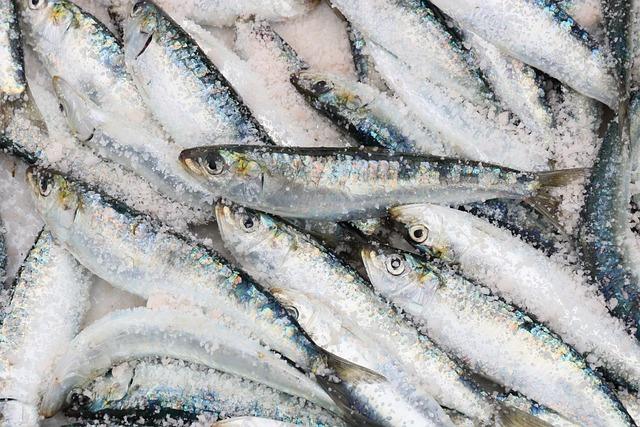
When selecting sardines, it’s crucial to understand the different varieties available and how they can enhance your culinary experience. Sardines are not just a single species; they encompass several types, each with unique flavors, textures, and nutritional profiles. Here are some popular varieties:
- Pilchard Sardines: Commonly found in the Atlantic and Pacific oceans, these sardines are larger and can be enjoyed grilled or canned in olive oil.
- European Sardines: Known for their distinctively rich flavor, these sardines are typically smaller and are often packed with herbs and spices.
- Asian Sardines: These sardines tend to be smaller and are usually recognized for their strong taste, making them a favorite in many Asian cuisines.
- Brisling Sardines: A delicacy from the North Sea, brisling sardines are smaller and have a firmer texture, often packed in high-quality oils.
When choosing sardines, consider the following factors to ensure you pick the right variety for your dish:
| Variety | Texture | Flavor Profile | Best Uses |
|---|---|---|---|
| Pilchard | Firm | Rich and savory | Grilling, pasta dishes |
| European | Tender | Robust | Salads, pizzas |
| Asian | Soft | Strong and spicy | Curries, stir-fries |
| Brisling | Delicate | Subtle | Charcuterie, appetizers |
Ultimately, your choice of sardines can significantly influence your culinary creation. By understanding the characteristics of each variety, you can select the one that complements your meal and satisfies your taste buds.

Culinary Uses for Sardines: From Simple Snacks to Gourmet Dishes
Sardines are not just a pantry staple; they are incredibly versatile, lending themselves beautifully to a variety of culinary creations. Whether you’re looking to whip up a quick snack or impress guests with an elegant dish, sardines offer a delightful balance of flavor and nutrition. Some popular ways to enjoy sardines include:
- Simple Snacks: Enjoy sardines straight from the can, drizzled with olive oil and lemon juice, for a quick and protein-rich snack.
- Salads: Toss sardines into a mixed greens salad with cherry tomatoes, cucumbers, and a zesty vinaigrette for added depth.
- Pasta Dishes: Incorporate sardines into pasta with garlic, capers, and a sprinkle of chili flakes for a Mediterranean twist.
- Open-Faced Sandwiches: Spread cream cheese or avocado on crusty bread and top it with sardines, garnished with fresh dill or parsley.
- Gourmet Entrées: Create a Sardine Tapenade by blending sardines with olives, garlic, and herbs for a sophisticated appetizer served with crackers.
With their rich flavor and impressive nutritional profile, sardines can transform meals in delightful ways. They are packed with omega-3 fatty acids, vitamins, and minerals, making them not just tasty but also a health-conscious choice. Exploring sardines in various culinary settings opens up a world of flavors, from simple home-cooked meals to gourmet gastronomic experiences.
Environmental Sustainability and Health Benefits of Eating Sardines
Choosing sardines as part of your diet not only contributes to your health but also supports environmental sustainability. These small fish are often harvested using methods that are less damaging to the ocean ecosystem compared to larger fish species. By incorporating sardines into your meals, you are making a choice that helps preserve marine biodiversity.
Here are some reasons why sardines are both eco-friendly and nutritious:
- Low Carbon Footprint: Sardines have a high feed conversion ratio, meaning they require less feed to produce a pound of fish. This contributes to a lower carbon footprint compared to larger fish.
- Sustainable Fishing Practices: Many sardine fisheries are well-managed and certified by organizations like the Marine Stewardship Council, ensuring that fish populations remain healthy.
- Nutrient-Dense: Rich in omega-3 fatty acids, protein, vitamins, and minerals, sardines contribute to heart health and overall wellness.
| Nutritional Benefits | Per 100g Serving |
|---|---|
| Omega-3 Fatty Acids | 2.2g |
| Protein | 25g |
| Vitamin D | 272 IU |
| Calcium | 382mg |
In sum, by opting for sardines, you are nourishing your body while promoting a healthier planet. Their sustainability and health benefits make them a smart choice for conscious consumers seeking to balance their diet and environmental impact.
How to Select, Store, and Prepare Sardines for Maximum Flavor
Selecting sardines with care is the first step toward enhancing their flavor. When at the market or grocery store, look for sardines that are firm and shiny, indicative of freshness. Their eyes should be bright, and the flesh should have a vibrant color. Opt for wild-caught sardines whenever possible, as they tend to offer richer flavors compared to farmed varieties. If you’re choosing canned sardines, check the ingredient list and avoid those with excessive additives—simple salted or olive oil-packed sardines usually yield the best taste.
Once you’ve selected your sardines, proper storage will help maintain their quality. Fresh sardines are best enjoyed within 24 hours of purchase and should be stored in the coldest part of your refrigerator. For canned sardines, store them in a cool, dry place, and once opened, transfer any unused sardines to an airtight container, adding some of the oil from the can to keep them moist.
Preparing sardines is where you can truly amplify their flavor. Grilling or broiling fresh sardines brings out a fantastic smoky essence. Simply season them with lemon juice, garlic, and herbs before cooking. For canned varieties, enhance them by sautéing with olive oil, capers, and fresh parsley for a delicious spread or topping. Here’s a handy table outlining some preparation methods to inspire your next meal:
| Method | Description | Flavor Enhancers |
|---|---|---|
| Grilling | Charred and smoky flavor with slightly crispy skin. | Lemon, garlic, herbs |
| Pan-Searing | Quickly seared on the stovetop for a crispy exterior. | Cherry tomatoes, olives, olives oil |
| Oven-Baking | Cooked evenly for a tender and flaky texture. | Breadcrumb coating, parmesan |
| Stewing | Slow-cooked in sauce making them tender and flavorful. | Tomato sauce, spices |
Sardines in Different Cuisines: Exploring Global Recipes
Sardines, small but mighty fish, play a significant role in a multitude of global cuisines. Renowned for their impressive nutritional profile, they’re not only delicious but also versatile. From Mediterranean delights to Asian street food, sardines have found their way into the hearts—and stomachs—of various cultures. Here’s a tantalizing look at how different countries incorporate sardines into their culinary traditions:
- Spain: In Spain, sardines are often grilled and served as espetos, a popular dish along the coastal regions. Seasoned with just a sprinkle of sea salt, these fish are charred to perfection over an open flame.
- Italy: Italians expertly prepare sardines in a dish called sardine a beccafico, where the fish is stuffed with breadcrumbs, pine nuts, and raisins, offering a delightful sweet and savory contrast.
- Portugal: The Portuguese celebrate sardines, especially during the feast of St. Anthony, grilling them whole and serving them with crusty bread, boiled potatoes, and a drizzle of olive oil.
- Morocco: In Moroccan cuisine, sardines are often marinated with spices and served in a tagine, a traditional slow-cooked stew, enhancing the flavor profile with rich spices.
- Japan: In Japan, sardines can be found in sushi and ramen dishes, where they add a unique umami flavor—sometimes served grilled or canned for convenience.
Whether served fresh, grilled, or canned, sardines provide a savory foundation for various recipes worldwide. They are not only a sustainable seafood choice but also a canvas for creative culinary expression, allowing chefs and home cooks alike to experiment with flavors and techniques. Dive into the culinary world of sardines and discover how these little fish can make a big impact on your plate!
Debunking Myths: The Truth About Sardines and Their Impact on Health
Sardines have long been misunderstood, and several myths surrounding their health impact often lead to confusion. One common misconception is that sardines are high in mercury, like some larger fish. In reality, sardines are low on the food chain, which means they accumulate fewer toxins.
Another prevalent myth is that sardines are inherently unhealthy because they are often canned and packed in oil. However, it’s important to note that sardines are rich in omega-3 fatty acids, calcium, and Vitamin D, making them an excellent addition to any diet. The oil they are packed in can also contribute healthy fats, but for those watching their calorie intake, there are options available in water or olive oil.
Here are some key health benefits:
- Protein Powerhouse: High protein content aids muscle growth and repair.
- Heart Health: Omega-3 fatty acids benefit cardiovascular health.
- Bone Strength: Calcium and Vitamin D support bone health.
- Weight Management: Sardines are nutrient-dense with relatively low calories.
| Nutrient | Amount (per 100g) |
|---|---|
| Protein | 25g |
| Omega-3 Fatty Acids | 2.2g |
| Calcium | 382mg |
| Vitamin D | 270 IU |
Incorporating Sardines into Your Diet: Tips and Suggestions
If you’re looking to boost your nutrient intake while adding a burst of flavor to your meals, incorporating sardines into your diet is a fantastic choice. These small fish are not only packed with omega-3 fatty acids, protein, and essential vitamins, but they also bring a unique taste to a variety of dishes. Here are several tips to seamlessly include sardines in your daily meals:
- Add to Salads: Toss sardines into green salads or grain bowls for an extra protein punch. They pair well with ingredients like arugula, cherry tomatoes, and a drizzle of lemon vinaigrette.
- Spread on Toast: Mash sardines with avocado for a delightful spread on whole-grain toast. Top with sliced radishes or a sprinkle of chili flakes for added flavor.
- Mix into Pasta: Create a quick and delicious pasta dish by adding sardines to hot pasta along with garlic, olive oil, and fresh herbs for a Mediterranean flair.
- Blend in Smoothies: For the adventurous eater, consider incorporating sardines into smoothies. Their flavor is subtle when blended with fruits like bananas and berries, making it a nutrient-rich option without sacrificing taste.
When choosing sardines, opt for sustainably sourced varieties, which are often packed in olive oil, water, or tomato sauce. Not only are they delicious, but this simple ingredient can vastly enrich your meals. Here’s a quick comparison to highlight the nutritional benefits of sardines per 100g serving:
| Nutrient | Amount |
|---|---|
| Calories | 208 kcal |
| Protein | 25 g |
| Omega-3 Fatty Acids | 1.5 g |
| Calcium | 382 mg |
| Vitamin D | 270 IU |
Faq
Q&A: What Are Sardines? Everything You Need to Know
Q1: What exactly are sardines?
A: Sardines are small, oily fish belonging to the herring family, specifically the Clupeidae family. They are typically found in large schools in the ocean, particularly in temperate regions. Sardines can vary in size but are generally around 6 to 12 inches long. They are often sold canned, but fresh sardines are also popular in certain cuisines.
Q2: What are the nutritional benefits of sardines?
A: Sardines boast a wealth of nutritional benefits! They’re an excellent source of omega-3 fatty acids, which are vital for heart health. They’re also rich in protein, vitamin B12, vitamin D, and minerals like calcium and selenium. Eating sardines can contribute to a balanced diet and support overall well-being.
Q3: How are sardines commonly prepared and consumed?
A: Sardines can be enjoyed in various ways. While they are often found canned in oil, water, or sauce, fresh sardines can be grilled, baked, or smoked. They can be served in salads, on toast, in pasta dishes, or simply as a snack. Their robust flavor pairs well with a variety of ingredients, making them a versatile addition to many meals.
Q4: Are there environmental concerns related to sardine fishing?
A: Yes, like many seafood species, sardine fishing can raise environmental concerns, particularly with overfishing. However, some sardine populations are managed sustainably. It’s important to look for certifications or sourcing information when purchasing sardines to ensure you’re choosing options that are environmentally responsible. Resources like the Marine Stewardship Council (MSC) can guide consumers toward sustainably sourced seafood.
Q5: Are there any health risks associated with eating sardines?
A: Sardines are generally safe and healthy to eat. However, due to their oily nature, they can contain higher levels of mercury compared to smaller fish. While sardines have relatively low mercury levels, it’s wise for pregnant individuals or those hoping to conceive to limit their intake and consult a healthcare provider regarding seafood consumption.
Q6: Can people with certain dietary restrictions eat sardines?
A: Absolutely! Sardines are naturally gluten-free, and they are also a great source of protein for those who follow a pescatarian or Mediterranean diet. Just be mindful of the type of canned sardines you choose; some may be packed in sauces or oils containing allergens or additives. Always check the ingredient list if you have specific dietary concerns.
Q7: What should I look for when purchasing sardines?
A: When buying sardines, whether fresh or canned, it’s essential to check for quality. For fresh sardines, look for shiny scales, bright eyes, and a pleasant scent. When choosing canned sardines, opt for brands that use sustainable practices and check for those that are packed in olive oil or water for a healthier option. The expiration date is also key – fresher is always better!
Q8: How can I incorporate sardines into my diet?
A: There are many simple and delicious ways to add sardines to your meals! You can toss them into a salad for extra protein, mash them on toast with avocado, or add them to pasta dishes for a seafood twist. They’re also great in sandwiches, as part of a charcuterie board, or blended into dips. The possibilities are endless!
This Q&A format aims to clarify the key aspects of sardines while providing useful information to readers interested in learning more about this nutritious seafood choice!
The Conclusion
sardines are more than just a convenient seafood option; they are a powerhouse of nutrition, sustainability, and culinary versatility. From their rich history to their impressive health benefits, these small fish pack a big punch on your plate. So whether you’re enjoying them straight from the can, grilled to perfection, or tossed in a salad, sardines offer a tasty and nutritious way to enhance your meals. Now that you know everything you need to about sardines, why not dive in and explore some delicious recipes today? Happy eating!