Article Contents
- Understanding Sardines: An Overview of Their Habitat and Distribution
- Diverse Species: Identifying the Key Varieties of Sardines
- Nutritional Benefits of Sardines: Why They’re a Healthy Choice
- Sardines in Culinary Traditions: Popular Dishes from Around the World
- Sustainable Fishing Practices: Ensuring the Future of Sardine Species
- How to Choose and Store Sardines: Tips for Freshness and Quality
- Health Considerations: Potential Allergies and Dietary Restrictions with Sardines
- Cooking Techniques: Exploring Ways to Enjoy Sardines at Home
- Q&A
- In Retrospect
What Fish Are Sardines? Species Identification
Have you ever found yourself staring at a tin of sardines, pondering the identity crisis of these little fish? Fear not, fellow seafood sleuths! In this article, “What Fish Are Sardines? Species Identification,” we’ll dive deep into the briny depths to uncover the truths hidden behind these slippery swimmers. We’re ready to decode their mysterious classification and highlight the many flavorful characters that fall under the sardine umbrella. So grab your magnifying glass and a sense of humor as we embark on a fishy adventure that promises to reveal everything you didn’t know you needed to know about sardines—because who knew identifying tiny fish could be so much fun? Let’s reel in the details and cast away the confusion!
Understanding Sardines: An Overview of Their Habitat and Distribution
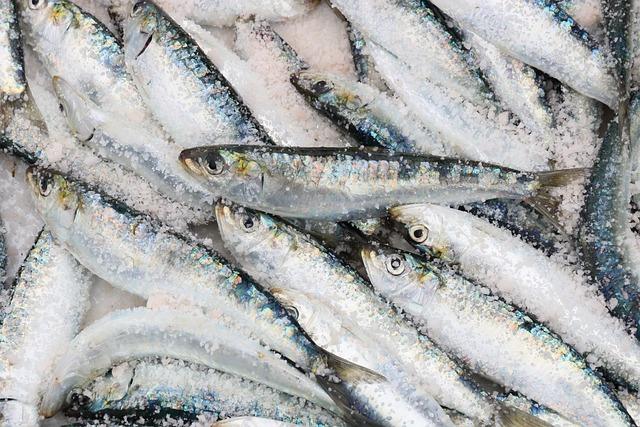
Sardines are small schooling fish that thrive in various marine environments, primarily found in temperate and subtropical oceans around the world. These fish are highly adaptable, preferring nutrient-rich waters where they can find ample food sources. Their habitat ranges from coastal waters to deep oceanic zones, but they are most commonly associated with the continental shelf, where upwelling currents bring nutrients to the surface.
The distribution of sardines can vary significantly based on the species and environmental conditions. Some of the key areas where sardines are abundant include:
- North Atlantic Ocean: Particularly along the coasts of the United States and Europe.
- Pacific Ocean: Concentrations are notable off the coasts of California and Mexico.
- Mediterranean Sea: A crucial region for various sardine species.
- South African Waters: Home to one of the largest sardine runs in the world.
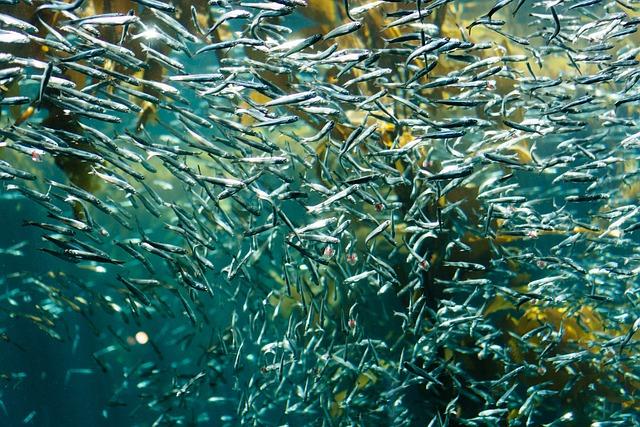
In terms of their ecological role, sardines play a vital part in the marine food web. These fish serve as a significant source of food for larger predators, including various species of birds, fish, and marine mammals. Their presence in large schools helps maintain healthy ocean ecosystems, supporting both commercial fisheries and recreational fishing industries.
Diverse Species: Identifying the Key Varieties of Sardines
Sardines encompass a variety of small, oily fish that belong primarily to the family Clupeidae. Identifying the different species of sardines can enrich your understanding of this versatile fish, commonly enjoyed in dishes around the world. The most recognized types include:
- Sardina pilchardus – Commonly known as the European sardine, this species is prevalent in the Mediterranean and parts of the Atlantic Ocean. It is often packed in cans and cherished for its rich flavor.
- Sardinops sagax – Known as the Pacific sardine, this variety thrives along the western coasts of North America and South America. It has a lighter color and a more subtle taste compared to its European counterpart.
- Sardinella longiceps – The Indian oil sardine is vital to the fishing industry in South Asia, where it is a staple ingredient in many traditional dishes.
Each of these species contributes distinct flavors and textures, making them suited for a variety of culinary applications. Understanding their habitat and characteristics can also provide insight into sustainable fishing practices and the importance of these fish in marine ecosystems. Below is a brief comparison of these sardine species:
| Species | Common Name | Habitat | Flavor Profile |
|---|---|---|---|
| Sardina pilchardus | European Sardine | Mediterranean, Atlantic Ocean | Rich, full-bodied |
| Sardinops sagax | Pacific Sardine | Western North & South America | Lighter, milder |
| Sardinella longiceps | Indian Oil Sardine | South Asia | Oily, savory |

Nutritional Benefits of Sardines: Why They’re a Healthy Choice
Sardines present a treasure trove of nutritional benefits that make them an excellent choice for anyone looking to enhance their diet. Rich in **omega-3 fatty acids**, these small fish support heart health by reducing inflammation, lowering blood pressure, and improving cholesterol levels. They are also a fantastic source of high-quality protein, providing essential amino acids that help in muscle repair and growth.
Additionally, sardines are packed with essential vitamins and minerals, including:
- Vitamin B12: Vital for nerve function and the production of DNA and red blood cells.
- Calcium: Important for maintaining strong bones and teeth.
- Vitamin D: Supports immune function and regulates calcium in the body.
- Selenium: An antioxidant that helps protect cells from damage.
To give you a clearer perspective on the nutritional profile of sardines, here’s a simple overview:
| Nutrient | Per 100g Serving |
|---|---|
| Calories | 208 |
| Protein | 25g |
| Fat | 11.5g |
| Sodium | 300mg |
Incorporating sardines into your diet can provide these essential nutrients while being low in mercury compared to many larger fish, making them a safe and nutritious option for regular consumption.
Sardines in Culinary Traditions: Popular Dishes from Around the World
Sardines have woven themselves into the fabric of culinary traditions across the globe, celebrated for their rich flavor and nutritional benefits. These small fish can be enjoyed in various ways, often forming the centerpiece of beloved regional dishes. Here are a few notable examples:
- Spanish Escudella: A hearty stew featuring sardines, chickpeas, and seasonal vegetables, which reflects the rustic essence of Catalan cuisine.
- Portuguese Sardinhas Assadas: Grilled sardines seasoned with sea salt, typically served with a drizzle of olive oil and fresh bread, capturing the essence of summer along the coastal regions.
- Italian Pasta con le Sarde: A traditional Sicilian dish that combines sardines with pasta, fennel, and pine nuts, creating a harmonious blend of flavors.
- Japanese Goya Champuru: A stir-fry that incorporates sardines, bitter melon, and tofu, showcasing the versatility of sardines in Asian cuisine.
In addition to these, sardines feature prominently in various forms around the world, from canned delicacies to fresh varieties. Their adaptability makes them a staple in many maritime cultures, often served in a way that enhances their distinct umami profile. Here’s a quick look at how sardines are featured across continents:
| Region | Dish | Main Ingredients |
|---|---|---|
| Europe | Sardines en Escabeche | Sardines, vinegar, spices |
| Africa | Fish Tagine | Sardines, tomatoes, herbs |
| Americas | Sardine Tacos | Sardines, cabbage, lime |
| Asia | Sardine Curry | Sardines, coconut milk, spices |
Each dish not only highlights the sardine’s unique taste but also reflects the cultural significance and culinary techniques of its region, proving that this small fish can have a big impact on global cuisines.

Sustainable Fishing Practices: Ensuring the Future of Sardine Species
Sustainable fishing practices are essential for preserving sardine populations and maintaining the delicate balance of marine ecosystems. By implementing responsible management strategies, we can ensure that these ecologically significant fish thrive for generations to come. Key practices include:
- Establishing Quotas: Setting catch limits based on scientific assessments helps to prevent overfishing and allows sardine populations to recover.
- Selective Fishing Gear: Utilizing gear that minimizes bycatch and reduces habitat destruction is crucial. This includes gear designed to target specific species while avoiding unintended captures.
- Monitoring and Transparency: Employing real-time data collection methods and encouraging transparency within the fishing industry ensures adherence to sustainable practices and fosters accountability.
Furthermore, engaging local fishing communities in sustainability initiatives is vital. When fishers are part of the solution, they are more likely to adhere to regulations and protect their livelihoods. Educational programs that raise awareness about the importance of sardines within their ecosystems can motivate communities to embrace sustainable practices willingly. Together, these efforts contribute to the health of sardine stocks and the broader marine environment.
How to Choose and Store Sardines: Tips for Freshness and Quality
When selecting sardines, it’s essential to prioritize both freshness and quality to ensure you’re getting the best taste from this nutritious fish. Start by examining the appearance of the sardines. Look for fish that have shiny, metallic skin, clear eyes, and a firm texture. Avoid sardines that appear dull or have a slimy coating, as these can indicate spoilage. Additionally, consider the source of your sardines; those that are caught in the wild tend to have a superior flavor compared to farmed varieties.
Proper storage is crucial in maintaining the freshness of your sardines. Follow these tips:
- Keep them cold: Store fresh sardines in the refrigerator at temperatures below 40°F (4°C). Place them on ice if possible to absorb moisture and stay fresh longer.
- Limit exposure: Store sardines in an airtight container to prevent exposure to air, which can lead to oxidation and spoilage.
- Use them quickly: Aim to consume fresh sardines within 1-2 days of purchase for the best flavor and texture.
- Freezing option: If you can’t use them right away, freezing sardines can extend their shelf life. Wrap them tightly in freezer-safe packaging and store them; they can last up to three months.
| Storage Method | Duration | Notes |
|---|---|---|
| Refrigerator | 1-2 days | Best for fresh sardines. |
| Freezer | Up to 3 months | Ideal for longer storage. |
| In Oil (Canned) | Years (unopened) | Check expiration date. |
Health Considerations: Potential Allergies and Dietary Restrictions with Sardines
When introducing sardines into your diet, it’s essential to consider the potential health implications, particularly for individuals with allergies or dietary restrictions. While sardines are nutrient-rich and offer numerous health benefits, they can pose challenges for some people.
Common Allergies: Sardines belong to the same family as other fish, and allergy sufferers should be cautious. Fish allergies can range from mild reactions to severe anaphylactic responses. Symptoms may include:
- Skin rash or hives
- Swelling of lips, face, or throat
- Difficulty breathing or wheezing
- Abdominal cramps or gastrointestinal distress
Dietary Restrictions: Aside from allergies, dietary norms may also limit sardine consumption. It’s important to be aware of:
- Mercury Levels: While sardines are generally low in mercury, some individuals may be advised to limit fish intake due to environmental toxins.
- Religious or Ethical Views: Certain dietary laws, such as kosher or halal, will affect the consumption of sardines based on their sourcing and preparation.
- Vegetarian and Vegan Diets: As an animal product, sardines are unsuitable for individuals following a plant-based diet.
For those who do not have allergies and have no dietary restrictions, sardines can be a healthy addition, offering omega-3 fatty acids, protein, and essential vitamins. However, it’s always best to consult with a healthcare provider or nutritionist when making significant changes to your diet, especially when food allergies or restrictions are involved.
Cooking Techniques: Exploring Ways to Enjoy Sardines at Home
Cooking with sardines opens up a world of flavors and culinary possibilities. These nutrient-dense fish can be enjoyed in various preparations, allowing you to appreciate their rich taste and numerous health benefits. Here are some exciting techniques you can try:
- Grilling: Marinate sardines in olive oil, garlic, and herbs before throwing them on the grill for a smoky, charred finish.
- Pan-Frying: Lightly dusting sardines with flour and pan-frying them creates a crispy coating, perfect for serving them with a squeeze of lemon.
- Baking: Toss sardines with vegetables and herbs in a baking dish, drizzle with olive oil, and bake. This method helps meld flavors wonderfully.
- Smoking: For a unique twist, try hot or cold smoking your sardines for a robust flavor profile that enhances their natural taste.
- Canning: If you’re up for an adventure, canning fresh sardines can be a rewarding process, ensuring you have these delicious fish on hand for future meals.
Each of these techniques highlights sardines’ versatility and can elevate simple dishes into flavorful meals. To help you explore different species of sardines, here’s a brief overview of some popular varieties:
| Species | Common Name | Notes |
|---|---|---|
| Sardina pilchardus | European Sardine | Widely consumed, often found canned. |
| Engraulis encrasicolus | European Anchovy | Small, oily fish with a strong flavor. |
| Sardinops sagax | Pacific Sardine | Common in the Pacific and used in various cuisines. |
Q&A
Q&A: What Fish Are Sardines? Species Identification
Q: What exactly are sardines?
A: Sardines are small, oily fish that belong to the herring family, specifically the Clupeidae. While “sardine” can refer to several different species, the name is most commonly associated with a few key types that are popular in culinary dishes and canned products.
Q: Which species are considered sardines?
A: The term “sardine” typically encompasses species such as the European sardine (Sardina pilchardus), the Pacific sardine (Sardinops sagax), and the American sardine (Sardinops caeruleus). Each species varies slightly in terms of habitat, size, and flavor profile, but they share similar characteristics.
Q: How can I identify sardines?
A: Sardines are usually small, slender fish, averaging about 15 to 30 cm in length. They have a bluish or greenish back with silver sides. One distinguishing feature is their large eyes relative to their body size and a single dorsal fin situated towards the rear of their body.
Q: Where are sardines commonly found?
A: Sardines are found in both the Atlantic and Pacific Oceans, typically inhabiting coastal waters. They prefer temperate zones and often form large schools near the surface, which makes them easier to fish.
Q: Are all sardines the same size?
A: Generally, sardines are small fish, but size can vary by species. European sardines can grow up to about 25 cm, while Pacific sardines can reach up to 30 cm. However, most sardines marketed for consumption are smaller, typically around 15 cm.
Q: What do sardines eat?
A: Sardines are filter feeders, primarily consuming plankton, including phytoplankton and zooplankton. They play an important role in the marine food web, serving as a primary food source for many larger fish, seabirds, and marine mammals.
Q: Why are sardines popular in cuisine?
A: Sardines are not only delicious but are also packed with nutrients. They are a great source of omega-3 fatty acids, protein, vitamins, and minerals. Their rich flavor and versatility make them a favorite in various culinary traditions, from Mediterranean dishes to Asian cuisines. Also, they are often canned, making them accessible and easy to use in different recipes.
Q: How can I tell if canned sardines are good quality?
A: When choosing canned sardines, look for products that list sardines as the primary ingredient and come in olive oil or water. Check for freshness by examining the expiration date and inspecting the can for any dents or damage, which could indicate spoilage or compromised quality.
Q: Are there any health benefits to eating sardines?
A: Absolutely! Sardines are rich in omega-3 fatty acids, which are essential for heart and brain health. They also contain calcium, vitamin D, and vitamin B12. Including sardines in your diet can help support overall health, improve mood, and reduce inflammation.
Q: Is overfishing a concern for sardine populations?
A: Yes, overfishing has impacted sardine populations in some areas. Sustainable fishing practices are crucial to ensuring that sardine stocks remain healthy and viable for future generations. It’s important to be mindful of sourcing sardines from reputable fisheries that follow sustainable practices.
Q: How can I incorporate sardines into my diet?
A: Sardines can be enjoyed in many ways! They can be added to salads, pizza, pasta dishes, or made into spreads. Canned sardines are particularly convenient and can be eaten directly from the can, served on crackers, or mixed into dips. The possibilities are endless!
Feel free to reach out if you have more questions about sardines or any other fish species!
In Retrospect
identifying sardines is more than just knowing a name; it’s about understanding the diverse species that make up this fascinating fish family. From the flavorful Sardina pilchardus to the delicate Sardinops sagax, each variety brings its unique characteristics and culinary potential to our plates. As you explore the world of sardines, remember that their rich history and nutritional benefits make them a delightful addition to any meal. Whether you’re a seasoned seafood lover or just starting out, embracing the variety within the sardine family can enhance your culinary adventures. So, next time you pick up a can or order them at a restaurant, you’ll do so with a newfound appreciation for these little fish that pack a big punch. Happy exploring!