Apple Cider Fermentation: How Long Does It Take?
Are you ready to embark on a bubbling adventure that will have your taste buds dancing like nobody’s watching? If you’ve ever wondered how long it takes to transform ordinary apples into a tantalizing elixir of fermented goodness, you’re in the right place! “Apple Cider Fermentation: How Long Does It Take?” delves into the delightful world of fermentation, unraveling the curious timeline that turns fresh-picked apples into the aromatic drink you can’t wait to sip. Spoiler alert: it’s not as long as waiting for your favorite TV show to release its next season! So grab your cider-making gear, because this article promises to be both fun and informative—just like a good punchline at a family reunion! Let’s dive in and discover the magic behind fermentation, one bubbly sip at a time.

Article Contents
- Understanding the Apple Cider Fermentation Process
- Factors Influencing Fermentation Time
- Choosing the Right Ingredients for Successful Fermentation
- Signs Your Apple Cider is Ready
- Tips for Monitoring the Fermentation Progress
- Common Mistakes to Avoid During Fermentation
- Post-Fermentation: Bottling and Storing Your Cider
- Enhancing Flavor Profiles After Fermentation
- Frequently asked questions
- Final Thoughts
Understanding the Apple Cider Fermentation Process
The fermentation of apple cider is a fascinating process that transforms sweet apple juice into a delicious, tangy beverage. It primarily involves the action of yeast on the sugars present in the apple juice, resulting in the production of alcohol and carbon dioxide. This process can be broken down into several key stages:
- Preparation: Freshly pressed apple juice is gathered, free from contaminants and ready for fermentation.
- Addition of Yeast: Wild or cultured yeast is introduced to the juice. Wild yeast occurs naturally on the apple skins, while cultured strains can offer predictability in flavor and alcohol content.
- Fermentation Phase: The yeast begins consuming the sugars in the juice, converting them into alcohol and releasing carbon dioxide. This phase can vary in duration, typically lasting from a few days to several weeks.
- Maturation: After the primary fermentation, the cider often undergoes a secondary fermentation phase, where the flavors blend and mature over weeks or months.
- Bottling: Once the desired flavors are achieved, the cider is filtered, and then bottled for carbonation and shelf life.
The timeline for fermentation can depend on various factors, including the apple varieties used, the yeast strain, and environmental conditions such as temperature. In a warmer environment, fermentation will typically progress more quickly, while cooler temperatures may slow the process. Here’s a simple breakdown of the fermentation timeline:
| Stage | Duration |
|---|---|
| Primary Fermentation | 5-14 days |
| Secondary Fermentation | 2-6 weeks |
| Maturation | 1-6 months |
| Ready to Bottle | 6-12 months |
Understanding these stages can help cider makers craft a product that’s tailored to their taste preferences, balancing sweetness and acidity while ensuring a crisp, refreshing end result. Each batch can yield unique flavors, making cider crafting a continuously rewarding endeavor.
Factors Influencing Fermentation Time
Fermentation is a complex process influenced by various factors that can significantly impact the duration it takes for apple cider to ferment. Understanding these elements is essential for achieving the desired flavor and quality in your final product. Here are some key considerations:
- Temperature: The ambient temperature plays a crucial role in fermentation. Warmer temperatures typically accelerate yeast activity, while cooler conditions may slow it down. Ideal fermentation temperatures for apple cider range from 60°F to 75°F (15°C to 24°C).
- Yeast Strain: Different yeast strains have varied fermentation rates and characteristics. Some strains work quickly, attenuating sugars rapidly, while others may take longer but provide unique flavor profiles.
- Sugar Content: The initial sugar levels of the apple juice will determine how long fermentation lasts. Higher sugar concentrations can lead to longer fermentation times as yeast consumes the sugars gradually.
- Nutrient Availability: Yeasts require nutrients to thrive. If the apple juice lacks necessary vitamins and minerals, fermentation may become sluggish. Adding yeast nutrient can help maintain a healthy fermentation rate.
| Factor | Impact on Fermentation Time |
|---|---|
| Temperature | Higher temperatures speed up fermentation; lower temperatures slow it down. |
| Yeast Strain | Fast-acting strains ferment quicker; slow strains can enhance flavor. |
| Sugar Content | Higher sugar fosters extended fermentation as yeast slowly consumes sugars. |
| Nutrient Availability | Lack of nutrients can cause delays; additions can facilitate a smooth process. |
Ultimately, monitoring these factors will help you achieve optimal fermentation, leading to delicious apple cider that you can enjoy at its best. Adjusting and experimenting with these influences can also help you refine your cider-making skills over time.
Choosing the Right Ingredients for Successful Fermentation
When diving into the world of apple cider fermentation, the choice of ingredients plays a crucial role in determining not just the flavor, but also the success of your fermentation process. Here are some key components to consider:
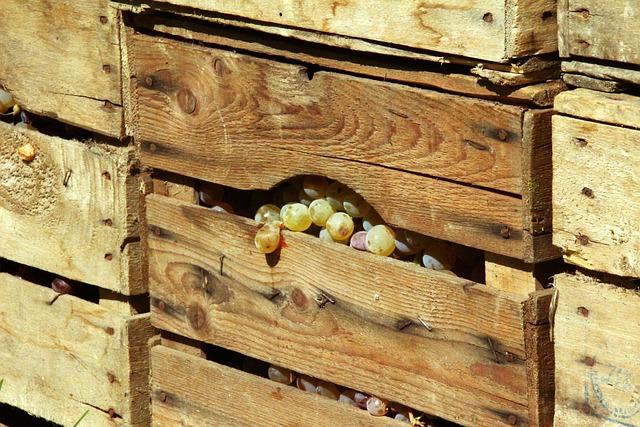
- Apples: The quality and variety of apples dramatically influence your cider’s flavor. Consider using mixes of sweet, tart, and aromatic apples to create a balanced profile.
- Yeast: While wild fermentation can be exciting, using a specific yeast strain can give you more control over the taste and fermentation time. Look for strains that are highly efficient and suited for cider making.
- Water: If you’re using concentrated apple juice, make sure your water is filtered and free from impurities, as they might alter the end flavor.
- Sugar: Depending on your taste preference, adding sugar or other fermentable ingredients can enhance the fermentation process. Just be cautious, as too much can lead to an overly sweet cider.
- Nutrients: Yeast nutrients can significantly impact fermentation health. Adding a balanced nutrient can help prevent any sluggish fermentations and lead to a better final product.
Here’s a quick comparison of some popular apple varieties and their characteristics for fermentation:
| Apple Variety | Sugar Level | Acidity | Flavor Profile |
|---|---|---|---|
| Honeycrisp | Medium | Low | Sweet, Crisp |
| Granny Smith | Low | High | Tart, Refreshing |
| Fuji | High | Medium | Sweet, Juicy |
By carefully selecting your ingredients, you can set your fermentation process up for success and create a delightful apple cider that reflects your unique taste preferences.
Signs Your Apple Cider is Ready
Knowing when your apple cider is ready can be the key to achieving that perfect balance of flavor and acidity. As fermentation progresses, there are several telltale signs to watch for:
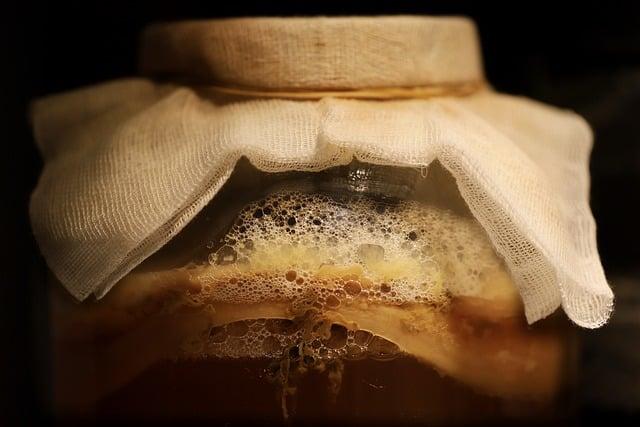
- Bubbling Activity: The most obvious sign that fermentation is underway is the presence of bubbles. If you see bubbles rising to the surface or a steady fizz in your fermentation vessel, that means yeast is actively converting sugars into alcohol and carbon dioxide.
- Change in Aroma: Pay attention to the smell. At the beginning of fermentation, you might notice a fruity scent from the fresh apples. As fermentation continues, this aroma will evolve into a more complex profile, often accompanied by a slightly sour note. If it begins to smell off or foul, that could be a sign of spoilage.
- Floating Sediment: As the fermentation process matures, you’ll likely notice sediment settling at the bottom of your fermentation vessel. This is a natural occurrence; it consists of dead yeast cells and other particulates.
After about 1 to 3 weeks, you should also consider tasting your cider. The flavor should have shifted towards a tangy taste with a hint of sweetness. If it tastes too sweet, that might mean it’s still fermenting, while an overly dry cider indicates the fermentation is complete.
Additionally, if you’re inclined, you can use a hydrometer to measure the specific gravity of your cider. A stable reading over a few days will confirm that fermentation has finished:
| Specific Gravity Range | Fermentation Stage |
|---|---|
| 1.080 – 1.060 | Active Fermentation |
| 1.060 – 1.010 | Near Completion |
| Below 1.010 | Fermentation Complete |
By observing these signs and checking the taste, smell, and specific gravity, you can confidently determine when your apple cider is ready to enjoy!
Tips for Monitoring the Fermentation Progress
Monitoring the fermentation progress of your apple cider is essential to achieve the desired flavor profile and alcohol content. Here are some effective strategies to keep an eye on your brew:
- Visual Inspection: Look for signs of bubbling or foaming, which indicate active fermentation. Typically, you’ll see bubbles rising to the surface and forming a light crust.
- Hydrometer Readings: Use a hydrometer to measure the specific gravity of your cider. Taking readings at regular intervals will help you track sugar consumption and fermentation activity.
- Smell Test: Pay attention to the aroma. A fruity, sweet smell suggests healthy fermentation, while any sour or off-putting odors might indicate spoilage or unwanted bacteria.
It’s also beneficial to maintain a consistent fermentation environment. Here’s a quick guide to factors that can affect your cider’s progress:
| Factor | Optimal Condition |
|---|---|
| Temperature | 60-75°F (15-24°C) |
| Oxygen Availability | Avoid excessive exposure |
| Yeast Activity | Use healthy, active yeast strains |
By keeping these tips in mind, you’ll be well-equipped to monitor the fermentation of your apple cider and make adjustments as needed for the best results.
Common Mistakes to Avoid During Fermentation
Fermentation is an art, but it’s also a process where common pitfalls can derail the best intentions. Here are some key factors to consider that can help ensure a successful batch of apple cider:
- Ignoring Cleanliness: Sanitation is paramount. Always clean and sanitize your equipment thoroughly before starting the fermentation. Any residual bacteria or wild yeast can lead to off-flavors and spoilage.
- Using Low-Quality Ingredients: The quality of apples and yeast can make or break your cider. Opt for fresh, organic apples and a reliable yeast strain designed for cider-making to achieve the best flavor profile.
- Too Aggressive Temperature Control: Fermentation occurs best within a specific temperature range. Avoid rapid temperature fluctuations, which can stress the yeast and result in undesired flavors. Aim for a steady environment—generally between 60°F to 75°F (15°C to 24°C) is ideal.
- Rushing the Process: Cider takes time. Be patient and allow it to ferment fully before bottling. Bottling too early can lead to over-carbonation, bottle bombs, or even spoilage.
- Neglecting Taste Testing: Regularly taste your cider during fermentation to monitor its development. This will help you determine when it’s ready for the next step, and gives you a chance to adjust flavors if necessary.
By avoiding these mistakes, you’ll elevate your fermentation game and enjoy the fruits of your labor—literally!

Post-Fermentation: Bottling and Storing Your Cider
Once the fermentation process reaches its conclusion, you’ll want to pay close attention to the bottling and storage phases to ensure your cider retains its delightful flavor and carbonation. Here are some essential tips to guide you through these final steps:
- Sanitize Everything: Before bottling, it’s critical to sanitize all your equipment—bottles, caps, and siphoning tools. This helps prevent any unwanted contamination.
- Choose Your Bottles: Glass bottles are often preferable for cider. Select sturdy ones, as they can handle the pressure if you’re carbonating your cider.
- Careful Siphoning: Gently siphon your cider into the bottles, avoiding the sediment at the bottom of your fermentation vessel. This sediment can affect both taste and clarity.
After bottling, proper storage is key to maintaining the quality of your cider. Here’s what to keep in mind:
- Temperature Control: Store your bottles in a cool, dark place with a consistent temperature—ideally between 50-60°F (10-15°C).
- Avoid Sunlight: Exposure to sunlight can cause undesirable flavors, so keep your cider away from light.
- Age Gracefully: Allow your cider to age for at least a few weeks. This not only helps develop flavors but also allows the carbonation to settle.
For those interested in the carbonation process, here’s a simple breakdown of the options for your cider:
| Method | Description | Pros | Cons |
|---|---|---|---|
| Natural Carbonation | Adding priming sugar before bottling allows carbonation to develop naturally. | Complex flavors | Requires monitoring and time |
| Forced Carbonation | Using a CO2 tank to carbonate the cider quickly. | Fast and consistent bubbles | Initial setup cost |
By following these tips, you can ensure that your cider is bottled and stored correctly, paving the way for a refreshing and flavorful experience. Enjoy the fruits of your labor!
Enhancing Flavor Profiles After Fermentation
After fermentation, enhancing the flavor profiles of your apple cider can elevate the beverage from good to exceptional. While the fermentation process creates the foundational flavors, there are several methods to fine-tune the final product, making it a true reflection of your unique style.
- Secondary Fermentation: This stage allows for deeper flavor integration. You can add additional fruits or spices during this process to infuse complexity. Consider experimenting with citrus peels, cinnamon, or even vanilla beans for a distinctive twist.
- Barrel Aging: Aging cider in oak barrels imparts rich, woody, and vanilla notes. This method can add depth and soften the sharpness of fresh apple flavors, resulting in a well-rounded final product.
- Back-Sweetening: Adjusting sweetness levels after fermentation can create a more balanced flavor. Use natural sweeteners like honey or additional apple juice to achieve the desired taste.
- Carbonation Adjustment: While carbonation is typically a part of the fermentation process, revisiting it post-fermentation through natural carbonation or forced carbonation methods can change the mouthfeel and enhance flavor perception.
When making adjustments, it’s essential to taste and assess at each stage. Doing so not only helps in understanding how each method impacts flavor but also allows for customization according to personal preference. Here’s a simple guideline to follow for flavor adjustments:
| Adjustment Method | Flavor Characteristics | Recommended Additions |
|---|---|---|
| Secondary Fermentation | Complexity, depth | Fruits, spices |
| Barrel Aging | Woody, smooth | Oak barrels, charred barrels |
| Back-Sweetening | Balanced sweetness | Honey, apple juice |
| Carbonation Adjustment | Effervescence, mouthfeel | CO2, natural sugars |
Incorporating these enhancement techniques post-fermentation can significantly influence the overall drinking experience, allowing your apple cider to shine uniquely on the palate.
Frequently asked questions
Q&A on Apple Cider Fermentation: How Long Does It Take?
Q: What is apple cider fermentation?
A: Apple cider fermentation is the process where yeast converts the sugars in apple juice into alcohol and carbon dioxide. This transformation not only preserves the juice but also develops complex flavors. It’s an essential step in making hard cider, where the resulting beverage can range from sweet to dry, depending on fermentation conditions.
Q: How long does apple cider fermentation typically take?
A: The fermentation timeline can vary based on a few factors, but generally, primary fermentation lasts anywhere from 1 to 3 weeks. Factors such as the type of yeast used, temperature, and sugar content of the juice can affect the duration. After primary fermentation, secondary fermentation or aging can take several weeks to months, depending on your desired flavor profile.
Q: What factors influence the fermentation time?
A: Several factors can impact fermentation time:
-
Yeast Strain: Different yeast varieties have varying fermentation rates. For example, champagne yeast tends to work faster than others.
-
Temperature: Yeast is temperature-sensitive. Warmer temperatures (around 70–75°F) typically speed up fermentation, while cooler temperatures can slow it down.
-
Sugar Content: Higher sugar levels can extend fermentation time as the yeast has more sugars to convert.
-
Oxygen Exposure: Initial oxygen exposure is vital for yeast activation, but too much can slow down the process later.
Q: How can I tell when fermentation is complete?
A: You can check for completion by observing bubbles in your airlock. When bubbling significantly slows or stops, that’s a strong indicator that primary fermentation is done. Another way is to measure the specific gravity using a hydrometer. When the specific gravity remains stable over a few days, it signals that fermentation is complete.
Q: Is it necessary to have a secondary fermentation stage?
A: While not strictly necessary, secondary fermentation is a common practice among cider makers. This stage allows for sediment to settle and can improve clarity and flavor. It might also help develop more complex flavors over time. If you’re in a hurry or prefer a simpler method, primary fermentation alone can yield a tasty cider as well.
Q: What happens if fermentation takes longer than expected?
A: If fermentation is taking longer than usual, it might mean a couple of things: the yeast may be underperforming due to low temperatures or there could be too little sugar for fermentation. As long as there are no signs of spoilage (like off smells or colors), it’s often just a case of waiting it out.
Q: Can I speed up the fermentation process?
A: There are a few ways to encourage quicker fermentation, such as using a yeast nutrient, ensuring optimal temperatures, and selecting fast-acting yeast strains. However, rushing the process can sometimes compromise flavor, so it’s usually best to let it take its natural course.
Q: What are the signs that my cider has fermented properly?
A: Properly fermented cider will typically have a pleasant alcohol aroma and a slightly acidic, fruity taste. It should no longer taste overwhelmingly sweet, indicating that most of the sugars have been converted. You may also notice a slight fizz if it’s carbonated.
Q: Is there a ‘best’ time frame to wait before bottling my cider?
A: It’s generally recommended to wait at least a month after fermentation for bottling, allowing flavors to mature and settle. Some cider makers prefer to wait months for enhanced complexity, but this can depend on personal preference and the specific characteristics you’re aiming for in your cider.
Q: Any final tips for novice cider makers?
A: Absolutely! Start with fresh, quality apples or juice, and ensure everything is sanitized to prevent unwanted bacteria. Keep a close eye on the fermentation process, but don’t stress too much; patience is key! taste your cider at different stages; it’s a fun way to understand how flavors develop over time. Happy fermenting!
Final Thoughts
the journey of apple cider fermentation is both an art and a science, offering a delightful blend of patience and excitement. Whether you’re a novice or a seasoned homebrewer, understanding the fermentation timeline is crucial to crafting that perfect batch of cider. Remember, while the general range is typically between one to three weeks, factors like temperature, yeast variety, and your personal taste preferences will play significant roles in the outcome. So, embrace the process, keep experimenting, and don’t forget to savor every step—because the best cider is the one that reflects your unique touch. Happy fermenting!