Beer in Fermenter: How Long to Leave It?
So, you’ve taken the plunge into home brewing, and now your precious brew is bubbling away in the fermenter, looking more like a science experiment than liquid gold. But wait—how long should you leave it in there? Patience, dear brewer! This article will not only answer that crucial question but will also unearth the secrets of fermentation time that even seasoned hopheads may not know. From deciding if your beer needs to be a social butterfly or a hermit before it hits the bottle, to avoiding the “oops, I over-carbonated” disaster, we’ve got all the juicy details wrapped in a frothy, humorous package. Get ready to master your brew with our complete guide on how long to let that yeast do its delightful dance! Cheers to brewing success!
Article Contents
- Understanding the Fermentation Process in Beer Brewing
- Key Factors Influencing Fermentation Time
- The Importance of Temperature Control
- Signs Your Beer Is Ready for Bottling
- Best Practices for Monitoring Fermentation
- Troubleshooting Common Fermentation Issues
- Tips for Aging and Flavor Development in Your Beer
- Frequently asked questions
- Concluding Remarks
Understanding the Fermentation Process in Beer Brewing
The fermentation process is crucial for transforming simple sugars from malt into alcohol and carbon dioxide, contributing greatly to the flavor and character of beer. Using yeast, a living organism, brewers initiate fermentation, and various factors can influence its duration. Here are some key points to consider during fermentation:
- Yeast Type: Different strains of yeast have distinct fermentation profiles, with some being faster and others yielding complex flavors over a longer period.
- Temperature Control: Maintaining an optimal temperature range is essential. Warmer temperatures can accelerate fermentation, while cooler ones may slow it down, affecting the final product.
- Gravity Readings: Regularly measuring the specific gravity can help determine when fermentation is complete. A stable gravity reading over a few days indicates that the beer may be ready to be bottled or kegged.
Typically, primary fermentation lasts between one to two weeks, depending on the beer style and conditions. However, it is essential to take into account the following durations for various stages:
| Stage | Recommended Timeframe |
|---|---|
| Primary Fermentation | 1-2 weeks |
| Secondary Fermentation (optional) | 1-2 weeks |
| Conditioning / Carbonation | 2-4 weeks (bottle conditioning) |
Understanding these variables can help brewers decide exactly how long to leave beer in the fermenter, ensuring it reaches its best potential before moving on to the next brewing phase.
Key Factors Influencing Fermentation Time
When determining the length of time to leave your beer in the fermenter, several crucial factors come into play. Understanding these variables can significantly impact the quality and flavor of your final brew.
- Yeast Strain: Different yeast strains ferment at varying rates. For instance, ale yeast typically ferments faster than lager yeast, which can take longer to perform its magic.
- Temperature: The fermentation temperature greatly influences the metabolic activity of the yeast. Warmer temperatures can speed up fermentation, while cooler conditions may prolong the process.
- Original Gravity: The initial sugar content of the wort, measured as specific gravity, dictates how much fermentation is required. Higher original gravity readings usually lead to longer fermentation times.
- Oxygen Levels: Oxygen availability can affect yeast activity. Too much oxygen can hinder fermentation, making it essential to manage this factor carefully.
Other environmental conditions, such as pH and the presence of nutrients, can also play a role in fermentation duration. It’s vital to monitor the fermentation process closely, allowing the beer to reach its peak flavor profile before bottling, as premature bottling can lead to undesirable results, including over-carbonation and off-flavors.
| Factor | Impact on Fermentation Time |
|---|---|
| Yeast Strain | Varies; ales < 2 weeks, lagers 3-4 weeks |
| Temperature | Higher temp = faster fermentation |
| Original Gravity | Higher gravity = longer fermentation |
| Oxygen levels | Optimal levels improve speed; excess can harm |
The Importance of Temperature Control
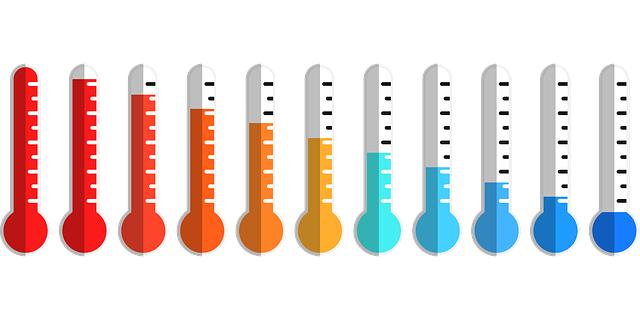
Maintaining the right temperature during fermentation is crucial for the quality of your beer. Yeast, the tiny organisms responsible for fermentation, is highly sensitive to temperature fluctuations. Extreme variations can lead to stress on the yeast, resulting in off-flavors and undesirable aromas. For instance:
- Low temperatures may produce sluggish fermentation, leaving residual sugars and a sweeter beer than intended.
- High temperatures can speed up fermentation, but it risks generating unwanted esters and phenols, which could spoil the flavor profile.
It’s essential to monitor and control the fermentation temperature closely. Consider these general temperature ranges for different types of yeast:
| Yeast Type | Optimal Temperature Range (°F) |
|---|---|
| Ale Yeast | 65-75 |
| Lager Yeast | 45-55 |
| Belgian Yeast | 70-80 |
By ensuring your fermentation process occurs within these optimal ranges, you’ll not only enhance the flavor and aroma of your beer but also pave the way for a successful brew that you can be proud of. Remember, patience and precision are key in creating the perfect batch!
Signs Your Beer Is Ready for Bottling
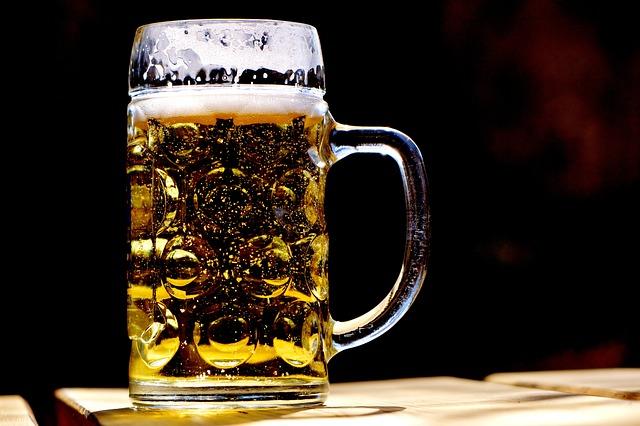
Knowing when your beer is ready for bottling is crucial for achieving a delicious final product. Here are a few signs to look out for:
- Bubbling Has Stopped: When fermentation is in full swing, you will notice consistent bubbling from the airlock. Once the bubbles have significantly slowed or stopped, it’s a strong indicator that fermentation is nearing completion.
- Stable Gravity Readings: Take hydrometer readings over a few days. If the gravity remains constant for 2-3 days, this suggests fermentation has finished. The final gravity should align with your expected range based on the recipe.
- Clear Appearance: As yeast settles at the bottom of the fermenter, the beer will typically become clearer. If you can see through your beer, it’s a good sign that fermentation is complete and yeast has flocculated out.
- Reduced Sediment Activity: If there’s minimal movement in the sediment layer of your fermenter, it’s a sign that fermentation is likely complete. Active fermentation usually keeps the yeast in suspension.
Here’s a quick reference table for common final gravity readings for various beer styles:
| Beer Style | Expected Final Gravity (FG) |
|---|---|
| Light Lager | 1.005 – 1.010 |
| Pale Ale | 1.010 – 1.014 |
| Stout | 1.010 – 1.020 |
| Wheat Beer | 1.008 – 1.014 |
If you notice these changes, it’s time to consider bottling your brew!
Best Practices for Monitoring Fermentation
Effectively monitoring the fermentation process is vital for brewing high-quality beer. Here are some essential practices to ensure everything runs smoothly:
- Temperature Control: Keep an eye on the fermentation temperature, as it can significantly influence the flavor profile and consistency of your brew. Use a reliable thermometer and consider temperature control equipment to maintain optimal conditions.
- Gravity Readings: Regularly take gravity readings using a hydrometer. This helps track the fermentation progress and determines when it’s time to move to the next step or bottle the beer.
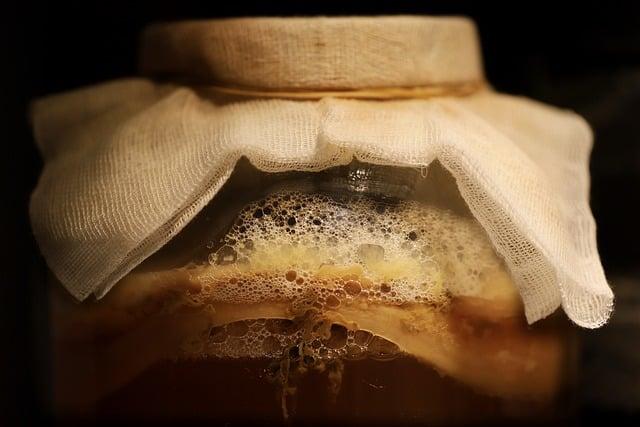
- Visual Inspection: Observe the fermentation vessel for signs of activity such as bubbling, foam, or a krausen layer. These visual cues can provide insight into the fermentation’s health and progression.
- Aroma Check: Trust your senses. Occasionally, peek and take a whiff of the fermentation airlock. A healthy ferment will often yield pleasant odors, while off-aromas may indicate potential issues.
| Monitoring Aspect | Recommended Tool | Frequency |
|---|---|---|
| Temperature | Thermometer or Temp Controller | Daily |
| Gravity | Hydrometer | Every few days |
| Visual Cues | Eye Inspection | Daily |
| Aroma | Airlock sniffing | Weekly |
By diligently applying these practices, you can achieve a more consistent and successful fermentation, ultimately leading to exceptional beer. Remember, the key to great brewing lies in attentive observation and timely adjustments.
Troubleshooting Common Fermentation Issues
Fermentation can be an unpredictable process, and various issues may arise during the brewing journey. Here are some common problems you might encounter and suggestions on how to address them:
- Slow Fermentation: If your beer isn’t bubbling away as expected, check the temperature. Yeast thrives at specific temperatures, usually between 65°F and 75°F (18°C to 24°C). Consider gently warming your fermenter or using a heat belt if the environment is too cool.
- Stuck Fermentation: If fermentation appears to have stalled, adding a small amount of yeast nutrient can help rejuvenate the yeast. Another option is to gently swirl the fermenter to re-suspend the yeast and get it back to work.
- Off-flavors: Off-flavors such as diacetyl (buttery taste) or acetaldehyde (apple-like flavor) can occur. The key is to allow adequate time for the yeast to clean up these compounds by letting your beer sit for a few additional days after fermentation appears complete.
In any case, patience is essential. Monitoring your fermentation closely and taking corrective actions when necessary can lead to a vastly improved brew. Here’s a simple table showing common signs and possible solutions:
| Issue | Sign | Solution |
|---|---|---|
| Slow Fermentation | Few bubbles in the airlock | Increase temperature gently |
| Stuck Fermentation | No airlock activity | Add yeast nutrient |
| Off-flavors | Diacetyl or acetaldehyde tastes | Extra conditioning time |

Tips for Aging and Flavor Development in Your Beer
When considering how long to age your beer, it’s important to recognize how aging can enhance flavor complexity. As beer matures, several processes come into play that can significantly alter its taste profile:
- Oxidation: Controlled oxidation can develop rich, sherry-like notes, particularly in darker ales. However, excessive oxidation may lead to undesirable cardboard flavors.
- Maturation of Hops: Over time, hop bitterness can mellow, while their aromatic qualities may fade. This is especially vital for hop-forward styles like IPAs, where aging should be approached with caution.
- Malty Complexity: Aging can deepen the malt character, bringing forth layers of toffee, caramel, and dark fruit notes, especially in stouts and barleywines.
To better understand how aging influences different styles of beer, it can be helpful to reference a simple aging guide:
| Beer Style | Recommended Aging Time | Flavor Changes |
|---|---|---|
| IPA | 0-3 months | Hop aroma and bitterness declines |
| Stout | 6 months – 1 year | Enhanced malt complexity and depth |
| Barleywine | 1-3 years | Rich fruit and caramel flavors dominate |
Ultimately, the duration of your beer’s aging process should reflect your desired flavor outcome. Experimentation is key; just be sure to keep detailed notes of each batch to fully appreciate the nuances that time can bring to your brew.
Frequently asked questions
Q&A: Beer in Fermenter: How Long to Leave It?
Q1: What is fermentation, and why is it important in beer brewing?
A1: Fermentation is the process where yeast converts sugars from the wort (the liquid extracted from malted grains) into alcohol and carbon dioxide. This step is crucial because it not only produces the alcohol content of the beer but also contributes to its flavor, aroma, and mouthfeel. Without fermentation, we wouldn’t have beer!
Q2: How long should beer be left in the fermenter?
A2: The duration for fermentation can vary widely depending on the type of beer you’re brewing, the yeast strain used, and the fermentation temperature. Generally, primary fermentation can last anywhere from a week to several weeks. Most ales are typically ready in about one to two weeks, while lagers may require a longer fermentation period of three to five weeks, sometimes even longer.
Q3: What happens if I leave my beer in the fermenter too long?
A3: Leaving your beer in the fermenter for an extended period can lead to off-flavors and undesirable characteristics. The yeast can produce byproducts like diacetyl, which can impart a buttery flavor, or autolysis, where yeast cells start breaking down and can create a “rubbery” taste. However, some styles, particularly certain lagers, benefit from extended periods in the fermenter as yeast can clean up flavors.
Q4: How can I tell when fermentation is complete?
A4: The most accurate way to determine if fermentation is complete is by taking hydrometer readings. Measure the specific gravity of your beer a couple of days apart. If the readings remain stable and show no change, fermentation is likely complete. Additionally, you may notice a decrease in bubbling from the airlock and can sometimes see the yeast layer settling at the bottom.
Q5: Is it necessary to transfer to a secondary fermenter?
A5: Transferring to a secondary fermenter, or racking, is not strictly necessary for most homebrewers. It can be beneficial for styles that require longer fermentation or aging, as it helps clarify the beer and can reduce the risk of off-flavors from yeast sediment. However, many brewers successfully skip this step, particularly with ales that are consumed fresh.
Q6: Can I add additional flavorings or ingredients during fermentation?
A6: Absolutely! Many brewers like to add hops for dry hopping, fruits, or other flavorings during fermentation. Just be mindful of the timing, as adding ingredients too late can affect clarity and flavor. If you’re adding something like fruit, doing it in the primary fermentation can also help extract flavors as the yeast is very active.
Q7: When should I bottle or keg my beer?
A7: You should bottle or keg your beer once fermentation is complete and you’re satisfied with the taste after sampling it during racking. As a rule of thumb, wait at least two weeks, check your gravity readings, and then proceed with bottling or kegging. This is when you’ll add priming sugar if you’re bottling to carbonate your beer.
Q8: What advice do you have for beginners about fermentation time?
A8: Be patient! It’s tempting to rush the process, but good things come to those who wait. Keep an eye on your fermentation, take notes, and trust your instincts. Every batch can be a learning experience. Also, remember to sanitize everything to avoid contamination, and don’t be afraid to experiment with different styles and techniques as you gain confidence in your brewing journey. Happy brewing!
Concluding Remarks
As you embark on your brewing journey, remember that patience is more than just a virtue—it’s a vital ingredient in crafting the perfect beer. While the timeline can vary based on your recipe and brewing conditions, keeping an eye on specific signs of fermentation is key. Whether it’s a week or two longer than you anticipated, allowing your brew to develop its flavors will only enhance your final product. So, trust the process, give your beer the time it needs to mature, and you’ll be rewarded with a brew that’s richly layered and undeniably good. Cheers to your brewing success!