Can You Freeze Artichokes? Keep Them Fresh Year-Round!
Are you tired of watching your artichokes wilt away in the fridge as you ponder over recipes you never get around to making? Fear not, fellow food enthusiasts! In this article, we dive into the fascinating world of freezing artichokes—yes, that’s right! You can preserve these delectable greens and keep them fresh year-round. Imagine all the creamy dips, vibrant salads, and gourmet dishes you can whip up on a whim, without worrying about the ticking clock of spoilage. So grab your freezer bags, and get ready to unlock the long-lasting potential of this beloved vegetable! Your future self (and your taste buds) will thank you!
Article Contents
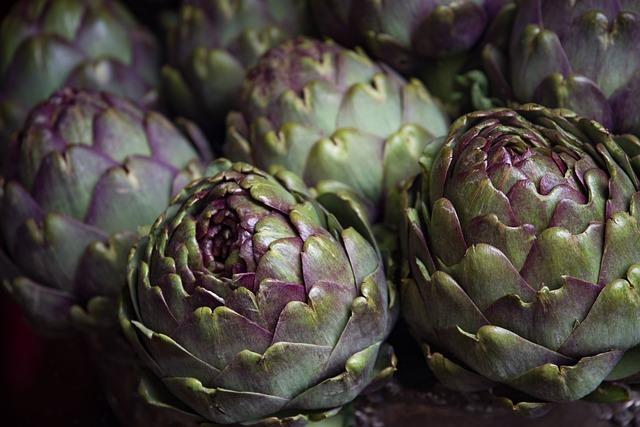
Understanding Artichoke Freezing Basics
Freezing artichokes can be a great way to preserve their fresh flavor and nutritional benefits, allowing you to enjoy them long after the harvest season. However, it’s crucial to follow the right steps to maintain their quality. Here are some basics to consider:
- Selecting Artichokes: Choose fresh, firm artichokes without blemishes or signs of wilting for the best freezing results.
- Prepping: Before freezing, you should clean them thoroughly, trimming the stems and removing any tough outer leaves.
- Blanching: Short blanching is essential. Submerge the artichokes in boiling water for about 5-10 minutes, then quickly transfer them to an ice bath. This process helps preserve color, texture, and flavor.
- Packaging: Once cooled, drain the artichokes and pack them in airtight freezer bags or containers, removing as much air as possible to prevent freezer burn.
By following these straightforward steps, you’ll ensure that your artichokes maintain their delicious taste and texture even after freezing. Use them in various dishes like salads, pasta, or simply roasted, and enjoy their fresh flavor whenever you desire!
Preparing Artichokes for the Freezer
Freezing artichokes is an excellent way to preserve their unique flavor and nutritional benefits, ensuring they are ready to use whenever you need them. Here’s a step-by-step guide to preparing these delightful vegetables for the freezer:
- Select Fresh Artichokes: Look for artichokes with tight, compact leaves and a fresh, green appearance. Avoid any that show signs of browning or wilting.
- Clean Thoroughly: Rinse the artichokes under cold water to remove any dirt. Pay extra attention to the gaps between the leaves.
- Trim and Cut: Use a sharp knife to cut about an inch off the top of the artichoke and trim the stem. You can also remove the lower leaves that are tough.
- Steam or Boil: Blanch the artichokes by steaming or boiling them for about 5-10 minutes until they are bright green and slightly tender. This step is crucial as it stops enzyme actions, preserving color and texture.
- Cool and Dry: After blanching, immediately place the artichokes in ice water to halt the cooking process. Once cooled, drain them thoroughly and pat dry.
- Wrap and Freeze: Place the cooled artichokes in freezer-safe bags, removing as much air as possible. Label them with the date, and they can be stored in the freezer for up to 8-12 months.
By following these simple steps, you’ll have artichokes on hand for your favorite recipes all year round, from dips to pasta dishes.
Best Techniques for Freezing Artichokes
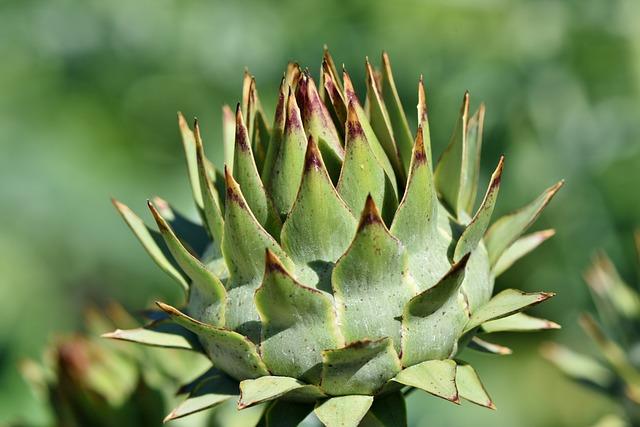
Freezing artichokes is a fantastic way to enjoy this nutritious vegetable year-round. To preserve their flavor and texture, follow these effective techniques:
- Select Fresh Artichokes: Choose firm, vibrant artichokes with tight leaves. Avoid any that have browning or wilting.
- Cleaning: Rinse your artichokes under cold water to remove any dirt or debris. Trim the stems and remove any damaged outer leaves.
- Blanching: This step is crucial. Bring a pot of water to a boil and prepare an ice bath. Submerge the cleaned artichokes in boiling water for about 5-7 minutes, then immediately transfer them to the ice bath to halt the cooking process.
- Draining: Once cooled, slice the artichokes into halves or quarters to enhance freezing efficiency. Allow them to drain thoroughly to prevent ice crystals from forming.
- Packaging: Use freezer-safe bags or containers. Remove as much air as possible to minimize freezer burn before sealing tightly.
These simple yet effective steps ensure your artichokes maintain their flavor, color, and nutrients, allowing you to enjoy delicious dishes even when they’re out of season. Feel free to get creative with the slicing—this can also impact your cooking time later!
How to Thaw and Cook Frozen Artichokes
Thawing and cooking frozen artichokes requires some straightforward steps to ensure you retain their flavor and texture. Begin by removing your artichokes from the freezer and transferring them to the refrigerator. Allow them to thaw overnight for the best results. If you’re short on time, you can also place them in a sealed plastic bag and submerge it in cold water for about an hour.
Once your artichokes are thawed, you can prepare them in several delicious ways:
- Boiling: Bring a pot of salted water to a boil. Add the thawed artichokes and cook for about 10-15 minutes until tender.
- Roasting: Preheat your oven to 400°F (200°C). Toss the artichokes in olive oil, salt, and pepper, then roast for 20-25 minutes until crispy.
- Grilling: Brush the artichokes with olive oil after thawing, then grill on medium heat for about 5-7 minutes per side.
For a quick reference on cooking times, consider the following table:
| Cooking Method | Time |
|---|---|
| Boiling | 10-15 minutes |
| Roasting | 20-25 minutes |
| Grilling | 5-7 minutes per side |
Feel free to enhance your thawed artichokes with your favorite seasonings or sauces, such as garlic butter or a squeeze of lemon, to elevate their natural flavors. Enjoy experimenting with different cooking methods to find your perfect dish!
Storing Frozen Artichokes for Maximum Freshness
When it comes to preserving the flavor and texture of frozen artichokes, proper storage is essential. Ensuring that your artichokes maintain their maximum freshness requires attention to detail. Here are some key tips to consider:
- Vacuum Sealing: If you have access to a vacuum sealer, this is an ideal way to store your frozen artichokes. Removing air will prevent freezer burn and keep them tasting fresh longer.
- Use Airtight Containers: If vacuum sealing isn’t an option, opt for high-quality airtight containers or resealable freezer bags. Be sure to squeeze out as much air as possible before sealing.
- Portion Control: Consider freezing artichokes in recipe-sized portions. This makes it easier to thaw just what you need without exposing the entire batch to air and moisture.
- Label and Date: Always label your containers or bags with the date of freezing. This practice helps you keep track of freshness and prevents keeping items longer than their recommended storage time.
For optimal results, remember that frozen artichokes can last up to 12 months in the freezer. To ensure you always enjoy the best quality, try to consume them within the first six months of freezing. By following these simple guidelines, you’ll be able to enjoy the delightful taste of artichokes, no matter the season.
Creative Ways to Use Frozen Artichokes in Recipes
Frozen artichokes are a versatile and convenient ingredient, perfect for enriching a variety of dishes. Here are some creative ways to incorporate them into your cooking:
- Artichoke and Spinach Dip: Thaw and chop frozen artichokes, then mix them with cream cheese, sour cream, spinach, and your favorite seasonings for a creamy dip that’s perfect for parties.
- Pasta Delight: Toss thawed artichokes into a pasta dish with garlic, cherry tomatoes, and olive oil for a quick and delicious meal. A sprinkle of parmesan cheese adds an extra layer of flavor.
- Stir-Fry Sensation: Use frozen artichokes in your next stir-fry. Their unique taste pairs beautifully with bell peppers, broccoli, and your choice of protein, all finished with a splash of soy sauce or teriyaki.
Here’s a simple table to inspire new artichoke-based dishes:
| Dish Idea | Main Ingredients |
|---|---|
| Stuffed Artichokes | Breadcrumbs, cheese, herbs, spices |
| Artichoke Soup | Vegetable broth, garlic, onion, cream |
| Quiche with Artichokes | Eggs, cheese, spinach, frozen artichokes |
Experimenting with frozen artichokes not only elevates your dishes but also introduces a delightful squeeze of flavor to everyday meals. From appetizers to main courses, these frozen gems can easily take center stage in your culinary creations.
Frequently Asked Questions
Q&A: Can You Freeze Artichokes? Keep Them Fresh Year-Round!
Q1: Can I freeze fresh artichokes, or do they need to be cooked first?
A1: While you can technically freeze fresh artichokes, it’s best to cook them beforehand. Freezing raw artichokes can lead to a tough texture and bitter flavor when thawed. Blanching them first by boiling for a few minutes and then quickly cooling in ice water helps preserve their flavor and texture.
Q2: What’s the best way to blanch artichokes before freezing?
A2: To blanch artichokes, start by trimming the tips of the leaves and cutting the artichokes in half or quarters. Bring a pot of water to a rapid boil, and then add the artichokes. Boil them for about 3-5 minutes, depending on their size. After boiling, immediately transfer the artichokes to an ice bath to stop the cooking process. Once cooled, drain them well and pat them dry before freezing.
Q3: How should I store the blanched artichokes in the freezer?
A3: After blanching and cooling, you can store the artichokes in airtight freezer bags or containers. It’s a good idea to remove as much air as possible to prevent freezer burn. Label the bags with the date to keep track of freshness. They can last up to 8-12 months in the freezer without losing much quality.
Q4: Can I freeze cooked artichokes, such as grilled or roasted ones?
A4: Absolutely! Cooked artichokes freeze beautifully. Just allow them to cool completely, then store them in airtight containers or freezer bags. Just like with blanched artichokes, make sure to remove excess air. They can maintain their quality in the freezer for around 6-9 months.
Q5: Do frozen artichokes taste the same as fresh ones?
A5: While frozen artichokes may not taste exactly like fresh ones, proper freezing techniques can help maintain their flavor and texture remarkably well. When thawing and cooking them, they can still be delicious, making them a convenient option for year-round use in your dishes.
Q6: What are some great recipes for using frozen artichokes?
A6: Frozen artichokes are versatile! You can add them to pasta dishes, soups, stews, or even use them in salads or dips. They work especially well in recipes that require longer cooking times, allowing them to absorb flavors. One popular dish is a creamy artichoke dip—just thaw, mix with your favorite ingredients, and bake!
Q7: Do I need to thaw artichokes before cooking them?
A7: It depends on the recipe. For soups or stews, you can toss them in frozen. However, for dishes like salads or dips, you might want to thaw them in the fridge beforehand to ensure even consistency.
Q8: Can I freeze artichoke hearts separately?
A8: Yes, you can certainly freeze artichoke hearts! If you’re working with canned or frozen artichoke hearts, treat them just like cooked artichokes. They handle freezing well and can be easily added to many dishes.
By following these guidelines, you can enjoy the unique flavor of artichokes all year round, making your meals more exciting and nutritious. Happy cooking!
Wrapping Up
freezing artichokes is not only a viable option but a smart one for anyone looking to enjoy this delightful vegetable year-round. By following the steps we’ve covered, you can preserve their vibrant flavor and nutritional benefits long after the harvest season. So go ahead—stock up, prep those artichokes, and freeze them for a future culinary adventure! With a little preparation, you’ll be able to add that unique artichoke taste to your dishes anytime you crave it. Embrace the convenience of freezing, and savor the fresh taste of artichokes no matter the season! Happy cooking!