Can You Freeze Cooked Pot Roast? Preserve Flavor and Texture
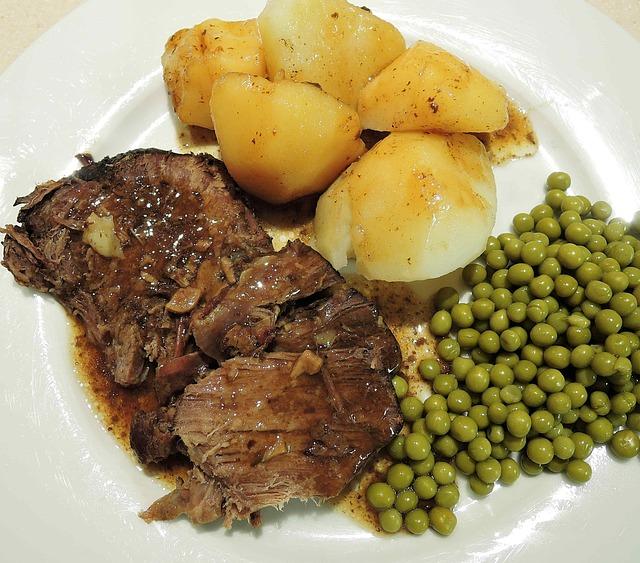
When life hands you a pot roast that could feed a small army, you might find yourself pondering the eternal question: can you freeze cooked pot roast? If you’ve ever stared down an enormous hunk of savory beef and thought, “There’s no way I can eat all this,” fear not! We’re here to tackle both your culinary conundrums and your freezer woes. Imagine savoring a slice of that tender, juicy roast just as it was when you first pulled it from the oven, weeks after you initially cooked it. Sounds like magic, right? Well, grab your Tupperware and your best freezer-friendly attitude, because we’re diving into the science and art of preserving flavor and texture like a true kitchen wizard. Get ready to impress your taste buds—and maybe even your fridge—because pot roast preservation is about to become your new favorite kitchen hack!
Article Contents
- Understanding the Freezing Process for Cooked Pot Roast
- The Impact of Freezing on Flavor and Texture
- Best Practices for Freezing Cooked Pot Roast
- Thawing Techniques to Maintain Quality
- Reheating Cooked Pot Roast Without Compromising Taste
- Extra Tips for Enhancing Flavor After Freezing
- When to Avoid Freezing Cooked Pot Roast
- FAQ
- To Conclude
Understanding the Freezing Process for Cooked Pot Roast
Freezing cooked pot roast can be a straightforward process, but ensuring it retains its rich flavor and melt-in-your-mouth texture requires attention to detail. When you’re ready to freeze, it’s crucial to let the pot roast cool to room temperature. This step prevents condensation from forming, which can lead to freezer burn. Once cooled, slice the roast into portions that are easy to thaw later, enhancing convenience during meal prep.
To properly seal the pot roast for freezing, consider using:
- Freezer-safe bags: These limit air exposure, which can help maintain quality.
- Vacuum sealers: Providing the best protection against freezer burn, ensuring the roast tastes fresh when reheated.
- Airtight containers: Make sure they are designed for freezer use, allowing for easy stacking and organization.
For optimal preservation, label your containers with the date and contents. Cooked pot roast can typically be frozen for up to six months without significant loss of flavor or texture. When you’re ready to enjoy your meal, thaw the roast in the refrigerator overnight for the best results. Alternatively, you can use a microwave or stovetop method for quicker thawing, though this may slightly affect the quality.

The Impact of Freezing on Flavor and Texture
Freezing cooked pot roast can be a fantastic way to extend its shelf life without sacrificing too much of its deliciousness. However, it’s essential to understand how the freezing process can influence both flavor and texture. The water content in the pot roast expands when it freezes, which can lead to a change in consistency once it’s thawed. Here’s what you need to know:
- Flavor Preservation: While the freezing process may slightly dull the flavors, properly sealing the pot roast can minimize this effect. Vacuum sealing or using airtight containers prevents freezer burn and helps lock in the succulent taste.
- Texture Changes: After thawing, pot roast may lose some of its original tenderness, often resulting in a softer, mushy texture. This is due to the breakdown of the muscle fibers. However, reheating it slowly can help regain some of its former glory.
- Moisture Retention: Adding a bit of broth when reheating can enhance moisture content and improve both the texture and flavor, ensuring a juicier pot roast experience.
The quality of herb and spice flavors can also soften during freezing. Consider refreshing your pot roast with a quick addition of fresh herbs or a splash of seasoning just before serving to elevate its taste. Below is a simple comparison of the potential changes you might encounter:
| Aspect | Before Freezing | After Thawing |
|---|---|---|
| Flavor Intensity | Full and Rich | Slightly Diminished |
| Texture | Tender and Juicy | Potentially Softer |
| Moisture | Well-Retained | Needs Supplementing |
By understanding these changes, you can better prepare your pot roast for freezing, ensuring that when it’s time to enjoy a delicious meal again, it remains as satisfying as the day it was cooked.
Best Practices for Freezing Cooked Pot Roast
When it comes to freezing cooked pot roast, ensuring the best preservation of flavor and texture is key. Follow these best practices for a delightful meal every time you defrost:
- Cool Before Freezing: Allow the pot roast to cool to room temperature before transferring it to the freezer. This prevents condensation and ice crystal formation, which can degrade texture.
- Slice for Convenience: Consider slicing the pot roast into individual portions. This not only speeds up the cooling process but also makes thawing and reheating easier.
- Choose the Right Packaging: Use airtight containers or heavy-duty freezer bags. If using bags, ensure to squeeze out as much air as possible to minimize freezer burn.
Label each package with the date and contents for easy identification. For the best quality, consume the frozen pot roast within 3 to 6 months. Here’s a quick reference table for your records:
| Storage Method | Recommended Duration |
|---|---|
| Airtight Container | 6 months |
| Freezer Bag | 3 months |
| Vacuum Sealed | 1 year |
By following these steps, you’ll be sure to keep your pot roast flavorful and satisfying for future meals!

Thawing Techniques to Maintain Quality
When it comes to thawing your cooked pot roast, choosing the right method is essential to maintain its flavor and texture. Here are some effective techniques:
- Refrigerator Thawing: The safest and most recommended method is to transfer the pot roast from the freezer to the refrigerator. Allow it to thaw slowly over 24 hours. This helps retain moisture and prevents bacterial growth.
- Cold Water Thawing: If you need to expedite the process, submerge the sealed pot roast in cold water. Change the water every 30 minutes to keep it cold. This method takes about 1-3 hours depending on the size of the roast.
- Microwave Thawing: For a quick option, you can use the defrost setting on your microwave. Be cautious, as this method may partially cook the meat, affecting its quality. Plan to cook it immediately after thawing.
Regardless of the method you choose, avoid thawing at room temperature, as this increases the risk of bacterial growth. Once thawed, consider reheating your pot roast gently in the oven or on the stovetop, adding a splash of broth if needed to enhance moisture and flavor.
| Thawing Method | Time Required | Quality Preservation |
|---|---|---|
| Refrigerator Thawing | 24 hours | Excellent |
| Cold Water Thawing | 1-3 hours | Good |
| Microwave Thawing | Varies | Fair |
Reheating Cooked Pot Roast Without Compromising Taste
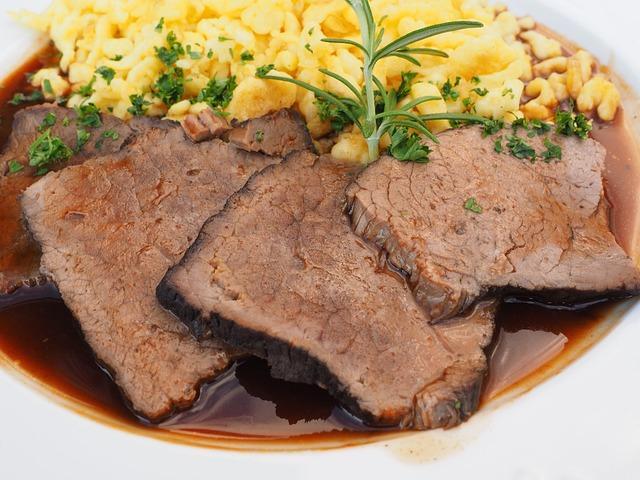
When it comes to enjoying the leftover goodness of your cooked pot roast, reheating it properly can make all the difference in preserving its rich flavor and tender texture. Here are some effective methods to bring your pot roast back to life:
- Oven Method: Preheat your oven to 325°F (165°C). Place the pot roast in a covered dish with a splash of broth or water to retain moisture. Heat for about 25-30 minutes, or until warmed through.
- Stovetop Method: Slice the pot roast into smaller pieces and place them in a skillet over low heat. Add a bit of beef broth or gravy to help rediscover that juicy texture. Cover and heat gently for 10-15 minutes.
- Microwave Method: For a quick option, slice the pot roast and place it in a microwave-safe dish. Add a few tablespoons of broth, cover with a microwave-safe lid, and reheat on medium power in 2-minute intervals until hot.
Regardless of your method, the key is to avoid overheating, as this can lead to a dry and chewy result. Aim to check the internal temperature and stop heating right when they reach about 165°F (74°C). For a bit of extra flavor, consider accompanying your reheated pot roast with:
| Flavor Boosters | Purpose |
|---|---|
| Fresh herbs (like thyme or rosemary) | Adds a refreshing aroma and complements the meat |
| Gravy or sauce | Makes sure the dish remains moist and flavorful |
| Vegetables (carrots, potatoes) | Enhances the dish’s nutritional value and adds texture |
Extra Tips for Enhancing Flavor After Freezing
Frozen pot roast can sometimes lose its robust flavor and tender texture, but with the right techniques, you can elevate it back to its full glory. Consider these extra tips to enhance the flavor profile after thawing:
- Re-season Before Serving: After thawing, taste the pot roast and add extra seasoning as needed. A sprinkle of sea salt or fresh herbs can work wonders in revitalizing flavors.
- Use Broth or Stock: When reheating, add a splash of beef broth or stock to the pot. This not only adds moisture but also enriches the taste, ensuring each bite is juicy and flavorful.
- Elevate with Aromatics: Introduce fresh aromatics such as garlic, onions, or even a splash of red wine while reheating to build layers of flavor.
- Incorporate Vegetables: Adding sautéed or roasted vegetables can enhance the dish’s overall taste and restore some freshness lost during freezing.
- Finish with a Glaze: For an appealing finish, brush the reheated pot roast with a balsamic reduction or a flavorful glaze. This will add a beautiful sheen and a sweet tang that balances savory notes.
| Enhancement Method | Flavor Benefit |
|---|---|
| Re-season with herbs | Adds freshness and complexity |
| Use beef broth | Restores moisture and richness |
| Add aromatics | Deepens flavor profile |
| Incorporate veggies | Boosts freshness and texture |
| Finish with a glaze | Offers sweetness and gloss |
When to Avoid Freezing Cooked Pot Roast
While freezing cooked pot roast can be a great way to preserve it for later enjoyment, there are specific circumstances when it’s best to avoid freezing. Understanding these situations can help maintain the quality and flavor of your dish.
- Texture Concerns: Pot roast that has been cooked with certain vegetables, particularly potatoes, can become mushy after freezing. This change in texture can detract from the dish’s overall appeal.
- Flavor Alterations: If your pot roast is heavily seasoned with herbs or spices, freezing may lead to flavor degradation. Some spices can lose their potency over time, leaving your dish lacking its original richness.
- Timeframe Considerations: If you intend to eat the pot roast within a few days, it’s often better to store it in the refrigerator rather than the freezer. Freshly cooked meat tends to taste better than its frozen counterpart.
Additionally, if your pot roast has been previously frozen before cooking, re-freezing after cooking may not be advisable due to potential food safety risks. Always prioritize food safety to keep your meals enjoyable and safe.
FAQ
Q&A: Can You Freeze Cooked Pot Roast? Preserve Flavor and Texture
Q: Can you freeze cooked pot roast?
A: Yes, you can absolutely freeze cooked pot roast! It’s a great way to extend its shelf life and enjoy those delicious flavors later. Properly storing it in the freezer will help maintain its quality and prevent freezer burn.
Q: What’s the best way to freeze pot roast to preserve its flavor and texture?
A: To preserve the flavor and texture, let your pot roast cool completely after cooking. Portion it out into airtight containers or heavy-duty freezer bags, removing as much air as possible. Label the containers with the date and type of dish for easy identification later on. For best results, freeze it within 2 hours of cooking.
Q: How long can pot roast be kept in the freezer?
A: Cooked pot roast can be stored in the freezer for up to 3 months. While it may still be safe to eat after this time, the quality might start to decline, affecting both taste and texture.
Q: Is it necessary to thaw the pot roast before reheating it?
A: It’s not strictly necessary to thaw pot roast before reheating, but doing so can help it heat more evenly. You can either thaw it in the refrigerator overnight or use the defrost setting on your microwave if you’re in a hurry.
Q: What’s the best way to reheat frozen pot roast?
A: The best way to reheat frozen pot roast is in the oven or on the stovetop. Preheat your oven to 325°F (160°C) and heat the roast in a covered dish for about 30-40 minutes, or until heated through. If using the stovetop, heat over medium-low, adding a splash of broth or water to keep it moist.
Q: Will the texture of the pot roast change after freezing?
A: While freezing can slightly alter the texture, especially if the pot roast is not stored correctly, if you follow the proper freezing and reheating methods, the changes should be minimal. Adding some moisture during reheating can help restore that tender texture.
Q: Can I freeze the gravy or sauce that goes with the pot roast?
A: Definitely! You can freeze the gravy or sauce separately. Just ensure it cools down completely before transferring it to an airtight container. This will make reheating your meal a lot easier and help retain those delicious flavors.
Q: Any tips for enhancing the flavor when reheating frozen pot roast?
A: To enhance the flavor, consider adding some fresh herbs or spices when reheating. A splash of red wine or a dash of Worcestershire sauce can also bring some freshness back to your pot roast and elevate its taste.
Q: Are there any foods that shouldn’t be frozen with pot roast?
A: Avoid freezing pot roast with vegetables that don’t hold up well to freezing, like potatoes. They can become grainy and change texture. It’s better to freeze the pot roast separately and cook fresh vegetables when you’re ready to serve.
Q: Any final thoughts on freezing cooked pot roast?
A: Freezing cooked pot roast is a smart way to save time and ensure you always have a hearty meal handy. Just remember to store it carefully, reheat it properly, and you’ll be enjoying that delightful comfort food whenever the craving strikes!
To Conclude
yes, you can absolutely freeze cooked pot roast without sacrificing its delicious flavor or tender texture. By following a few simple steps—proper wrapping, cooling, and reheating—your pot roast can be a convenient and satisfying meal waiting for you in the freezer. Whether you’re prepping for a busy week or looking to enjoy leftovers at their best, freezing your pot roast is a smart choice. So go ahead, dig into those leftovers, and rest easy knowing you’ve mastered the art of freezing! Happy cooking!