Can You Freeze Fresh Mozzarella? Best Practices
Are you a cheese lover with a curious mind and a packed freezer? If you’ve ever found yourself staring at that glorious ball of fresh mozzarella, wondering if it could survive the icy depths of your freezer, then you’re in the right place! In this deliciously cheesy article, we’ll tackle the burning question: “Can You Freeze Fresh Mozzarella? Best Practices.” Spoiler alert: it’s not a scenario pulled straight from a food horror flick! With a dash of humor and a sprinkle of expert tips, we’ll guide you through the dos and don’ts of freezing this creamy delight. So grab your favorite cheese slicer, and let’s dive into the fascinating world of frozen mozzarella—it might just elevate your pasta game to a whole new level (and give your freezer a reason to cheer)!
Article Contents
- Understanding Fresh Mozzarella: Characteristics and Uses
- The Science Behind Freezing Cheese
- Can You Freeze Fresh Mozzarella? The Facts Explained
- Preparing Fresh Mozzarella for Freezing: Step-by-Step Guide
- Thawing Frozen Mozzarella: Best Practices and Tips
- Culinary Uses for Thawed Mozzarella: What to Expect
- Alternatives to Freezing Fresh Mozzarella: Keeping It Fresh and Flavorful
- FAQ
- The Conclusion
Understanding Fresh Mozzarella: Characteristics and Uses
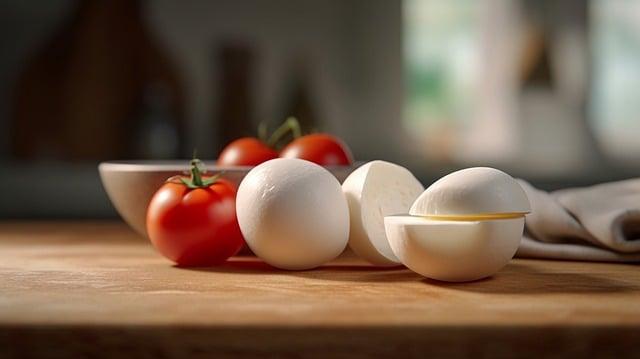
Fresh mozzarella is celebrated not only for its delightful texture but also for its subtle flavor profile that sets it apart from other cheese varieties. Typically made from cow’s milk or buffalo milk, this cheese features a smooth, elastic consistency that is both creamy and slightly chewy. Unlike aged cheeses, fresh mozzarella is usually packed in a brine or whey solution, which helps maintain its moisture. Here are some key characteristics:
- Texture: Soft and creamy with a characteristic stretchiness.
- Flavor: Mild and slightly sweet, allowing it to complement various dishes.
- Moisture Content: Higher moisture content gives it a fresh, light quality.
- Color: Typically white, but can have a slight yellow tinge depending on the milk used.
When it comes to culinary uses, fresh mozzarella shines in numerous applications:
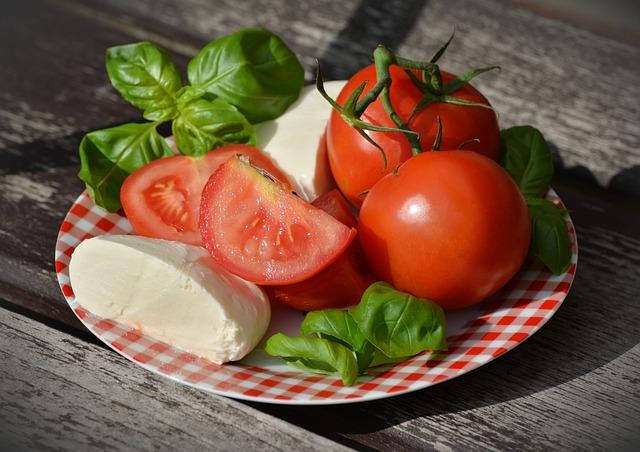
- Caprese Salad: Layered with tomatoes and basil, drizzled with balsamic glaze.
- Pasta Dishes: Melted in baked ziti or lasagna for that irresistible cheesiness.
- Pizza Toppings: Adds a delicious creamy texture and richness when melted.
- Appetizers: Served with charcuterie boards, enhancing flavors with cured meats and olives.
Understanding these characteristics and uses will help you appreciate fresh mozzarella to its fullest, whether you opt to enjoy it straight from the package or integrated into exquisite culinary creations.

The Science Behind Freezing Cheese
Freezing cheese, particularly fresh mozzarella, involves several scientific principles that can significantly impact its texture and flavor. When cheese is frozen, the water content inside it turns into ice crystals. These crystals can puncture the cell walls of the cheese, leading to a change in texture once it is thawed. This is particularly important for fresh mozzarella, which is known for its smooth, creamy structure. To minimize textural damage, it is essential to follow best practices during the freezing and thawing processes.
Here are key factors to consider:
- Moisture Content: The higher the moisture content, the more likely the cheese will lose its original texture when frozen.
- Packaging: Use airtight packaging to prevent freezer burn and protect the cheese from absorbing odors from other foods.
- Thawing Method: Slow thawing in the refrigerator is recommended to retain as much moisture as possible and avoid rubbery texture.
Moreover, understanding how different freezing temperatures can affect cheese quality is important:
| Temperature (°F) | Effect on Cheese |
|---|---|
| 32 – 0 | Preserves texture; optimal for freezing |
| 0 – -10 | Ice crystal growth begins; potential texture loss |
| -10 or below | Long-term storage; texture and flavor may degrade |
Understanding these scientific principles can help you make the most of freezing fresh mozzarella, ensuring you retain as much of its delightful flavor and texture as possible. Proper techniques not only safeguard quality but also extend the shelf life of your cheese, allowing you to enjoy your favorite ingredients without waste.
Can You Freeze Fresh Mozzarella? The Facts Explained
Freezing fresh mozzarella is a bit of a double-edged sword. While it’s a great way to prolong the shelf life of this delicious cheese, the texture and taste can change after thawing. If you’re considering freezing fresh mozzarella, it’s essential to keep a few key points in mind:
- Type of Mozzarella: Not all mozzarella is created equal. Fresh mozzarella, particularly the type packed in water, can become rubbery when frozen. For best results, consider using low-moisture mozzarella instead.
- Preparation: Before freezing, drain the cheese and wrap it tightly in plastic wrap, followed by an airtight freezer bag. This will help to minimize the formation of ice crystals, which can impact texture.
- Thawing Method: When it’s time to use your frozen mozzarella, thaw it slowly in the refrigerator rather than using a microwave. This gradual process helps retain some of its original texture.
| Fresh Mozzarella | Low-Moisture Mozzarella |
|---|---|
| Texture after freezing: changes significantly | Texture after freezing: relatively stable |
| Best for fresh dishes | Best for cooking and baking |
Ultimately, while freezing fresh mozzarella can be done, it’s crucial to recognize the trade-offs in flavor and texture. If you frequently find yourself with excess cheese, consider using it in cooked dishes like lasagna or casseroles, where the changes can be less noticeable.
Preparing Fresh Mozzarella for Freezing: Step-by-Step Guide
Freezing fresh mozzarella can help preserve its quality and extend its shelf life, but proper preparation is essential to maintain its texture and flavor. Follow these simple steps for successful freezing:
- Drain Excess Liquid: Begin by removing the mozzarella from its packaging. If it’s stored in brine, gently rinse it under cold water and pat it dry with a paper towel. This prevents ice crystals from forming during freezing.
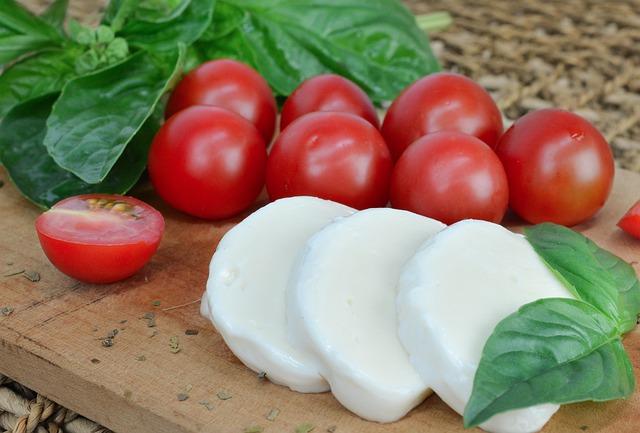
- Portion Control: Cut the mozzarella into individual portions or slices. Doing so will make it easier to thaw only what you need for a recipe, minimizing waste.
- Wrap the Cheese: Wrap each portion tightly in plastic wrap or aluminum foil. For extra protection against freezer burn, place the wrapped cheese into an airtight container or a freezer-safe resealable bag.
- Label and Date: Don’t forget to label your containers or bags with the date. This way, you can keep track of how long it has been in the freezer.
To ensure the best outcomes when you’re ready to use it:
- Thaw Gently: Transfer the cheese to the refrigerator and allow it to thaw overnight. This gradual process helps maintain its texture.
- Use in Cooking: Keep in mind that frozen mozzarella may become slightly crumbly, making it ideal for cooking and melting in dishes like lasagna or pizza.

Thawing Frozen Mozzarella: Best Practices and Tips
When it’s time to use your frozen mozzarella, proper thawing is crucial to maintaining its texture and flavor. The best method for thawing mozzarella cheese is to transfer it from the freezer to the refrigerator. This slow, gradual process allows the cheese to regain its moisture without becoming rubbery or overly soft. Ideally, you should plan to move the mozzarella to the fridge at least 24 hours before you intend to use it.
Alternatively, if you need to thaw mozzarella quickly, you can place it in a sealed bag and submerge it in cold water. Avoid using hot water, as this can alter the texture and flavor. Here are a few additional tips to ensure the best results:
- Keep it sealed: Whether in the fridge or submerged in water, ensure the mozzarella is well-sealed to prevent any water from seeping in.
- Avoid microwave thawing: While it may seem convenient, microwave thawing can lead to uneven textures and a loss of that delightful, creamy consistency.
- Use it promptly: Once thawed, aim to use the mozzarella within a few days for the best flavor and texture.
By following these simple thawing practices, you’ll be able to enjoy your frozen mozzarella just as you would when freshly purchased, making your culinary creations all the more delicious.
Culinary Uses for Thawed Mozzarella: What to Expect
After thawing mozzarella, users can expect some changes in its texture and flavor. While it may not provide the same fresh stretchiness as before freezing, thawed mozzarella can still shine in a variety of dishes. Here are some of the best culinary applications:
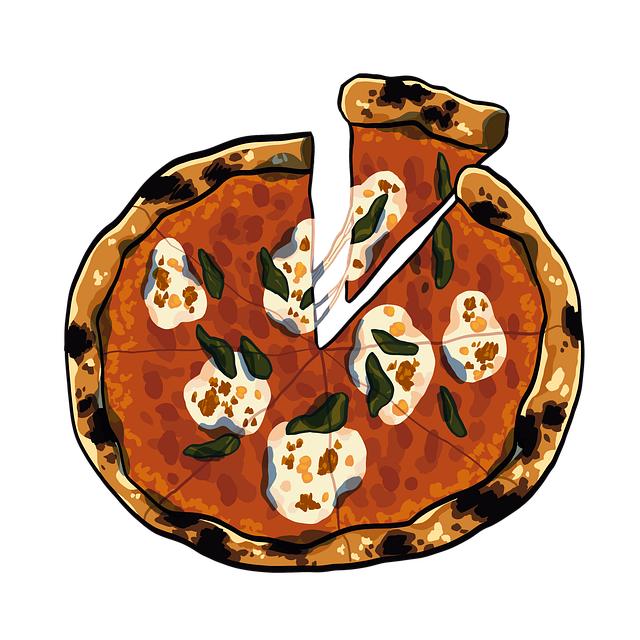
- Pizza: Thawed mozzarella melts beautifully, making it perfect for topping pizzas. The flavor remains intact, and it adds a delightful creaminess.
- Casseroles: Incorporate thawed mozzarella into layers of pasta dishes or casseroles. Its gooey nature can help bind ingredients together while adding flavor.
- Sandwiches and Paninis: Use it in grilled sandwiches or paninis. The melting cheese brings a rich flavor that elevates simple fillings.
- Salads: Dice thawed mozzarella to add to caprese salads or mixed greens. The texture might be softer, but it still contributes a lovely taste.
- Stuffed Dishes: Thawed mozzarella is excellent for stuffing inside chicken, meatballs, or peppers, where it will retain a pleasant flavor during the cooking process.
When incorporating thawed mozzarella in your cooking, consider the moisture content that often increases during thawing. A quick pat with a paper towel can help reduce excess water and improve the final dish’s texture. while the experience might differ slightly from fresh mozzarella, it’s a versatile ingredient that can still bring deliciousness to many recipes.
Alternatives to Freezing Fresh Mozzarella: Keeping It Fresh and Flavorful
While freezing fresh mozzarella isn’t ideal due to potential texture and flavor loss, there are a few alternatives for preserving its freshness without sacrificing quality. Consider the following methods:
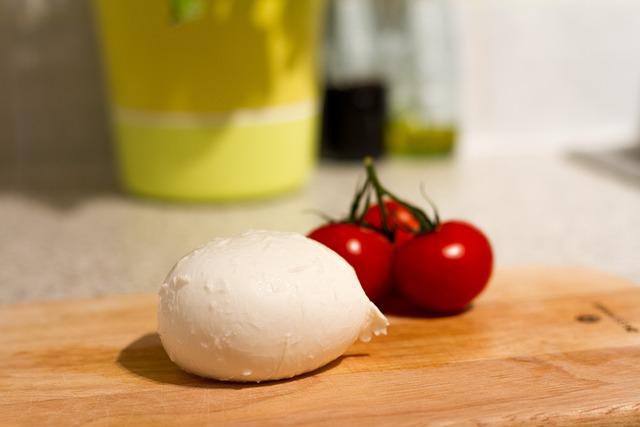
- Refrigerate Properly: Store fresh mozzarella in its original brine or immersed in water. This method helps retain moisture and flavor.
- Use Airtight Containers: If the original packaging is not available, transfer mozzarella to a clean, airtight container. Top it up with water or a light brine to maintain its freshness.
- Vacuum Sealing: For longer storage, vacuum sealing can be an effective way to keep fresh mozzarella safe and flavorful by eliminating air exposure.
Additionally, if you find yourself with excess mozzarella, consider utilizing it in recipes rather than storing it for long periods. Fresh mozzarella works beautifully in:
| Dish | Description |
|---|---|
| Caprese Salad | Combine with tomatoes and basil for a refreshing appetizer. |
| Pizza Topping | Melt for a gooey, delicious addition to your favorite pizza. |
| Pasta Dishes | Add to baked pasta for an indulgent, creamy texture. |
By utilizing these methods, you can ensure that your fresh mozzarella stays as delicious as possible while minimizing waste.
FAQ
Q&A: Can You Freeze Fresh Mozzarella? Best Practices
Q: Can you freeze fresh mozzarella?
A: Yes, you can freeze fresh mozzarella, but there are some important considerations to keep in mind to maintain its quality. Freezing can change the texture of the cheese, making it more crumbly once thawed. It’s best used in cooked dishes after freezing.
Q: How should I prepare fresh mozzarella for freezing?
A: Start by draining any excess moisture. If the mozzarella is packed in water or whey, remove it and pat it dry with a paper towel. For best results, consider slicing or shredding the cheese. This not only makes it easier to store but also speeds up the thawing process.
Q: What is the best way to freeze fresh mozzarella?
A: Wrap the mozzarella tightly in plastic wrap or aluminum foil to prevent freezer burn. You may also place it in an airtight container or a freezer bag, squeezing out as much air as possible to maintain quality. Label the container with the date for your reference.
Q: How long can I keep fresh mozzarella in the freezer?
A: Fresh mozzarella can be stored in the freezer for up to six months. Beyond that timeframe, it might not spoil but can lose flavor and texture quality.
Q: What’s the best way to thaw frozen mozzarella?
A: The best method to thaw frozen mozzarella is to place it in the refrigerator overnight. This gradual thawing helps maintain its texture. If you’re in a hurry, you can also thaw it in cold water for a few hours. Avoid defrosting in the microwave, as this can affect the texture negatively.
Q: How can I use thawed mozzarella?
A: Thawed mozzarella is ideal for recipes where it will be melted or cooked, such as pizzas, lasagnas, or casseroles. It may not have the same fresh flavor and texture as before freezing, so it’s not recommended for dishes where it’s served raw, like caprese salads.
Q: Are there any tips to maintain quality when freezing mozzarella?
A: Absolutely! First, try to freeze the mozzarella as soon as possible after purchase. Additionally, using vacuum sealed bags can help protect the cheese from moisture and air. Lastly, dividing it into smaller portions before freezing can make it easier to use just what you need, minimizing waste.
Q: Is there a type of mozzarella that freezes better than others?
A: Yes! Low-moisture mozzarella, often used for pizza and cooking, freezes better than fresh mozzarella because it has less water content. If you plan to freeze mozzarella regularly, consider choosing low-moisture varieties for a better outcome.
Q: Should I freeze mozzarella cheese that’s past its expiration date?
A: It’s not advisable to freeze mozzarella that has passed its expiration date. Freezing won’t make it safe to eat, so always ensure the cheese is fresh before freezing.
Q: Can I refreeze mozzarella after thawing it?
A: It’s generally not recommended to refreeze mozzarella once it has been thawed. Doing so can further degrade the texture. If you think you might need it later, only thaw what you plan to use to avoid this issue.
By following these best practices, you can enjoy mozzarella in a variety of dishes even after it’s been frozen, maintaining as much of its quality as possible. Happy cooking!
The Conclusion
freezing fresh mozzarella is certainly possible, but it requires a bit of care to maintain its unique texture and flavor. By following the best practices we’ve outlined—like properly wrapping the cheese and knowing the right thawing techniques—you can enjoy your favorite cheese even when it’s not fresh. So go ahead, stock up on that delicious mozzarella and feel confident that you can savor its goodness at any time. With a little preparation, you can avoid waste and ensure that your culinary adventures are never hindered by the seasons or availability. Happy cooking!