Can You Put Dry Ice in a Freezer? Safety Tips
Ever found yourself staring at a block of dry ice and wondering, “Can you put dry ice in a freezer?” Well, you’re not alone—many curious minds ponder this frosty conundrum! While it might seem like a cool idea (pun absolutely intended), there’s a lot more to consider than just chilly vibes. This article is your go-to guide, blending safety tips with a sprinkle of humor, ensuring you don’t accidentally turn your freezer into a frosty graveyard for everything edible. So, grab your gloves, and let’s dive into the fascinating world of dry ice and freezer functionality, where safety is key and mishaps are just a laugh away!

Article Contents
- Understanding Dry Ice and Its Properties
- The Role of Freezers in Temperature Management
- Potential Risks of Putting Dry Ice in a Freezer
- Safety Tips for Handling Dry Ice
- Alternative Ways to Use Dry Ice Effectively
- What to Do if You Experience Dry Ice Exposure
- Final Thoughts on Storing Dry Ice Safely
- Frequently asked questions
- To Wrap It Up
Understanding Dry Ice and Its Properties
Dry ice, the solid form of carbon dioxide (CO2), is known for its ability to create extreme cold temperatures as it sublimates directly from a solid to a gas at -78.5°C (-109.3°F). This phase change is what gives dry ice its unique properties, making it an excellent choice for refrigeration and shipping cool products. Unlike traditional ice, which melts into water, dry ice evaporates, leaving no residue behind, thereby keeping items dry and preventing water damage.
Some key properties of dry ice include:
- Temperature: It maintains a very low temperature, ideal for preserving perishable goods.
- Sublimation: Transitions from solid to gas without turning into liquid, making it suitable for various applications.
- Density: Much denser than air, which causes it to sink rather than disperse, creating a fog-like effect when it sublimates in humid environments.
- Safety Precautions: Must be handled with care due to its extreme cold, which can cause skin burns, and it requires proper ventilation to avoid CO2 buildup in enclosed spaces.
When considering using dry ice in conjunction with a freezer, it’s essential to understand how it interacts with its surroundings. Placing dry ice in a typical household freezer can lead to excessive cooling, affecting the freezer’s overall efficiency. Therefore, ensuring adequate air circulation and proper handling is crucial to avoid potential hazards like pressure buildup or personal injury from direct contact.
The Role of Freezers in Temperature Management
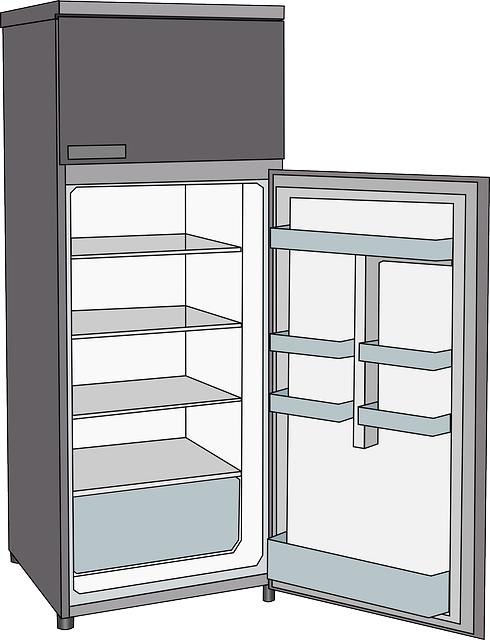
Understanding the efficiency of freezers and their crucial role in temperature management is essential, especially when considering unconventional items like dry ice. Freezers are designed to maintain a consistent low temperature that prevents the growth of bacteria and preserves perishables. These appliances operate at temperatures typically between -10°F and -20°F (-23°C and -29°C), ensuring food items remain frozen solid and safe for consumption over extended periods.
When incorporating dry ice into a freezer, it’s important to grasp its unique characteristics. Unlike regular ice, dry ice sublimates directly from solid to gas at -78.5°F (-61.5°C), making it capable of achieving even lower temperatures. Here are some key points to consider:
- Ventilation: Always ensure your freezer is in a well-ventilated area to allow for the safe dispersion of carbon dioxide gas released from sublimating dry ice.
- Insulation: Utilizing an insulated container for the dry ice within the freezer can help manage the cold more effectively without affecting the overall temperature.
- Handling: Always use gloves or tongs when handling dry ice to prevent skin frostbite.
Below is a handy reference table to summarize essential safety tips when using dry ice in your freezer:
| Safety Tip | Description |
|---|---|
| Use Gloves | Avoid skin contact to prevent frostbite. |
| Ensure Airflow | Keep the area well-ventilated to avoid gas buildup. |
| Avoid Mixing | Don’t mix dry ice with regular ice in the same space. |
Potential Risks of Putting Dry Ice in a Freezer
While using dry ice in a freezer can have its advantages, it also brings certain risks that are important to understand. Firstly, dry ice sublimates into carbon dioxide gas as it warms up. In a confined space like a freezer, this can lead to a buildup of gas, potentially causing pressure to rise within the appliance. In extreme cases, too much gas could result in a dangerous situation, including freezer rupture.
Additionally, handling dry ice requires caution due to its extremely low temperature, which can cause **severe frostbite** if it comes into direct contact with skin. Here are some key precautions to consider:
- Always use gloves or tongs: Never touch dry ice directly.
- Ensure proper ventilation: Make sure your freezer is in a place where gas can escape, preventing dangerous pressure levels.
- Avoid close packing: Do not pack dry ice too tightly in hard-to-reach areas of the freezer.
Lastly, consider the implications for food storage as well. If dry ice causes the freezer to maintain an overly cold temperature, it can affect the quality of certain foods, leading to freezer burn or texture loss. Being aware of these risks and implementing safety measures can help ensure that your experience with dry ice is both effective and safe.

Safety Tips for Handling Dry Ice
When handling dry ice, it’s crucial to prioritize safety to avoid potential injuries. Here are some essential precautions to keep in mind:
- Use gloves: Always wear thick gloves or use tongs when handling dry ice to protect your skin from frostbite.
- Work in a ventilated area: Dry ice sublimates into carbon dioxide gas, which can displace oxygen. Ensure adequate ventilation to prevent gas buildup.
- Avoid direct contact: Do not touch dry ice with bare skin; the extreme cold can cause immediate tissue damage.
- Store correctly: Keep dry ice in insulated containers, but never airtight ones, as pressure can build up and cause them to burst.
If you’re transporting dry ice, consider these tips:
- Keep it away from heat sources: Store dry ice in a cooler that doesn’t trap gas to prevent pressure accumulation.
- Label containers: Clearly mark containers holding dry ice to inform others about the potential danger.
| Safety Tip | Description |
|---|---|
| Always wear protective gear | Gloves and goggles safeguard against cold burns and gas exposure. |
| Store in ventilated areas | Prevents the buildup of carbon dioxide and reduces asphyxiation risk. |
| Never ingest dry ice | Can cause severe internal damage. |

Alternative Ways to Use Dry Ice Effectively
Dry ice, primarily known for its cooling properties, offers a variety of creative applications that extend beyond traditional use. Here are some effective alternative methods to make the most out of this solid form of carbon dioxide:
- Fog Effects: By placing dry ice in warm water, you can create an enchanting fog effect, perfect for Halloween decorations or theatrical productions. Just remember to ensure proper ventilation!
- Food Preservation: Use dry ice to keep perishable items cold during transport. Wrap the food securely and place the dry ice in a separate compartment to avoid direct contact.
- Science Experiments: Dry ice can be a fantastic tool for engaging science projects. Demonstrate sublimation and the gas expansion phenomenon safely with adult supervision.
When using dry ice, it’s crucial to handle it with care. Always wear protective gloves, and never store it in closed containers, as the pressure build-up can lead to dangerous explosions. For a more structured approach to safely integrating dry ice into various activities, the following table outlines some key tips:
| Activity | Safety Tip |
|---|---|
| Creating Fog | Ensure a well-ventilated area to avoid CO2 build-up. |
| Food Cooling | Keep dry ice in a separate, ventilated container. |
| Educational Demonstrations | Always supervise children when using dry ice. |
What to Do if You Experience Dry Ice Exposure
In the unfortunate event that you come into contact with dry ice, it’s essential to act quickly to minimize any potential harm. Here are some vital steps to follow:
- Remove Contact: Immediately remove any clothing or accessories that have come into contact with the dry ice. This helps prevent further skin damage.
- Warm the Affected Area: Gently warm the affected skin with lukewarm water. Avoid using hot water or heating pads, as this could exacerbate the injury.
- Seek Medical Attention: If you experience severe pain, blisters, or any persistent symptoms, it’s crucial to seek medical assistance right away. Even minor exposure can lead to complications.
- Document the Incident: Take note of the circumstances of the exposure, including how long the contact lasted and the symptoms that occur. This information will be valuable for medical professionals.
Always remember that dry ice can cause skin cryogenic injuries similar to burns, and prompt action is vital for your safety. It’s advisable to keep a first aid kit accessible and ensure that everyone in your household is informed about the proper handling of dry ice.
Final Thoughts on Storing Dry Ice Safely
Storing dry ice safely is crucial to preventing potential hazards while maximizing its benefits. Here are some key considerations to keep in mind:
- Ventilation: Always store dry ice in a well-ventilated area to prevent the build-up of carbon dioxide, which can be harmful in high concentrations.
- Temperature Awareness: Be mindful of the surrounding temperature. Placing dry ice too close to heat sources can cause it to sublimate rapidly, leading to waste.
- Protective Gear: When handling dry ice, wear appropriate protective gear such as gloves and goggles to avoid frostbite or injury from accidental contact.
Additionally, if you’re using a cooler for storage, opt for one that has good insulation but allows for some ventilation. This promotes a safer environment by preventing pressure build-up inside the cooler. Remember, the key to safe dry ice storage is to treat it with respect and caution, ensuring both your safety and the effective use of this versatile material.
Frequently asked questions
Q&A: Can You Put Dry Ice in a Freezer? Safety Tips
Q1: What is dry ice, and how does it differ from regular ice?
A1: Dry ice is solid carbon dioxide (CO2) that sublimates at -78.5 degrees Celsius (-109.3 degrees Fahrenheit), meaning it turns directly from solid to gas without becoming liquid. Unlike regular ice made from water, dry ice is much colder and can create a more extreme chilling effect. It’s often used for refrigeration during shipping or for special effects in events.
Q2: Can you put dry ice in your freezer?
A2: Technically, yes, you can put dry ice in your freezer. However, it’s not recommended. Most home freezers are designed to maintain temperatures around -18 degrees Celsius (0 degrees Fahrenheit) for freezing food effectively. While dry ice is colder, it may not help your freezer work faster and can actually create an environment that could be harmful to any food you have stored if the temperature fluctuates.
Q3: What are the potential hazards of putting dry ice in a freezer?
A3: The primary concern is safety. Dry ice can produce carbon dioxide gas, which can build up in a confined space like a freezer. If the gas accumulates, it can create pressure that may damage the freezer or lead to hazardous situations. Additionally, the extreme cold of dry ice can cause freezer burn on food, affecting its quality and safety.
Q4: How should you handle dry ice safely?
A4: Handling dry ice requires caution. Always wear protective gloves to avoid skin burns, as touching dry ice directly can cause frostbite. Use tongs or insulated gloves to handle it carefully. Ensure proper ventilation wherever you’re using or storing dry ice to avoid dangerous CO2 buildup, as it can lead to suffocation in poorly ventilated spaces.
Q5: What are alternative ways to use dry ice for cooling?
A5: Instead of placing dry ice in your freezer, consider using it in well-ventilated coolers to keep food and drinks chilled for picnics or parties. You can also use it to create fog effects for events or Halloween decorations. If you need to transport perishables that require extreme cooling, securely pack the dry ice in a cooler with proper ventilation holes to allow gas to escape, while ensuring it stays intact.
Q6: What should you do if you accidentally ingest or come into contact with dry ice?
A6: If someone ingests dry ice, seek medical attention immediately, as it can cause internal damage due to its extremely low temperature. If you touch dry ice and get frostbite, submerge the area in warm (not hot) water and seek medical help. Always prioritize safety and be cautious when working with dry ice!
Q7: Are there any special storage tips for dry ice?
A7: Yes! Store dry ice in an insulated container that is not airtight to allow gas to escape. Keep it away from children and pets, and use it as soon as possible to maximize its effectiveness. If you have excess dry ice, consider using it to create fun science experiments or storing leftover food temporarily, as long as you follow safety protocols.
Conclusion: While placing dry ice in your freezer may seem like a straightforward idea, it comes with various safety risks and concerns. Always prioritize proper handling techniques and alternative methods for using dry ice to ensure a safe and effective chilling experience!
To Wrap It Up
while using dry ice can seem like an intriguing shortcut to keep your frozen goods even colder, it’s essential to approach it with caution. Remember, safety is paramount—your freezer isn’t designed for the extreme temperatures and gases that dry ice can produce. By following the safety tips we’ve discussed, you can make informed decisions and enjoy the benefits of dry ice without the risks. So, the next time you find yourself wondering about putting dry ice in your freezer, take a moment to weigh the pros and cons. Stay curious, stay safe, and happy freezing!