DIY Alcohol: How to Ferment Fruit – Ever dreamt of turning your backyard bounty into your very own stash of potent potables? Look no further! In this article, we’ll guide you through the art of fermenting fruit, transforming ordinary apples, peaches, or any seasonal fruit into delightful DIY alcohol. Whether you’re aiming to impress friends at your next gathering or simply wish to master the ancient craft of fermentation (while sipping on your new concoctions, of course), this guide is your ultimate ticket to becoming a fruit-fueled alchemist. Get ready to unleash your inner mad scientist, because who knew turning fruit into booze could be this fun? Grab your overripe produce and let’s ferment our way to fabulousness! Cheers! 🍎🍑🥂
Article Contents
- Understanding the Fermentation Process: The Science Behind DIY Alcohol
- Choosing the Right Fruits for Fermentation: Best Options for Flavor and Quality
- Essential Equipment for Fermenting Fruit: What You Need to Get Started
- Step-by-Step Guide to Fermenting Fruit at Home: A Simple Approach for Beginners
- Troubleshooting Common Fermentation Problems: Tips for Success
- Flavoring Your Fermented Beverage: Creative Ideas to Enhance Your Drink
- Safety Considerations When Fermenting: Ensuring a Safe DIY Experience
- Enjoying Your Homemade Alcohol: Serving Suggestions and Pairing Ideas
- Faq
- Concluding Remarks
Understanding the Fermentation Process: The Science Behind DIY Alcohol
The fermentation process is a fascinating interplay of microorganisms transforming simple sugars into alcohol and carbon dioxide. At its core, this transformation is driven by yeast, a type of fungus that thrives in sugary environments, such as those created by ripe fruits. When making DIY alcohol, it’s essential to understand the role that yeast plays in this process. Once introduced to a sugar source, the yeast begins to consume the sugars, producing alcohol and carbon dioxide as byproducts. This is not just a biological reaction; it’s a finely-tuned process influenced by temperature, pH, and the types of sugars present.
Here’s a breakdown of the critical components involved in fermentation:
- Yeast Strains: Different yeast strains can impart various flavors and characteristics to your alcohol. For instance, champagne yeast is known for its clean finish, while ale yeast can add fruity or spicy notes.
- Temperature: Fermentation thrives at certain temperature ranges; too high can cause off-flavors, while too low can slow the process significantly.
- Fruit Selection: Different fruits naturally contain different sugar levels and acids, which will affect the final taste and alcohol content of the beverage.
To visualize how the fermentation process works, consider the following table showcasing common fruits and their sugar content, which directly affects the potential alcohol yield:
| Fruit | Sugar Content (grams per 100g) | Potential Alcohol Yield (%) |
|---|---|---|
| Apple | 10-12 | 5-7 |
| Grapes | 15-25 | 7-15 |
| Pineapple | 10-15 | 5-8 |
By balancing these factors and closely monitoring the fermentation process, you can create a wide array of unique alcoholic beverages right in your own home. Understanding the science behind these transformations will not only enhance your brewing skills but also deepen your appreciation for the art of fermentation.
Choosing the Right Fruits for Fermentation: Best Options for Flavor and Quality
When embarking on your fermentation journey, the choice of fruit is paramount in achieving a delightful balance of flavor and quality. Certain fruits stand out for their natural sugar content, acidity, and aromatic profiles, all of which contribute to a successful fermentation process. Here are some of the best options to consider:
- Apples: Their crisp texture and sweet-tart flavor make them excellent for cider. Look for varieties like Fuji or Honeycrisp for a sweet profile.
- Pears: Similar to apples, ripe pears offer a smooth taste and can add complexity when blended with other fruits.
- Cherries: With their rich color and potent flavor, cherries introduce a refreshing tartness that balances sweetness beautifully.
- Peaches: These juicy fruits add a summery sweetness ideal for creating flavorful wines or liqueurs.
- Blackberries: High in sugar and acidity, they produce robust flavors, making them perfect for an intriguing blend.
For those considering a more exotic twist, tropical fruits can add unique flavors to your fermentation creations:
| Fruit | Flavor Notes | Fermentation Benefits |
|---|---|---|
| Pineapple | Sweet and tart | High in natural sugars; enhances tropical notes |
| Mango | Rich and aromatic | Great for creating a smooth ferment with floral undertones |
| Passion Fruit | Tart and fragrant | Adds acidity and a distinctive aroma |
Ultimately, the right fruit for fermentation depends on your personal taste preferences and the type of beverage you wish to create. By combining different fruits, you can explore a myriad of flavors, leading to unique and personalized fermented creations. So, feel free to experiment and find the perfect blend that excites your palate!
Essential Equipment for Fermenting Fruit: What You Need to Get Started
When it comes to fermenting fruit, having the right equipment can make all the difference between a successful batch and a failed attempt. Here’s what you’ll need to ensure smooth sailing through your fermentation journey:
- Fermentation Vessel: A glass carboy or a food-grade plastic fermenter works best. Make sure it has an airtight seal to keep unwanted bacteria at bay.
- Airlock: This device allows gases produced during fermentation to escape while preventing contaminants from entering. It’s a must-have for any fermenting project.
- Hydrometer: To measure specific gravity and determine the potential alcohol content of your mash.
- Siphon or racking cane: Essential for transferring your fermented liquid without disturbing the sediment at the bottom of your vessel.
- Sanitizer: Keeping everything clean is crucial! Look for a no-rinse sanitizer designed specifically for brewing.
You will also want to gather some auxiliary tools to streamline the process:
| Item | Purpose |
|---|---|
| Fruit crusher | Helps to break down the fruit for better juice extraction. |
| Thermometer | To monitor the temperature of your mash. |
| Bottling equipment | Needed for transferring your finished product into bottles. |
| Sterilizing brush | Keeps your bottles and equipment free of residues. |
With this essential equipment at hand, you’re well on your way to creating delightful fruit-based alcoholic beverages. Enjoy the process and get ready to explore the unique flavors your chosen fruits can offer!
Step-by-Step Guide to Fermenting Fruit at Home: A Simple Approach for Beginners
Embarking on the journey of fermenting fruit at home is an exciting culinary adventure, perfect for beginners looking to create their own delicious alcoholic beverages. To start, gather your tools and ingredients, which include:
- Fresh Fruit: Choose your favorites – apples, pears, or berries work wonderfully.
- Fermentation Vessel: A clean glass jar or fermenting crock.
- Water: Should be chlorine-free for optimal fermentation.
- Sugar: Helps kickstart the process; use granulated or natural sweeteners.
- Yeast: Wine or champagne yeast is ideal for fruit fermentation.
Once you’ve gathered your supplies, it’s time to prepare and ferment. Follow these straightforward steps:
- Prepare the Fruit: Wash and chop your chosen fruits to release their flavors.
- Create a Sugar Solution: Dissolve sugar in water, ensuring it’s a sweet enough base to support fermentation.
- Combine Ingredients: Place fruit in your fermentation vessel, add the sugar solution, and stir in the yeast.
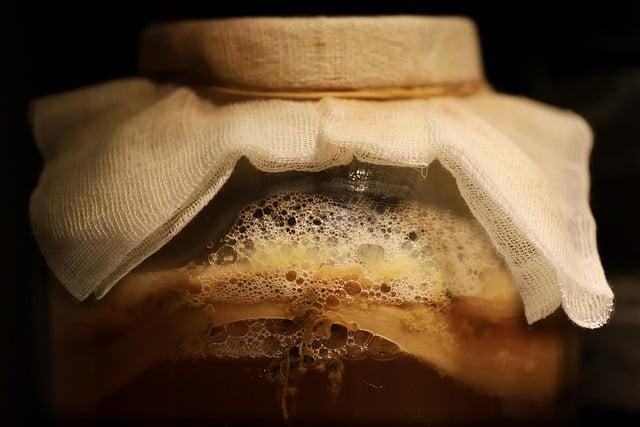
- Seal It Up: Cover the jar with a cloth or a fermentation lid to allow gas to escape while keeping out contaminants.
- Monitor the Process: Let your mixture sit in a dark, warm place for 1-2 weeks, checking for bubbles which signal fermentation is active.
Once fermentation slows, typically indicated by fewer bubbles, transfer the liquid to a clean bottle, leaving sediment behind. It’s now time to enjoy the fruits of your labor! Consider experimenting with different fruit combinations and adjusting sugar levels to find your perfect blend.

Troubleshooting Common Fermentation Problems: Tips for Success
Fermentation can sometimes feel like a science experiment gone wrong, but troubleshooting common issues can lead to a delicious outcome. Here are a few typical problems you might encounter and tips for overcoming them:
- No bubbles or activity: This could mean yeast is inactive or dead. Ensure your yeast is fresh by checking the expiration date. Also, maintain the optimal temperature for fermentation, usually around 70-75°F (21-24°C).
- Off-odors: Unpleasant smells can indicate contamination. Make sure to sanitize all your equipment thoroughly before use and verify that fruit is fresh, as any rotten or moldy pieces can spoil the batch.
- Too sweet or not fermenting to desired alcohol level: This may happen if the fermentation is too cool or the yeast lacks nutrients. Consider warming the environment slightly or adding yeast nutrients to promote a better fermentation progress.
Monitoring your fermentation’s progress through visual inspections and using a hydrometer can reveal secrets about what’s happening in your fermenter. Here’s a quick reference table to help you address common issues:
| Problem | Possible Cause | Solution |
|---|---|---|
| No bubbles | Inactive yeast | Check yeast freshness and temperature |
| Off-odors | Contamination | Sanitize all equipment |
| Too sweet | Cool fermentation | Increase temperature and/or add nutrients |
By keeping an eye on these factors, you can troubleshoot effectively and ensure your homemade fruit alcohol is a success. Remember, every fermentation has its own unique rhythm, so patience and careful observation are key!
Flavoring Your Fermented Beverage: Creative Ideas to Enhance Your Drink
Experimenting with flavors can take your fermented fruit beverages to new heights. Here are some creative ideas to infuse delightful tastes into your drinks:
- Herb Infusions: Try adding fresh herbs like mint, basil, or rosemary during fermentation. These can impart refreshing and aromatic qualities that pair well with the sweetness of fruit.
- Spices: Introducing spices such as cinnamon, ginger, or cloves can create warmth and depth. Consider adding them as whole pieces or ground forms, but be mindful of the quantities, as a little goes a long way.
- Citrus Zest: The zest of lemons, limes, or oranges can brighten your beverage. Add citrus peels during fermentation for a vibrant aroma and a tangy kick.
- Flavorful Extracts: Incorporate a few drops of vanilla, almond, or coconut extract for a unique spin. These concentrated flavors can completely transform your beverage.
To help you determine which flavors may work best with your chosen fruits, refer to the following simple guide:
| Fruit | Complimentary Flavors |
|---|---|
| Strawberries | Mint, Lime, Vanilla |
| Pineapple | Coconut, Ginger, Chili |
| Peaches | Basil, Clove, Honey |
| Apples | Cinnamon, Cardamom, Nutmeg |
These simple yet effective flavoring techniques not only elevate your homemade beverages but also allow you to personalize your brews. Don’t hesitate to experiment and create your very own signature drink!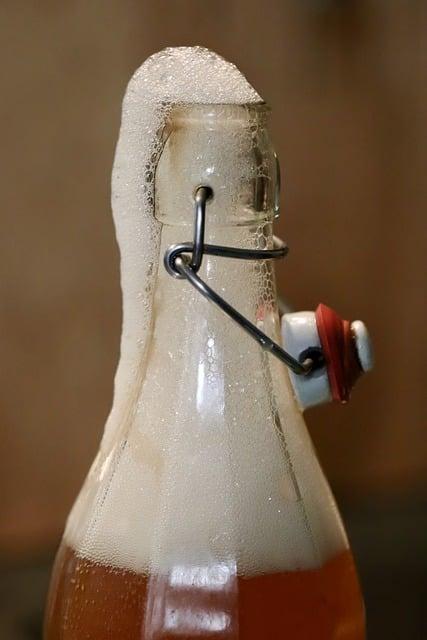
Safety Considerations When Fermenting: Ensuring a Safe DIY Experience
When venturing into the world of fruit fermentation, understanding the safety aspects is paramount to ensuring a successful and enjoyable DIY experience. Fermentation is a delicate process that can lead to the growth of harmful bacteria or the production of toxic substances if not done correctly. By following some essential safety guidelines, you can mitigate these risks and enjoy your homemade creations with peace of mind.
- Cleanliness is Key: Always start with a sanitized workspace. Wash all equipment, containers, and tools thoroughly to prevent contamination. This includes any jars, bottles, and utensils you’ll be using.
- Fruit Quality: Use only fresh, ripe fruit devoid of mold or overripe spots. Low-quality fruit can introduce unwanted bacteria and spoil the fermentation process.
- Monitor Fermentation Temperature: Temperature control is crucial. Most fermentations thrive between 60°F and 75°F (15°C – 24°C). Higher temperatures can lead to off-flavors and the production of undesirable compounds.
- Be Mindful of Alcohol Levels: Higher alcohol concentrations can become toxic. Always be cautious of the final alcohol content and monitor it throughout the fermentation process.
- Know Your Ingredients: Some fruits and additives, like certain herbs or spices, can interfere with fermentation or produce harmful effects. Research and ensure all components are safe for fermentation.
It’s also vital to ensure proper sealing and airtight environments during fermentation. This prevents contamination and excessive exposure to oxygen, which can lead to vinegar production instead of alcohol. Regularly check your fermenting mixture for signs of spoilage, such as off-putting smells or unusual growths.
Here’s a quick reference table for common signs of fermentation progress:
| Signs of Fermentation | Description |
|---|---|
| Bubbles | Visible bubbles indicative of carbon dioxide production. |
| Foam | Foamy layer on the surface suggests healthy fermentation. |
| Smell | A fruity, tangy aroma is a sign of good fermentation. |
| Color Change | Fruit may slightly darken or become cloudy. |
By adhering to these considerations and maintaining a vigilant approach, you can safely explore the art of fermentation, creating delicious homemade alcoholic beverages that you can savor with confidence.

Enjoying Your Homemade Alcohol: Serving Suggestions and Pairing Ideas
Once you’ve crafted your homemade fruit alcohol, the next step is to savor it to the fullest. Here are some *exciting serving suggestions* and *pairing ideas* that will elevate your homemade creation:
- Serve Chilled: Many fruit-based drinks shine when served at a cool temperature. Consider chilling your beverage in the fridge or over ice to enhance its refreshing qualities.
- Garnish Creatively: Fresh herbs like mint or basil, alongside slices of the fruit you fermented, can make your drink visually appealing and add a fragrant touch.
- Make a Cocktail: Use your fruit alcohol as a base for cocktails. A splash of soda, tonic, or even some bitters can bring new complexity to your drink.
When it comes to food pairings, think about the flavors of your fruit alcohol:
| Fruit Alcohol | Recommended Pairings |
|---|---|
| Apple | Charcuterie board with cheeses and cured meats |
| Peach | Grilled chicken or seafood dishes |
| Berry | Chocolate desserts and pastries |
| Citrus | Zesty salads and seafood ceviche |
By combining thoughtful servings and complementary food pairings, you’ll be sure to impress your guests or simply enjoy a well-deserved treat for yourself.
Faq
Q&A: DIY Alcohol – How to Ferment Fruit
Q1: What is fruit fermentation, and why should I try it?
A1: Fermentation is a natural process where sugars in food convert into alcohol and carbon dioxide with the help of yeast or bacteria. Fermenting fruit is a fun and rewarding hobby that allows you to create delicious homemade alcohol, such as wine or fruit-based spirits. Plus, it’s a great way to preserve seasonal fruits and explore new flavors.
Q2: What types of fruit work best for fermentation?
A2: Almost any fruit can be fermented, but some of the most popular choices include apples, strawberries, grapes, peaches, and cherries. Fruits with higher sugar content typically yield better results. For beginners, starting with fruits that have a history of successful fermentation, like grapes for wine or apples for cider, can be a great way to build confidence.
Q3: Do I need special equipment to ferment fruit?
A3: You don’t need a lot of specialized equipment to get started! Basic tools include a fermentation vessel (like a glass jar or carboy), a stirring spoon, an airlock, and bottles for storing your finished product. You will also need a good-quality yeast for fermentation. Many people find success with simple kitchen supplies, but as you progress, you might want to invest in more advanced gear like a hydrometer or a corker.
Q4: What kind of yeast should I use for fermenting fruit?
A4: There are various types of yeast, but for fruit fermentation, look for wine yeast or champagne yeast. These strains are specifically designed to handle sugar-rich environments and can withstand higher alcohol concentrations. They will also help develop unique flavors and aromas in your final product. Many homebrew stores offer a range of options, so you can choose one that fits the fruit you’re using.
Q5: How long does the fermentation process take?
A5: Fermentation times can vary widely depending on the type of fruit, the yeast used, the temperature of the fermentation environment, and your desired alcohol content. Generally, primary fermentation can last anywhere from a week to a few weeks. After that, secondary fermentation may take an additional few weeks to months, especially if you are aiming for a smoother finish or aging your alcohol.
Q6: How can I tell when fermentation is complete?
A6: You’ll know fermentation is complete when the bubbling slows down significantly, and there are no more visible signs of activity in your fermentation vessel. You can also use a hydrometer to measure the specific gravity of your liquid—the numbers should stabilize over a few days. If you want to be extra sure, taste it; if it no longer tastes sweet and has a pleasantly alcoholic flavor, you’re likely ready to bottle!
Q7: What are some common mistakes to avoid when fermenting fruit?
A7: Some common pitfalls include not cleaning and sanitizing all your equipment properly, using overly ripe or damaged fruit, or fermenting at the wrong temperature. It’s essential to monitor your fermentation vessel for any signs of mold or unwanted bacteria and adjust your conditions as needed. Patience is key—rushing the process can lead to subpar results.
Q8: Can I experiment with flavors during fermentation?
A8: Absolutely! One of the joys of DIY alcohol is experimenting with flavors. You can incorporate spices like cinnamon or ginger, other fruit, or even herbs like mint or rosemary. Just remember to keep track of your additions and adjust your techniques accordingly. It’s all about discovering what works best for your taste!
Q9: Is it safe to drink homemade fermented fruit alcohol?
A9: Yes, homemade fermented fruit alcohol can be safe to drink as long as you follow proper sanitation and fermentation procedures. Make sure to use fresh, clean ingredients, and store your finished product in a safe, temperature-controlled environment. If you’re uncertain about any step in the process, researching or consulting with experienced homebrewers can provide added peace of mind.
Q10: What resources can I use to learn more about fruit fermentation?
A10: There are plenty of great resources out there! Books on homebrewing and fermentation can provide in-depth knowledge. Online forums and communities dedicated to home fermentation can be invaluable for tips and advice. YouTube is also an excellent source for visual demonstrations. And don’t forget local homebrew clubs, where you can connect with others who share your passion and learn from their experiences!
This Q&A will help you get started on your journey into the exciting world of DIY alcohol. Happy fermenting!
Concluding Remarks
And there you have it! With a little creativity and patience, you can transform simple fruits into delicious homemade alcohol right in your own kitchen. Remember, experimentation is key—each batch can lead to exciting new flavors and discoveries. Whether you’re looking to impress friends at your next gathering or simply enjoy a unique libation crafted by your own hands, DIY fermentation opens up a world of possibilities. So gather your fruits, get started on your brewing journey, and let the fermentation magic unfold. Cheers to your new adventure in the art of DIY alcohol!