Homebrewing: How Long Does Fermentation Take?
Are you ready to unlock the magic of homebrewing and transform plain old ingredients into your very own craft masterpiece? Before you dive headfirst into the frothy world of bubbling brews, there’s a crucial question that all aspiring brewmasters must ponder: just how long does fermentation take? Fear not, fellow fermenters! In this article, we’ll break down the fermentation timeline with the finesse of a yeast whisperer—because who doesn’t want to avoid the dreaded “Oops, I forgot about it!” moment? Whether you’re brewing beer that’ll make your friends toast your greatness or a kombucha that even your hipster neighbor will envy, understanding the fermentation phase is vital. So grab your favorite pint glass and let’s get ready to geek out about the bubbly science behind this deliciously rewarding process! Cheers to great brews and good times ahead!
Article Contents
- Understanding the Fermentation Process in Homebrewing
- Factors That Influence Fermentation Time
- Common Fermentation Periods for Different Beverages
- Recognizing Signs of Active and Complete Fermentation
- Best Practices for Monitoring Your Brew
- Troubleshooting Common Fermentation Issues
- Enhancing Flavor Profiles Through Controlled Fermentation
- Patience and Timing: The Key to Successful Homebrewing
- FAQ
- Closing Remarks
Understanding the Fermentation Process in Homebrewing
Fermentation is a critical phase in homebrewing that transforms your sweet wort into a deliciously complex beverage. During this stage, yeast plays a starring role by consuming the sugars present in the wort, producing alcohol and carbon dioxide as byproducts. The temperature, yeast strain, and specific gravity are all essential factors that influence the fermentation timeline.
Here are some key factors that impact how long fermentation takes:
- Yeast Strain: Different yeast strains ferment at varying speeds. Some can finish their work in a matter of days, while others may take weeks.
- Temperature: The fermentation temperature affects yeast activity. Cooler temperatures can slow down fermentation, while warmer environments can expedite it.
- Type of Brew: High-alcohol beers or certain styles may require extended fermentation periods compared to lighter ales.
The fermentation process can typically be broken down into two primary phases:
| Phase | Duration | Description |
|---|---|---|
| Primary Fermentation | 5-14 days | The yeast actively ferments the sugars, producing alcohol and CO2. |
| Secondary Fermentation | 1-4 weeks | Optional phase for clarifying and conditioning the brew. |
Understanding these nuances allows homebrewers to better predict when their brew will be ready. Each batch is unique, and by monitoring variables closely, you can perfect your craft over time.
Factors That Influence Fermentation Time
Fermentation time can vary greatly depending on several key factors, each contributing to the overall process. Understanding these elements can help you achieve the desired flavor and clarity in your homebrew.
- Yeast Strain: Different strains of yeast have varying fermentation speeds. Some, like Saccharomyces cerevisiae, are known for their quick fermentation, while others may take longer.
- Temperature: Yeast activity is highly sensitive to temperature. Warmer temperatures generally speed up fermentation, while cooler environments can slow it down significantly.
- Oxygen Levels: Yeast requires oxygen for the initial stages of fermentation, but an excess during later stages can lead to undesired flavors. Managing oxygen levels effectively contributes to the timing of the fermentation process.
- Gravity: The starting specific gravity of your brew can greatly influence fermentation time. Higher gravity brews with more sugar can prolong the fermentation process as yeast works harder to translate sugar into alcohol.
- Nutrient Content: Yeast health is crucial for fermentation. Adding nutrient supplements can enhance yeast activity and therefore potentially reduce fermentation time.
Additionally, the type of brew—whether it’s beer, wine, or mead—has its own fermentation characteristics that should be considered. Refer to the table below for a comparison of average fermentation times based on brew type:
| Brew Type | Average Fermentation Time |
|---|---|
| Beer | 1-2 weeks |
| Wine | 2-4 weeks |
| Mead | 4-8 weeks |
By paying careful attention to these factors, you can optimize fermentation time and enhance the quality of your homebrew, ensuring a successful and enjoyable brewing experience.
Common Fermentation Periods for Different Beverages
Understanding the fermentation periods for various beverages is crucial for achieving the perfect taste and texture in your homebrewing endeavors. Each type of beverage has its own specific fermentation timeline, influenced by factors such as yeast strain, sugar content, and desired flavor profile. Here’s a quick overview of common fermentation durations for popular beverages:
- Beer: Typically completes fermentation in 1 to 2 weeks for ales and 2 to 4 weeks for lagers, followed by an additional time for conditioning.
- Wine: Generally requires 4 to 6 weeks of primary fermentation, with some red wines benefitting from extended periods of up to a few months.
- Mead: Fermentation can take anywhere from 4 weeks to several months, depending on the honey concentration and specific recipe.
- Kombucha: A shorter fermentation process, ranging from 7 to 21 days, to achieve the right balance between sweetness and tartness.
For a clearer perspective, here’s a concise table to summarize these fermentation periods:
| Beverage | Typical Fermentation Time |
|---|---|
| Beer (Ales) | 1-2 weeks |
| Beer (Lagers) | 2-4 weeks |
| Wine | 4-6 weeks |
| Mead | 4 weeks – several months |
| Kombucha | 7-21 days |
These timeframes will help you plan your brewing schedule effectively. Keep in mind that temperature, yeast health, and other variables can alter these periods. Always taste and monitor your batch to find the ideal fermentation duration that suits your palate!
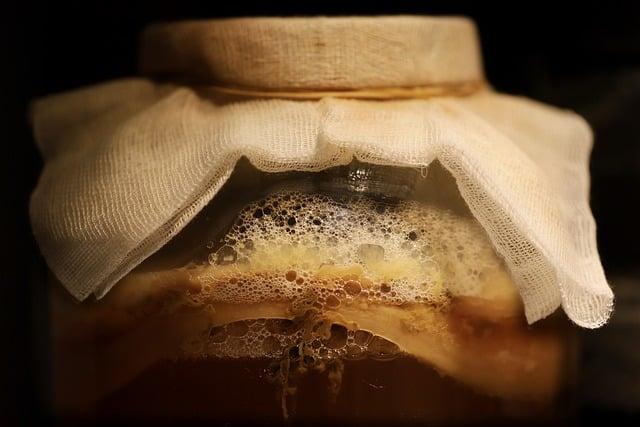
Recognizing Signs of Active and Complete Fermentation
When brewing at home, understanding the fermentation process is crucial for achieving the perfect brew. Recognizing the signs of active fermentation is vital to determine if your yeast is doing its job. During this stage, look out for:
- Bubbling airlock: An active airlock signifies that carbon dioxide is being produced, indicating yeast activity.
- Foam and krausen: A frothy layer on top of your brew, known as krausen, is another good indicator that fermentation is underway.
- Base temperature rise: If you notice a slight increase in the temperature of your brew, that’s often a result of the yeast’s metabolic processes.
As fermentation progresses toward completion, several observable changes occur. You should expect:
- Reduced bubbling: After a few days, the bubbling in the airlock will slow down significantly.
- Clearer appearance: As yeast settles at the bottom, your brew will transition from cloudy to clearer.
- Stable gravity readings: Taking hydrometer readings over consecutive days will show little to no change in specific gravity, indicating the fermentation process is nearing its end.
Both the visual and physical signs are key to knowing when to move on to the next phase of your brewing process. Here’s a quick reference table summarizing the signs and what they mean:
| Sign of Fermentation | What it Indicates |
|---|---|
| Bubbling airlock | Active fermentation |
| Foam and krausen | Yeast is actively reproducing |
| Stable gravity readings | Fermentation is nearly complete |
| Clear liquid | Most yeast has settled |
Best Practices for Monitoring Your Brew
Monitoring your brew is a crucial aspect of successful homebrewing. To ensure that fermentation proceeds smoothly and your beer turns out as intended, consider incorporating the following practices:
- Visual Checks: Regularly glance at your fermentation vessel to observe bubbling activity and foam formation. This can provide early signs of fermentation progress.
- Temperature Control: Maintain a consistent temperature within the recommended range for your yeast strain. Invest in a thermometer or temperature controller to help manage fluctuations.
- Hydrometer Usage: Utilize a hydrometer to take gravity readings at various stages. This will inform you of the fermentation progress and help you determine when it’s time to bottle.
If you’re using a carboy or another type of fermenter that allows visibility, you can also set up a simple chart to track your observations:
| Observation Date | Bubbling Activity | Specific Gravity |
|---|---|---|
| Day 1 | Active | 1.060 |
| Day 3 | Slowing | 1.030 |
| Day 7 | Minimal | 1.010 |
By keeping a detailed record, you can not only gauge the current status of your brew but also apply insights to future batches, refining your process with every pour. Each observation contributes to your brewing knowledge, ultimately leading to more consistent results.
Troubleshooting Common Fermentation Issues
When embarking on your homebrewing journey, encountering fermentation issues is not uncommon. Understanding potential problems can greatly enhance your brewing experience and results. Here are some frequent issues and their solutions:
- Slow Fermentation: If your fermentation is lagging, consider checking the temperature. Yeasts thrive in specific temperature ranges; for most ales, between 65-75°F (18-24°C) is ideal. If it’s too cool, gently warm the fermenter.
- Off-Flavors: Off-flavors can stem from various factors, including yeast stress or bacterial contamination. Ensure cleanliness and proper fermentation conditions, and consider using a different yeast strain for future batches.
- Stuck Fermentation: This occurs when the yeast stops working prematurely. A common fix is to gently swirl the fermenter to re-suspend the yeast or, if necessary, pitch additional yeast.
Below is a helpful overview of troubleshooting steps:
| Issue | Potential Cause | Solution |
|---|---|---|
| Slow Fermentation | Low Temperature | Increase Temperature Gradually |
| Off-Flavors | Yeast Stress or Contamination | Practice Good Sanitation |
| Stuck Fermentation | Low Yeast Activity | Swirl or Add More Yeast |
Addressing these common fermentation challenges not only helps improve your beer but also adds to your knowledge and confidence as a homebrewer. Keep experimenting and learning, and you’ll be on your way to crafting exceptional brews!
Enhancing Flavor Profiles Through Controlled Fermentation
Controlled fermentation is a fundamental technique in homebrewing that opens up a world of possibilities for enhancing flavor profiles. By carefully managing the fermentation environment, brewers can manipulate factors such as temperature, pH, and oxygen levels to achieve desired taste characteristics. This approach allows for the development of unique flavor notes that can elevate a standard beverage into a gourmet experience.
Key factors to consider when working with fermentation include:
- Yeast Strains: Different yeast strains contribute distinct flavors and aromas. Experimenting with various yeasts can yield exciting results.
- Temperature Control: Fermentation temperature affects the activity of the yeast and the production of flavors. Higher temperatures tend to produce ester and phenol compounds that add fruity or spicy notes.
- Timing: Each stage of fermentation—primary and secondary—offers unique opportunities to develop complexity. Extended fermentation can lead to a richer flavor profile.
To better understand the impact of fermentation duration on flavor, consider the following table that outlines general timelines for various fermentation stages:
| Fermentation Stage | Typical Duration | Flavor Impact |
|---|---|---|
| Primary Fermentation | 1-3 weeks | Initial flavor development and alcohol production |
| Secondary Fermentation | 2 weeks – several months | Enhances clarity and allows for complex flavor maturation |
| Bottle Conditioning | 1-4 weeks | Further flavor refinement and carbonation |
By mastering these elements, homebrewers can not only preserve their unique brewing styles but also innovate with a wide array of flavors that tantalize the palate.
Patience and Timing: The Key to Successful Homebrewing
In the world of homebrewing, something magical happens during fermentation – and it requires both patience and perfect timing. Understanding the different stages of fermentation not only enhances the quality of your brew but also helps prevent unwanted flavors and off-aromas from developing. The fermentation process can be broken down into several phases, each crucial to achieving the desired outcome.
- Primary Fermentation: This is where the yeast goes to work, converting sugars into alcohol and carbon dioxide. Typically lasting from 1 to 3 weeks, it’s essential to monitor the fermentation activity, often observed through bubbling airlocks or krausen formation.
- Secondary Fermentation: After the primary phase, transferring your brew to a secondary fermenter can help clarify the beer and develop deeper flavors. This phase can take anywhere from 1 week to several months depending on the style of beer.
- Conditioning: After fermentation, the beer continues to evolve. Conditioning allows the flavors to meld and mature, often requiring 2 to 4 weeks, or longer for certain styles like IPAs or stouts.
Here’s a sample timeline illustrating the typical fermentation periods for various beer styles:
| Beer Style | Primary Fermentation | Secondary Fermentation | Conditioning |
|---|---|---|---|
| Pale Ale | 1-2 weeks | 1-2 weeks | 2 weeks |
| Stout | 1-2 weeks | 2-4 weeks | 4-6 weeks |
| IPA | 1-2 weeks | 1-2 weeks | 2-4 weeks |
| Lager | 1-2 weeks | 3-6 weeks | 4-6 weeks |
Embrace the waiting period and remember that every style may call for a different approach. Pay attention to the visual cues and take notes. With time and a watchful eye, your patience will pay off in the form of a delightful brew, ready to be enjoyed.
FAQ
Q&A: Homebrewing – How Long Does Fermentation Take?
Q: What is fermentation in homebrewing?
A: Fermentation is a crucial process in homebrewing where yeast converts sugars into alcohol and carbon dioxide. It’s the magic moment that transforms your wort (the sugary liquid) into beer, cider, or mead. During this phase, the yeast not only produces alcohol but also contributes to the flavor and aroma of the final beverage.
Q: How long does fermentation typically last?
A: The fermentation timeframe can vary depending on several factors, but generally, primary fermentation takes anywhere from one to four weeks. For most traditional beers, you can expect it to be around one to two weeks. However, some more complex brews, like certain ales or lagers, may take longer—sometimes up to six weeks or more.
Q: Why does the fermentation time vary?
A: Fermentation time can be influenced by various elements, including the type of yeast you’re using, the temperature of the fermentation environment, and the specific recipe you’re following. Warmer temperatures often speed up fermentation, while cooler conditions can slow it down. Additionally, high-alcohol-content brews can take longer to ferment because the yeast works harder to convert more sugars.
Q: How can I tell when fermentation is complete?
A: The best way to determine if fermentation is complete is by using a hydrometer to measure the specific gravity of your brew. Initially, you’ll take a reading (the starting gravity), and after a few days, you’ll take another reading. If the gravity remains stable over two to three days, that’s a strong indicator that fermentation has finished. Another sign is when you notice a decrease in bubbling from the airlock on your fermentation vessel.
Q: What happens if I leave my beer in fermentation too long?
A: While it’s generally safe to extend fermentation by a few days or even weeks, leaving your brew for too long can lead to off-flavors from the yeast. Over time, the yeast can break down and create undesirable byproducts, which might affect the taste. Generally, it’s best to bottle your beer or move it to secondary fermentation once you’re sure that fermentation has completed.
Q: Should I always do a secondary fermentation?
A: Not necessarily! Secondary fermentation can be beneficial for certain styles of beer, especially those that are hop-forward or require time to clarify. It can also help to condition the beer further and develop flavors. However, many homebrewers find that they get great results with a primary fermentation alone. It really depends on the beer style and your personal preferences.
Q: Any tips for new homebrewers regarding fermentation?
A: Absolutely! Here are a few quick tips:
- Temperature Control: Keep your fermentation vessel in a stable temperature environment to avoid stressing the yeast. Most ales perform well between 65-75°F (18-24°C), while lagers thrive in cooler conditions.
- Sanitation: Always sanitize everything that comes into contact with your beer after the boil to prevent contamination.
- Patience is Key: Don’t rush the process! Allow your fermentation to run its course, and don’t be too quick to bottle or keg. Good things take time!
- Take Notes: Keep a brewing journal to track your fermentation progress and any adjustments you make in future batches.
Q: What resources can I turn to for more information on homebrewing?
A: There are plenty of fantastic resources available! Online communities like homebrew forums and social media groups are great for asking questions and sharing experiences. You can also find comprehensive books on homebrewing, which cover everything from the basics to advanced techniques. Local homebrew shops often have classes and workshops, so don’t hesitate to check those out!
By understanding the fermentation process and its timeline, you’ll be better equipped to create delicious homemade beer. Happy brewing!
Closing Remarks
understanding the fermentation timeline is crucial for any homebrewer eager to craft their perfect brew. While factors like yeast strain, temperature, and recipe all play pivotal roles in determining fermentation duration, patience is truly a virtue in this craft. Whether you’re eagerly awaiting your first batch or honing your expertise, embracing the intricacies of fermentation will undoubtedly lead to better brews. So, gear up, take notes, and remember: every bubble counts on your journey to becoming a homebrewing master. Cheers to many successful batches ahead!