How Do You Smoke Meat to Preserve It? A Complete Guide
Are you tired of bland, boring meals that leave you counting down the minutes until snack time? Ready to elevate your culinary prowess and impress your friends (and possibly your in-laws)? Look no further! In this complete guide on How Do You Smoke Meat to Preserve It?, we’ll take you through the smokin’ secrets of transforming ordinary cuts into succulent, flavor-packed masterpieces that would make a barbecue pitmaster weep with joy. From understanding the art of smoke rings to mastering the perfect brine, we’ll blend humor with expertise to make this adventure not just educational, but downright enjoyable. So grab your apron, fire up that smoker, and let’s dive into the deliciously smoky world of meat preservation—because why should only fine wine get better with age?

Article Contents
- Understanding the Basics of Meat Preservation Through Smoking
- The Science Behind Smoking Meat and Its Preserving Qualities
- Choosing the Right Type of Meat for Smoking: A Comprehensive Overview
- Essential Tools and Equipment for Successful Meat Smoking
- Preparing Your Meat: Marinades, Rubs, and Brines Explained
- Mastering the Smoking Process: Techniques and Tips for Beginners
- Monitoring Temperature and Time: Key Factors for Effective Smoking
- Storing and Enjoying Your Smoked Meat: Best Practices for Longevity
- Q&A
- In Summary
Understanding the Basics of Meat Preservation Through Smoking
Smoking meat is not just a flavorful method of cooking; it has been used for centuries as a means of preservation. The process of smoking involves exposing meat to smoke from burning or smoldering materials, typically wood, which contributes both antimicrobial properties and enhanced flavors. This ancient technique leverages a combination of moisture removal and the addition of smoke compounds to inhibit the growth of spoilage bacteria. Understanding the basics of this method will empower you to safely and effectively preserve your meat.
During the smoking process, three primary elements work together to ensure your meat lasts longer:
- Temperature control: Maintaining low temperatures during smoking helps prevent the meat from cooking too quickly, allowing it to absorb smoke flavor while gradually drying out to hinder bacterial growth.
- Smoke penetration: The type of wood used (such as hickory, mesquite, or fruitwoods) plays a vital role in flavoring and preserving the meat. Each wood type infuses different flavors and compounds that aid in preservation.
- Time: Patience is essential in smoking, as longer exposure to smoke increases the preservation effect while allowing for deeper penetration of flavor.
Here’s a simple overview of the key steps in smoking meat for preservation:
| Step | Description |
|---|---|
| Preparation | Trim the meat and apply a dry rub or brine for flavor and moisture retention. |
| Setup | Use a smoker or create a makeshift smoker with a grill featuring indirect heat. |
| Smoking | Maintain a steady temperature, ideally between 200°F and 225°F, while adding wood chips for smoke. |
| Cooling | Once the internal temperature reaches at least 145°F, remove the meat and let it rest before storing. |
By mastering these basic concepts of meat smoking, you’ll not only savor the delicious flavors but also enhance the shelf-life of your favorite cuts. Whether you’re a seasoned pitmaster or a curious beginner, the art of smoking meat opens up a world of culinary adventures while preserving quality and safety.
The Science Behind Smoking Meat and Its Preserving Qualities
Smoking meat is an ancient culinary technique that not only enhances flavor but also provides essential preserving qualities. The process involves exposing meat to smoke from burning or smoldering materials, commonly wood, which helps in the development of taste profiles while simultaneously creating an environment that inhibits bacterial growth. This preservation is primarily attributed to several key factors:
- Low-Temperature Cooking: Smoking typically occurs at low temperatures, which helps reduce the presence of harmful bacteria.
- Acidity Formation: The compounds produced during smoking impart an acidic environment that further deters microbial growth.
- Dehydration: The smoke process tends to draw moisture out of the meat, thereby making it less hospitable for pathogens.
- Antimicrobial Properties: Certain wood types, such as hickory or mesquite, release natural preservatives during smoking, which have antimicrobial effects.
The science behind smoking meat also involves understanding the Maillard reaction, which occurs when the smoke interacts with the surface of the meat. This chemical reaction not only contributes to a sophisticated flavor profile but also creates a protective barrier on the meat’s surface. By smoke-curing your meat, you are effectively enhancing its longevity while creating an irresistible taste that can elevate any dish. Below is a simple comparison of popular wood types used in smoking and their unique preserving properties:
| Wood Type | Flavor Profile | Preserving Qualities |
|---|---|---|
| Hickory | Strong, smoky | High antimicrobial action |
| Mesquite | Earthy, sweet | Dehydrates effectively |
| Apple | Fruity, mild | Gentler on meats |
| Cherry | Sweet, rich | Enhances color |

Choosing the Right Type of Meat for Smoking: A Comprehensive Overview
When it comes to smoking meat, selecting the right type is crucial to achieving the best flavor and preservation qualities. Different meats have unique characteristics that can influence the smoking process, resulting in varied taste profiles and textures. Here are some popular choices to consider:
- Pork: Cuts like pork shoulder and ribs are excellent for smoking due to their balance of meat and fat. The fat renders during the smoking process, keeping the meat moist and enhancing flavor.
- Beef: Brisket is a classic choice among pitmasters for its rich flavor and marbling. The long smoking process breaks down the connective tissues, yielding tender, juicy results.
- Poultry: Chicken and turkey can be delicious when smoked. Chicken thighs are particularly forgiving because their higher fat content helps retain moisture during cooking.
- Fish: Salmon and trout are popular for smoking, providing a unique taste and texture that complements the smoking process. These fish benefit from brining to enhance flavor and prevent drying out.
When planning to smoke meat, it’s also essential to consider the ideal smoking duration and temperature for each type:
| Type of Meat | Recommended Smoker Temperature (°F) | Smoking Time (hours per pound) |
|---|---|---|
| Pork Shoulder | 225-250 | 1.5 – 2 |
| Brisket | 225-250 | 1 – 1.5 |
| Chicken Thighs | 250-275 | 1 – 1.5 |
| Salmon | 200-225 | 0.5 – 1 |
Choosing the right type of meat for smoking not only contributes to the final outcome but also enhances the preservation process, ensuring your smoked creations remain flavorful and enjoyable for longer periods.

Essential Tools and Equipment for Successful Meat Smoking
Mastering the art of meat smoking requires the right set of tools and equipment to ensure not just flavor but also effective preservation. Here are some essential tools that every meat smoking enthusiast should consider:
- Smoker: Whether you opt for an electric, propane, or wood smoker, choosing one that fits your needs and cooking style is crucial. Each type brings its own flavor profile and ease of use.
- Meat Thermometer: A digital or instant-read thermometer will help you accurately measure the internal temperature of the meat, ensuring it is safely cooked and properly smoked.
- Wood Chips or Chunks: Different types of wood impart unique flavors. Experimenting with hickory, mesquite, or applewood can elevate the taste of your smoked meat.
- Brine or Marinade Containers: Proper brining or marinating equipment, such as large zip-top bags or food-safe buckets, can enhance flavor and texture before smoking.
- Gloves: Heat-resistant gloves are essential for handling hot equipment and meat, providing both safety and comfort.
To complement your setup, having the right accessories can make the smoking process smoother:
| Accessory | Purpose |
|---|---|
| Cooking Rack | Maximizes smoking space and airflow |
| Spritzing Bottle | Keeps meat moist and adds flavor |
| Cleaning Tools | Maintains the smoker for longevity |
Equipped with the right tools, you’re well on your way to achieving delicious, smoky flavors while ensuring long shelf-life through the smoking process. Invest in quality equipment, and your efforts will be rewarded with the perfect smoked meats every time!
Preparing Your Meat: Marinades, Rubs, and Brines Explained
When it comes to enhancing the flavor and texture of meat before smoking, understanding the differences and applications of marinades, rubs, and brines is essential. These methods not only add complex flavors but also contribute to the moisture and overall quality of the final product.
Marinades are liquid mixtures that typically contain an acid (like vinegar or citrus juice), oil, and various seasonings. The acid helps to tenderize the meat while infusing it with flavor. To create an effective marinade:
- Choose a balance of flavors—sweet, savory, and acidic.
- Let the meat soak for several hours, or even overnight, to achieve the best results.
Rubs, on the other hand, are dry mixtures of spices and herbs that are massaged onto the surface of the meat. They create a flavorful crust when cooked, locking in moisture. Consider these tips for applying a rub:
- Coat the meat generously, ensuring an even distribution.
- Allow the rub to sit for at least 30 minutes to blend the flavors.
brining involves soaking the meat in a saltwater solution, often enhanced with sugar, herbs, and spices. This method increases the meat’s moisture content, resulting in juicier and more flavorful smoked meat. Here are key aspects to consider:
- Use a ratio of 1 cup of salt to 1 gallon of water for a basic brine.
- Brine for several hours, depending on the type and cut of meat.
| Method | Purpose | Typical Duration |
|---|---|---|
| Marinate | Tenderizes & adds flavor | 1 hour to overnight |
| Rub | Flavors surface & forms crust | 30 minutes to overnight |
| Brine | Increases moisture & flavor | 1 hour to 12 hours |

Mastering the Smoking Process: Techniques and Tips for Beginners
Understanding the basics of smoking meat is essential for anyone looking to preserve their food while enhancing its flavor. Here are some fundamental techniques and tips to help you begin your smoking journey:
- Choosing the Right Wood: Different types of wood impart unique flavors. Popular options include hickory, mesquite, apple, and cherry. Experiment with various woods to see which enhances the taste of your meat.
- Meat Preparation: Before smoking, marinate or dry rub your meat with spices. This not only adds flavor but also creates a delicious crust, known as the “bark” during the smoking process.
- Temperature Control: Maintain a steady temperature, typically between 225°F to 250°F (107°C to 121°C). Use a reliable thermometer to monitor both the smoker’s and meat’s internal temperatures.
Once you’re comfortable with the basic techniques, consider these additional tips to refine your approach:
- Patience is Key: Smoking is a low-and-slow method, which allows the flavors to develop fully. Avoid the temptation to rush the process.
- Moisture Management: To prevent the meat from drying out, incorporate a water pan in your smoker. This will keep the air humid and enhance the overall quality of your smoked meat.
- Resting Period: After smoking, let your meat rest for at least 30 minutes. This allows the juices to redistribute, resulting in a tender and succulent final product.
| Wood Type | Flavor Profile |
|---|---|
| Hickory | Strong, smoky flavor |
| Apple | Sweet, mild flavor |
| Cherry | Fruity, slightly sweet |
| Mesquite | Bold, earthy taste |
Monitoring Temperature and Time: Key Factors for Effective Smoking
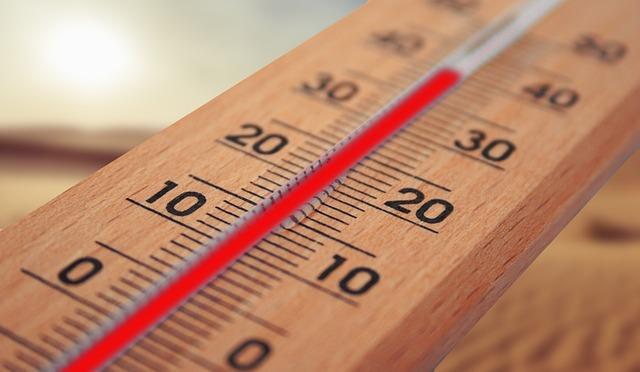
When it comes to smoking meat, maintaining the right temperature is essential for both flavor and safety. The ideal smoking temperature generally falls between 225°F and 250°F (107°C – 121°C). Keeping your smoker within this range allows the meat to break down slowly, ensuring tenderness while absorbing that delightful smoky flavor. Inconsistent temperatures can lead to uneven cooking, potentially resulting in both tough textures and food safety hazards.
Equally crucial is timing—how long you smoke your meat significantly impacts preservation. Large cuts may require several hours; for instance:
| Meat Type | Smoking Time (hours) | Optimal Internal Temperature (°F) |
|---|---|---|
| Pork Shoulder | 12-14 | 195°F |
| Brisket | 10-14 | 205°F |
| Chicken | 3-5 | 165°F |
To master the art of smoking, consider investing in a good meat thermometer. This will help you monitor both the internal temperature of the meat and the ambient temperature of your smoker. Regularly checking these factors ensures an optimal balance of flavor, tenderness, and safety in your smoked creations.
Storing and Enjoying Your Smoked Meat: Best Practices for Longevity
Once you’ve perfected the art of smoking meat, the next crucial step is ensuring its longevity and flavor remain intact long after the smoke has cleared. Proper storage techniques help maintain the texture, moisture, and taste of your smoked delicacies. Here are **best practices** to store and savor your smoked meat:
- Cool It Down First: Allow your smoked meat to cool to room temperature before packaging. This helps prevent condensation, which can promote spoilage.
- Use Quality Wrapping: Wrap your meat tightly in butcher paper or vacuum-sealed bags. Avoid using plastic wrap alone, as it can trap moisture and cause the meat to spoil faster.
- Label and Date: Clearly label your packages with the type of meat and the date it was smoked. This ensures you always know what you have and helps track freshness.
Once stored, enjoy your smoked meats within specific time frames for the best experience. Below is a simple guide to help you understand how long you can keep your smoked meats, depending on the storage method:
| Meat Type | Refrigerator (3-4 °C) | Freezer (-18 °C) |
|---|---|---|
| Smoked Beef | 3-4 days | 6 months |
| Smoked Pork | 3-4 days | 4-6 months |
| Smoked Chicken | 3-4 days | 4-6 months |
| Smoked Fish | 1-2 days | 2-3 months |
When it comes time to enjoy your smoked meats, consider reheating them carefully to maintain flavor without overcooking. Gentle reheating in the oven or on a low stovetop setting is ideal. Pair your smoked meats with favorite sides or sauces, and you’ll be savoring your smoked creations long after the smoke has settled.
Q&A
Q&A: How Do You Smoke Meat to Preserve It? A Complete Guide
Q1: What does it mean to smoke meat for preservation?
A1: Smoking meat is a method of curing that not only enhances flavor but also extends the shelf life of the meat. The process involves using smoke from burning or smoldering materials, like wood, to infuse the meat with compounds that inhibit bacterial growth and promote preservation.
Q2: Why is smoking meat such an effective preservation method?
A2: Smoking meat is effective primarily due to the temperatures involved and the smoke itself. The heat helps dehydrate the meat, reducing moisture levels that bacteria thrive on, while compounds in the smoke—such as phenols—have antimicrobial properties. Together, these factors create an environment where spoilage is significantly slowed.
Q3: What types of meat are best for smoking?
A3: Almost any type of meat can be smoked, but some of the most popular choices include pork, beef, chicken, and fish. Cuts with a bit of fat, like brisket or pork shoulder, tend to work well since the fat adds flavor and moisture throughout the smoking process.
Q4: What equipment do I need to start smoking meat?
A4: At a minimum, you’ll need a smoker. This can be a dedicated electric, charcoal, or wood smoker, or even a grill that you can adapt for smoking. You’ll also need wood chips or chunks for smoking, a meat thermometer, and tools for handling hot meat, like tongs and gloves.
Q5: How do I prepare meat for smoking?
A5: Start by thoroughly cleaning the meat and trimming excess fat if necessary. You can apply a dry rub or brine it to add flavor and help with preservation. Allow the meat to cure for several hours or overnight in the refrigerator for a more intense flavor.
Q6: What wood is best for smoking?
A6: Different woods impart different flavors, so it often comes down to personal preference. Hickory adds a strong, smoky flavor, while fruit woods like apple and cherry provide a mild, sweet taste. Mesquite gives a bold and earthy tone. Experimenting with different types will help you find your favorite!
Q7: What temperature should I smoke meat at?
A7: The ideal smoking temperature generally falls between 225°F to 275°F (107°C to 135°C). It’s important to keep the temperature consistent to prevent the meat from cooking too fast, which can lead to a dry product.
Q8: How long does it take to smoke meat?
A8: The time it takes can vary widely depending on the type, size of the meat, and your desired doneness. Generally, larger cuts may take several hours to smoke—sometimes up to 16-20 hours for larger meats like brisket. Always go by internal temperature rather than time for best results.
Q9: How can I tell when the meat is done?
A9: The most accurate way to check doneness is with a meat thermometer. For instance, poultry should reach an internal temperature of 165°F (74°C), while pork should be cooked to about 145°F (63°C). For tougher cuts intended for barbecue, like brisket, aim for around 195°F-205°F (91°C-96°C) for the best texture.
Q10: How do I store smoked meat for long-term preservation?
A10: Once your meat has cooled to room temperature, vacuum sealing is an excellent method for storage. If you don’t have a vacuum sealer, wrap the meat tightly in plastic wrap and then in aluminum foil. Properly stored, smoked meat can last in the fridge for a few weeks or in the freezer for several months.
Q11: Can smoked meat be eaten right after smoking?
A11: Yes, smoked meat can be eaten right after smoking. However, letting it rest for a short period allows the juices to redistribute, resulting in a more tender and flavorful product. If you’re smoking for preservation, ensure it cools and is stored properly afterward.
Q12: Are there any safety considerations when smoking meat?
A12: Absolutely! Always ensure your smoker reaches the right temperatures to kill harmful bacteria. Use good hygiene practices like washing hands and utensils thoroughly. Monitor the internal temperature with a probe thermometer, especially for larger cuts, to ensure food safety.
Feel free to ask any more questions or dive deeper into any specific topic of smoking meat! Happy smoking!
In Summary
smoking meat is not just a method of preservation; it’s an art that brings out rich flavors and creates a truly unique culinary experience. By understanding the fundamentals of the smoking process, selecting the right wood, and perfecting your technique, you can elevate your home cooking and enjoy delicious, smoky goodness for weeks to come. So, roll up your sleeves, gather your favorite cuts of meat, and embark on this flavorful journey. Whether you’re a seasoned pitmaster or a curious beginner, there’s always something new to learn and taste in the world of smoked meats. Happy smoking!