How to Ferment Blackberry Leaves for Tea
Ever sipped on a steaming cup of tea and wished it could do more than just warm your hands? Well, how about brewing a concoction that boasts not only delightful flavor but also health benefits that would make even your doctor raise an eyebrow? Welcome to the delightful world of fermenting blackberry leaves for tea! Yes, you heard that right—those lush, green gems that usually get overlooked are ready to take center stage in your tea repertoire. In this article, we’ll guide you through the whimsical process of turning these humble leaves into a tangy, aromatic brew that’s as healthy as it is tasty. So grab your gardening gloves and your favorite teapot—your next favorite beverage is just a fermentation away!

Article Contents
- Understanding the Benefits of Blackberry Leaf Tea
- Selecting the Right Blackberry Leaves for Fermentation
- The Fermentation Process Explained Step by Step
- Essential Tools and Ingredients for Successful Fermentation
- Flavoring Your Blackberry Leaf Tea: Tips and Tricks
- Storing and Enjoying Your Fermented Blackberry Leaf Tea
- Exploring Creative Uses for Blackberry Leaf Tea in Daily Life
- Faq
- Closing Remarks
Understanding the Benefits of Blackberry Leaf Tea
Blackberry leaf tea offers a range of health benefits that make it a worthwhile addition to your herbal tea collection. Known for its rich content of vitamins and minerals, this tea can serve as a natural remedy for various ailments. Some of its key benefits include:
- Rich Nutrient Profile: Blackberry leaves are high in vitamins A, B, C, and K, as well as essential minerals like magnesium, potassium, and calcium.
- Antioxidant Properties: The leaves contain antioxidants that help protect the body from oxidative stress, potentially reducing the risk of chronic diseases.
- Anti-inflammatory Effects: Consuming blackberry leaf tea may help reduce inflammation, alleviating symptoms associated with conditions like arthritis.
- Digestive Aid: The tannins present in blackberry leaves can support a healthy digestive system, easing diarrhea and other gastrointestinal issues.
- Immune Support: Regular consumption may bolster the immune system, providing protection against common infections.
In addition to these health benefits, blackberry leaf tea is noted for its pleasant flavor profile, which ranges from mildly sweet to slightly tangy. This versatile brew can be enjoyed hot or iced, making it suitable for any season. Furthermore, the gentle nature of this tea makes it an excellent choice for all ages, promoting hydration and overall wellness.
Selecting the Right Blackberry Leaves for Fermentation
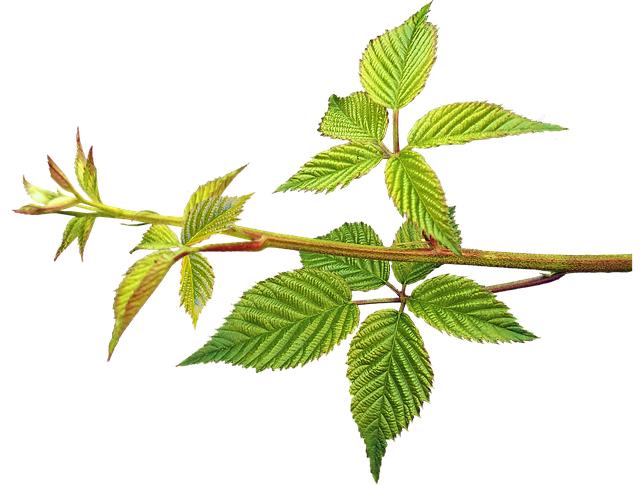
When it comes to fermenting blackberry leaves for tea, choosing the right leaves is crucial for achieving the best flavor and benefits. Here are some key factors to consider:
- Age of Leaves: Opt for young, tender leaves that are bright green and free from blemishes. Older leaves may have a tougher texture and less flavor.
- Time of Year: The best time to harvest blackberry leaves is during late spring to early summer when the plants are actively growing and the leaves are at their peak vitality.
- Location: Gather leaves from healthy plants that grow in clean environments, away from pesticides and pollutants to ensure the purity of your tea.
Once you’ve selected the ideal leaves, it’s essential to inspect them closely. Look for:
| Characteristics | Desirable Qualities |
|---|---|
| Color | Vibrant green with no yellowing |
| Texture | Tender and pliable, not dried out or brittle |
| Size | Small to medium-sized leaves preferred over large ones |
By carefully selecting your blackberry leaves, you’ll enhance the fermentation process and enjoy a soothing tea packed with flavor and health benefits.
The Fermentation Process Explained Step by Step
The fermentation of blackberry leaves into a flavorful tea is a delightful process that combines nature’s bounty with a touch of scientific magic. To begin, you’ll want to gather fresh blackberry leaves, ideally in the morning after the dew has dried. Choose only the young, vibrant leaves, as they contain the best flavor and nutrients. Here’s the step-by-step guide to ensure a successful fermentation:
- Harvesting: Carefully pluck the young leaves, discarding any that are damaged or wilted.
- Washing: Rinse the leaves gently under cool water to remove any dirt or insects.
- Wilting: Place the leaves on a clean cloth or tray to wilt for about 24 hours. This process softens the leaves and prepares them for fermentation.
- Crushing: Once wilted, lightly crush the leaves to break down their cellular structure. You can use your hands or a rolling pin for this step.
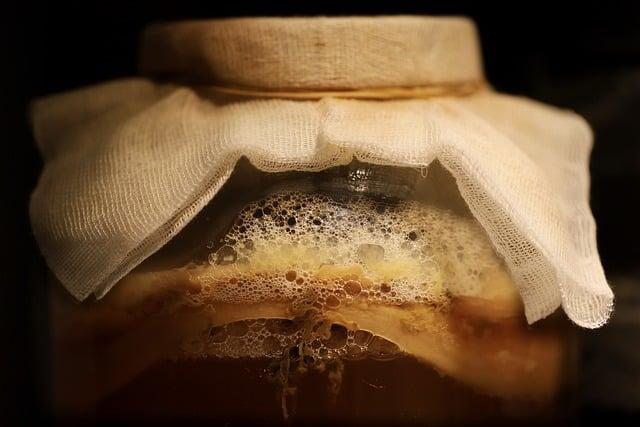
- Fermentation: Place the crushed leaves in a clean, airtight container. Ensure that the leaves are packed tightly to create an anaerobic environment.
- Monitoring: Let the leaves ferment at room temperature for 2 to 4 days. Check them daily for changes in aroma.
After fermentation, the leaves should have a fragrant, slightly tangy smell. Remove them from the container and spread them out to dry in a cool, dark place. Once completely dried, your blackberry leaf tea is ready for brewing! Simply steep a few leaves in hot water, and enjoy the rich flavors and potential health benefits.
Essential Tools and Ingredients for Successful Fermentation
For successful fermentation of blackberry leaves into a delightful tea, you’ll need a few essential tools and ingredients. Gathering the right components will streamline your process and enhance flavor. Here’s a rundown:
- Fresh Blackberry Leaves: Harvest young leaves, preferably during the spring or early summer for optimal flavor.
- Cleansing Tools: Use clean scissors or garden shears to avoid contamination.
- Fermentation Vessel: A glass jar or ceramic crock works best for controlling the fermentation environment.
- Weights: If using a jar, ensure your leaves stay submerged by adding a clean weight, like a small plate or a fermentation weight.
- Water: Filtered or distilled water is ideal to prevent chemical interference from tap water.
- Covering Material: A breathable cloth or coffee filter and rubber band to allow airflow while keeping debris out.
Once you have your tools gathered, consider a few additional aids to ensure the best flavor profile:
| Ingredient | Purpose |
|---|---|
| Sugar or Honey | To kickstart fermentation and add a touch of sweetness. |
| Spices (e.g., Ginger, Cinnamon) | To infuse additional flavors and depth into your tea. |
| Salt (optional) | To control fermentation activity and enhance flavor. |
With these tools and ingredients, you’re ready to dive into the art of fermentation and bring the unique taste of blackberry leaves to your tea experience!
Flavoring Your Blackberry Leaf Tea: Tips and Tricks
Enhancing your blackberry leaf tea can elevate the drinking experience, adding depth and complexity to its natural flavors. Here are some ideas to spice up your brew:
- Herbs and Spices: Consider adding fresh mint leaves for a refreshing twist, or a pinch of cinnamon for warmth. Ginger can also impart a delightful zing that balances well with the earthiness of blackberry leaves.
- Citrus Zest: Infusing your tea with lemon, lime, or orange peel can provide a bright, tangy contrast. Simply add a few strips of zest during the brewing process to enliven the flavor.
- Floral Notes: Dried lavender or hibiscus petals can introduce floral undertones that beautifully complement the tea’s natural sweetness. Experiment with small amounts to find your preferred balance.
When it comes to sweetening your tea, consider using natural sweeteners like honey or agave syrup. These alternatives not only add sweetness but also a flavorful nuance that blends seamlessly with the blackberry leaves. If you prefer a hint of richness, try a splash of almond milk or coconut milk to create a creamy texture that rounds out the flavors.
For those looking to create a unique tea blend, consider crafting a simple table of potential flavor combinations:
| Flavor Component | Suggested Pairings |
|---|---|
| Mint | Ginger, Lime Zest |
| Cinnamon | Honey, Almond Milk |
| Lavender | Peach Slices, Lemon Juice |
| Hibiscus | Rooibos Tea, Orange Peel |
Feel free to mix and match these suggestions based on your palate. The beauty of fermenting and brewing your own blackberry leaf tea lies in the freedom to explore diverse flavors that resonate with your taste preferences!
Storing and Enjoying Your Fermented Blackberry Leaf Tea
Once you’ve fermented your blackberry leaf tea to perfection, it’s important to know how to store it properly to maintain its delightful flavors and health benefits. **Sealing the tea** in an airtight container is essential, as this will help to prevent exposure to air, light, and moisture, which can degrade the quality. Glass jars with secure lids, like mason jars, are an excellent option for this purpose. Be sure to label your jars with the date of fermentation so you can keep track of freshness.
When you’re ready to enjoy your homemade tea, there are a few key points to consider:
- Serving Temperature: Fermented blackberry leaf tea can be enjoyed hot or cold. For a warm cup, simply heat it gently on the stove or in the microwave. For a refreshing iced tea, steep the tea in hot water and then chill it in the refrigerator.
- Additions: Feel free to enhance the flavor with natural sweeteners like honey or agave syrup and a splash of lemon for a zesty twist. You can also mix in other herbs or spices like mint or ginger for added complexity.
- Health Boost: Enjoy the myriad of health benefits associated with fermented tea, such as improved digestion and a boost to your immune system, while savoring its sweet and earthy notes.
Below is a simple maintenance tip for keeping your tea fresh throughout its storage:
| Storage Method | Duration |
|---|---|
| Airtight Jar in Cool, Dark Place | Up to 6 months |
| Refrigerated | Up to 1 month |
| Once Opened | Use within 2 weeks |
Exploring Creative Uses for Blackberry Leaf Tea in Daily Life
Blackberry leaf tea, often overlooked, is a delightful herbal infusion that offers a plethora of creative uses in daily life. When exploring its versatility, one can consider combining fermented blackberry leaves with various flavor-enhancing ingredients. Here are some innovative applications:
- Refreshing Beverages: Combine fermented blackberry leaf tea with sparkling water and a squeeze of lemon for a revitalizing drink.
- Flavorful Cooking: Use brewed blackberry leaf tea as a unique liquid base for soups, stews, or risottos, subtly enhancing the flavor profile of your dishes.
- Baking Marvels: Incorporate cooled tea into pancakes or muffins for a herbal twist that surprises and delights the taste buds.
Beyond just drinking, consider these beneficial uses of the leaves:
| Use | Benefit |
|---|---|
| Skin Rinse | Soothes irritated skin and reduces inflammation. |
| Aromatherapy | Infuses spaces with a fresh, earthy aroma when used in potpourris. |
| Hair Rinse | Strengthens hair and promotes a healthier scalp. |
Incorporating fermented blackberry leaf tea into your daily routine not only adds unique flavors but also provides health benefits, making it a versatile addition to your lifestyle.
Faq
Q&A: How to Ferment Blackberry Leaves for Tea
Q1: What are the benefits of using blackberry leaves for tea?
A1: Blackberry leaves are packed with nutrients and antioxidants. They are known for their anti-inflammatory properties and can help with digestive issues. Many people enjoy their earthy flavor and find them soothing when brewed as tea. Plus, using blackberry leaves can be a great way to utilize a plant that is often overlooked!
Q2: How do I collect blackberry leaves for fermentation?
A2: When collecting blackberry leaves, aim for young, vibrant, and healthy leaves from the current season’s growth. The best time to harvest is in spring or early summer, before the plant begins to flower. Be sure to collect leaves from an area that hasn’t been treated with pesticides or chemicals to ensure your tea is safe and natural.
Q3: What’s the process of fermenting blackberry leaves?
A3: The fermentation process involves several steps:
- Harvesting: Gather your fresh blackberry leaves.
- Cleaning: Rinse them gently under cool water to remove any dirt or insects. Pat them dry with a clean towel.
- Wilting: Place the leaves in a single layer on a clean surface for a few hours, allowing them to wilt slightly. This helps to break down the cell walls, making fermentation more effective.
- Rolling: Once wilted, roll the leaves between your hands to bruise them. This encourages the release of enzymes necessary for fermentation.
- Fermenting: Place the rolled leaves in a glass jar. Seal it tightly and let it sit at room temperature for 48 hours. You’ll want to check on them occasionally; if you notice any unpleasant odors, they may not be fermenting properly.
- Drying: After fermentation, spread the leaves out on a baking sheet and dry them in a cool, dark place or use a dehydrator at a low temperature until they are completely dry.
Q4: How can I tell if the fermentation was successful?
A4: A successful fermentation will have a pleasant, slightly tangy aroma. The leaves may also change color, becoming slightly darker. If they have an off-putting smell or appear slimy, it’s best to discard them and try again. Always trust your senses!
Q5: How do I brew tea from the fermented blackberry leaves?
A5: Brewing tea from your fermented blackberry leaves is simple! Here’s how:
- Measure: Use about 1 to 2 teaspoons of dried leaves per cup of boiling water.
- Steep: Pour boiling water over the leaves and allow them to steep for 5 to 10 minutes, depending on your taste preference.
- Strain: Strain the leaves and enjoy your tea! You can sweeten it with honey or add a slice of lemon for extra flavor if you like.
Q6: How should I store the fermented blackberry leaves?
A6: Store your dried blackberry leaves in an airtight container in a cool, dark place. Glass jars or metal tins work great for this. Proper storage can keep your leaves fresh for up to a year, so you can enjoy your homemade tea long after harvest season!
Q7: Is there anything else I should know before I start fermenting?
A7: Just a couple of things! Always ensure that the leaves you collect are clean and free from pesticides. If you’re unfamiliar with foraging, it might be worth doing a bit of research or consulting with an expert before you start. Lastly, have fun with the process! Experimenting with different fermentation times can yield various flavors, so feel free to make it your own. Happy brewing!
Closing Remarks
As we wrap up our exploration of fermenting blackberry leaves for a delightful cup of tea, we hope you feel empowered to embark on this flavorful journey. The process not only enhances the natural flavor and aroma of the leaves but also opens up a whole new world of botanical wellness. With just a little time and patience, you can create a unique brew that’s both refreshing and healthful. So, gather your leaves, follow the steps we’ve shared, and enjoy the rewarding experience of sipping on your very own hand-crafted blackberry leaf tea. Cheers to your new brewing adventure!