How to Ferment Butter for a Unique Spread: Are you ready to take your butter game from standard to spectacular? Imagine spreading a dollop of tangy, rich goodness on your morning toast that not only sends your taste buds on a wild ride but also impresses everyone at brunch. Introducing the delightful world of fermented butter! Don’t worry; this isn’t rocket science—just a quirky culinary adventure that could make even the most serious foodie crack a smile. In this article, we’ll guide you through the simple, yet surprisingly fun process of fermenting butter. So grab your whisk, don your apron, and let’s churn up some deliciousness that’ll make your sandwiches sing!

Article Contents
- Understanding the Benefits of Fermented Butter
- Selecting the Right Ingredients for Fermented Butter
- The Fermentation Process: Step-by-Step Guide
- Enhancing Flavor with Herbs and Spices
- Storing and Serving Your Fermented Butter
- Creative Uses for Fermented Butter in Your Cooking
- Troubleshooting Common Fermentation Issues
- Faq
- To Wrap It Up
Understanding the Benefits of Fermented Butter
Fermented butter is not just a delightful twist on traditional butter; it offers a range of health benefits that can enhance your overall well-being. One of its standout advantages is the probiotic content. During the fermentation process, beneficial bacteria like lactobacillus are introduced, which can aid in digestion and bolster your gut health. Consuming foods rich in probiotics may help maintain a healthy balance of gut flora, potentially improving immunity and nutrient absorption.
Another compelling feature of fermented butter is its nutritional profile. Fermented butter typically contains higher concentrations of vitamins A, D, and K2 compared to regular butter, all of which play crucial roles in maintaining a healthy body. This butter also has a unique flavor profile that can enhance the taste of various dishes. Here’s a quick overview of what makes it a great choice:
| Nutritional Benefit | Description |
|---|---|
| Probiotics | Supports gut health and digestion. |
| Vitamins A, D, K2 | Essential for immune function and bone health. |
| Unique Flavor | Enhances taste in culinary applications. |
Lastly, fermented butter is often preferred for those sensitive to lactose. The fermentation process breaks down lactose, making it easier to digest for lactose-intolerant individuals. This means you can enjoy spreading it on your toast or using it in recipes without the discomfort many experience with regular butter. Embracing this tasty and nutritious option can elevate both your dishes and your health.
Selecting the Right Ingredients for Fermented Butter
Creating a delectable fermented butter begins with the right ingredients that will enhance flavor and ensure a successful fermentation process. Here are the key components you need to consider:
- Quality Unsalted Butter: Choose real butter made from high-quality cream. Look for organic or grass-fed butter for richer taste and better nutritional value.
- Live Cultures: Incorporating a good probiotic is essential. You can use buttermilk, yogurt, or a dedicated culture starter. Ensure the product contains live active cultures.
- Fresh Ingredients: Adding herbs, spices, or zests can create unique flavor profiles. Fresh chives, garlic, or lemon zest can elevate your homemade spread.
Utilizing these ingredients effectively can make all the difference in the taste and texture of your final product. The quality of the butter will shine through in the fermentation process, while the right cultures will not only provide acidity but also contribute to the depth of flavor. Experimenting with different combinations of herbs and cultures can lead to a truly signature spread that stands out.
| Ingredient | Purpose |
|---|---|
| Unsalted Butter | Base ingredient for fermentation and spread. |
| Live Cultures | Initiate fermentation and develop flavor. |
| Herbs/Spices | Add flavor and complexity to the butter. |
The Fermentation Process: Step-by-Step Guide
Fermenting butter is a delightful way to add a tangy depth to your spreads, transforming simple butter into a gourmet delight. The fermentation process begins with selecting the right cream. You’ll want to use high-quality, pasteurized cream for the best results. If you can find raw cream, that’s even better, as it contains beneficial bacteria that can kickstart fermentation.
Once you have your cream, follow these straightforward steps:
- Warm the Cream: Let the cream sit at room temperature for a few hours until it’s approximately 70°F (21°C). This warmth encourages the good bacteria to flourish.
- Add Culture: Stir in a small amount of live-culture yogurt or buttermilk to your cream. Aim for about 1-2 tablespoons per cup of cream.
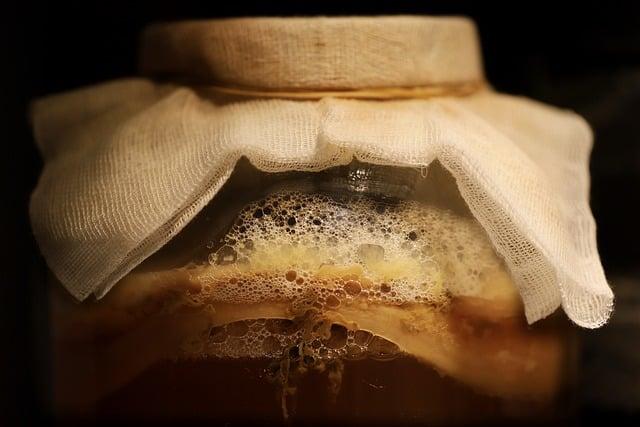
- Cover and Ferment: Cover the bowl with a clean cloth and leave it in a warm, dark place for 12 to 24 hours. You’ll know it’s ready when it has thickened and has a tangy aroma.
- Churn the Butter: Once fermented, pour the mixture into a churn or mixer and whip until it separates into butter and buttermilk. This usually takes around 10-15 minutes.
- Rinse and Store: Rinse the butter under cold water to remove any remaining buttermilk, then shape it as desired. Store it in an airtight container in the refrigerator.
For a flavor boost, consider adding herbs, spices, or even honey to your final spread. With this method, you not only create a unique butter that elevates your dishes but also indulge in an age-old culinary art that connects you to the process of food transformation.
Enhancing Flavor with Herbs and Spices
After you’ve successfully fermented your butter, the real fun begins—adding depth and complexity with herbs and spices. This is where you can let your creativity shine! By infusing your spread with a variety of aromatic elements, you can create a unique flavor profile that complements your dishes perfectly.
Consider these **herbs and spices** to enhance your fermented butter:
- Garlic: Fresh minced or roasted for a savory kick.
- Thyme: Offers an earthy fragrance that pairs beautifully with vegetables.
- Chives: Adds a mild onion flavor that brightens everything from bread to seafood.
- Smoked Paprika: Provides a sweet smokiness that elevates grilled meats.
- Zaatar: A Middle Eastern spice blend that brings warmth and herbal notes.
You can also experiment with combination blends. Here’s a simple table showcasing interesting combinations that can transform your fermented butter:
| Flavor Pairing | Description |
|---|---|
| Garlic & Chive | A classic blend, perfect for topping baked potatoes or spreading on toasted bread. |
| Thyme & Lemon Zest | Bright and refreshing, ideal for seafood dishes or vegetable medleys. |
| Smoked Paprika & Cumin | Adds a robust and warm flavor, great for grilled meats or roasted vegetables. |
| Zaatar & Olive Oil | An herbaceous mixture that’s excellent for drizzling over hummus and flatbreads. |
Feel free to adjust the quantities based on your taste preferences, and don’t hesitate to get adventurous with your herbal choices. The beauty of fermented butter is that it serves as a blank canvas, ready for your artistic touch!
Storing and Serving Your Fermented Butter
Once your butter has reached the desired fermentation, proper storage is essential to maintain its unique flavor and creamy texture. To store your fermented butter:
- Refrigeration: Keep your butter in an airtight container, such as a glass jar or plastic tub, to prevent the absorption of odors from other foods. It will last for about 2-3 weeks in the fridge.
- Freezing: For longer storage, wrap the butter tightly in parchment paper, followed by aluminum foil, and place it in a freezer-safe container. Frozen fermented butter can retain its quality for up to 6 months.
- Room Temperature: If you prefer to keep some at room temperature for spreading, ensure it’s in a cool, dark place and consume it within a week to avoid spoilage.
When it comes to serving, the creamy, tangy flavor of your fermented butter pairs wonderfully with various dishes:
- Spreads: Use it as a delightful topping for warm toast, bagels, or pancakes.
- Cooking: Incorporate it into sauces or baked goods for an added depth of flavor.
- Garnish: Use small dollops as a finishing touch on vegetables or meats for an unexpected burst of taste.
For visual appeal and to enhance your dining experience, consider presenting your butter in a beautiful decorative dish. Here’s a simple serving suggestion:
| Serving Style | Description |
|---|---|
| Rustic Board | Place your fermented butter in the center of a wooden board, surrounded by fresh herbs, artisan bread, and seasonal fruits. |
| Charming Crostini | Spread on toasted crostini and top with honey, sea salt, or fresh radishes for an elegant appetizer. |
Creative Uses for Fermented Butter in Your Cooking
Fermented butter opens up a world of culinary creativity, transforming ordinary dishes into extraordinary delights. Here are some inventive ways to incorporate this tangy spread into your meals:
- Savory Sauces: Whisk fermented butter into sauces to add a rich, complex flavor. It can elevate simple lemon butter sauces or provide a creamy base for garlicky herb dressings.
- Gourmet Popcorn: Drizzle melted fermented butter over freshly popped popcorn, then sprinkle with your choice of spices—think smoked paprika or nutritional yeast—for a gourmet snack.
- Baking Enhancer: Use fermented butter in baking to impart a subtle tang. It works particularly well in scones, muffins, and pancakes, lending an irresistible depth of flavor.
Moreover, consider using fermented butter as a base for compound butters. Simply mix softened fermented butter with herbs, spices, or even sweet ingredients like honey and cinnamon. Here’s a quick guide to get you started:
| Flavor Combination | Use |
|---|---|
| Chive & Garlic | Perfect on grilled meats and vegetables. |
| Honey & Cinnamon | Delicious on toast or pancakes. |
| Lemon & Rosemary | Great for flavoring fish or poultry dishes. |
These techniques not only enhance your dishes but also showcase the unique qualities of fermented butter. Embrace the creative potential it offers, and watch as your meals become a feast for the senses!
Troubleshooting Common Fermentation Issues
Fermentation can be a delightful journey, but occasionally, you might run into some bumps along the way. Here are a few **common issues** you might encounter while fermenting butter and some tips to resolve them:
- Inconsistent Flavor: If your butter tastes off or lacks that distinct tang, it might not have fermented long enough. Ensure you’re using fresh cream and allow it to ferment for the appropriate time, usually between 12 to 24 hours, depending on the temperature and desired flavor.
- Separation: Sometimes, you may notice a curdled texture instead of a smooth spread. This can happen if the emulsion breaks. Be sure to blend or whip the butter adequately after fermentation, and consider adding a small amount of buttermilk to help re-emulsify it.
- Odor Issues: A strong off-putting smell can indicate spoilage. Make sure all your utensils are sanitized beforehand, and consider checking your fermentation environment for proper temperature—ideal is around 65-75°F (18-24°C).
If you’re facing issues, maintaining a simple checklist can help you troubleshoot:
| Issue | Possible Cause | Solution |
|---|---|---|
| Inconsistent Flavor | Insufficient fermentation time | Ferment longer or check starter culture |
| Separation | Broken emulsion | Blend until smooth, add buttermilk |
| Off Odor | Poor sanitation or spoilage | Sanitize all equipment, adjust temperature |
By addressing these common challenges, you will be well on your way to creating a rich, flavorful fermented butter that elevates any dish it complements!
Faq
Q&A: How to Ferment Butter for a Unique Spread
Q1: What exactly is fermented butter, and how is it different from regular butter?
A1: Fermented butter is made from cream that has been cultured with specific bacteria, which gives it a tangy flavor and distinct aroma. Unlike regular butter that’s simply churned from fresh cream, fermented butter undergoes a fermentation process, making it rich in probiotics, which can be beneficial for gut health. The fermentation also enhances the butter’s flavor, making it a great addition to various dishes.
Q2: What do I need to start fermenting butter at home?
A2: You’ll need just a few basic ingredients and tools! Start with high-quality heavy cream or whipping cream; the better the cream, the better the flavor. You’ll also need a starter culture – this can be buttermilk, yogurt, or a store-bought mesophilic culture. Additionally, you’ll need a airtight jar or container to store the mixture during fermentation, plus a mixing bowl and a whisk or a hand mixer to churn the butter later.
Q3: Can you walk us through the fermentation process?
A3: Absolutely! First, pour your cream into a mixing bowl. Add your chosen starter culture (about 2 tablespoons per cup of cream) and stir it well. Cover the bowl with a clean cloth and let it sit at room temperature for 12 to 24 hours to ferment. During this time, the cream will thicken and develop a tangy flavor. Once fermented, you can churn the mixture using a hand mixer or a stand mixer until the butter separates from the buttermilk – this usually takes about 10 to 15 minutes. Drain the buttermilk and rinse the butter under cold water to remove any remaining buttermilk residue. store the fermented butter in an airtight container in the fridge.
Q4: How long can I keep the fermented butter?
A4: Fermented butter can usually last for about 2 to 3 weeks in the fridge, thanks to the preservation qualities of fermentation. If you want to extend its shelf life even further, you can freeze it. Just make sure to wrap it tightly or place it in an airtight container before freezing – it can last for up to six months this way.
Q5: Are there any variations or flavors I can add to my fermented butter?
A5: Definitely! The beauty of homemade fermented butter is that you can customize it to your liking. After you’ve churned the butter, consider mixing in herbs like chives, dill, or rosemary. For a sweet twist, add honey, cinnamon, or even vanilla extract. Experimenting with flavors not only elevates the butter’s taste but also makes for delightful spreads on bread, crackers, or pancakes.
Q6: Is fermentation safe? I’ve heard mixed things about food safety.
A6: Great question! Fermentation is a traditional method of food preservation and can be very safe when done correctly. Always start with fresh, high-quality ingredients, and ensure that your utensils and containers are clean to avoid introducing harmful bacteria. If you notice any off smells, unusual colors, or mold, it’s best to err on the side of caution and discard the batch. Remember, trust your senses—they’ll guide you!
Q7: Can beginners easily master this process?
A7: Absolutely! Fermenting butter is a straightforward process that serves as an excellent introduction to fermentation. With a little patience and attention, anyone can master the art of making fermented butter. Plus, it’s a fun way to experiment and add unique flavors to your meals. As with any culinary craft, practice makes perfect, and soon enough, you’ll be able to ferment butter like a pro!
Feel free to dive into the world of fermented butter! Not only will you end up with a delicious spread, but you’ll also gain the rewarding experience of crafting something truly unique in your kitchen.
To Wrap It Up
fermenting butter is not only a delightful way to add depth and complexity to your spreads but also a rewarding culinary adventure that connects you to traditional food preservation methods. By following these simple steps, you’ll create a rich, tangy flavor that will elevate your toasts, baked goods, and even your favorite dishes. So why not give it a try? Embrace the artistry of fermentation and enjoy the journey as much as the result. Happy fermenting, and here’s to spreading some deliciousness!