How to Ferment Fruit for Wine: A Beginner’s Guide
Ready to trade your lackluster grocery store vino for a bottle of homemade bliss? Welcome to “How to Ferment Fruit for Wine: A Beginner’s Guide,” where we’ll turn your kitchen into a fermentation fiesta—without the sombreros (unless you want to, of course). If you’ve ever wondered how to transform ordinary fruit into liquid gold, you’re in the right place! Fruit is nature’s candy, and with just a little patience (and maybe some funky dance moves), you can create your own succulent sips to impress friends, family, and your future self. No fancy degrees in winemaking required—only a willingness to experiment and a sense of humor about the occasional bubbling mishap. So, grab your fruits and let’s uncork the secrets of fermentation together! Cheers to your new, delicious adventure!
Article Contents
- Understanding the Basics of Fruit Fermentation for Wine
- Choosing the Right Fruits for Your Homemade Wine
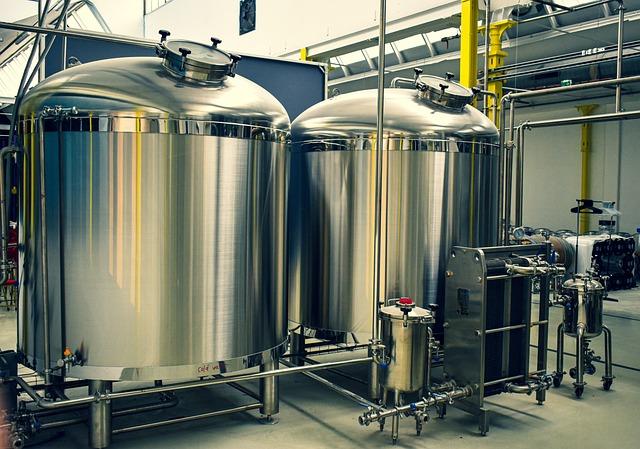
- The Essential Equipment You Need for Fruit Fermentation
- Step-by-Step Process: From Fresh Fruit to Fermented Wine
- Monitoring Fermentation: Signs of Progress and Troubleshooting Tips
- Flavoring Your Wine: Adding Herbs and Spices
- Bottling Your Fermented Wine: Techniques and Best Practices
- Storing and Aging Your Homemade Wine for Optimal Flavor
- FAQ
- Future Outlook
Understanding the Basics of Fruit Fermentation for Wine
Fermenting fruit for wine is a fascinating process that transforms sugars into alcohol, creating a delightful beverage enjoyed by many. To embark on your winemaking journey, it’s essential to grasp a few fundamental concepts:
- Fermentation Process: This is the biochemical process wherein yeast consumes sugar and converts it into alcohol and carbon dioxide. Selecting the right yeast type is crucial, as different strains can yield varying flavors and aromas.
- Fruit Selection: Choose fruits rich in natural sugars, such as grapes, apples, or berries. The ripeness of the fruit significantly influences the sweetness and flavor profile of your wine.
- Preparation: Proper preparation involves crushing the fruit to release its juice. This can be achieved with a basic fruit press or even by hand for smaller batches.
- Temperature Control: Maintaining an optimal fermentation temperature is vital. Most yeast thrives between 65°F and 75°F (18°C to 24°C). Too high or too low can inhibit fermentation or lead to off-flavors.
Once the fermentation begins, it’s important to monitor the process closely. Typical fermentation can last between one to three weeks, depending on various factors such as the type of fruit and the yeast used. Here’s a simple overview of the stages involved:
| Stage | Description |
|---|---|
| Primary Fermentation | Initial fermentation where yeast converts sugars to alcohol. |
| Racking | Separating the wine from sediment for clarity. |
| Secondary Fermentation | Optional stage to further enhance flavors and stabilize the wine. |
| Bottling | Final stage where the wine is transferred to bottles for aging or immediate enjoyment. |

Choosing the Right Fruits for Your Homemade Wine
When venturing into the world of homemade wine, choosing the right fruits is crucial for achieving the flavor profile you desire. Fruits not only contribute to the taste but also affect the aroma, acidity, and sweetness of your wine. Here are some popular options to consider:
- Grapes: The classic choice for wine making, different grape varieties yield distinct flavors. Consider Chardonnay for a crisp white or Merlot for a rich red.
- Apples: Perfect for a refreshing cider or apple wine. Aim for tart varieties like Granny Smith for a balanced profile.
- Blackberries: Their natural sweetness and rich color make them an excellent choice for dessert wines or blends.
- Peaches: These lend a wonderful floral aroma and sweetness, ideal for white wines.
- Cherries: Known for their tartness, cherries create lively and exciting wines, particularly when paired with other fruits.
When selecting fruits, consider their ripeness and freshness. Overripe fruit can lead to fermentation issues, while underripe fruit may not provide enough sugar. Here’s a quick reference table to guide your fruit selection:
| Fruit | Flavor Profile | Best For |
|---|---|---|
| Grapes | Varied (dependent on type) | Classic wines |
| Apples | Sweet & tart | Ciders, apple wines |
| Blackberries | Rich & fruity | Dessert wines |
| Peaches | Sweet & floral | White wines |
| Cherries | Tart & vibrant | Fruit blends |
With these options and considerations in mind, you’ll be well-prepared to select the perfect fruits for your homemade wine, ensuring a delightful fermentation experience and an exceptional final product!
The Essential Equipment You Need for Fruit Fermentation
When venturing into the world of fruit fermentation, having the right equipment is vital to ensure a successful and enjoyable experience. Here’s a rundown of the essential tools you’ll need:
- Fermentation Vessel: A glass carboy or food-grade plastic container is ideal for fermentation. These vessels allow you to monitor the fermentation process while also preventing contamination.
- Siphon (Auto-Siphon): This handy tool helps transfer your wine from one vessel to another without disturbing the sediment that settles at the bottom.
- Airlock: Ensures the release of gases during fermentation while preventing outside air from spoiling your brew.
- Hydrometer: This instrument measures the specific gravity of your liquid, helping you determine the sugar content before and after fermentation.
- Sanitizer: Keeping everything clean is crucial. Any non-toxic sanitizer will help prevent unwanted bacteria from ruining your fruit wine.
- Bottling Equipment: After fermentation, you’ll need bottles, corks, and a corker to store your delicious creation safely.
If you’re considering the scale of your fermentation projects, it might be useful to have a fermentation temperature control system, especially for specific fruits that require precise temperature regulation. Below is a quick overview of optional yet beneficial equipment:
| Equipment | Purpose |
|---|---|
| Temperature Control Unit | Maintains ideal fermentation temperature for fruit |
| Fruit Crusher | Makes it easier to extract juices from fruits |
| Fine Mesh Strainer | Helps in bottling by removing pulp and solids |

Step-by-Step Process: From Fresh Fruit to Fermented Wine
Transforming fresh fruit into delicious wine involves a few essential steps that ensure a successful fermentation process. Begin by selecting high-quality fruit, as this will significantly impact the flavor and aroma of your wine. Common fruits used for fermentation include:
- Grapes
- Apples
- Pears
- Peaches
- Berries
After you have chosen your fruit, the next step is to prepare it. Clean your fruit to remove any dirt or pesticides, and then chop or crush it to release its juices. This is where you can get creative; for instance, blending different fruits can result in unique flavor profiles. Once prepped, move on to the fermentation setup.
| Fermentation Component | Purpose |
|---|---|
| Yeast | Converts sugars into alcohol and carbon dioxide |
| Water | Dilutes sugars, helps balance acidity |
| Sugar (if necessary) | Boosts alcohol content and sweetness |
| Additives (like sulfites) | Prevent oxidation and spoilage |
Combine your fruit with the yeast and any other components in a fermentation vessel, such as a glass carboy or a food-grade bucket. Seal it with an airlock to allow gases to escape while keeping contaminants out. Maintain an ideal temperature for fermentation, typically between 65°F to 75°F (18°C to 24°C). Allow the mixture to ferment for about 1 to 3 weeks, monitoring the bubbling process, which indicates fermentation activity. Once bubbling diminishes, it’s time to strain out the solids and transfer your wine into a clean container for aging.

Monitoring Fermentation: Signs of Progress and Troubleshooting Tips
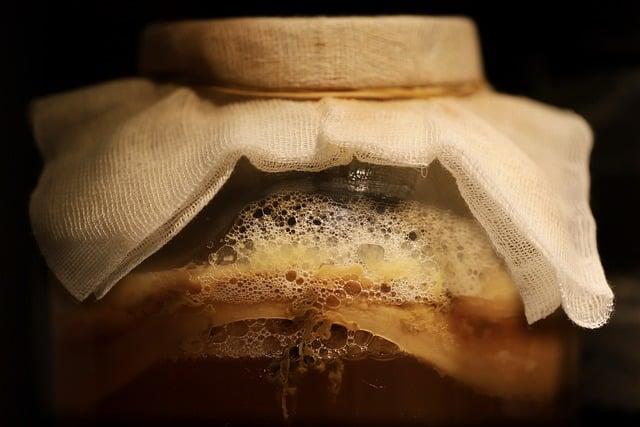
Successfully monitoring your fermentation process is crucial for producing high-quality fruit wines. As fermentation begins, it’s essential to look for key signs that indicate progress. Start by observing the bubbling action in your fermentation vessel; this is a good sign of carbon dioxide being released. A steady increase in foam on top, referred to as the “krausen,” can also signal that fermentation is actively happening. Additionally, you should note the change in aroma; a sweet, fruity scent should develop, signifying that the sugars are converting into alcohol.
However, fermentation can sometimes encounter issues. If you notice a lack of bubbling after a few days, it may indicate a problem. Here are some troubleshooting tips to address common fermentation issues:
- Check Temperature: Ensure your fermentation temperature is within the optimal range for the yeast strain you are using.
- Yeast Activity: If fermentation has stalled, consider adding a new batch of yeast to kickstart the process.
- Oxygen Levels: Limit exposure to oxygen to avoid oxidation, which can ruin your wine.
For a quick reference, here’s a simple table outlining the signs of healthy fermentation and potential issues:
| Signs of Healthy Fermentation | Potential Issues |
|---|---|
| Bubbling and foam | No bubbles or sluggish activity |
| Sweet, fruity aroma | Off or unpleasant odors |
| Specific gravity decrease | No change in specific gravity |

Flavoring Your Wine: Adding Herbs and Spices
Enhancing the flavor of your homemade wine can be an exciting adventure, allowing you to customize your beverage to suit your taste preferences. Adding herbs and spices can elevate the palate of your fruit wine beyond the traditional fruity notes. Here are some popular options to consider:
- Basil: Infusing basil can introduce a fresh, aromatic quality that’s particularly delightful in fruity whites.
- Cinnamon: A dash of cinnamon adds warmth and depth, making it a great match for darker fruits like plums and cherries.
- Mint: This herb brings a refreshing twist, perfect for enhancing lighter wines and adding a wintery feel.
- Ginger: A hint of ginger adds spice and a little heat, complimenting apples, pears, and tropical fruits beautifully.
When experimenting with herbs and spices, it’s important to start small. Begin with a pinch or a few fresh leaves, and allow your wine to infuse over several days. Remember to taste regularly! This will help you gauge the flavor profile and prevent overpowering the natural fruit essence. Once you’ve achieved the desired flavor, straining out the solids before bottling will ensure a smooth finish to your wine.
Here’s a simple table to guide you through selecting complementary herbs and spices for various fruits:
| Fruit | Best Herbs/Spices |
|---|---|
| Apple | Cinnamon, Ginger, Clove |
| Peach | Mint, Basil, Rosemary |
| Cherry | Anise, Vanilla, Thyme |
| Grape | Cardamom, Lavender, Orange Zest |
Bottling Your Fermented Wine: Techniques and Best Practices
Bottling your fermented wine is an essential step that requires careful attention to detail to ensure the quality and longevity of your creation. Before you dive into this process, make sure everything is sanitized to prevent any unwanted bacteria from spoiling your hard work. Here are some essential techniques and best practices to keep in mind:
- Sanitize Your Bottles and Equipment: Use a good sanitizing solution and thoroughly clean all bottles, caps, and tools before use. This is critical to avoid contamination.
- Use a Siphon: To transfer the wine from the fermentation vessel to the bottles, a siphon or racking cane will help minimize exposure to air, which can spoil your wine.
- Avoid Overfilling: Leave about an inch of space at the top of the bottle. This ‘headspace’ is important to allow for expansion and ensures a proper seal.
After you’ve filled your bottles, it’s crucial to seal them appropriately. Using corks is common, but there are also good options like screw caps or synthetic corks. Here’s a quick comparison of sealing options:
| Sealing Option | Pros | Cons |
|---|---|---|
| Corks | Traditionally aesthetic; allows for some oxygen ingress. | Can dry out or deteriorate, leading to spoilage. |
| Screw Caps | Provides a tight seal; no cork taint. | Considered less traditional. |
| Synthetic Corks | Reusable; more consistent seal. | May not allow for proper aging of some wines. |
Lastly, remember to label your bottles with the date, type of wine, and any specific notes. This will help you track your wines over time and note how they improve with age. Now you’re all set to enjoy the fruits of your labor, literally!

Storing and Aging Your Homemade Wine for Optimal Flavor
Once you’ve perfected your homemade wine, the next critical phase is storing and aging it to unlock the full potential of its flavors. **Optimal storage conditions** are vital for preserving the quality and taste of your wine. Here are some essential tips to consider:
- Temperature: Aim for a consistent temperature between 55°F and 65°F (13°C – 18°C). Avoid fluctuations that can spoil the aging process.
- Humidity: Maintain a humidity level of about 70%. This helps keep the cork moist and prevents it from drying out, which can lead to oxidation.
- Light: Store your wine in a dark place, as UV light can degrade its quality. Use opaque containers if possible.
As you age your wine, remember that different types of wines benefit from varying lengths of aging:
| Wine Type | Optimal Aging Time |
|---|---|
| Red Wine | 1-5 years (depending on the varietal) |
| White Wine | 6 months – 2 years |
| Fruit Wine | 1-3 years |
After aging, it’s time to uncork and enjoy the fruits of your labor. Be mindful of the ideal serving temperatures for each type of wine to enhance the tasting experience!
FAQ
Q&A: How to Ferment Fruit for Wine – A Beginner’s Guide
Q1: What is wine fermentation, and why is fruit fermentation important?
A1: Wine fermentation is the process by which yeast converts sugar present in fruits into alcohol and carbon dioxide. Fermenting fruit is essential as it transforms the natural sugars in the fruit into the delightful beverage we know as wine. Each fruit contributes its own unique flavors and aromas, allowing for a diverse range of wines to be created.
Q2: What fruits are best for fermenting into wine?
A2: Most fruits can be fermented into wine, but some of the most popular include grapes, apples, pears, peaches, and berries. Each fruit brings its distinct characteristics, so experimenting with different varieties is encouraged. Just ensure the fruit you choose has a good sugar content to facilitate fermentation.
Q3: Do I need special equipment to ferment fruit for wine?
A3: While you don’t need a complete winery setup, having a few basic pieces of equipment will make your process smoother. Essential items include a fermentation vessel (like a glass carboy or food-grade bucket), an airlock, a hydrometer to measure specific gravity, and a siphon for bottling. You’ll also need sanitizing solutions to keep everything clean and free of unwanted bacteria.
Q4: How do I prepare the fruit before fermentation?
A4: Preparing the fruit is crucial. Start by washing it thoroughly to remove any pesticides or impurities. Depending on the fruit, you may need to remove pits, stems, or skins (like with grapes). After that, crush or chop the fruit to release its juice and sugars. This process is known as “mashing.” Make sure to measure the sugar content, as you’ll need that information to determine how much yeast to add.
Q5: How do I choose the right yeast for my fruit wine?
A5: Choosing the right yeast is key to your fermentation’s success. There are many yeast strains available, each tailored for different types of fruit and desired flavors. For beginners, a general-purpose wine yeast like Lalvin EC-1118 or Montrachet works well. If you’re feeling adventurous, explore yeasts designed to enhance specific fruit characteristics.
Q6: What steps are involved in the fermentation process?
A6: The fermentation process can generally be divided into a few key steps:
- Mashing the Fruit: As mentioned, chop or crush the fruit to release juices.
- Mixing Ingredients: Combine the mashed fruit with sugar (if needed), water, and the chosen yeast in your fermentation vessel.
- Fermentation: Seal the vessel with an airlock and allow it to ferment. This usually takes 1-3 weeks. You’ll see bubbles forming as fermentation progresses.
- Racking: Once fermentation slows, siphon the wine off the sediment (usually done 1-2 times).
- Aging: After racking, let the wine age for several months. This develops flavors and aromas.
Q7: How can I tell if my wine is ready to bottle?
A7: The wine is ready to bottle when fermentation is complete, indicated by little to no bubbling in the airlock. You can use a hydrometer to measure stable specific gravity readings over a few days to ensure fermentation has stopped. The wine should also taste good—if the flavors have melded nicely, it’s a great sign!
Q8: Do I need to add sulfites before bottling?
A8: Adding sulfites, typically in the form of potassium metabisulfite, helps prevent oxidation and spoilage in wine. While it’s not mandatory, most winemakers recommend it, especially if you plan on aging the wine. That said, if you prefer a completely natural approach, just ensure everything is as clean as possible.
Q9: What should I do after bottling my fruit wine?
A9: After bottling, store your wine in a cool, dark place. It’s best to allow it to age for at least a few months before tasting. This resting period lets the flavors develop further. When you’re ready, chill a bottle, pour, and enjoy the fruits of your labor!
Q10: Can I experiment with flavor additions during fermentation?
A10: Absolutely! One of the joys of home winemaking is creativity. Feel free to experiment by adding spices, herbs, or other fruits to your base fruit wine. Just keep in mind that too many additions can overshadow the primary fruit flavor, so start small and adjust to taste.
This Q&A aims to provide clear, informative answers for beginners eager to dive into the world of fruit fermentation and wine-making. Happy fermenting!
Future Outlook
As you embark on your journey into the world of fermented fruit and homemade wine, remember that the process is as much about the experience as it is about the final product. Embrace the experimentation, learn from your mistakes, and savor the joy of creating something unique with your own hands. Whether you’ve chosen to ferment ripe berries, juicy apples, or exotic tropical fruits, each batch offers an opportunity to refine your technique and expand your palate. So gather your ingredients, roll up your sleeves, and toast to the adventure ahead. Cheers to making your very own delightful fruit wines—happy fermenting!