How to Preserve a Bee: The Ultimate Guide to Keeping Bees Intact
Welcome to “How to Preserve a Bee: The Ultimate Guide to Keeping Bees Intact,” where we dive into the buzzworthy world of bee preservation. Ever wondered what it takes to keep these industrious little pollinators safe and sound? Spoiler alert: it’s more than just a little honey and a prayer! Whether you’re a seasoned apiarist or a curious bystander, this guide is your gateway to becoming the ultimate bee guardian. We’ll share tips that are so good, even the bees will be buzzing about them! So put on your beekeeper hat (the one that doesn’t make you look like a confused mushroom) and let’s see how you can help these tiny heroes thrive—without accidentally turning your backyard into a bee version of a horror film! Get ready to inspire your inner bee savior while having a chuckle or two along the way! 🐝✨
Article Contents
- Understanding the Importance of Bees in Our Ecosystem
- Essential Tools and Materials for Bee Preservation
- Creating a Safe and Suitable Environment for Bees
- Best Practices for Handling and Caring for Bees
- Common Challenges and How to Overcome Them
- The Role of Bees in Biodiversity and Agriculture
- Harvesting Honey Without Harming Bees
- Advocating for Bee Conservation in Your Community
- Frequently asked questions
- To Conclude
Understanding the Importance of Bees in Our Ecosystem
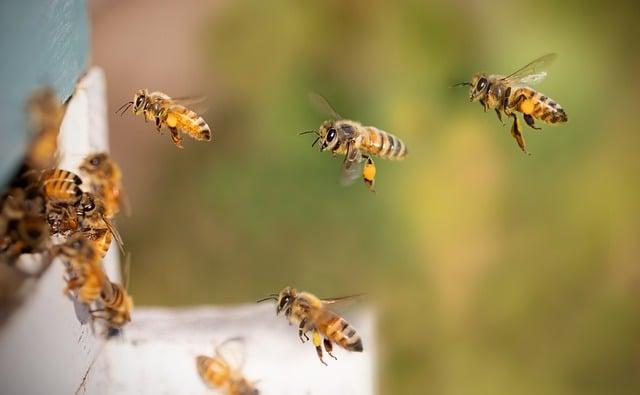
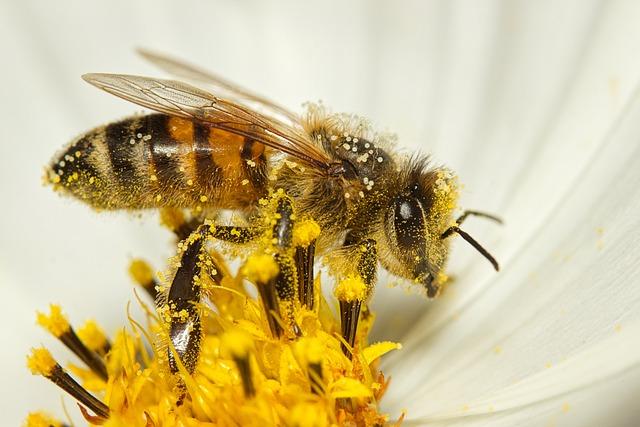
Bees play a pivotal role in sustaining ecosystems and ensuring food security worldwide. Their primary function as pollinators supports the reproduction of a vast array of plants, including those essential for human consumption. It’s estimated that one-third of the food we eat relies on pollination. By visiting flowers to gather nectar and pollen, bees facilitate the process of transferring pollen from male to female parts, leading to fruit and seed development.
Moreover, the presence of a healthy bee population is indicative of overall ecosystem health. Bees contribute to biodiversity by helping a variety of plant species thrive. This, in turn, supports various wildlife and keeps ecosystems balanced. The loss of bees not only threatens our food supply but also disrupts habitats and alters the natural systems that depend on them. Here’s a brief overview of their contributions:
| Contribution | Description |
|---|---|
| Pollination | Facilitates plant reproduction, leading to the production of fruits and vegetables. |
| Biodiversity Maintenance | Supports a diverse range of plant species, which in turn sustains wildlife. |
| Ecosystem Stability | Contributes to balanced ecosystems that can withstand environmental changes. |
In light of these benefits, preserving and supporting bee populations should be a priority for anyone interested in maintaining ecological integrity. Simple actions, such as planting bee-friendly flowers and reducing pesticide use, can have a significant positive impact. By understanding the essential role that bees play, we can better appreciate the necessity of their preservation in our everyday lives.
Essential Tools and Materials for Bee Preservation
To effectively preserve a bee, having the right tools and materials is crucial. Here’s a well-curated list of items that will assist you throughout the process:
- Preservative Solution: A 70% ethanol solution is commonly used to maintain the bee’s anatomy while preventing decay.
- Specimen Containers: Airtight glass containers or jars are essential for long-term storage and protection.
- Forceps: Fine-tipped forceps will help in handling delicate specimens with precision.
- Mounting Boards: Using mounting boards allows for easy display and study of the preserved specimens.
- Labeling Materials: Waterproof labels and a permanent pen ensure that you can document important information about each specimen.
- Protective Gear: Gloves and goggles can help you stay safe while working with chemicals and handling bees.
Additionally, consider utilizing a few specialized tools for more intricate preservation techniques:
| Tool | Purpose |
|---|---|
| Microscope: | Allows detailed examination of structural features. |
| Pinning Accessories: | Facilitates accurate placement and display of specimens. |
| Digital Camera: | Captures high-quality images of specimens for documentation. |
With these tools and materials at your disposal, you’ll be well-equipped to preserve bees effectively and ethically, ensuring their unique qualities are preserved for study and appreciation.

Creating a Safe and Suitable Environment for Bees
Creating a sanctuary for bees begins with understanding their needs. These essential pollinators thrive in environments that provide not only food sources but also shelter and safety. Here are several key elements to consider:
- Native Plants: Incorporate a variety of native flowering plants to offer bees a diverse diet throughout the seasons.
- Water Sources: Provide shallow water dishes or small ponds with natural edges, allowing bees to hydrate without the risk of drowning.
- Bee Hotels: Install bee houses or hotels to cater to solitary bee species, giving them a safe space to nest.
- Avoid Chemicals: Minimize or eliminate the use of pesticides and herbicides to foster a chemical-free habitat.
- Sunshine and Shade: Create a balance of sun and shade in your garden; bees prefer to forage in sunny spots but also need shady areas to regulate their temperature.
Moreover, understanding bee behavior is crucial in designing an environment that not only attracts them but also keeps them safe. Specific habitats can vary; for example, some bees prefer open, sunlit spaces, while others thrive in wooded or shrubby areas. Consider creating distinct zones for different types of bees:
| Zone Type | Ideal Plants | Characteristics |
|---|---|---|
| Sunny Meadow | Lavender, Wildflowers, Sunflowers | Open area for foraging, good drainage |
| Wooded Edge | Bluebells, Clovers, Berry bushes | Partially shaded; provides shelter |
| Wetlands | Willow, Marsh Marigold, Aquatic plants | Moisture-rich; supports diverse species |
By creating these thoughtful spaces, you can foster a thriving ecosystem that supports the well-being of bees, ensuring they continue their vital role in pollination and biodiversity.
Best Practices for Handling and Caring for Bees
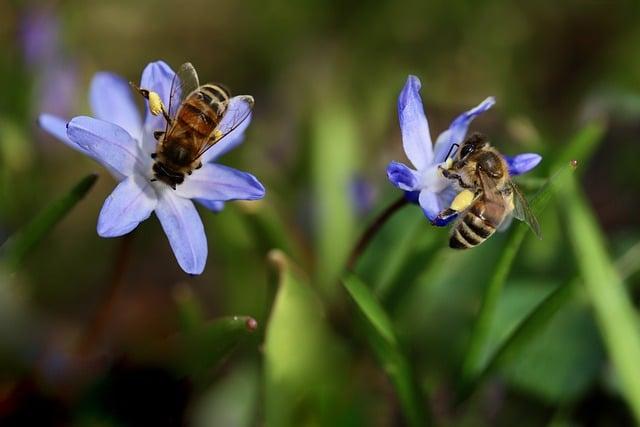
When it comes to respecting and caring for bees, maintaining their health and happiness is paramount. Here are some essential guidelines to ensure your interactions with these vital insects are both safe and beneficial:
- Keep the Environment Clean: Ensure that the area where the bees are located is free from harmful chemicals and pollutants that can compromise their health. Avoid using pesticides, and instead, consider natural alternatives.
- Provide Adequate Nutrition: Bees need a balanced diet to thrive. Plant a variety of flowering plants that bloom at different times of the year to offer consistent food sources and consider adding bee-friendly supplements if you’re managing hives.
- Ensure Proper Hive Maintenance: Regularly inspect hives for signs of disease or distress. Swarming behaviors or a sudden drop in bee numbers can indicate underlying issues that may need addressing.
Additionally, understanding bee behavior can enhance your ability to care for them effectively. Bees are intelligent creatures, and recognizing their activity patterns or stress signals can be an invaluable asset:
| Behavior | Possible Cause | Recommended Action |
|---|---|---|
| Increased Aggression | Protecting the hive or feeling threatened | Approach calmly and ensure proper gear is worn |
| Reduced Activity | Illness or environmental stress | Investigate hive conditions and check for pests |
| Swarming | Overcrowding or queen issues | Consider creating new hives or adding space |

Common Challenges and How to Overcome Them
When embarking on the journey of beekeeping, it’s common to encounter numerous hurdles that can challenge both the novice and the experienced apiarist. One of the most pressing challenges is maintaining the health of your bee colony. Health issues can stem from a variety of sources, including pests, diseases, and environmental stressors. To combat this, regular inspections and a proactive management approach are essential. **Implementing an Integrated Pest Management (IPM)** strategy not only helps in mitigating pests like Varroa mites but also fosters a healthier hive over time.
Another significant challenge is ensuring that your bees have sufficient food sources throughout the seasons. Honeybees rely heavily on nectar from flowers, and without adequate foraging opportunities, they can struggle to survive. Consider the following strategies to ensure your bees have a steady supply of sustenance:
- Plant diverse flowers: Native plants, wildflowers, and pollinator-friendly species can create a vibrant foraging habitat.
- Provide supplemental feeding: During dearth periods, sugar syrup or pollen patties can help meet nutritional needs.
- Promote habitat conservation: Supporting local ecosystems contributes to a healthier bee environment.
Lastly, managing your bees during adverse weather conditions can be challenging. Heavy rains, extreme temperatures, or harsh winters can all impact bee activity and hive stability. Ensuring that your hives are well-ventilated and insulated can provide essential protection against the elements. Below is a simple guide to maintaining optimal hive conditions:
| Weather Condition | Management Tips |
|---|---|
| Heavy Rain | Ensure proper drainage around hives to prevent flooding. |
| Extreme Heat | Add shade and ensure adequate ventilation in the hive. |
| Harsh Winter | Insulate hives and reduce entrances to minimize heat loss. |
By understanding these common challenges and applying strategic methods to overcome them, you’ll not only preserve your bees but also create a thriving ecosystem that benefits the bees, your local environment, and your beekeeping efforts as a whole.
The Role of Bees in Biodiversity and Agriculture
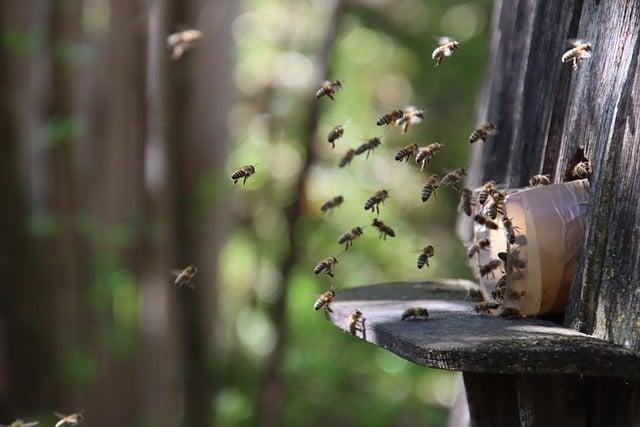
Bees are essential contributors to the health of our ecosystems and agricultural productivity. Their role as pollinators is fundamental, affecting about **75% of global crops** and nearly **87% of flowering plants**. By transferring pollen from one flower to another, bees enable the reproduction of many species, promoting genetic diversity and resilience within our environment.
In agriculture, bees boost crop yields significantly. This natural pollination service leads to:
- Improved Quality: Fruits and vegetables pollinated by bees are often larger, tastier, and more nutritious.
- Diverse Crop Production: Farmers can cultivate a variety of plants, increasing dietary diversity and agricultural sustainability.
- Economic Benefits: The contribution of bees to pollination services generates billions of dollars in agricultural revenues annually.
Given their critical role, preserving bee populations must be a priority. Recognizing the threats they face, such as habitat loss, pesticide exposure, and climate change, is crucial. Implementing practices such as:
- Creating Pollinator Habitats: Establish gardens or fields that provide food and shelter for bees.
- Reducing Pesticide Use: Employ organic farming techniques to minimize harm to these essential insects.
- Promoting Native Plants: Incorporate native flora that supports local bee species and encourages biodiversity.
Engaging in these practices will help ensure that these industrious pollinators continue to thrive, benefitting both our environment and agricultural systems.
Harvesting Honey Without Harming Bees
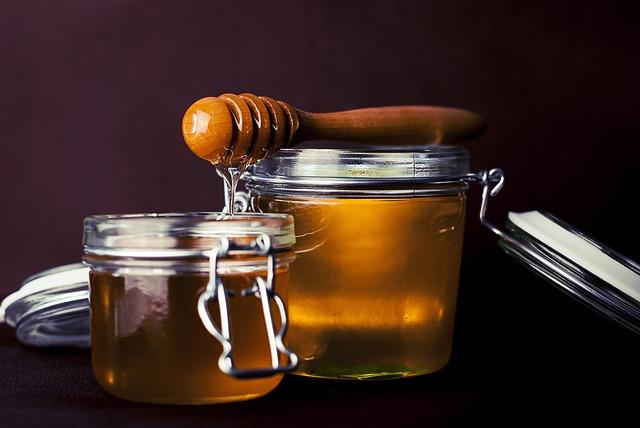
To successfully harvest honey while ensuring the safety and well-being of our buzzing friends, it’s crucial to adopt practices that minimize stress on the bees. Here are some essential techniques to consider:
- Timing is Key: Choose the right moment for harvesting—preferably during the day when bees are actively foraging. This minimizes disturbances in the hive.
- Gentle Handling: Use gentle, deliberate movements when working with the hive. Abrupt actions can agitate bees, leading to defensive behavior.
- Smoke Wisely: Utilize a smoker to calm the bees before opening the hive. Smoke helps mask alarm pheromones and keeps the bees tranquil.
- Selective Frame Removal: Only take honey-filled frames and leave enough for the bees to sustain themselves, especially in preparation for colder months.
Additionally, employing innovative tools can enhance the process of harvesting:
| Tool | Purpose |
|---|---|
| Honey Extractor | Efficiently removes honey without damaging the combs. |
| Bee Escape Board | Allows bees to leave the honey super but prevents their re-entry. |
| Bee Brush | Gently encourages bees to move off frames before harvesting. |
By incorporating these methods into your honey harvesting routine, you not only protect your bees but also promote a healthier, more sustainable beekeeping practice. Responsible stewardship encourages thriving colonies and a bountiful supply of honey.
Advocating for Bee Conservation in Your Community
Getting involved in bee conservation starts with raising awareness in your community about the crucial role these pollinators play in our ecosystem. Here are some effective ways you can advocate for bee conservation:
- Organize Community Events: Host local workshops or webinars focused on bee health, gardening, and the importance of pollinators. Engage local experts to speak on these topics.
- Create a Bee-Friendly Garden: Encourage community members to plant native flowers and plants that attract bees and provide them with habitats. Share resources on how to design bee-friendly spaces.
- Advocate for Local Policies: Work with local governments to promote laws that protect bee habitats and restrict the use of harmful pesticides. Petitions and grassroots campaigns can be effective.
Communication is key to spreading the message of bee conservation. Utilize social media platforms to share interesting facts, personal stories, and stunning photographs of bees and their habitats. Consider the following ideas to enhance your outreach:
| Platform | Content Ideas |
|---|---|
| Create a community group for sharing tips and resources. | |
| Post vibrant images of bee-friendly plants and promote local events. | |
| Share quick facts about bee conservation and hashtag #SaveTheBees. |
By employing these strategies, you can cultivate a bee-friendly mindset in your community, fostering appreciation and urgency for bee conservation efforts.
Frequently asked questions
Q&A for “How to Preserve a Bee: The Ultimate Guide to Keeping Bees Intact”
Q1: Why is preserving bees important?
A1: Preserving bees is crucial for many reasons. Bees play a vital role in pollinating plants, which helps to ensure food production. They contribute to the biodiversity of our ecosystems by facilitating the reproduction of many flowering plants. The decline in bee populations can have significant impacts on our food supply and the environment, making conservation efforts essential.
Q2: What are the best practices for preserving bee specimens?
A2: Great question! To preserve bee specimens, you’ll want to follow a few key steps:
-
Gentle Handling: Always handle bees with care to avoid damaging their delicate bodies.
-
Killing Agents: If you need to euthanize a bee for preservation, use a humane method such as carbon dioxide gas or ethyl acetate. Avoid using alcohol or other harsh chemicals.
-
Freezing: For short-term storage, you can simply freeze the bees. This keeps them intact and slows down any degradation.
-
Mounting: Once deceased, the bees can be pinned or mounted on insect display boards. Use insect pins and place them through the thorax to showcase the specimen effectively.
-
Labeling: Don’t forget to label! Include information like the species, date of collection, and location. This is essential for research and educational purposes.
Q3: Can I preserve bees for educational purposes?
A3: Absolutely! Preserving bees is an excellent way to educate others about these important creatures. Whether it’s for a school project, museum display, or personal collection, well-preserved bee specimens can serve as valuable teaching tools about biodiversity, ecology, and conservation.
Q4: Are there specific tools I need to start preserving bees?
A4: Yes, there are several tools that can make the process smoother. Here’s a basic list:
- Insect pinning tools
- Display boxes or boards
- Labels and a writing tool
- A collection jar with a killing agent (if needed)
- A freezer for safe storage
Having these tools ready will help you efficiently preserve and store bee specimens without damaging them.
Q5: How can I ensure that the bees I collect are sustainable?
A5: To ensure sustainability in your bee collection efforts, follow these tips:
-
Collect Responsibly: Only collect bees in areas where populations are abundant. Avoid over-collecting from small populations.
-
Seasonal Awareness: Be mindful of when you collect. Late spring and summer often yield a wider variety of bees.
-
Educate Others: Share your knowledge about the importance of bees and the need for their preservation. Raising awareness can lead to more people joining conservation efforts.
Q6: What are some common pitfalls to avoid when preserving bees?
A6: Avoiding certain pitfalls can greatly enhance your preservation efforts:
-
Rushing the Process: Take your time during collection and preservation. Quick handling can lead to damage.
-
Improper Storage: Ensure that your specimens are stored in a cool, dry place to prevent deterioration.
-
Neglecting Record-Keeping: Always label your specimens clearly! It may seem tedious, but it’s crucial for future research and reference.
By being cautious and attentive, you can successfully preserve bee specimens for years to come.
Q7: Where can I learn more about bee conservation?
A7: There are many resources available! Look for local beekeeping associations or conservation groups that offer workshops and training. Online platforms like educational websites and forums can also provide valuable information. Books on entomology and bee conservation can deepen your understanding. Remember, knowledge is key when it comes to preserving these vital species!
Feel free to reach out with more questions, and happy preserving! Knowing how to keep bees intact ensures that we can appreciate and learn from them for generations to come.
To Conclude
preserving bees is not just a matter of keeping them intact; it’s about ensuring the health of our ecosystems. By understanding their unique needs and implementing simple yet effective preservation techniques, you can play a crucial role in supporting these incredible pollinators. Whether you’re an experienced beekeeper or a curious beginner, every effort counts in the fight against declining bee populations. Remember, a thriving bee colony not only benefits your garden but also contributes to the broader environmental health. So, roll up your sleeves and start your preservation journey today—because every bee counts! Together, we can create a world where bees buzz happily, and our planet flourishes. Happy beekeeping!