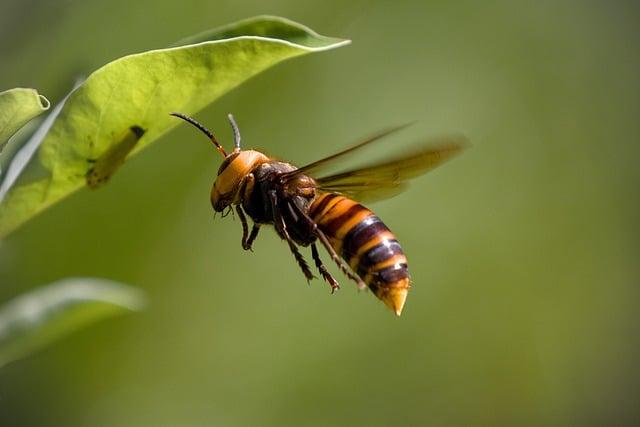
How to Preserve a Hornets Nest Safely: Ever thought about turning a hornets nest into a prime piece of decor? It might sound like a buzzing bad idea, but with the right techniques, you can preserve this misunderstood masterpiece of nature—safely! In this article, we’ll share tips to turn that thorny question of “What on earth do I do with this thing?” into “Look how artsy and eco-friendly I am!” While no one wants to be on the receiving end of a hornet’s wrath, preserving their home can be a fun and fascinating endeavor. So grab your gloves, leave the picnic out of the equation, and let’s dive into the world of hornet nest preservation with humor, safety, and a touch of creativity!
Article Contents
- Understanding the Anatomy of a Hornets Nest
- Choosing the Right Time for Collection
- Essential Safety Gear for Handling Hornets Nests
- Techniques for Safely Removing the Nest
- Methods for Preserving the Nest for Display
- Caring for Your Preserved Hornets Nest
- Common Mistakes to Avoid During Preservation
- Exploring Ethical Considerations in Nest Preservation
- Q&A
- Key Takeaways
Understanding the Anatomy of a Hornets Nest
To successfully preserve a hornet’s nest, it’s essential first to understand its structure and function. Hornets, particularly the paper wasp species, construct their nests from chewed wood fibers mixed with saliva, creating a unique papery texture. The nest is often a multi-layered structure with a distinctive umbrella shape, comprising numerous hexagonal cells that serve as nurseries for larvae. Understanding these features helps in identifying the right preservation techniques to maintain their integrity.
Here are some key components of a hornets nest:
- Outer Shell: The protective layer that shields the interior from the elements and predators.
- Cells: Individual compartments where the queen lays eggs and which are used to house developing larvae.
- Entrance Hole: The main access point for hornets, often located at the bottom of the nest.
When preparing to preserve a nest, take care to minimize damage to these intricate structures. It is also helpful to note the different stages of the hornets’ lifecycle observed within the nest, which can provide further insight into their behavior and colony dynamics:
| Lifecycle Stage | Description |
|---|---|
| Eggs | Small, white ovals cared for by the queen. |
| Larvae | Developing hornets that feed on species-specific diets provided by adult hornets. |
| Adults | Fully developed hornets that maintain the nest and support the queen. |
Choosing the Right Time for Collection
Timing is crucial when it comes to safely collecting a hornet’s nest. To ensure that you carry out the task effectively and without causing any harm to yourself or the hornets, consider the following factors:
- Season: Early fall is generally the best time to collect a hornet’s nest. By this time, hornet populations are at their highest, but the nests are also less active as the colder weather approaches.
- Time of Day: Aim for early morning or late evening. Hornets are less aggressive during these cooler hours when they are less likely to be out foraging.
- Weather Conditions: Choose a calm day without strong winds or rain. Weather affects hornet behavior, and their activity can increase with disturbances.
Additionally, ensure you don’t collect the nest during their peak activity times. Here’s a simple table illustrating the optimal conditions for collection:
| Condition | Optimal Timing |
|---|---|
| Season | Early Fall |
| Time of Day | Early Morning or Late Evening |
| Weather | Calm and Dry |
By paying attention to these details, you can increase your chances of a safe and successful collection, ensuring both your safety and that of the hornets involved.
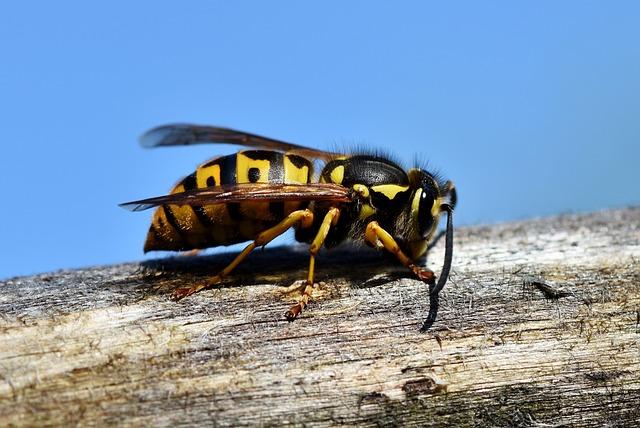
Essential Safety Gear for Handling Hornets Nests
When approaching a hornets nest, safety is paramount. The following essential gear will provide the necessary protection while allowing you to handle the nest effectively:
- Protective Clothing: Wear a full-body suit made of thick, durable fabric designed to prevent stings. Look for options that have elastic cuffs and high collars to keep hornets from entering.
- Gloves: Use long, reinforced gloves to protect your hands and forearms. Leather or rubber gloves are ideal as they offer a solid barrier against stings.
- Face Protection: A full-face helmet or a bee veil will shield your face and neck. Opt for one with fine mesh to ensure visibility while keeping hornets out.
- Boots: Sturdy, high-topped footwear will protect your ankles and provide additional cover. Ensure they are made from a material that hornets cannot sting through.
- Smoke or Mist: While not personal protective gear, having a smoker or aerosol spray can help to calm the hornets before you attempt to remove the nest.
This gear not only minimizes the risk of stings but also provides peace of mind while working in close proximity to the nest. Prioritize quality and comfort for the best possible experience during this delicate task.

Techniques for Safely Removing the Nest
Safely removing a hornet’s nest requires careful planning and execution to minimize the risk of stings. Here are some essential tips to ensure a successful removal:
- Choose the Right Time: Early morning or late evening when hornets are less active is optimal for approach and removal.
- Wear Protective Clothing: Equip yourself with a full-body bee suit, gloves, and a face veil to protect against potential stings.
- Use a Spray Insecticide: Select a long-range insecticide specifically designed for hornets to minimize proximity to the nest.
- Approach with Caution: Move slowly and purposefully to avoid startling the hornets as you make your way to the nest.
After applying the insecticide, wait for a period to ensure all hornets are affected. Once you’re confident that the hornets have been effectively neutralized, you can proceed to remove the nest. Utilize a long-handled tool to gently dislodge and place the nest into a sturdy plastic bag. Ensure the bag is tightly sealed and dispose of it in an outdoor trash container.
For those considering a more sustainable approach, check local regulations regarding wildlife conservation. But if allowed, consider contacting a pest removal service specializing in safe hornet relocation to keep their ecological benefits intact while respecting your safety.
Methods for Preserving the Nest for Display
Preserving a hornet’s nest for display requires careful handling and a few important steps to ensure the nest retains its unique structure and beauty. Here are some effective techniques you can use:
- Cleaning: Begin by removing any debris or insect remains from the nest. Gently use a soft brush or a cloth to wipe the exterior, taking care not to damage delicate sections.
- Drying: Place the cleaned nest in a dry, well-ventilated location away from direct sunlight. This helps prevent mold growth and keeps the nest intact.
- Pesticide Treatment: To safeguard against any remaining parasites, consider lightly spraying the nest with a diluted insecticide solution. Ensure you follow the instructions carefully and handle chemicals with caution.
- Sealing: After ensuring that the nest is completely dry, apply a clear sealant spray to protect it from moisture and dust. This will enhance its longevity as a display piece and keep it looking fresh.
For those who prefer a more robust preservation process, consider using the following:
| Method | Description |
|---|---|
| Embedding in Resin | Encasing the nest in clear resin provides stunning visual appeal and complete protection from wear. |
| Dyes and Stains | Enhancing colors with non-toxic dyes before sealing can create a more ocularly striking display while preserving the nest. |

Caring for Your Preserved Hornets Nest
Caring for a preserved hornets nest requires some attention to ensure its longevity and beauty as a unique decorative piece. Here are the essential steps to maintain it effectively:
- Keep it dry: Moisture is the enemy of preservation. Store the nest in a cool, dry place, away from direct sunlight, which can cause discoloration and degradation of the materials.
- Regular dusting: Gently dust the nest with a soft, dry cloth or a small brush to keep it clean. Avoid using water or cleaners, as these can damage the nest’s structure.
- Display considerations: If you plan to display the nest, consider using a glass case or enclosure to protect it from dust and accidental damage. Ensure it is securely mounted to prevent any falls.
Additionally, it’s important to monitor for signs of wear or decay. If you notice any deterioration, take immediate action:
| Signs of Damage | Suggested Action |
|---|---|
| Cracks or breaks | Consider using museum-quality adhesive for repairs. |
| Discoloration | Limit exposure to sunlight and reposition as necessary. |
| Insect infestation | Consult a professional conservator for treatment options. |
With the right care and attention, your preserved hornets nest can remain a striking and conversation-starting piece for years to come.

Common Mistakes to Avoid During Preservation
When it comes to preserving a hornet’s nest, there are several pitfalls that can lead to undesirable outcomes. To ensure success and safety, it’s crucial to steer clear of these common errors:
- Neglecting Safety Precautions: Always wear protective gear, including gloves, goggles, and long sleeves, to prevent stings during the preservation process.
- Choosing the Wrong Location: The environment in which you display the nest can affect its longevity. Avoid areas with high humidity or excessive sunlight.
- Using Inappropriate Adhesives: Selecting the wrong type of glue can lead to the nest falling apart. Opt for archival-quality adhesives that are specifically designed for preservation.
Additionally, improper handling can cause irreversible damage to the delicate structure of the nest. Be mindful of the following:
| Common Handling Mistakes | Consequences |
|---|---|
| Grabbing the nest without support | Crushing or collapsing the nest |
| Excessive temperature changes | Causing cracking or warping |
| Not cleaning the nest properly | Pest attraction or deterioration |
By avoiding these missteps, you’ll increase your chances of preserving the hornet’s nest effectively, maintaining its integrity for years to come.
Exploring Ethical Considerations in Nest Preservation
When it comes to preserving a hornet’s nest, it is crucial to consider the ethical implications of handling and interacting with these fascinating yet often misunderstood insects. Respect for their natural habitat and a mindful approach to preservation can lead to a more harmonious co-existence between humans and hornets.
Here are some ethical considerations to keep in mind:
- Non-Disruption: Avoid disturbing hornets unnecessarily, especially during their nesting season. This ensures their survival and continuation of their important ecological roles.
- Safe Distancing: Maintain a safe distance when observing nests. Use binoculars or a camera with zoom to appreciate their intricate architecture and behavior without causing stress to the insects.
- Education and Awareness: Understand the benefits hornets provide, such as pest control and pollination. Promoting knowledge among community members can help reduce fear and foster respect for these creatures.
Additionally, collaborating with local wildlife organizations can offer valuable insights into best practices for nest preservation. A responsible approach not only protects the hornet population but also enhances our understanding of these vital pollinators.
Q&A
Q&A: How to Preserve a Hornets Nest Safely
Q1: What materials do I need to preserve a hornet’s nest safely?
A1: To preserve a hornet’s nest, you’ll need a few simple materials:
- Safety Gear: A bee suit, gloves, and a face mask to protect yourself.
- A Clear Container: A glass jar or a shadow box can work great for displaying the nest.
- Preserving Agents: You can use a mixture of water and glycerin or clear acrylic spray to prevent deterioration.
- Tools: Scissors or shears for cutting, and possibly a small chisel for prying the nest off the tree or wall.
Q2: Is it safe to approach a hornet’s nest for preservation?
A2: Not necessarily! Hornets can be very territorial and aggressive, especially if the nest is disturbed. It’s best to approach with caution. Wear protective clothing and consider waiting until dusk or early morning when hornets are less active. If you’re uncertain or allergic, it’s wise to consult a professional pest controller rather than risking an encounter.
Q3: What should I do if I find a hornet’s nest during winter?
A3: Winter is actually the safest time to collect a hornets nest, as the insects are inactive. Look for nests that have fallen or are easily reachable. Always wear protective gear, and consider collecting the nest on a calm, dry day to avoid any disturbances.
Q4: How can I safely remove a hornet’s nest for preservation?
A4: Carefully cut the nest from its attachment point using your scissors or shears, making sure to do so gently to avoid damaging the structure. If it’s high up or hard to reach, using a ladder may be necessary. Ensure you’re wearing all your protective gear and have a means of escape in case hornets are nearby.
Q5: How do I prepare the nest for display?
A5: After safely securing the nest, you can prepare it by gently brushing off any debris, dust, or insects. Then, soak it in your glycerin solution for a few hours, or spray it with the acrylic spray for added protection. Make sure it’s completely dry before displaying it in your chosen container.
Q6: Can I preserve a hornet’s nest for educational purposes?
A6: Absolutely! Preserved hornet nests can be great for educational displays regarding insect life and ecosystems. Just ensure that you follow local guidelines regarding the collection and display of wildlife specimens.
Q7: Are there any legal considerations when preserving hornet’s nests?
A7: There may be regulations regarding the collection of wildlife in your area, including hornets. It’s always best to check with your local wildlife agency or regulations before collecting a nest, especially if it’s in a protected area.
Q8: What can I do with the preserved nest once it’s ready?
A8: Once your hornet’s nest is preserved, you can display it in your home, incorporate it into educational materials, or even use it in creative art projects. Just be sure to place it out of reach of children and pets, as some preserved nests can still harbor particles that may irritate sensitive individuals.
Q9: How long will a preserved hornet’s nest last?
A9: With proper care and preservation methods, a hornet’s nest can last for many years. Regular checks for any signs of deterioration or pest infestations will help ensure its longevity.
Q10: What should I do if I encounter hornets while I’m outdoors?
A10: If you see hornets while outdoors, it’s best to stay calm and avoid quick movements that could provoke them. Slowly back away and give them space. If you’re near an area where you plan to collect a nest, ensure that it’s free of hornets before attempting to retrieve it. Always prioritize your safety!
By following these guidelines, you can safely preserve and appreciate the fascinating architecture of a hornet’s nest without putting yourself at risk. Happy preserving!
Key Takeaways
preserving a hornet’s nest can be a fascinating endeavor that allows you to appreciate these incredible creatures from a safe distance. By following the proper safety protocols and employing the right techniques, you can create a lasting piece of nature’s intricate design in your home or garden. Remember to always prioritize your safety and the well-being of your local ecosystem. Whether you’re a seasoned enthusiast or just starting out, this experience can deepen your understanding of these vital pollinators. Now, gather your materials, put on those gloves, and get ready to embrace the art of hornet nest preservation. Happy preserving!