How to Preserve Bird Wings: A Natural Keepsake
Ever come across a stunning bird wing and thought, “Wow, this belongs in a museum!”? Well, you’re not alone! Bird wings are not just nature’s art; they are a fascinating glimpse into the world of avian beauty that can grace your home. But wait—before you toss it in a drawer and forget it, let’s dive into the delightful craft of preserving these natural keepsakes! Imagine impressing your friends with your very own winged wonders, all while avoiding turning your living room into a taxidermy scandal. This guide will walk you through the whimsical journey of preserving bird wings, ensuring your new treasures remain vibrant and breathtaking for years to come. Get ready to spread your wings in creativity and charm as we explore this craft with a dash of humor and a sprinkle of professionalism—after all, who knew preserving nature could be this much fun?

Article Contents
- Understanding the Natural Beauty of Bird Wings
- Essential Tools and Materials for Preservation
- Step-by-Step Guide to Preparing Bird Wings
- Choosing the Right Preservation Method
- Tips for Displaying and Protecting Your Preserved Wings
- Common Mistakes to Avoid in Wing Preservation
- Caring for Your Preserved Keepsakes Over Time
- Q&A
- Final Thoughts
Understanding the Natural Beauty of Bird Wings
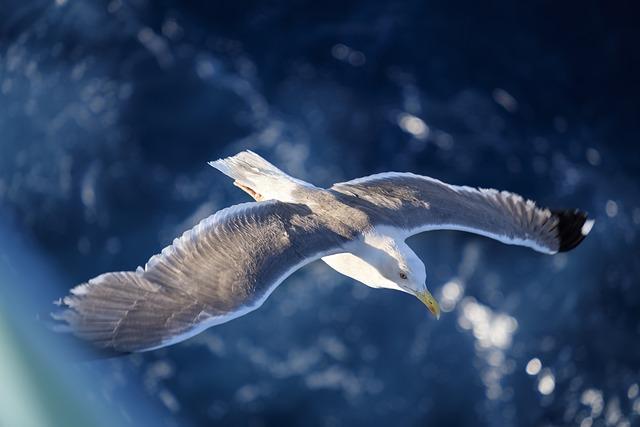
The intricate designs and vibrant colors of bird wings offer a glimpse into the wonders of nature’s artistry. Each wing is a unique expression, showcasing an array of patterns and structures that serve specific functions. Understanding the anatomy and aesthetics of bird wings draws attention to the delicate balance between form and function found in nature.
Bird wings are composed of various feathers, each playing a crucial role in flight as well as exhibiting diverse functionalities. Here are some fascinating aspects to appreciate:
- Feather Types: Different wing feathers, such as primary, secondary, and tertiary, work in harmony to produce lift and maneuverability.
- Coloration: The pigmentation of feathers can serve as a means of communication, camouflage, or attracting mates, often depending on the species.
- Structure: The lightweight yet strong design allows birds to achieve remarkable agility and endurance while flying.
Preserving bird wings as keepsakes involves respecting the natural beauty embedded within these fascinating structures. By understanding the intricacies of their design and purpose, you can appreciate not just their aesthetic appeal but also their ecological significance in the avian world. Each preserved wing tells a story of evolution and adaptation that contributes to the delicate tapestry of our ecosystem.

Essential Tools and Materials for Preservation
To successfully preserve bird wings, having the right tools and materials at your disposal is crucial. Here’s a rundown of essential items that will make the process smooth and effective:
- Preservation Agent: Use a reliable chemical such as borax or a mixture of rubbing alcohol to prevent decay and pests.
- Desiccant: Silica gel packets work wonders to absorb moisture during the drying process, ensuring your wings stay crisp.
- Protective Gloves: To avoid any oils from your skin damaging the feathers, wear nitrile or latex gloves while handling the wings.
- Sculpting Wire: This flexible wire is ideal for maintaining the shape of the wings throughout the preservation process.
- Soft Brush: A gentle brush can help in cleaning delicate feathers without causing damage.
Organizing these materials will streamline your workflow. For your convenience, here’s a simple table summarizing the tools and their purposes:
| Tool/Material | Purpose |
|---|---|
| Preservation Agent | Prevents decay and pest infestation. |
| Desiccant | Absorbs moisture during drying. |
| Protective Gloves | Protects feathers from skin oils. |
| Sculpting Wire | Maintains wing shape. |
| Soft Brush | Cleans feathers gently. |
Having these tools on hand will not only help in the preservation but also empower you to handle bird wings confidently and respectfully, creating a cherished natural keepsake.
Step-by-Step Guide to Preparing Bird Wings
Preserving bird wings can be an incredibly rewarding process, allowing you to create a beautiful keepsake that showcases nature’s artistry. To start, you’ll need to gather the right supplies and follow a series of simple steps to ensure your wings are preserved effectively. Here’s how to go about it:
- Choose Fresh Wings: Select wings that are freshly obtained and in good condition, as freshness ensures better preservation.
- Clean the Wings: Carefully remove any feathers or debris. Use a soft brush or cloth to gently clean the surface without damaging the delicate feathers.
- Flatten the Wings: Place the wings between two sheets of parchment paper. Weight them down with a heavy book or other flat object to keep them flat during the drying process.
- Dry the Wings: Leave the wings in a cool, dry place for a couple of weeks, allowing them to completely dry out. Make sure to check on them periodically to ensure no moisture is being trapped.
- Add Preservative: Once completely dry, lightly spray the wings with a mixture of half water and half glycerin for extra preservation.
- Display Option: Consider arranging the wings within a shadow box or framing them under glass to create a stunning display piece.
Pay attention to safety throughout this process, especially when handling tools or chemicals. The quality of the final product is dependent not just on the steps taken, but also on care and attention during preparation. Enjoy the unique artistry that the captured wings bring to your space!

Choosing the Right Preservation Method
When it comes to preserving bird wings, selecting the appropriate method is critical to ensuring their beauty and integrity. Each technique requires different tools, materials, and levels of expertise, so understanding the options will help you make an informed choice. Here are some notable methods to consider:
- Drying: This is one of the simplest methods. Gently place the wings between absorbent paper or use a flower press to remove moisture naturally. This method may take several weeks, but it helps maintain the structure without chemicals.
- Taxidermy: For a more professional finish, you might opt for taxidermy. While this requires specialized knowledge and skills, it preserves the wings in a lifelike way and showcases their intricate details.
- Preserve in Resin: Using clear epoxy resin can both protect and display the wings beautifully. This method is ideal for creating items like keychains or ornaments, though it requires careful handling to avoid bubbles in the resin.
Regardless of the method chosen, it’s essential to handle the wings delicately to avoid damage. Consider these factors when deciding:
| Method | Difficulty Level | Preservation Time |
|---|---|---|
| Drying | Easy | 2-4 weeks |
| Taxidermy | Advanced | Varies |
| Preserve in Resin | Medium | 24-48 hours |
Ultimately, the right choice depends on your skill level and how you wish to display your treasured natural keepsake.
Tips for Displaying and Protecting Your Preserved Wings
Displaying and protecting preserved wings requires a thoughtful approach that respects their beauty while ensuring their longevity. Here are some essential tips to consider:
- Choose the Right Display Case: Utilize a shadow box or glass display case to shield the wings from dust and moisture. Clear acrylic cases can also provide visibility while offering UV protection.
- Limit Light Exposure: Natural sunlight can fade colors over time. Position your display away from windows, or use UV-filtering glass to maintain the vibrancy of the delicate hues.
- Control the Environment: Keep the display area at a stable temperature and humidity level. Fluctuations can lead to deterioration, so consider using a dehumidifier or silica gel packets to absorb excess moisture.
- Avoid Direct Contact: When handling preserved wings, always use clean, dry hands or gloves. Consider using tweezers to avoid oil or dirt transfer from fingers.
| Protective Tips | Benefit |
|---|---|
| Using a shadow box | Prevents dust accumulation |
| Minimizing direct sunlight | Prevents color fading |
| Controlling humidity | Avoids mold and deterioration |
| Gentle handling | Preserves structural integrity |
Additionally, consider rotating your display periodically. This not only showcases different aspects of the wings but also helps to prevent any potential fading or wear from prolonged exposure to specific conditions.

Common Mistakes to Avoid in Wing Preservation
When embarking on the journey of wing preservation, understanding potential pitfalls is crucial for achieving a stunning and lasting display. Here are some **common mistakes** to steer clear of:
- Neglecting to Clean Thoroughly: Before preservation, it’s vital to remove any dirt, feathers, or debris. Failure to do so can lead to fading or deterioration over time.
- Using Inappropriate Chemicals: Many DIY preservation mentions using harsh chemicals that can damage the delicate structures of wings. Stick to natural solutions wherever possible.
- Forgetting Proper Drying Techniques: Inadequate drying can lead to mold or unpleasant odors. Ensure that wings are completely dried in a well-ventilated area before sealing them.
Another frequently overlooked aspect is the **selection of display materials**. Choosing the wrong frame or mounting method can detract from the wing’s beauty. Consider the following tips:
| Material | Pros | Cons |
|---|---|---|
| Glass Frame | Protects from dust | Can trap moisture |
| Shadow Box | Depth allows for dimensional display | Can be costly |
| Canvas Mount | Lightweight and modern look | Less protection |
By avoiding these mistakes and carefully selecting your methods and materials, you can ensure that your preserved bird wings remain a beautiful testament to nature for years to come.

Caring for Your Preserved Keepsakes Over Time
Caring for your preserved bird wings is essential to ensure their beauty and integrity last for generations. Proper maintenance not only enhances their aesthetic appeal but also preserves the delicate structures of the wings themselves. Here are some best practices:
- Avoid Direct Sunlight: Keep your keepsakes away from direct sunlight to prevent fading and degradation of colors.
- Optimal Temperature and Humidity: Store in a cool, dry place. Ideal conditions are around 65-70°F (18-21°C) with 30-50% humidity.
- Regular Dusting: Lightly dust with a soft, dry cloth or a gentle brush to remove any accumulated debris.
- Controlled Handling: When handling, ensure your hands are clean and dry to prevent any oils or dirt transferring onto the wings.
Consider displaying your preserved wings in a shadow box or glass case to offer protection from environmental elements. If you choose to mount them, use acid-free materials to avoid damaging the delicate membranes. Below is a simple guide on various display options:
| Display Option | Pros | Cons |
|---|---|---|
| Shadow Box | Protective, elegant display | Can be expensive |
| Glass Case | Dust-free, visually appealing | Heavy, requires maintenance |
| DIY Mounting | Cost-effective, customizable | Risk of damage if done incorrectly |
With proper care, your preserved bird wings will not only serve as a beautiful reminder of nature but also as a cherished keepsake for years to come.
Q&A
Q: Why would someone want to preserve bird wings?
A: Preserving bird wings can serve various purposes. For many, it’s a way to keep a natural keepsake that connects them to a cherished memory, whether it’s from a nature hike, a day spent birdwatching, or an interaction with wildlife. Artistic and educational uses abound as well—some people like to incorporate them into displays or artworks, while educators and researchers might preserve wings for study purposes. Ultimately, it’s a beautiful way to celebrate and honor nature.
Q: What are the first steps to take when I find a bird wing?
A: When you find a bird wing, the first thing to do is to ensure that it’s legal to keep it. In many jurisdictions, feathers and wings are protected, particularly if they belong to certain species. If everything checks out, carefully handle the wing to avoid causing damage. It’s a good idea to photograph it for reference before you begin preservation.
Q: How should I clean the bird wing before preserving it?
A: Cleaning is an important step in the preservation process. Start by rinsing the wing gently under cool water to remove any dirt or debris. Avoid using soap, as it can damage the feathers. After rinsing, you can use a soft brush to carefully dislodge any stubborn particles. Next, pat the wing dry with a soft cloth and let it air dry completely in a cool, dry place away from direct sunlight. This will help prevent mold and decay.
Q: What methods can I use to preserve bird wings?
A: There are a few popular methods for preserving bird wings. One common approach is to use a mixture of borax and salt. Dust the wing with this mixture to help draw out moisture, and place it flat between sheets of cardboard or in an airtight container. Another option is using silica gel, which absorbs moisture efficiently. For long-term display, you can also consider mounting the wing in a shadow box or frame after preservation.
Q: How do I store preserved bird wings properly?
A: Proper storage is crucial for the longevity of your preserved wings. Store them in a cool, dry place, and make sure they are protected from light exposure, which can fade colors and weaken fibers. Using airtight containers can help to ward off moisture and pests. If you’ve mounted the wings in a shadow box or frame, keep them away from direct sunlight and humidity.
Q: Can I display preserved bird wings? If so, how?
A: Absolutely! Displaying preserved bird wings can create a stunning focal point in your home or even serve as an educational tool. You can mount the wings in a shadow box with a backdrop that complements their colors, or incorporate them into mixed-media art. Just remember to place them in a spot where they won’t be disturbed by dust or sunlight. Using UV-protective glass in your frame can further preserve the beauty of your wings.
Q: Are there any ethical considerations I should keep in mind?
A: Yes, ethical considerations are very important when preserving bird wings. Always ensure that you’re following local wildlife laws regarding the collection of feathers or wings. Respect the natural ecosystems and avoid taking from endangered species. When in doubt, it’s always best to research the regulations in your area or consult with wildlife organizations. Ethical preservation honors the life of the bird while allowing you to appreciate its beauty.
Q: Is there anything else I should know before I begin preserving bird wings?
A: One essential tip is to approach the process with patience and care. Each step, from handling to cleaning to storing, requires a gentle touch to avoid damaging the delicate features of the wing. Maintaining a respectful mindset about the bird and its role in nature will enhance the meaningfulness of the keepsake you create. have fun with it and let your creativity shine through in your displays!
Final Thoughts
As we wrap up our guide on preserving bird wings, it’s clear that this process allows us to connect with nature in a truly unique way. By taking the time to carefully preserve these stunning features of our avian friends, we not only celebrate their beauty but also create cherished keepsakes that tell stories of the natural world. Remember, each step in the preservation process—from cleaning and drying to mounting and displaying—brings you one step closer to a meaningful tribute to the birds that inspire us. So, gather your supplies, channel your inner naturalist, and embark on this rewarding journey. Your preserved wings will serve as a beautiful reminder of the wonders of the wild for years to come. Happy preserving!