How to Preserve Eggs Without Refrigeration: Proven Methods
Are you tired of your eggs playing hide-and-seek with freshness? Do you find yourself in a never-ending battle against food waste? Fret not! Whether you’re an off-grid enthusiast, a camping aficionado, or simply someone who hates the idea of tossing perfectly good eggs in the trash, you’ve landed in the perfect spot. In this article, we’ll crack the code on preserving eggs without refrigeration using tried-and-true methods that are as reliable as your grandmother’s secret cookie recipe. Get ready to egg-splore various techniques that will keep your breakfast staple fresh and delicious, all while giving you a newfound sense of culinary freedom. So, buckle up, egg lovers—let’s dive into the world of long-lasting eggs that make your fridge envy their shelf life!
Article Contents
- Understanding the Importance of Egg Preservation
- Traditional Methods of Egg Preservation
- Exploring the Benefits of Water Glassing
- Salt Packing: A Time-Honored Technique for Preserving Eggs
- Using Mineral Oil to Extend Shelf Life
- Fermenting Eggs: A Unique Approach to Preservation
- Best Practices for Storage and Safety
- Tips for Testing the Freshness of Preserved Eggs
- Faq
- To Wrap It Up
Understanding the Importance of Egg Preservation
Egg preservation plays a crucial role in food security and sustainability, especially in regions with limited access to refrigeration. Understanding how to effectively preserve eggs not only helps in extending their shelf life but also ensures a consistent food source throughout the year. When eggs are properly preserved, you can enjoy the nutritional benefits they offer, avoiding waste and providing essential proteins for your diet.
There are several methods to preserve eggs without relying on refrigeration, each with its unique advantages:
- Water Glassing: This method involves using a sodium silicate solution to create an airtight seal around the eggs, preventing air from entering.
- Pickling: Eggs can be pickled in vinegar or brine solutions, imparting flavor while extending their shelf life.
- Drying: Dehydrated eggs can be ground into powder, making them easy to store and use in various recipes.
To help visualize the benefits of these methods, here is a summary table:
| Method | Shelf Life | Flavor |
|---|---|---|
| Water Glassing | 6-12 months | Neutral |
| Pickling | 3-5 months | Tangy |
| Drying | 2 years | Neutral/Adaptable |
By exploring these preservation methods, individuals can ensure they make the most of their egg harvests, enhancing their culinary flexibility while minimizing food waste and maximally utilizing their resources.

Traditional Methods of Egg Preservation
Throughout history, various cultures have developed innovative techniques for preserving eggs, ensuring they remain edible and safe long after their collection. These traditional methods often rely on natural ingredients and simple processes, making them accessible to anyone interested in long-term egg storage.
Some of the most common methods include:
- Water Glassing: This method involves submerging clean, fresh eggs in a solution of sodium silicate (water glass) mixed with water. The alkalinity of the solution creates a protective barrier against bacteria, allowing eggs to last for several months.
- Pickling: Hard-boiled eggs can be preserved in vinegars mixed with spices, offering a tangy flavor and extended shelf life. This method is not only effective but also adds a delightful twist to egg consumption.
- Salt Packing: In this technique, eggs are layered with salt in a container. The salt draws moisture out, which inhibits bacterial growth, and eggs can last for several months in this brine-like environment.
For those interested in a more hands-on approach, experimenting with these methods can lead to delicious and versatile results in your kitchen. Each of these techniques harnesses the natural properties of eggs while preserving their nutritional value, allowing for a sustainable practice that has stood the test of time.
Exploring the Benefits of Water Glassing
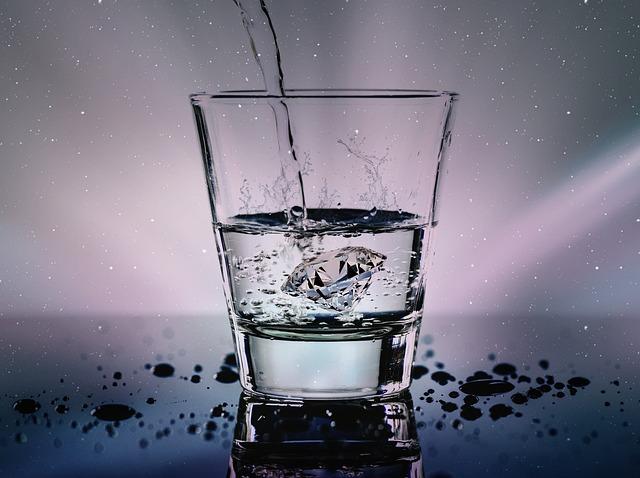
Water glassing, a traditional method that has stood the test of time, provides an efficient way to preserve eggs without refrigeration. This process involves submerging clean, unwashed eggs in a sodium silicate solution, creating a protective barrier that helps to prevent spoilage. The benefits of water glassing extend beyond mere preservation, making it an attractive option for those who seek sustainable and cost-effective solutions.
- Extended Shelf Life: Eggs preserved through water glassing can last up to a year or more, significantly longer than typical storage methods.
- Retention of Nutritional Value: This method retains essential nutrients and flavors, ensuring that the eggs remain just as nutritious as fresh ones.
- Cost-Effective Solution: By water glassing your eggs, you can save money by reducing waste and making the most of excess harvests.
- Simplicity and Accessibility: The process requires minimal equipment and is easy to replicate at home, making it accessible for anyone interested in preserving food.
Moreover, water glassing offers peace of mind in preserving food during times of excess or uncertainty. By utilizing this ancient technique, you are not only embracing a strategy for food sovereignty but also connecting to a rich farming heritage that values resourcefulness. As the trend for sustainable living continues to grow, water glassing stands out as a reliable, eco-friendly method to help maintain food supplies without relying on the energy demands of refrigeration.
Salt Packing: A Time-Honored Technique for Preserving Eggs
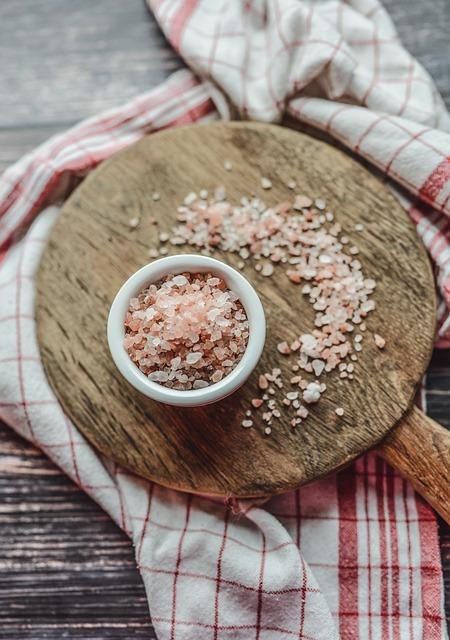
Salt packing is an ancient method of preserving eggs, ensuring that this vital food source remains available long after the lay date. This technique not only enhances the flavor of the eggs but also significantly extends their shelf life, making it a preferred choice before the advent of modern refrigeration.
To successfully salt pack your eggs, follow these simple steps:
- Select fresh eggs: Choose uncracked, clean eggs for optimal preservation.
- Prepare salt brine: Mix 1 cup of salt in 1 quart of water to create a saturated solution.
- Layering: Place your eggs in a container, alternating layers with additional salt to create a protective barrier.
- Seal and store: Cover the container tightly and store it in a cool, dark place for six months or longer.
One of the remarkable aspects of this process is how it utilizes salt’s dehydrating properties to draw moisture out of the eggs, thereby inhibiting bacterial growth. Here’s a quick comparison of traditional salt packing to other preservation methods:
| Method | Shelf Life | Flavor Profile |
|---|---|---|
| Salt Packing | 6 months to 1 year | Rich, savory |
| Pickling | 3 to 5 months | Tangy, zesty |
| Dehydrating | 1 year or more | Concentrated |
This traditional technique stands the test of time, showcasing not just its practicality but also its profound respect for the culinary arts and preserving food’s integrity. Integrating salt packing into your food preservation methods allows for a delicious, long-lasting resource of nutrition straight from your pantry.
Using Mineral Oil to Extend Shelf Life
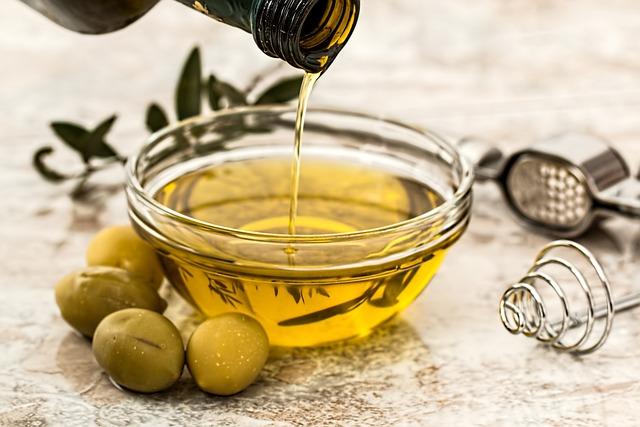
One effective method for preserving eggs without refrigeration is the application of mineral oil. This natural oil acts as a barrier, sealing the eggs and preventing air from entering through the porous shell, which is essential for maintaining freshness. Here’s how to properly use mineral oil to maximize the shelf life of your eggs:
- Select Fresh Eggs: Start with farm-fresh eggs, as their quality significantly influences the preservation process.
- Clean the Eggs: Gently clean the eggs with warm water to remove any dirt. Avoid soap, as it can strip the eggs’ natural protective coating.
- Apply Mineral Oil: Using a soft cloth or your hands, apply a thin layer of food-grade mineral oil evenly over the egg’s surface.
- Store Properly: Place the oiled eggs in a cool, dry location, ideally in a carton to minimize handling.
By following these simple steps, you can extend the freshness of your eggs significantly. Interestingly, studies suggest that properly oiled eggs can remain good for several months without refrigeration, offering a practical solution for those looking to preserve their food supply effectively.
| Storage Method | Shelf Life |
|---|---|
| Mineral Oil | 3-6 Months |
| Water Glassing | 6-12 Months |
| Pickling | Indefinite (if sealed) |
Fermenting Eggs: A Unique Approach to Preservation
Fermenting eggs might sound unusual, but it’s a fascinating method that not only enhances the preservation of eggs but also adds unique flavors and health benefits. This process typically involves submerging eggs in a brine solution that is rich in probiotics, creating a tangy taste and improving digestibility. The fermentation process helps to create a barrier against spoilage and is a brilliant way to keep eggs safe from bacteria.
To get started, consider the following simple steps for fermenting your eggs:
- Choose High-Quality Eggs: Always start with fresh, organic eggs to achieve the best results.
- Prepare the Brine: Combine water, salt, and your favorite spices to create the brine. Common spices include garlic, chili flakes, and dill.
- Submerge the Eggs: Place the eggs in a clean jar and pour the brine over them, ensuring they are fully covered.
- Seal and Store: Seal the jar tightly and let it sit at room temperature for about one to two weeks, allowing the fermentation process to take place.
After fermentation, the eggs can be stored in the refrigerator for even longer preservation. If fermentation is successful, the eggs will take on a delightful, pickled flavor that can be enjoyed as a snack or added to salads and dishes for an extra punch. The beauty of fermenting eggs lies not only in their preservation but also in their ability to elevate everyday meals with a burst of flavor!
Best Practices for Storage and Safety
When it comes to preserving eggs without refrigeration, maintaining optimal storage conditions is crucial for safety and longevity. Here are some essential practices to ensure your eggs stay fresh:
- Choose Fresh Eggs: Start with the freshest eggs possible. The quality of the egg significantly impacts its shelf life.
- Store in a Cool, Dry Place: Eggs should be stored in a cool, dry environment away from direct sunlight. Ideal temperatures range between 50°F and 70°F (10°C – 21°C).
- Avoid Moisture: Moisture can encourage bacterial growth. Ensure that the eggs are dry before storing them and keep the storage area free from humidity.
- Use Natural Preservatives: Consider methods like oiling or coating the eggs with wax. These techniques create a barrier, helping to seal in freshness.
Utilizing the appropriate storage containers also plays a vital role in preserving eggs. Opt for:
| Type of Container | Benefits |
|---|---|
| Cardboard Egg Cartons | Breathable material helps prevent moisture buildup. |
| Glass Jars | Provides a tight seal and protects against environmental factors. |
| Wooden Boxes | Natural insulation properties for temperature control. |
regularly check your stored eggs for signs of spoilage and practice a first-in-first-out method. This ensures you always use the oldest eggs first, minimizing waste and maximizing freshness.

Tips for Testing the Freshness of Preserved Eggs
When it comes to preserved eggs, determining their freshness is crucial for both safety and flavor. Here are several effective methods you can use to test the freshness of your preserved eggs:
- Visual Inspection: Check the surface of the egg for any unusual discoloration, cracks, or foul-smelling odors. A preserved egg should have a firm, smooth shell and should not exhibit any signs of spoilage.
- Float Test: Fill a bowl with water and gently place the egg in it. Fresh eggs will sink and lie flat on the bottom, while older eggs will start to tilt or float. Floating is a sign that the egg may be past its prime and should be discarded.
- Shake Test: Hold the egg up to your ear and gently shake it. If you hear a sloshing sound, it’s a sign that the egg is likely no longer fresh. Fresh eggs have a solid yolk and white that should not move around inside the shell.
In addition to these methods, you can also consider tracking the date of preservation. Keeping a simple log of when eggs were preserved can help you gauge their shelf life. For your convenience, here is a quick reference on how long preserved eggs typically last:
| Type of Egg | Shelf Life |
|---|---|
| Salted Eggs | 3-6 months |
| Brined Eggs | 6-12 months |
| Fermented Eggs | 1 year or more |
Using these techniques will not only help ensure you enjoy the best quality preserved eggs but also maximize your food safety practices.
Faq
Q: Why would someone want to preserve eggs without refrigeration?
A: There are several reasons someone might choose to preserve eggs without refrigeration. The most common reasons include saving money, maximizing food storage during times of scarcity, or preparing for emergencies. In rural areas where refrigeration isn’t always available, preserving eggs is a practical skill. Additionally, it allows people to enjoy eggs long after they’ve been laid, reducing food waste.
Q: What are some traditional methods for preserving eggs?
A: Several traditional methods stand out for effectively preserving eggs without refrigeration. These include water glassing, pickling, and using lime water. Each method has its own pros and cons, but they all extend the shelf life of eggs significantly when done correctly.
Q: Can you explain the process of water glassing?
A: Absolutely! Water glassing involves submerging fresh, unwashed eggs in a sodium silicate solution (often referred to as “water glass”). First, you’ll need to mix one part sodium silicate with nine parts water in a clean container. Once the solution is ready, gently place the eggs in it, ensuring they are completely submerged. When stored in a cool, dark place, water-glassed eggs can last up to a year!
Q: What about pickling? How does that work?
A: Pickling is another fantastic way to preserve eggs. For this method, hard-boiled eggs are peeled and submerged in a vinegar-based brine mixed with herbs and spices of your choice. The eggs should sit in the brine for at least a week in the refrigerator, but they can last for several months when sealed in jars. This not only preserves the eggs but also adds delicious flavors!
Q: Is it safe to use lime water for egg preservation?
A: Yes! Lime water (which is a mixture of pickling lime and water) is a time-honored method for preserving eggs. To do this, dissolve food-grade lime into water at a ratio of 1:10. Place clean, unwashed eggs in the solution, ensuring they are completely submerged. Stored in a cool place, lime-preserved eggs can last for up to a year, maintaining their taste and nutrient value.
Q: How can I tell if preserved eggs are still good to eat?
A: Great question! The best way to check the freshness of preserved eggs is through a float test. Place the egg in a bowl of water: fresh eggs will sink and lay flat on the bottom, while older eggs will stand upright or float. If the eggs float, it’s best to discard them. Additionally, when you break the egg open, check for any off odors or unusual coloration. If anything seems off, it’s better to err on the side of caution.
Q: Are there any eggs that should not be preserved without refrigeration?
A: Yes, it’s crucial to start with fresh, high-quality eggs that have been properly handled. Avoid using eggs with cracks or blemishes as they are more susceptible to bacterial contamination. Store-bought eggs are often washed, which can remove their natural protective coating, making them less suitable for preservation without refrigeration. Fresh, farm-raised eggs are your best bet for successful preservation.
Q: Where can I find the materials needed for these preservation methods?
A: Most of the materials needed for these methods, like sodium silicate, pickling lime, or vinegar, can be found at local grocery stores, health food stores, or online. Additionally, many rural or farm supply stores carry these items if you’re seeking them out in a more localized setting.
Q: Any final tips for someone new to egg preservation?
A: Absolutely! Start with a small batch to test out your chosen method and get familiar with the process. Always ensure your tools and containers are clean to reduce the risk of contamination. keep records of when you preserved the eggs so you can monitor their age. With a little practice, you’ll be well on your way to mastering the art of egg preservation!
To Wrap It Up
preserving eggs without refrigeration is not only a practical skill but also a rewarding one that can help you sustain your pantry and enjoy fresh eggs year-round. From the age-old method of water glassing to modern techniques like pickling, the options are plenty and effective. Experiment with these methods, and you’ll soon find which works best for your lifestyle and preferences. Remember, with a bit of curiosity and the right techniques, you can tap into the art of food preservation, reducing waste and enjoying the full flavor of your eggs without the need for refrigeration. So, roll up your sleeves and start preserving—your future self will thank you!