How to Preserve Moss for Natural Decor
Are you tired of the same old artificial decorations that scream “I bought this at a discount store”? Want to inject a little bit of that enchanting wildness into your home without inviting the entire forest in for tea? Look no further! In this delightful guide, “How to Preserve Moss for Natural Decor,” we’ll take you on a whimsical journey to harness the magic of moss—nature’s soft, green miracle that’s perfect for adding a touch of tranquility to your space. Why settle for fake plants when you can create stunning, earthy arrangements that have your guests asking if they accidentally wandered into an enchanted woodland? With a sprinkle of humor and a dash of professionalism, we’ll show you the tips and tricks to keep your moss looking fresh and fabulous. So, roll up your sleeves and let’s get preserving—your home’s new natural vibe awaits!
Article Contents
- Understanding the Benefits of Moss in Natural Decor
- Choosing the Right Type of Moss for Your Project
- Essential Tools and Materials for Preserving Moss
- Step-by-Step Guide to Preserving Moss at Home
- Creative Ways to Use Preserved Moss in Your Decor
- Maintaining the Longevity of Your Preserved Moss
- Tips for Displaying Moss Artfully in Your Space
- Displaying Moss Artfully in Your Space
- Common Mistakes to Avoid When Preserving Moss
- Frequently asked questions
- In Summary
Understanding the Benefits of Moss in Natural Decor
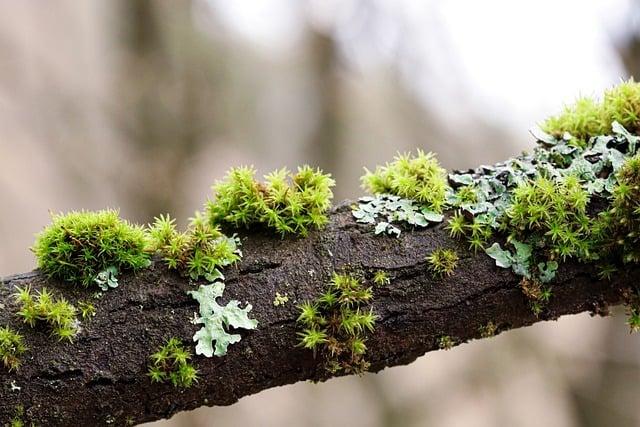
Moss has emerged as a popular element in natural decor, seamlessly blending aesthetics and function. Its soft textures and vibrant greens add an organic touch to spaces, evoking tranquility and connection to nature. Here are some key benefits of incorporating moss into your decor:
- Air Purification: Moss acts as a natural filter, absorbing toxins and releasing oxygen, thus improving indoor air quality.
- Low Maintenance: Unlike traditional plants, moss doesn’t require soil or frequent watering, making it perfect for busy lifestyles.
- Versatile Uses: It can be incorporated into various designs—think terrariums, wall art, or centerpieces—making it a flexible decor option.
- Natural Insulation: Moss can help regulate humidity levels and temperatures, creating a more comfortable environment.
Integrating moss into your home decor not only enhances visual appeal but also contributes to a healthier living space. It invites a serene ambiance while promoting sustainability, ensuring that you create a peaceful retreat right at home. Its adaptability makes moss an essential element for any naturalistic decor enthusiast, allowing a blend of beauty and functionality that few materials can match.
Choosing the Right Type of Moss for Your Project
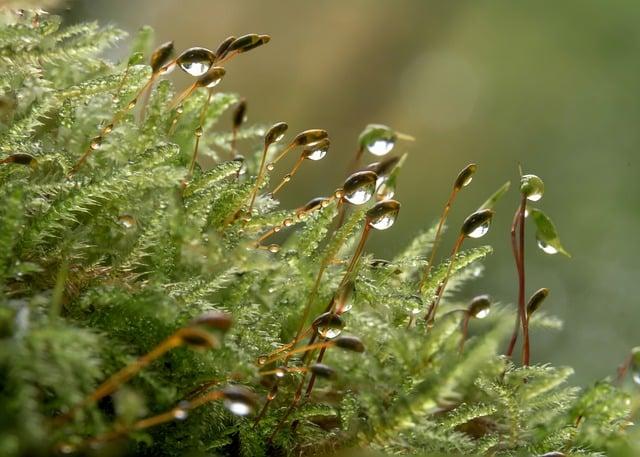
When it comes to decorating with moss, selecting the right type is critical for achieving your desired aesthetic and ensuring longevity. Different moss species have unique characteristics that can influence your project’s final look. Here are some popular types to consider:
- Sphagnum Moss: Known for its resilience, this moss is often used in floral arrangements and terrariums. Its ability to retain moisture makes it ideal for projects that require a touch of greenery.
- Sheet Moss: This flat, lush variety provides dense coverage, making it perfect for creating landscapes within containers or as a natural mat for crafts.
- Reindeer Moss: With its distinctive lichen-like appearance, reindeer moss adds unique texture to decor while being lightweight and easy to work with.
- Irish Moss: This moss thrives in cooler, damp environments and brings a rich emerald hue to your arrangements, enhancing any rustic-themed decor.
Choosing the right type depends on factors such as environment, moisture levels, and desired texture. Consider creating a comparison table to visualize the various characteristics:
| Moss Type | Texture | Moisture Retention | Best Use |
|---|---|---|---|
| Sphagnum Moss | Soft, fluffy | High | Floral arrangements, terrariums |
| Sheet Moss | Dense, thick | Moderate | Ground cover, crafts |
| Reindeer Moss | Fuzzy, spongy | Low | Decorative accents |
| Irish Moss | Dense, lush | Moderate | Outdoor and rustic decor |
Understanding these options will help you craft the perfect natural decor piece that aligns with your project goals and visual preferences.
Essential Tools and Materials for Preserving Moss
Preserving moss for your natural decor projects requires some essential tools and materials to ensure successful results. Gathering the right supplies can transform your crafting experience and enhance the longevity of your preserved moss.
- Fresh Moss: Start with healthy, vibrant moss. Species like reindeer moss, sheet moss, or pillow moss work great for preservation.
- Preservative Solution: Choose a suitable preservative, such as glycerin mixed with water, to maintain the moss’s texture and color.
- Airtight Container: Use glass jars or plastic containers to store the preserved moss and protect it from UV light and moisture.
- Scissors: Keep a pair of sharp scissors handy for trimming the moss to your desired size and shape.
- Gloves: Consider wearing gloves, especially when handling preservatives, to protect your skin.
- Paintbrush: A small, soft brush helps you evenly apply the preservative solution to the moss.
Additionally, having a workspace covered with newspapers or an old cloth can keep your area clean while working. Here’s a handy table summarizing the tools for easy reference:
| Tool/Material | Purpose |
|---|---|
| Fresh Moss | The main element for your decor |
| Preservative Solution | Maintains moisture and color |
| Airtight Container | Storage and protection from elements |
| Scissors | Trimming and shaping |
| Gloves | Skin protection during handling |
| Paintbrush | Application of solution |
With these tools and materials at your fingertips, you can delve into the rewarding process of preserving moss, ensuring you achieve stunning, lasting results for your natural decor projects.
Step-by-Step Guide to Preserving Moss at Home
Preserving moss at home is a fantastic way to enrich your natural decor with a touch of greenery that lasts. Begin by gathering materials that will aid in the preservation process. You will need:
- Fresh moss – collected from a healthy environment.
- Glycerin – for moisture retention and flexibility.
- Water – distilled is preferred to avoid impurities.
- Container – a sealable jar or a shallow dish.
Once you have the materials ready, proceed with these steps:
- **Rinse the moss** under cool water to remove any dirt or bugs.
- **Mix the preservation solution** by combining one part glycerin with two parts water in your container.
- **Submerge the moss** in the glycerin solution, ensuring it is fully covered. Allow it to soak for 1 to 2 days.
- **Drain and dry** the moss on a paper towel after soaking, allowing any excess liquid to escape.
- **Use or display** your preserved moss in terrariums, frames, or as standalone decor elements.
| Moss Type | Ideal Use | Preservation Time |
|---|---|---|
| Reindeer Moss | Wreaths and decorative frames | 1-2 days |
| Sheet Moss | Terrariums | 3-4 days |
| Ball Moss | Home accents and table centerpieces | 2-3 days |
Experimenting with different types of moss and applications can yield beautiful results for your home decor. Enjoy the process and let your creativity guide you in using preserved moss to enhance your living space.
Creative Ways to Use Preserved Moss in Your Decor
Preserved moss brings a touch of nature indoors and can be incorporated into your decor in a multitude of ways. One creative idea is to use it as a **living art installation**. Arrange different types of preserved moss in a shadow box frame to create a dynamic piece of wall art. The varying textures and shades of green can add depth and intrigue to your living space.
Another unique way to utilize preserved moss is in **table centerpieces**. Place moss in a shallow bowl or a terrarium alongside stones and candles to craft a tranquil, nature-inspired display. This not only serves as a stunning focal point but also promotes relaxation, making it perfect for dining areas or coffee tables.
Additionally, consider using preserved moss in **wreaths and garlands**. Combine it with other natural elements like twigs and dried flowers to create seasonal decorations that can be swapped out throughout the year. The richness of preserved moss will enhance the overall aesthetic, whether it’s for a festive occasion or a simple home refresh.
Maintaining the Longevity of Your Preserved Moss
To ensure your preserved moss remains vibrant and beautiful, it’s important to follow a few simple maintenance tips. Start by keeping your moss in a location with the right level of humidity. Ideally, your preserved moss should be kept in a space where the humidity level is around 40-60%. This prevents it from becoming too dry or too damp, which can lead to deterioration.
Lighting also plays a crucial role in maintaining preserved moss. It thrives best in areas with indirect sunlight. Avoid exposing it to harsh, direct sunlight, which can cause the colors to fade over time. Instead, opt for soft, filtered light to keep its natural hues intact.
Lastly, dust your preserved moss regularly to keep it looking fresh and clean. Use a soft brush or a can of compressed air to gently remove any accumulated dust. It’s advisable to refrain from using water or cleaning solutions, as moisture can degrade the preservation process. By following these straightforward steps, your moss can continue to be a beautiful centerpiece in your natural decor for years to come.
Tips for Displaying Moss Artfully in Your Space
Displaying Moss Artfully in Your Space
Integrating preserved moss into your decor can transform a room by bringing a touch of nature indoors. To achieve an aesthetically pleasing display, consider the following ideas:
- Mix and Match Textures: Pair moss with complementary materials like wood, stone, or metal. This creates visual interest and allows the moss to stand out.
- Use Transparent Containers: Glass terrariums or jars can showcase the vibrant colors and textures of moss while creating a contemporary look.
- Incorporate Height Variations: Utilize different levels in your display using pedestals or wall-mounted shelves. Layers will add depth and draw attention to your moss arrangement.
- Highlight with Lighting: Consider using soft, warm lighting to illuminate your moss features, enhancing their natural beauty and creating a serene atmosphere.
For those looking to make a more dynamic statement, consider creating a feature wall or a framed art piece using preserved moss. Here’s a simple layout idea to consider:
| Container Type | Best Use | Visual Effect |
|---|---|---|
| Glass Terrarium | Table centerpieces | Fresh and airy feel |
| Wooden Frame | Wall decor | Rustic charm |
| Wall-Mounted Planter | Living wall | Bold and dramatic |
| Decorative Bowl | Table accent | Cozy and inviting |
With creativity and a bit of planning, you can make your moss decor not only a part of your home but a central feature that captures attention and evokes tranquility.
Common Mistakes to Avoid When Preserving Moss
When it comes to preserving moss for your natural decor, there are several pitfalls that can hinder your efforts. Here are some **common mistakes** to avoid:
- Using the Wrong Type of Moss: Not all moss is suitable for preservation. Choose types like sphagnum or sheet moss that hold up better long-term.
- Neglecting to Clean the Moss: Before preservation, make sure to gently remove any dirt, debris, or insects. This ensures the moss retains its beauty and integrity.
- Over-saturating with Glycerin: While glycerin is essential for preservation, using too much can lead to a mushy texture. A balanced mixture is key.
- Storing in Inappropriate Conditions: Be cautious about where you store preserved moss. High humidity or direct sunlight can damage its appearance.
It’s equally important to pay attention to the **preservation technique** you use:
| Technique | Pros | Cons |
|---|---|---|
| Glycerin Method | Maintains color and flexibility | Requires careful mixing |
| Drying Method | Simple and quick | Moss can become brittle |
| Preserving Spray | Easy to apply | May not last as long |
Avoid these mistakes, and you’ll find that preserving moss can be a rewarding process that enhances your decor with its natural beauty.
Frequently asked questions
Q&A: How to Preserve Moss for Natural Decor
Q1: Why should I consider using moss in my home decor?
A1: Moss brings a unique, earthy texture to decor, creating a natural ambiance that can enhance any space. It’s versatile—perfect for terrariums, wall art, or simply as a lovely tabletop accent. Plus, it’s an eco-friendly option that adds a touch of greenery without the need for extensive care like traditional houseplants.
Q2: How can I find moss for preservation?
A2: You can collect moss from your yard or local parks, but make sure to do so responsibly by ensuring it’s not a protected species. Alternatively, you can purchase moss from gardening stores or online retailers that specialize in botanical products. Just remember to check the source to promote sustainability.
Q3: What is the best method for preserving moss?
A3: The most common and effective method for preserving moss is using glycerin. Mix one part glycerin with two parts water, soak the moss in this solution for 24 hours, then let it dry completely. This keeps its color and softness while making it more durable for decoration.
Q4: How do I care for preserved moss once I’ve made it?
A4: Preserved moss requires minimal care. Keep it in a dry environment away from direct sunlight, as too much light can fade its vibrant color. If it gathers dust, you can gently clean it with a soft brush or a hairdryer set on a cool setting.
Q5: Can I use preserved moss outdoors?
A5: It’s best to avoid using preserved moss in outdoor settings, as moisture and sunlight can break down the preservation. However, if you want to use it in a protected outdoor space like a covered porch, just ensure it won’t be exposed to the elements.
Q6: How can I use preserved moss in my home decor?
A6: There are countless ways to incorporate preserved moss! Consider creating a stunning moss wall art piece, using it in centerpieces for special events, or adding it to terrariums with other natural elements. You could even create a cozy atmosphere by using moss as a table runner or in clear jars as natural accents.
Q7: What should I avoid when working with preserved moss?
A7: Avoid exposing preserved moss to water or high humidity, as it can lead to mold and deterioration. Additionally, steer clear of using harsh chemicals for cleaning. Stick to gentle methods like a cool air setting on a hairdryer for maintenance.
Q8: How long does preserved moss last?
A8: When properly cared for, preserved moss can last for several years—often anywhere from 3 to 10 years! This longevity makes it a fantastic investment in your home decor.
Q9: Are there any DIY projects you recommend for using preserved moss?
A9: Absolutely! How about a simple moss terrarium? Just layer gravel, soil, and your preserved moss in a glass container. You could also create a moss-framed picture or decorative letters for a personalized touch. The creative possibilities are endless!
Q10: Where can I learn more about moss preservation and care?
A10: Many resources are available, including gardening books, blogs, and online forums specialized in plant care. Joining a local gardening group or attending workshops can also be a great way to learn more about moss and other natural decor ideas.
Feel free to reach out with any other questions or share your own moss decor projects! Happy decorating!
In Summary
preserving moss for natural decor is not only a charming way to bring a piece of nature indoors but also an opportunity to express your creativity. Armed with the right techniques and a little bit of patience, you’ll find that moss can add a unique touch to any space, lending it a serene, earthy vibe. So, gather your materials, get a little hands-on, and transform your home into a tranquil oasis with this beautiful greenery. Remember, the key to successful preservation lies in understanding your moss’s unique needs. Happy decorating!