How to Preserve Squash Seeds for Next Season
Are you ready to turn your gardening dreams into a reality? If you’ve successfully grown squash this year, you might be tempted to let those seeds go to waste. But wait! Before you toss them aside like last season’s fashion, let us guide you through the art of preserving squash seeds for next season. Not only will this save you a trip to the garden center (and a few bucks), but it’s also the eco-friendly thing to do. Plus, think of the bragging rights when you’re the local squash seed savant, teaching your friends the secret to your green-thumb genius. So grab your comfiest gardening gloves and get ready to embrace your inner seed-saving superhero!
Article Contents
- Selecting the Right Squash Varieties for Seed Preservation
- Harvesting Squash Seeds: Timing and Techniques for Success
- Cleaning and Drying Seeds for Maximum Viability
- Choosing the Best Storage Conditions for Long-Term Preservation
- Understanding Seed Longevity: How Long Do Squash Seeds Last?
- Tips for Testing Seed Germination and Quality Before Planting
- Preparing Your Garden for Next Season: Planting Your Saved Seeds
- FAQ
- In Summary
Selecting the Right Squash Varieties for Seed Preservation
Choosing the right squash varieties for seed preservation is crucial for ensuring a successful crop in the following season. Not all squash types are created equal, and some are much better suited for seed saving than others. Here are a few factors to consider when selecting varieties:
- Open-Pollinated vs. Hybrid: Opt for open-pollinated varieties as they reproduce true to type, meaning their seeds will grow into plants identical to the parent. Hybrids, on the other hand, can yield unpredictable results.
- Climate Adaptability: Select species that thrive in your local climate. Some squash type are more resistant to local pests and diseases, making them a reliable choice for seed saving.
- Fruit Maturity: Look for squash that matures in your growing season. Early maturing varieties will give you seeds in time for the next planting cycle.
Here’s a simple comparison of popular squash varieties that are excellent for seed preservation:
| Squash Variety | Type | Seed Saving Potential | Notes |
|---|---|---|---|
| Butternut | Winter | High | Stores well; rich flavor. |
| Zucchini | Summer | Moderate | Quick growth; popular choice. |
| Acorn | Winter | High | Distinctive shape; versatile in cooking. |
By focusing on these aspects, you’ll not only enhance your gardening experience but also ensure a vibrant and productive squash harvest year after year.

Harvesting Squash Seeds: Timing and Techniques for Success
To successfully harvest squash seeds, it’s essential to consider the timing and techniques that will ensure quality seeds for next season’s planting. The optimal time to collect seeds is when the squash has fully matured on the vine, which generally means waiting until it has turned a deep, rich color and the skin is hard. This typically occurs later in the fall, but can vary depending on your specific squash variety. Pay close attention to the weather; harvest before the first hard frost, which can damage both the seeds and the parent squash.
Once the squash is harvested, the next step is to extract the seeds. Here are some **techniques** to follow:
- Prepare the Squash: Cut the mature squash open and scoop out the seeds along with the surrounding pulp.
- Fermentation: Place the seeds and pulp in a container and add a bit of water. Let it ferment for a few days to dissolve the pulp, which helps in preventing seed rot.
- Cleaning: Rinse the seeds in a fine mesh strainer, ensuring all pulp is removed. Ideally, the seeds should be shiny and free of any residue.
- Drying: Spread the seeds in a single layer on a paper towel or a screen to dry thoroughly for about a week. Ensure they are in a well-ventilated area, away from direct sunlight.
- Storage: Once dried, store the seeds in a cool, dark place in an airtight container, such as a glass jar or a sealed envelope.
In terms of **storage duration**, seeds can remain viable for several years if properly stored. Here is a simple reference table for seed longevity based on vegetable type:
| Vegetable Type | Viability (Years) |
|---|---|
| Squash | 4-6 |
| Tomato | 4-6 |
| Cucumber | 5-7 |
By ensuring that your seeds are harvested, cleaned, and stored correctly, you set the stage for a thriving garden in the following season, rich with homegrown squash once again.
Cleaning and Drying Seeds for Maximum Viability
To ensure the longevity and viability of your squash seeds, proper cleaning and drying are essential steps. After harvesting the seeds from your squash, the first task is to remove any flesh or pulp that clings to them. This can be accomplished by:
- Placing the seeds in a bowl of water, where the pulp will float away.
- Using a fine mesh strainer to rinse the seeds under running water, gently agitating them to release any remaining debris.
Once the seeds are clean, it’s crucial to dry them thoroughly to prevent molds and bacteria from developing during storage. Lay the seeds out on a paper towel or a clean, dry surface in a single layer. Allow them to air dry for at least 24-48 hours in a warm, dry place, turning them occasionally to promote even drying. For optimal results, consider these tips:
- Keep the seeds out of direct sunlight to prevent damage.
- Avoid using heat sources like ovens or hair dryers, as these can reduce seed viability.
After drying, test for moisture by squeezing a few seeds; they should feel dry and not sticky. If they still feel moist, allow them additional drying time. Once dried, store your seeds in airtight containers such as glass jars or sealed envelopes, labeled with the squash variety and the date collected. This meticulous cleaning and drying process will help ensure that your seeds remain viable for the next planting season.

Choosing the Best Storage Conditions for Long-Term Preservation
To ensure your squash seeds remain viable for next planting season, it’s essential to select the right storage conditions. Seeds are living organisms that require specific environments to stay healthy and germinate effectively. Here are key factors to consider:
- Temperature: Keep seeds in a cool, stable environment. An ideal temperature range is between 40°F and 50°F (4°C to 10°C). Avoid fluctuations that can cause moisture to condense within the storage container.
- Humidity: Seeds thrive in low-humidity environments. Aim for a relative humidity level of around 20%. Using silica gel packets or desiccants can help absorb excess moisture if necessary.
- Light Exposure: Store seeds in a dark place. Light can prompt germination or degrade seed viability. Use opaque containers to safeguard against light exposure.
- Container Type: Choose airtight containers, such as glass jars or vacuum-sealed bags, to prevent moisture and insects from infiltrating your seeds.
Here’s a simple guide to effective seed storage practices:
| Storage Method | Pros | Cons |
|---|---|---|
| Airtight Glass Jars | Excellent moisture control and visibility | Can break if dropped |
| Vacuum-Sealed Bags | Maximizes freshness and minimizes air exposure | Less visibility and harder to access |
| Paper Envelopes | Cost-effective and breathable | Less protective against moisture |
By diligently maintaining the correct temperature, humidity, and light levels, you’ll give your squash seeds the best chance at a successful germination come next season. Remember, a little extra care during storage can lead to bountiful harvests in the future!

Understanding Seed Longevity: How Long Do Squash Seeds Last?
Understanding how long squash seeds remain viable is crucial for maximizing your gardening efforts. The lifespan of these seeds can vary based on several factors, including the variety of squash and the conditions under which they are stored. Generally, when stored properly in a cool, dry place, squash seeds can last between **3 to 6 years**. However, some heirloom varieties may surprise you with their longevity, often remaining viable for **up to a decade** if kept in optimal conditions.
To ensure your seeds retain their viability, consider the following tips:
- Cool Temperatures: Aim for a storage temperature between 32°F and 41°F (0°C to 5°C).
- Dry Environment: Moisture is the enemy of seed longevity; use airtight containers with desiccants for added protection.
- Darkness: Store seeds in a dark environment to protect them from light, which can degrade their quality over time.
The table below illustrates the approximate longevity of different squash seed types when stored under ideal conditions:
| Squash Variety | Viability (Years) |
|---|---|
| Zucchini | 4-5 |
| Butternut | 5-6 |
| Acorn | 3-4 |
| Heirloom Varieties | 6-10 |
Tips for Testing Seed Germination and Quality Before Planting
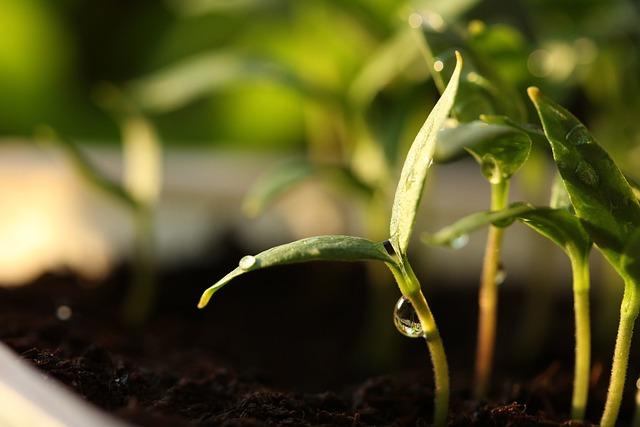
Before planting your squash seeds, it’s crucial to ensure they are viable and of high quality. Here are some helpful methods to test seed germination:
- Water Test: Place a few seeds in a glass of water. Allow them to soak for 12-24 hours. If the seeds sink to the bottom, they are likely viable. Floating seeds may be non-viable and should be discarded.
- Paper Towel Method: Moisten a paper towel and fold it. Place 10 seeds on one half, then fold it over. Keep it in a warm location and check every few days. After 7-10 days, count how many seeds have sprouted to determine their germination rate.
- Soil Test: Plant a small number of seeds in a pot with moist soil. Water them lightly and place them in a warm spot. Monitor growth for 1-2 weeks to assess germination success.
In addition to testing for germination, consider evaluating the seeds for quality:
- Visual Inspection: Look for seeds that are plump and firm. Avoid those that are shriveled or discolored.
- Storage Conditions: Ensure that seeds have been stored in a cool, dry place to maintain their quality and extend their shelf life.
- Expiration Dates: Always check for any dates indicating the seeds’ viability. Even well-preserved seeds may lose potency over time.
By implementing these testing methods, you will increase the likelihood of achieving a thriving squash garden.
Preparing Your Garden for Next Season: Planting Your Saved Seeds
Once the time comes to plant your saved squash seeds from last season, it is crucial to prepare your garden effectively to ensure a successful growth cycle. Here are some essential steps to consider:
- Assess Your Soil: Before planting, check your garden soil’s pH and nutrient levels. Squash thrives in well-draining soil enriched with organic matter. Conduct a soil test and amend as necessary.
- Choose the Right Time: Timing is key when planting your seeds. Generally, squash should be sown after the last frost date in your area, when the soil temperature is consistently above 60°F (15°C).
- Prepare Planting Beds: Clear the old plant debris from your garden beds, and till the soil to loosen it up. Consider creating raised beds, which can improve drainage and enhance root growth.
When planting your seeds, ensure you follow these guidelines for optimal results:
- Spacing: Plant seeds about 1 inch deep and 2 to 3 feet apart, as squash plants need ample space to spread and grow.
- Watering: After planting, water the seeds gently to keep the soil moist but not soggy. Establish a regular watering schedule as the seedlings emerge.
- Mulching: Adding a layer of mulch can help retain soil moisture, suppress weeds, and regulate soil temperature.
| Step | Details |
|---|---|
| Soil Check | Test pH and nutrient levels. |
| Planting Time | After last frost; soil > 60°F. |
| Seed Depth | 1 inch deep; space 2-3 feet apart. |
By adhering to these guidelines for planting your saved squash seeds, you can set the stage for a vibrant and productive garden that will flourish in the upcoming season.
FAQ
Q&A: How to Preserve Squash Seeds for Next Season
Q1: Why should I save squash seeds instead of buying new ones each season?
A: Saving your own squash seeds can be both economical and rewarding. By preserving seeds from your healthiest and best-tasting squash, you’re not only ensuring that you have a reliable supply of plants for next season, but you’re also contributing to the preservation of heirloom varieties and enhancing genetic diversity.
Q2: What types of squash seeds can I save?
A: You can save seeds from most types of squash, including summer squash (like zucchini) and winter squash (like butternut and acorn). However, if you’re saving seeds from hybrid varieties, keep in mind that the offspring may not exhibit the same characteristics as the parent plant.
Q3: When is the best time to harvest squash seeds?
A: The best time to harvest seeds is when the squash is fully ripe. For summer squash, this means waiting until the fruit is mature and has developed a thicker skin; for winter squash, let them remain on the vine until after the first frost, which will improve their flavor and seed quality.
Q4: How do I extract the seeds from the squash?
A: To extract the seeds, cut the squash open and scoop out the seeds along with the surrounding pulp. Place everything in a bowl and add some water. After letting it sit for a few minutes, the seeds will sink to the bottom while the pulp will float. Skim off the pulp and rinse the seeds to clean them thoroughly.
Q5: What’s the best way to clean and dry the seeds?
A: Once you’ve rinsed the seeds, spread them out on a clean towel or paper towel to dry. Make sure they’re in a single layer to ensure even drying. Let them dry for about a week in a well-ventilated area away from direct sunlight. Properly dried seeds will be firm to the touch.
Q6: How do I store the dried seeds for the best preservation?
A: Once completely dry, you can store seeds in paper envelopes or glass jars. Be sure to label each container with the variety and date of collection. Keep them in a cool, dark, and dry place to extend their viability. Avoid plastic bags, as they can trap moisture and lead to mold.
Q7: How long can I expect my preserved squash seeds to last?
A: If stored properly, most squash seeds can last for 4 to 6 years. However, germination rates may decline over time, so it’s a good practice to test a small batch before planting in large quantities.
Q8: Is there anything else I should know about saving squash seeds?
A: Yes! It’s helpful to practice good garden hygiene to prevent cross-pollination, especially if you’re saving seeds from different varieties. Consider isolating plants or growing varieties that bloom at different times. Keeping detailed records and notes on your plants can also make your future gardening endeavors much more successful.
Q9: Can I share my saved seeds with others?
A: Absolutely! Sharing seeds with friends or participating in seed exchanges is a wonderful way to promote gardening within your community. Just be sure to let them know whether the seeds are from heirloom, open-pollinated, or hybrid varieties.
Q10: What’s the final takeaway for someone new to saving squash seeds?
A: Start small and enjoy the process! Saving seeds can seem daunting at first, but it quickly becomes a simple and rewarding task. With a little practice and care, you’ll be well on your way to growing your own strains of squash for many seasons to come. Happy gardening!
In Summary
As we wrap up our journey into the world of squash seed preservation, remember that the effort you put into saving these seeds will pay off when you see your garden flourish in the next growing season. By following the simple steps we’ve outlined, you’ll ensure that your favorite squash varieties continue to thrive and delight your taste buds for years to come. Plus, there’s nothing quite like the satisfaction of nurturing plants from seeds you’ve preserved yourself. So roll up your sleeves, get ready for some hands-on fun, and let your gardening journey continue! Happy planting!