How to Boil Ginger for Tea: Easy Steps
Are you ready to spice up your tea game? If your idea of a relaxing beverage is only a lukewarm cup of blah, then it’s time to kick it up a notch with a zesty infusion that practically sings to your taste buds! Enter ginger—a root so magical, it can transform your ordinary tea into a vibrant elixir of warmth and flavor. In this easy guide, we’ll show you just how to boil ginger for tea, ensuring you become the proud artisan of your very own soothing concoction. Trust us, your cup will be so good, even your inner coffee addict might just raise a pinky in salute! So grab your pot and let’s dive into the fiery fun of brewing some ginger tea that’s as easy as pie (but way better for your health)!
Article Contents
- Understanding the Health Benefits of Ginger Tea
- Choosing the Right Ginger for Your Tea
- Preparing Your Ginger: Cleaning and Cutting Techniques
- Boiling Ginger: Step-by-Step Instructions
- Enhancing Your Ginger Tea with Flavorful Additions
- Finding the Perfect Brewing Time for Optimal Taste
- Serving and Enjoying Your Ginger Tea Experience
- Storing Leftover Ginger Tea for Future Enjoyment
- FAQ
- Concluding Remarks
Understanding the Health Benefits of Ginger Tea
Ginger tea is not just a flavorful beverage; it comes packed with a myriad of health benefits that can significantly enhance your well-being. First and foremost, **ginger is renowned for its anti-inflammatory properties**, which can be particularly beneficial for individuals suffering from chronic pain or conditions like arthritis. By incorporating ginger tea into your daily routine, you may experience a reduction in inflammation and an improvement in mobility.
Additionally, **ginger tea aids in digestion**, helping alleviate common gastrointestinal issues such as nausea, bloating, and indigestion. It stimulates the production of digestive enzymes, resulting in better nutrient absorption. This makes it an excellent choice for those who often deal with stomach discomfort or simply want to enhance their digestive health.
Some other notable health benefits of ginger tea include:
- Boosted Immunity: Rich in antioxidants, ginger can strengthen your immune system, making you less susceptible to illnesses.
- Improved Circulation: Ginger acts as a natural blood thinner, promoting better circulation and cardiovascular health.
- Menstrual Pain Relief: Drinking ginger tea may alleviate menstrual cramps, providing a natural remedy during your cycle.

Choosing the Right Ginger for Your Tea
When it comes to crafting the perfect cup of ginger tea, the type of ginger you choose plays a crucial role in both flavor and health benefits. Here are some key points to consider:
- Fresh vs. Dried: Fresh ginger offers a zesty flavor and potent health benefits, while dried ginger is more concentrated and can have a softer, warmer taste.
- Source: Opt for organic ginger if possible. This not only ensures better quality but also minimizes exposure to harmful pesticides.
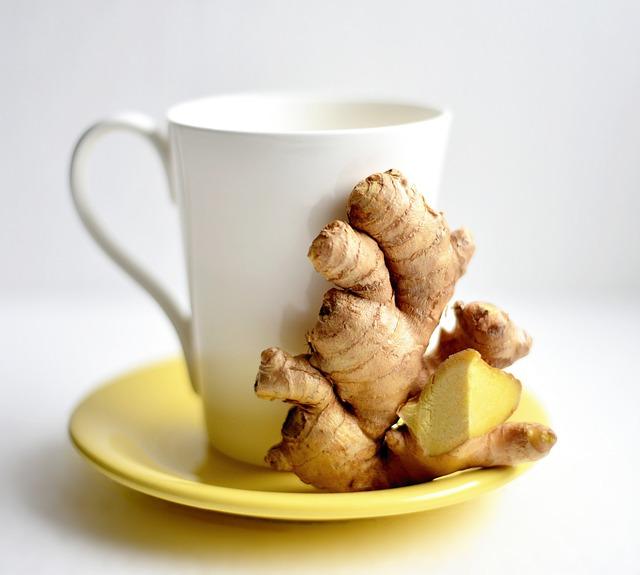
- Color and Texture: Look for ginger that has a firm texture with smooth, unblemished skin. Younger ginger has a light yellow color and tender flesh, which is ideal for tea.
If you’re in a grocery store or farmer’s market, don’t hesitate to ask for advice on selecting the best ginger. It can be beneficial to sample a piece if available; the aroma and taste can be informative indicators of its quality. For those sourcing ginger online, choose brands that emphasize freshness and proper storage methods to preserve flavor.

Preparing Your Ginger: Cleaning and Cutting Techniques
To ensure your ginger is clean and ready for boiling, start by rinsing it under cool running water. This helps remove any dirt or residues that may be clinging to the skin. You may want to use a soft brush to gently scrub the surface, especially if you’re using the ginger with its skin on. Once cleaned, dry it with a kitchen towel to prepare for cutting.
When it comes to cutting ginger, the method you choose depends on how you plan to use it in your tea. For a more robust flavor, consider slicing it into thin pieces. Here’s a quick guide:
- Peeling: You can use a spoon to scrape off the skin, which is often easier than using a knife.
- Slicing: Cut the ginger into thin rounds or half-moon shapes for maximum extraction of flavor.
- Dicing: For a stronger infusion, you might prefer to chop it into small cubes.
Below is a simple visual reference for these cutting techniques:
| Technique | Description | Flavor Strength |
|---|---|---|
| Peeling | Scrape skin off with a spoon | N/A |
| Slicing | Thin rounds or half-moon shapes | Moderate |
| Dicing | Small cubes for a bold flavor | Strong |

Boiling Ginger: Step-by-Step Instructions
Boiling ginger for tea is a straightforward process that allows you to harness its incredible health benefits and warming flavor. Follow these easy steps to enjoy your own homemade ginger tea:
- Gather Your Ingredients: You’ll need fresh ginger, water, and optional flavor enhancers like honey or lemon.
- Prepare the Ginger: Peel about 1-2 inches of fresh ginger root using a spoon or peeler. Slice it thinly to maximize flavor.
- Boil the Water: In a saucepan, bring 2-3 cups of water to a boil. Adjust the quantity depending on how many servings you’d like to make.
- Add Ginger: Once the water reaches a rolling boil, add the sliced ginger and reduce the heat to let it simmer.
Continue to simmer the ginger for about 10-15 minutes to get a robust flavor. The longer you simmer, the stronger and more pungent the tea will become. Feel free to customize your brew:
| Add-Ins | Benefits |
|---|---|
| Honey | Natural sweetener; soothing for the throat. |
| Lemon | Vitamin C boost; enhances flavor. |
| Cinnamon | Anti-inflammatory properties; pairs well with ginger. |
After the desired steeping time, strain the tea into a cup, discarding the ginger pieces. Enjoy your ginger tea hot, or let it cool and serve it over ice. This simple beverage is not only refreshing but also packed with health benefits, making it a perfect addition to your daily routine.
Enhancing Your Ginger Tea with Flavorful Additions
Enhancing your ginger tea can transform a simple beverage into a delightful experience. Here are some flavorful additions that pair beautifully with ginger:
- Honey: Sweeten the brew naturally while adding a hint of floral notes and soothing properties.
- Lemon Juice: A splash of lemon introduces a zesty brightness, complementing the warm spice of ginger.
- Cinnamon: Combining ginger with a stick of cinnamon imparts a cozy warmth and aromatic spice.
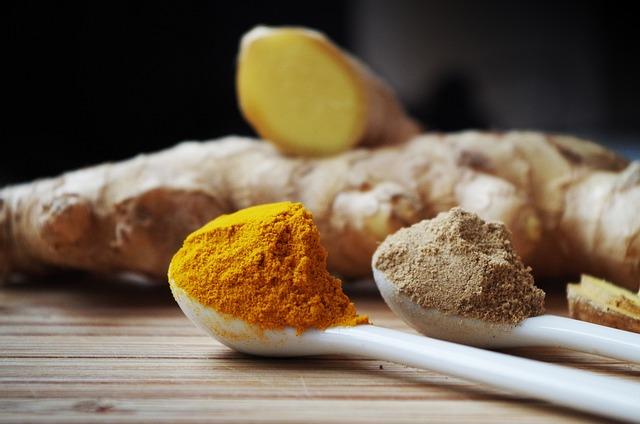
- Turmeric: This vibrant root not only adds a unique earthy flavor but also boosts anti-inflammatory benefits.
- Mint Leaves: Fresh mint brings a refreshing contrast, making the tea invigorating and cool.
You can experiment by creating your own blends! Here’s a simple comparison table to help you choose the right combination:
| Addition | Flavor Profile | Health Benefits |
|---|---|---|
| Honey | Sweet, floral | Antioxidant, soothing |
| Lemon Juice | Zesty, tart | Vitamin C boost |
| Cinnamon | Warm, spicy | Aids digestion, anti-inflammatory |
| Turmeric | Earthy, mild spice | Anti-inflammatory, antioxidants |
| Mint Leaves | Cool, refreshing | Digestive aid, stress relief |
With these additions, you can personalize your ginger tea to suit your taste and wellness needs. Enjoy experimenting with different combinations until you find your perfect blend!

Finding the Perfect Brewing Time for Optimal Taste
Determining the right brewing time is essential for unlocking the full flavor profile of your ginger tea. Too short, and you risk a weak, unexciting brew; too long, and the tea may become unpalatably bitter. Here are some tips to achieve that perfect balance:
- Start with Fresh Ginger: Fresh ginger will yield a more vibrant flavor compared to older roots. Choose a firm, juicy piece for the best results.
- Slice Thinly: Thin slices increase the surface area, allowing for quicker infusion of flavors. Aim for slices about 1/8-inch thick.
- Monitor Your Time: Generally, a brewing time of 10-15 minutes is perfect for extracting the zest of ginger while keeping it pleasantly spicy.
- Taste as You Go: Each batch can vary slightly depending on the ginger’s freshness, so taste your tea after 10 minutes. Adjust accordingly!
To help you gauge your preferences and achieve consistent results, consider creating a simple brewing chart:
| Ginger Type | Freshness Level | Recommended Brew Time |
|---|---|---|
| Fresh | Firm and Juicy | 10-12 minutes |
| Older | Slightly Wrinkled | 12-15 minutes |
| Dried | Store-Bought Powder | 5-8 minutes |
Experiment with these guidelines to find your perfect brew time, and enjoy a delicious cup of ginger tea that reflects your unique taste preferences!

Serving and Enjoying Your Ginger Tea Experience
Once your ginger tea is brewed to perfection, it’s time to indulge in the delightful experience it offers. Here are some thoughtful suggestions to enhance your ginger tea experience:
- Choose Your Cup: Opt for a ceramic or glass cup to enjoy the warm, soothing nature of ginger tea. The right vessel can elevate the experience.
- Add Flavor: Consider adding a touch of honey, a squeeze of fresh lemon, or a sprinkle of cinnamon to complement the ginger’s natural zing. Each addition brings a unique twist, enhancing both flavor and health benefits.
- Pair Wisely: Serve your ginger tea with light snacks such as herbal biscuits or fresh fruits, which will balance the flavors and elevate your overall snacking experience.
- Mindful Sipping: Take your time to sip and savor the warmth of the tea. This moment of mindfulness can be both relaxing and rejuvenating.
If you’re sharing this experience with friends or family, consider setting up a lovely tea station. Here’s a simple table to guide you in creating that inviting atmosphere:
| Item | Description |
|---|---|
| Fresh Ginger | Peel and slice for a more intense flavor. |
| Honey | A natural sweetener; choose raw for extra benefits. |
| Lemon Wedges | Add fresh juice for a zesty kick. |
| Cinnamon Sticks | Great for infusing warmth and spice. |
By focusing on these elements, you can create a warm, enjoyable atmosphere that allows both you and your guests to fully appreciate your ginger tea experience. Sit back, relax, and let the comforting aroma and flavors of ginger tea envelop you.

Storing Leftover Ginger Tea for Future Enjoyment
Storing leftover ginger tea is a practical way to save time and enjoy the benefits of this invigorating brew later. To ensure maximum freshness and flavor, follow these simple steps:
- Cool Completely: Allow your ginger tea to cool to room temperature before storing it. This helps to prevent condensation, which can dilute the flavor.
- Choose the Right Container: Use an airtight glass jar or a food-grade plastic bottle. This will keep the tea fresh and prevent it from absorbing unwanted odors from your fridge.
- Refrigerate: Store the ginger tea in the refrigerator if you plan to consume it within a week. For longer storage, consider freezing it.
If you decide to freeze your ginger tea, you can pour it into ice cube trays to create convenient portions:
| Method | Storage Time |
|---|---|
| Refrigerating | Up to 7 days |
| Freezing | Up to 3 months |
When you’re ready to enjoy your tea again, simply reheat the desired amount on the stove or in the microwave. With these storage tips, you can savor the refreshing taste of ginger tea whenever you like!
FAQ
Q&A: How to Boil Ginger for Tea: Easy Steps
Q1: What are the benefits of ginger tea?
A1: Ginger tea is renowned for its numerous health benefits. It can help with digestion, reduce inflammation, ease nausea, and even support your immune system. The spicy root is packed with antioxidants and has antibacterial properties, making it a great natural remedy for various ailments.
Q2: How do I select fresh ginger for tea?
A2: When selecting ginger, look for roots that are firm, smooth, and plump, with a fresh, spicy scent. Avoid any pieces that are dry, wrinkled, or have mold. If it has a strong aroma, that’s a great sign of freshness and potency, which will enhance your tea.
Q3: What do I need to prepare ginger tea?
A3: To prepare ginger tea, you’ll need fresh ginger, water, and any optional ingredients you might like to add, such as honey, lemon, or mint. For tools, have a knife, a cutting board, and a pot or kettle ready.
Q4: How much ginger should I use for a cup of tea?
A4: A good starting point is to use about 1-2 inches of fresh ginger root for one cup of tea. If you prefer a stronger flavor, you can always increase the ginger amount as per your taste.
Q5: What are the steps to boil ginger for tea?
A5: Here’s a simple process:
- Prepare the Ginger: Wash and peel the ginger root using a spoon or knife, then slice or chop it thinly.
- Boil Water: In a pot, bring about 2 cups of water to a rolling boil.
- Add Ginger: Once the water is boiling, add your prepared ginger slices and let it simmer for about 10-15 minutes, depending on how strong you want the flavor.
- Strain: After simmering, strain the tea into a cup to remove the ginger pieces.
- Customize: Add honey, lemon, or any of your favorite ingredients for additional flavor. Enjoy your warm cup of ginger tea!
Q6: Can I reuse the ginger for another cup of tea?
A6: Yes, you can reuse the ginger pieces for a second round of tea! While the flavor may be milder, it still makes for a refreshing cup. Just simmer the ginger in fresh water for a shorter time—about 5-10 minutes.
Q7: How should I store leftover ginger?
A7: Store leftover ginger in a cool, dry place. You can keep it in the refrigerator in a paper bag to extend its freshness, or freeze it for longer storage. Just remember to peel and slice before freezing for easy use later!
Q8: Is ginger tea safe for everyone?
A8: While most people can enjoy ginger tea safely, those on certain medications, particularly blood thinners, or those with specific health conditions should consult a healthcare provider. Always listen to your body and enjoy ginger in moderation.
Feel free to explore the warming and invigorating experience of boiling ginger for tea; it’s a simple ritual that can offer numerous health benefits and a delightful flavor!
Concluding Remarks
And there you have it! Boiling ginger for a warm and invigorating tea is not only easy, but it also opens the door to a world of health benefits and vibrant flavors. Whether you’re looking to soothe a sore throat, boost your immunity, or simply enjoy a delightful cup of tea, fresh ginger is your go-to ingredient. Remember, the key is to experiment with steeping times and additional ingredients, like honey or lemon, to find your perfect blend. So, gather your ingredients, boil that ginger, and sip your way to wellness. Happy brewing!