How to Dry Herbs for Tea: Simple Methods
Are you tired of staring at those fresh herbs wilting away in your fridge, silently plotting their revenge? Don’t let your mint and chamomile suffer a slow demise when you could turn them into aromatic tea delights that would make even the most sophisticated tea aficionados swoon! In this article, we’ll spill the secrets on drying herbs like a pro—because let’s face it, your herbal game needs an upgrade. From hanging methods that will make you feel like an artisan to speedy techniques that produce results faster than a teapot can boil, we’ve got methods that are as simple as they are foolproof. So grab your scissors, channel your inner herbal guru, and let’s dive into the world of making the most of your garden bounty!

Article Contents
- Choosing the Right Herbs for Your Tea Experience
- Preparation Techniques for Optimal Drying
- Exploring Air Drying: A Time-Honored Method
- Harnessing the Power of Dehydrators for Quick Drying
- Using an Oven for Efficient Herb Drying
- Storing Your Dried Herbs for Maximum Freshness
- Making the Most of Your Dried Herbs in Tea Blends
- Troubleshooting Common Drying Issues and Tips for Success
- Frequently Asked Questions
- Key Takeaways
Choosing the Right Herbs for Your Tea Experience
When it comes to enhancing your tea experience, the choice of herbs can significantly impact flavor, aroma, and even health benefits. Here are some popular herbs to consider for your homemade tea blends:
- Chamomile: Known for its calming effects, chamomile is perfect for evening tea.
- Peppermint: Refreshing and invigorating, peppermint tea can aid digestion and uplift your mood.
- Ginger: Spicy and warming, ginger not only enhances flavor but also supports the immune system.
- Lavender: Floral and soothing, lavender is ideal for reducing stress and promoting relaxation.
- Hibiscus: Tart and vibrant, hibiscus tea offers antioxidants and a delightful blush color.
When selecting herbs, consider the overall profile you desire. Are you looking for a sweet, soothing cup or something zesty and stimulating? Creating unique blends can be an enjoyable experiment, allowing you to tailor your teas to your taste and wellness needs. Keep in mind that some herbs may have stronger flavors and health properties than others, so a little trial and error will help you find that perfect balance.
As you explore the world of herbal teas, you might find it beneficial to create a simple reference chart of your favorites:
| Herb | Flavor Profile | Health Benefits |
|---|---|---|
| Chamomile | Sweet and floral | Calming, aids sleep |
| Peppermint | Refreshing and cool | Aids digestion, boosts mood |
| Ginger | Spicy and warming | Anti-inflammatory, immune support |
| Lavender | Floral and herbaceous | Reduces stress, promotes relaxation |
| Hibiscus | Tart and fruity | Rich in antioxidants, supports heart health |

Preparation Techniques for Optimal Drying
To ensure your herbs dry optimally and retain their natural flavors and aromas, starting with the right preparation is crucial. Here are effective techniques to consider:
- Choose the Right Time: Harvest your herbs in the morning after the dew has evaporated but before the sun is too strong. This helps capture the essential oils, which are most concentrated at this time.
- Clean Thoroughly: Gently rinse the herbs in cool water to remove any dirt or pests. Take care to avoid bruising the leaves, which can lead to a loss of flavor.
- Trim and Sort: Remove any damaged or wilted leaves as well as any stems that are too woody. Keep similar herbs together, as each type may have different drying times.
Next, consider how you plan to dry your herbs. You can choose from several methods depending on your preferences and available resources:
| Drying Method | Description | Best Herbs |
|---|---|---|
| Air Drying | Bundle herbs and hang them upside down in a cool, dry, dark place. | Basil, Mint, Oregano |
| Oven Drying | Spread herbs on a baking sheet and place them in a low-temperature oven. | Thyme, Rosemary, Sage |
| Dehydrator Drying | Use a food dehydrator set at a low temperature for efficient drying. | Dill, Parsley, Cilantro |
By following these preparation techniques, you’ll set the stage for successfully drying herbs that enhance your teas with vibrant, authentic flavors.

Exploring Air Drying: A Time-Honored Method
Air drying is one of the oldest and most effective techniques for preserving herbs, allowing their natural oils and flavors to concentrate while ensuring peak quality for your herbal tea. This method requires minimal materials and can be accomplished in any space with adequate airflow, making it accessible for anyone looking to enhance their herbal collection.
To successfully air dry your herbs, follow these simple steps:
- Harvest at the Right Time: Gather your herbs in the morning after the dew has dried but before the sun gets too hot, ensuring maximum flavor and potency.
- Choose a Dry Location: Select a dark, well-ventilated area such as a cellar or a room with low humidity to prevent mold and preserve color.
- Bunch Them Up: Tie herbs in small bundles with string or rubber bands, keeping them loose enough for air to circulate around each stem.
- Hang Upside Down: Hang the bundles from a nail or hook, allowing gravity to facilitate the drying process and keep the leaves intact.
Depending on the herb and environmental conditions, drying may take anywhere from a few days to several weeks. Once fully dried, the leaves should crumble easily, indicating readiness for storage. Store your herbs in airtight containers, away from light and heat, to maintain their flavor and aroma for your next delicious cup of tea.

Harnessing the Power of Dehydrators for Quick Drying
Using a dehydrator can significantly streamline the process of drying herbs, making it a valuable tool for any herbal tea enthusiast. This method not only speeds up drying time but also helps retain the essential oils and flavors that can sometimes be lost with traditional air drying. Here are some advantages to utilizing a dehydrator:
- Efficiency: Dehydrators can dry a variety of herbs evenly and quickly, often within a few hours.
- Controlled Environment: With adjustable temperature settings, you can ensure that herbs dry at the optimal heat without risking damage from excessive heat or humidity.
- Versatility: These machines are equipped to handle more than just herbs; you can also dry fruits, vegetables, and even meats!
When using a dehydrator, it’s essential to prepare your herbs properly. Start by rinsing them gently to remove any dirt and patting them dry with a paper towel. Removing any damaged leaves will prevent them from affecting the overall quality of your dried product. Once prepped, spread the herbs evenly on the dehydrator trays, ensuring adequate airflow. Generally, a temperature of 95°F (35°C) is ideal for herb drying to preserve the smell and taste.
| Herb | Drying Time | Optimal Temperature |
|---|---|---|
| Basil | 3-4 hours | 95°F (35°C) |
| Mint | 2-3 hours | 95°F (35°C) |
| Sage | 3-5 hours | 95°F (35°C) |
Once the herbs have been dried to a crisp, allow them to cool before packaging them in airtight containers. This will help maintain their freshness and potency for your future tea brews. Using a dehydrator not only simplifies the drying process, but it also opens up exciting possibilities for preserving your favorite herbs year-round.

Using an Oven for Efficient Herb Drying
For those seeking a quick and effective method to dry herbs, using your kitchen oven can be an excellent solution. The key is to use low heat to preserve the essential oils and flavors of your herbs. Here’s how to get started:
- Preheat your oven to a low temperature, ideally between 180°F to 200°F (about 82°C to 93°C).
- Prepare the herbs by washing them thoroughly and patting them dry with a clean towel. Remove any damaged or wilted leaves.
- Spread the herbs on a baking sheet lined with parchment paper. Ensure they are laid out in a single layer to allow for even drying.
- Monitor frequently as the herbs dry, which usually takes about 1 to 3 hours depending on the type of herb and its moisture content. You want them to feel crispy but not burnt.
- Store properly once cooled in an airtight container in a cool, dark place to maintain their flavor and potency.
Here’s a brief guide to common herbs and their optimal drying times:
| Herb | Drying Time (hours) |
|---|---|
| Basil | 1-2 |
| Thyme | 1-3 |
| Oregano | 2-4 |
| Mint | 1-2 |
By utilizing your oven for this process, you can efficiently harness the flavors of your herbs, ensuring that you always have an aromatic stash ready for your next cup of tea.

Storing Your Dried Herbs for Maximum Freshness
To keep your dried herbs bursting with flavor and aroma, proper storage is key. Begin by ensuring your herbs are completely dry before storing; any residual moisture can lead to mold and spoilage. Once dried, choose the right container to maintain freshness. Glass jars with airtight lids are ideal as they protect against light and air.
- Keep herbs whole: Storing whole leaves instead of crumbling them preserves their essential oils and flavor.
- Choose a cool, dark place: A pantry or a cupboard away from heat sources will prevent degradation.
- Label your jars: Include the herb name and date of storage to keep track of freshness.
For optimal longevity, consider placing a small desiccant packet in each jar to absorb any moisture. Additionally, herbs can last different durations depending on the type, as shown in the table below:
| Herb Type | Shelf Life (Months) |
|---|---|
| Basil | 6-12 |
| Thyme | 3-4 |
| Rosemary | 6-12 |
| Oregano | 3-4 |
| Sage | 6-12 |
By following these simple storage tips, your dried herbs will remain flavorful and ready for your favorite tea blends, ensuring that every cup is as vibrant as the first.
Making the Most of Your Dried Herbs in Tea Blends
Dried herbs can elevate your tea blends, transforming an ordinary cup into an aromatic experience. To maximize their potential, consider a few essential tips:
- Choose the Right Herbs: Not all herbs are created equal when it comes to drying. Opt for herbs known for maintaining their flavor and aroma, such as mint, lavender, and chamomile.
- Crush or Break: Gently crushing dried herbs before steeping can release more essential oils, resulting in a richer flavor.
- Combine Wisely: Experiment with various herb combinations to create unique blends. For instance, try mixing lemongrass with ginger for a zesty kick, or rosemary with green tea for an earthy tone.
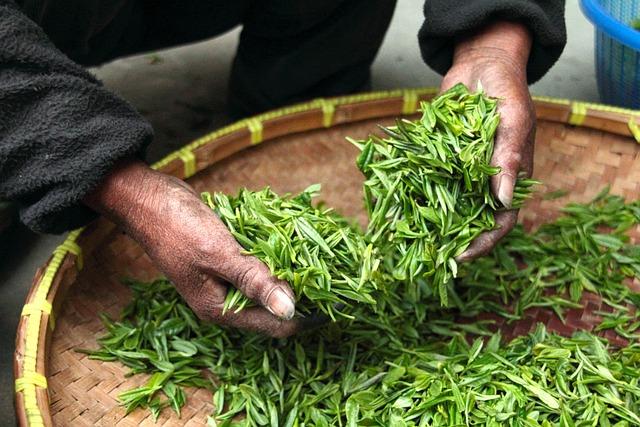
When preparing your tea, steep the dried herbs for an adequate amount of time. Generally, 5 to 10 minutes works well, but be mindful that stronger herbs may require less steeping time to avoid bitterness. You can also consider incorporating a bit of honey or lemon to enhance the flavor further. The goal is to discover the balance that excites your palate.
| Herb | Flavor Profile | Best Pairings |
|---|---|---|
| Mint | Cool & Refreshing | Green tea, Citrus |
| Chamomile | Floral & Sweet | Lavender, Honey |
| Rosemary | Piney & Earthy | Black tea, Lemon |
Troubleshooting Common Drying Issues and Tips for Success
When drying herbs for tea, you might encounter a few common challenges that can affect the quality of your final product. Addressing these issues swiftly can enhance your herbal tea experience. One frequent problem is moisture retention, which can lead to mold and spoilage. To avoid this, ensure that your herbs are dried in a well-ventilated area and check them regularly for any signs of dampness. Additionally, if you’re using a dehydrator, set the temperature appropriately; too high can scorch the herbs while too low can prolong the drying process.
Another issue is color fading. Vibrant colors contribute to the visual appeal of your tea. To retain the herb’s natural hues, consider using low heat when drying and store your herbs in dark, airtight containers away from light once dried. If you’re dealing with commercial herb harvesting, ensure they are harvested at the right time—before blooming for flowers and at their peak for leaves. Here’s a handy table summarizing some common drying issues and their solutions:
| Issue | Solution |
|---|---|
| Moisture Retention | Dry in a ventilated area and check regularly. |
| Color Fading | Use low heat and store in dark containers. |
| Loss of Flavor | Harvest at peak time and avoid prolonged exposure to air. |
Lastly, keep in mind that the drying time can vary depending on the herb. For example, delicate herbs like basil typically take less time compared to thicker stems like rosemary. Always test your herbs for dryness by crumbling a few; they should break easily if sufficiently dried. By staying attentive to these aspects, you’ll master the art of drying herbs for tea and enjoy a perfect cup every time.
Frequently Asked Questions
Q&A: How to Dry Herbs for Tea – Simple Methods
Q: Why should I dry herbs for tea instead of using fresh ones?
A: Drying herbs concentrates their flavors and makes them shelf-stable, allowing you to enjoy your favorite herbal teas year-round. Dried herbs also have a longer shelf life, so you can preserve the bounty from your garden or farmer’s market.
Q: What herbs are best for drying and making tea?
A: Some popular herbs for drying include chamomile, mint, lavender, lemon balm, and hibiscus. However, feel free to experiment with other herbs you enjoy! Just make sure they’re safe for consumption.
Q: What are the easiest methods to dry herbs at home?
A: There are several simple methods to dry herbs at home:
-
Air Drying: Bundle your herbs and hang them upside down in a dry, dark place with good airflow. This method works well for most herbs.
-
Oven Drying: Spread herbs on a baking sheet and place them in the oven at the lowest temperature (around 130°F or 54°C) for about 1 to 3 hours. Keep the door slightly open to let moisture escape.
-
Dehydrator: If you have a food dehydrator, this can be an effective way to dry herbs quickly and efficiently. Follow the manufacturer’s instructions for temperature and time.
-
Microwave Drying: Place herbs between paper towels and microwave them in short bursts (15–30 seconds) until they crumble. This method is fast but may slightly alter the flavor.
Q: How do I know when my herbs are completely dried?
A: Dried herbs should feel brittle and crumble easily when rubbed between your fingers. If there’s still moisture, return them to the drying process to prevent mold.
Q: How should I store dried herbs for the best flavor?
A: Store dried herbs in an airtight container, away from light, heat, and moisture. Glass jars or dark-colored containers work well. For the best flavor, use the herbs within a year, although many can last longer if stored properly.
Q: Can I dry mixed herbs together, or should I dry them separately?
A: It’s best to dry herbs separately, especially if they have different drying times or moisture levels. Mixing herbs can lead to uneven drying, which affects flavor and storage.
Q: How do I use dried herbs to make tea?
A: A general guideline is to use 1 teaspoon of dried herbs per cup of water. Steep the herbs in hot water for about 5 to 10 minutes, then strain and enjoy! You can adjust the amount based on your taste preferences.
Q: Any tips for maximizing flavor when drying herbs?
A: Harvest herbs in the morning after the dew has evaporated for the best flavor. Using fresh, healthy plants without blemishes or signs of disease is crucial. Also, consider drying your herbs in small batches to maintain their potency.
Q: Are there any herbs to avoid drying or using in tea?
A: Yes, some herbs, like fresh basil and parsley, are better used fresh and may lose their flavor when dried. Always ensure the herbs you choose are safe for consumption and have culinary or medicinal uses you’re aware of.
Q: Can I blend different dried herbs to create my own tea blends?
A: Absolutely! Blending dried herbs can lead to delightful and unique flavors. Just keep in mind the flavor profiles and properties of each herb to create a balanced tea.
Conclusion:
Drying herbs for tea is a rewarding and delightful process that opens up a world of flavor and health benefits! Whether you choose to air dry, oven dry, or use a dehydrator, you’ll be able to savor your favorite herbal flavors long after the growing season has ended. Enjoy experimenting!
Key Takeaways
drying herbs for tea is not only a practical skill but also a rewarding experience that can elevate your tea-drinking ritual. Whether you choose to air dry, use a dehydrator, or opt for an oven method, the key is to preserve the vibrant flavors and aromas of your herbs. Take the time to experiment with different techniques and discover what works best for you. Soon, you’ll be sipping on your own personalized herbal blends, bringing a touch of nature’s goodness right into your cup. So, gather those fresh herbs, unleash your inner herbalist, and enjoy the delightful journey of crafting your very own tea! Happy brewing!