How to Make Herb Infused Oil for Skin? DIY Natural Skincare
Are you tired of skincare products that sound more like a chemistry experiment than a pampering session? Do you dream of whipping up your own magical potions that delight your skin without leaving you feeling like a mad scientist? Well, buckle up, because “How to Make Herb Infused Oil for Skin? DIY Natural Skincare” is here to transform your kitchen into a divine apothecary!
Say goodbye to mysterious ingredients you can’t pronounce and hello to the delightful world of herbal infusions! In this article, we’ll guide you through the simple art of creating your own herb-infused oils, perfect for lathering on your skin and channeling your inner DIY diva. You’ll be infusing oils with botanicals that not only smell heavenly but also nourish your skin. Spoiler alert: you may never want to buy another overpriced skincare product again! So grab a jar, some herbs, and let’s embark on this aromatic adventure together!
Article Contents
- Understanding the Benefits of Herb Infused Oils for Skin Health
- Choosing the Right Herbs for Your Infused Oil
- Gathering Your Ingredients and Supplies for DIY Creation
- Step-by-Step Guide to Making Herb Infused Oil at Home
- Storage Tips to Preserve Your Infused Oils
- How to Incorporate Herb Infused Oils into Your Skincare Routine
- Exploring Creative Uses for Your Herb Infused Oils
- Faq
- Closing Remarks
Understanding the Benefits of Herb Infused Oils for Skin Health
Herb-infused oils are not just a beautifying trend; they serve a multitude of benefits that can greatly enhance skin health. By extracting the therapeutic properties of herbs into the base oil, you can create a potent blend that hydrates, nourishes, and rejuvenates the skin. When using these oils, you can enjoy **anti-inflammatory**, **antibacterial**, and **antioxidant** properties that help combat common skin issues.
Some key benefits include:
- Hydration: Many herb-infused oils, such as chamomile and lavender, provide deep moisture, making them an excellent choice for dry or sensitive skin.
- Healing: Herbs like calendula and rosemary promote skin cell regeneration, speeding up the healing of wounds and reducing the appearance of scars.
- Soothing: Infusions of herbs like aloe vera and mint can calm irritated skin and reduce redness, making them ideal for those with sensitive or acne-prone skin.
Utilizing these herb-infused oils in your skincare routine can lead to a more radiant and balanced complexion. Each oil caters to unique skin needs, allowing for personalized treatment options. Whether you aim to combat dryness, soothe irritation, or simply add a layer of nourishment, these oils present an effective, natural solution for enhancing overall skin well-being.
Choosing the Right Herbs for Your Infused Oil
When creating infused oil, the selection of herbs can significantly influence the oil’s therapeutic properties and fragrance. Choosing the right herbs not only contributes to the benefits of the oil but also enhances its sensory experience. Here are some points to consider:
- Skin Concerns: Select herbs based on your skin type or specific issues. For example, chamomile and calendula are excellent for sensitive skin, while rosemary and peppermint can invigorate and clarify oily skin.
- Fragrance: The aroma of your infused oil is crucial for a pleasant application. Lavender and vanilla bean offer soothing scents, making them perfect for relaxation, whereas lemon balm and basil can provide a refreshing, uplifting experience.
- Healing Properties: Research the medicinal benefits of each herb. St. John’s Wort is known for its anti-inflammatory properties, while eucalyptus can be beneficial for its antiseptic qualities.
Understanding the properties of various herbs allows you to personalize your infused oil. Below is a quick reference table showcasing a few popular herbs and their benefits:
| Herb | Benefits |
|---|---|
| Lavender | Soothing, anti-inflammatory, great for calming. |
| Rosemary | Stimulating, antioxidant, invigorates dull skin. |
| Calendula | Healing, anti-inflammatory, perfect for sensitive skin. |
| Peppermint | Cooling, refreshing, can help with blemishes. |
By carefully selecting herbs that align with your skin’s needs and your personal preferences, you can create an infused oil that is both effective and enjoyable to use.
Gathering Your Ingredients and Supplies for DIY Creation
To embark on your journey of crafting a luxurious herb-infused oil for your skin, it’s essential to gather the right ingredients and supplies. This process not only enriches your skincare routine but also allows you to connect with the natural world. Below, you’ll find a comprehensive list of what you’ll need to ensure a successful DIY experience.
- Herbs: Choose fresh or dried herbs such as rosemary, lavender, chamomile, or calendula. Each herb offers unique benefits, so select ones that suit your skin’s needs.
- Carrier Oil: Select a high-quality oil like olive, jojoba, or sweet almond oil. These oils serve as the base for your infusion and provide nourishment to your skin.
- Glass Jar: Use a clean glass jar with a tight-fitting lid to preserve your infused oil effectively.
- Strainer or Cheesecloth: For filtering out the herbs after infusion, a fine mesh strainer or a cheesecloth works perfectly.
- Dark Glass Bottle: To store your finished product, choose a dark glass bottle to protect the oil from light, ensuring its longevity.
With your ingredients laid out, you’re well on your way to creating a soothing and beneficial potion for your skin. Ensure that all your supplies are clean and dry to promote the longevity and effectiveness of your infused oil. As you progress, it’s also helpful to have a small funnel on hand for easy bottling.
Step-by-Step Guide to Making Herb Infused Oil at Home
Creating your own herb-infused oil is a delightful way to harness the power of nature for your skincare routine. Here’s how you can make your very own infusion at home:
- Choose Your Herbs: Opt for fresh herbs like rosemary, lavender, or chamomile, known for their skin-loving properties.
- Select a Carrier Oil: Use oils such as jojoba, almond, or olive oil, which not only possess moisturizing qualities but also serve as great bases for infusion.
- Prep Your Ingredients: Rinse your herbs to remove any dirt, then chop them finely to increase the surface area for infusion.
- Combine: Place your herbs in a clean glass jar and cover them with your chosen oil, ensuring they are fully submerged.
- Infuse: Seal the jar tightly and let it sit in a warm, dark place for 1-2 weeks. Shake it gently every few days to mix the contents.
- Strain and Store: After the infusion period, strain the oil using a fine mesh strainer or cheesecloth. Store it in a clean amber or dark glass bottle to protect it from light.
For a quick reference on some popular herbs and their benefits, see the table below:
| Herb | Skin Benefits |
|---|---|
| Lavender | Soothing and calming; helps to reduce inflammation. |
| Rosemary | Rich in antioxidants; revitalizes and promotes circulation. |
| Chamomile | Anti-inflammatory; perfect for sensitive skin. |
| Calendula | Promotes healing; great for dry or damaged skin. |
Your homemade herb-infused oil can be used in various ways: as a moisturizer, a massage oil, or even as an ingredient in your DIY skincare formulations. Enjoy the process and the benefits of crafting your own natural products!
Storage Tips to Preserve Your Infused Oils
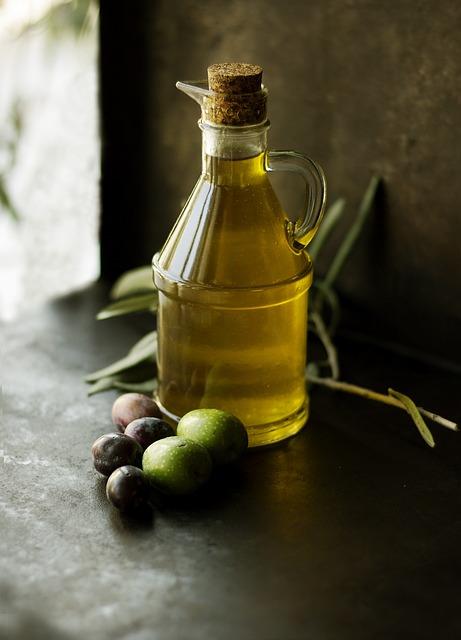
To ensure your infused oils retain their quality and beneficial properties, proper storage is crucial. Here are some essential tips:
- Choose the Right Container: Use dark glass bottles, like amber or cobalt, to protect the oil from light exposure, which can degrade its potency. Skin-friendly materials, such as glass, will also prevent any unwanted reactions with the oil.
- Keep it Cool: Store your infused oils in a cool, dark place, away from heat sources like stoves, sunlight, or windows. A pantry or a cupboard works best to maintain a stable temperature.
- Seal It Tight: Ensure the containers are tightly sealed to minimize air exposure, which can lead to oxidation and rancidity.
For longer shelf life, consider labeling your bottles with the infusion date and any ingredients used. Most infused oils can last anywhere from six months to a year when stored properly. To help you determine the best storage duration for your infused oils, refer to the following table:
| Type of Infused Oil | Recommended Shelf Life |
|---|---|
| Herb Infused Oil | 6-12 months |
| Garlic Infused Oil | 1 month (refrigerated) |
| Citrus Infused Oil | 6 months |
| Chili Infused Oil | 6-12 months |
By following these tips, you can enjoy your homemade infused oils for many months, harnessing their natural benefits as part of your skincare routine.
How to Incorporate Herb Infused Oils into Your Skincare Routine
Incorporating herb-infused oils into your skincare routine can elevate your daily regimen, providing nourishment and enhancing the natural vitality of your skin. Whether you choose to create your own or purchase ready-made options, these oils offer a variety of benefits that cater to different skin types and concerns. Here are some effective ways to integrate these blends into your skincare practices:
- Moisturizer Booster: Add a few drops of herb-infused oil to your regular moisturizer. This infusion will amplify hydration and provide additional nourishment, particularly beneficial for dry or aging skin.
- Facial Massage: Use the oil as a medium during facial massage. Its smooth texture allows for better glide, helping to stimulate blood circulation while also delivering the oil’s therapeutic properties into the skin.
- DIY Face Masks: Mix herb-infused oil with natural ingredients like honey, yogurt, or clay to create a soothing facial mask. This blend will leverage the oil’s skin-enhancing effects, promoting a radiant complexion.
- Cuticle and Nail Care: Apply herb-infused oil to your cuticles and nails. This not only nourishes the nails but also provides a lovely sheen while keeping your cuticles healthy and hydrated.
To better understand which herb-infused oils may best suit your skin type, refer to the comparison table below:
| Herb-Infused Oil | Best For | Key Benefits |
|---|---|---|
| Lavender Oil | All Skin Types | Calming, anti-inflammatory, promotes relaxation |
| Chamomile Oil | Sensitive Skin | Soothing, anti-redness, promotes healing |
| Rosemary Oil | Oily Skin | Balancing, astringent, stimulates circulation |
| Calendula Oil | Dry/Cracked Skin | Healing, moisturizing, anti-inflammatory |
With such versatile applications, herb-infused oils can seamlessly fit into any skincare routine, providing both functional benefits and enhancing your self-care rituals.
Exploring Creative Uses for Your Herb Infused Oils
Herb-infused oils are a powerhouse in natural skincare, opening up a world of creative possibilities for enhancing your beauty routine. These oils can be used in various ways, each bringing unique benefits and delightful aromas. Consider incorporating them into your daily regimen with these innovative ideas:
- Moisturizing Body Oil: Simply massage a few drops of your infused oil onto your skin after a shower. It locks in moisture while delivering the healing properties of the herbs.
- Conditioning Hair Elixir: Apply the oil to the ends of your hair to nourish dry strands and enhance shine. Heat protection and nourishment have never been easier!
- Soothing Bath Soak: Add several tablespoons of your herb-infused oil to a warm bath. This will create a luxurious experience, enveloping your skin with the natural goodness of the herbs.
Another creative avenue is incorporating your infused oils into homemade skincare products. Use them as a base for:
| Product | Use |
|---|---|
| Face Serum | Blend with essential oils for a nourishing treatment. |
| Massage Oil | Enhance relaxation and promote wellness. |
| Lip Balm | Give hydration and flavor while protecting lips. |
The versatility of herb-infused oils not only enriches your skincare journey but also allows you to express creativity in your natural beauty routine. With every application, you can enjoy the fragrant essence and therapeutic benefits, making self-care a truly enriching experience.
Faq
Q&A: How to Make Herb Infused Oil for Skin? DIY Natural Skincare
Q: What is herb-infused oil and why is it beneficial for skin?
A: Herb-infused oil is a carrier oil that has been infused with the properties of herbs. This infusion extracts the beneficial compounds from the herbs, making the oil rich in vitamins, antioxidants, and anti-inflammatory agents. When applied to the skin, these oils can help soothe conditions like eczema, hydrate dry skin, and provide a natural glow.
Q: What type of herbs should I use for infusing oil?
A: The choice of herbs depends on your skin type and desired benefits. For relaxing and calming properties, you might consider chamomile or lavender. For their anti-inflammatory benefits, calendula or nettle is excellent. If you’re looking for moisturization, herbs like rosemary or peppermint can invigorate and nourish. Always choose organic herbs to avoid pesticides and chemicals.
Q: What carrier oils are best for herb infusion?
A: Some of the best carrier oils for infusing herbs include olive oil, jojoba oil, grapeseed oil, and sweet almond oil. Each has its unique properties; for instance, jojoba oil closely resembles the skin’s natural oils, making it great for all skin types, while olive oil is deeply moisturizing.
Q: How do I make herb-infused oil? Is it complicated?
*A: Not at all! Making herb-infused oil is a straightforward process. Here’s a simple method:
- Choose your herbs and carrier oil.
- Chop the herbs finely to increase surface area.
- Place the herbs in a glass jar and cover them completely with the oil.
- Seal the jar and let it sit in a warm, sunny spot for 1-2 weeks, shaking it gently every day.
- After 1-2 weeks, strain the oil through a cheesecloth or fine mesh sieve to remove the herbs. Store your infused oil in a dark bottle to preserve its potency. Voilà! You’ve made your own herb-infused oil.*
Q: How do I store herb-infused oil, and how long will it last?
A: Store your herb-infused oil in a dark, airtight container in a cool place, away from direct sunlight. When stored properly, it can last up to 6-12 months. However, always check for any off smells or changes in color before use to ensure it’s still good.
Q: Can I use herb-infused oil for cooking too?
A: Yes, absolutely! Herb-infused oils can be versatile. If you’re infusing your oil with culinary herbs like basil or oregano, it’s not only great for skincare but can also be used in salads or for drizzling over dishes. Just be mindful of which herbs you choose based on their intended use!
Q: Are there any safety tips I should keep in mind?
A: Yes, it’s essential to perform a patch test before applying the infused oil to a large area of your skin, especially if you’re trying new herbs. Additionally, some herbs can photosensitize the skin (make it more sensitive to sunlight), so it’s wise to avoid using those on areas exposed to the sun.
Q: Where can I learn more about natural skincare and DIY projects?
A: There are plenty of great resources online, from blogs to YouTube channels dedicated to natural skincare. Books on herbal medicine and DIY skincare can also provide in-depth knowledge and recipes. Always look for credible sources and communities that resonate with your values!
Feel free to dive into the wonderful world of DIY natural skincare with herb-infused oils; it’s not only beneficial for your skin but also a fulfilling and rewarding process!
Closing Remarks
creating your own herb-infused oil is not only a rewarding DIY project but also a fantastic way to elevate your skincare routine with the natural goodness of herbs. Whether you’re looking to soothe, nourish, or rejuvenate your skin, these infused oils can offer a tailored approach to your self-care. With just a few simple ingredients and a bit of patience, you can harness the power of nature right in your kitchen. So why not give it a try? Your skin will thank you, and you might just discover a new favorite addition to your natural skincare arsenal. Happy crafting!