How to Use Essential Oils for Massage? Relax and Rejuvenate
Imagine this: you’ve had a long, tiring day, and the thought of unwinding with a soothing massage sounds like the only remedy for those knotted muscles. Now, what if we told you that a single drop of nature’s liquid gold—essential oils—could elevate that experience from a simple rubdown to a euphoric retreat? Yes, you heard it! In this article, “How to Use Essential Oils for Massage? Relax and Rejuvenate,” we’ll show you how to turn your ordinary massage into an aromatic adventure of relaxation and rejuvenation. Say goodbye to the stiff shoulders of life and hello to a world of blissful tranquility—without needing a vacation (or even leaving your living room). Whether you’re a pro at pampering or a first-timer wondering what the fuss is all about, we’ve got the tips and giggles to guide you every aromatic step of the way. Get ready to unleash the power of essential oils and let the good vibes roll—because you deserve this!
Article Contents
- Understanding the Benefits of Essential Oils in Massage Therapy
- Choosing the Right Essential Oils for Relaxation and Rejuvenation
- Dilution and Safety: How to Properly Use Essential Oils
- Tips for Creating a Relaxing Atmosphere During Your Massage
- Techniques for Incorporating Essential Oils into Your Massage Routine
- How to Personalize Your Massage Experience with Customized Blends
- Exploring Additional Techniques for Enhanced Relaxation and Well-being
- Frequently Asked Questions
- In Retrospect
Understanding the Benefits of Essential Oils in Massage Therapy
Essential oils have been used for centuries in various holistic practices, and when integrated into massage therapy, they provide a multi-faceted approach to relaxation and wellness. Using these potent extracts can significantly enhance the benefits of massage, transforming a simple treatment into a deeply enriching experience. Here are some noteworthy advantages:
- Enhanced Relaxation: Certain oils, such as lavender and chamomile, are renowned for their calming properties, helping to unwind the mind and body during a massage session.
- Improved Circulation: Oils like peppermint and eucalyptus can stimulate blood flow, aiding in the detoxification process and promoting healing.
- Relief from Muscle Tension: Essential oils such as ginger and black pepper can provide warmth and stimulate muscle relaxation, enhancing the therapist’s techniques.
- Emotional Balance: Many essential oils, like bergamot and ylang-ylang, can uplift mood and decrease anxiety, making for a more holistic healing experience.
When incorporating essential oils into your massage routine, it is essential to understand their properties and benefits. An effective way to select the right oil is by considering the desired effect you aim to achieve. Below is a quick reference table to guide your choices:
| Essential Oil | Benefits |
|---|---|
| Lavender | Promotes relaxation and reduces stress. |
| Peppermint | Soothes headaches and enhances circulation. |
| Rosemary | Improves mental clarity and relieves muscle pain. |
| Tea Tree | Antimicrobial properties aid in skin issues. |
By blending the right essential oils into your massage oil or lotion, you can create an aromatic experience that not only feels good but also enhances your overall well-being. Embrace the power of nature as you embark on a journey of relaxation and rejuvenation through the art of massage therapy.
Choosing the Right Essential Oils for Relaxation and Rejuvenation
When selecting essential oils for massage, it’s crucial to consider both the aromatherapeutic properties and the personal preferences that contribute to relaxation and rejuvenation. Here are some popular essential oils known for their calming effects:
- Lavender: Renowned for its soothing properties, it promotes a sense of peace and well-being.
- Chamomile: Offers a gentle, calming effect, perfect for nervous energy and tension relief.
- Ylang Ylang: Known to uplift mood while simultaneously providing a relaxing aroma that eases anxiety.
- Sandalwood: Provides a warm, woody scent that can help ground emotions and enhance mental clarity.
- Bergamot: Balances and uplifts the mind while reducing stress levels.
Choosing the right combination of these oils can enhance the massage experience significantly. Consider the following factors when making your selection:
| Essential Oil | Benefits | Recommended Use |
|---|---|---|
| Lavender | Promotes relaxation and enhances sleep quality | Mix with a carrier oil for a calming massage |
| Chamomile | Helps soothe anxious feelings | Add to a warm bath for relaxation |
| Ylang Ylang | Uplifts mood and reduces stress | Blend with jojoba oil for a fragrant massage oil |
Ultimately, the key to effective use lies in blending oils that resonate with you. Experiment with different combinations, and take note of what makes you feel the most relaxed and rejuvenated. Remember to always dilute essential oils in a carrier oil to ensure safe application on the skin.
Dilution and Safety: How to Properly Use Essential Oils
When incorporating essential oils into your massage routine, understanding dilution is key to achieving both safety and effectiveness. Essential oils are highly concentrated and can cause skin irritation or allergic reactions if used undiluted. To ensure a pleasant experience, consider the following recommendations for proper dilution:
- Carrier Oils: Always mix essential oils with a carrier oil, such as sweet almond oil, coconut oil, or jojoba oil. These oils help to dilute the potency, making them safe for topical application.
- Recommended Dilution Ratios: For most adults, a general guideline is to combine:
| Dilution | Essential Oil per 1 oz (30 ml) Carrier Oil |
|---|---|
| 3% (moderate use) | 18 drops |
| 2% (occasional use) | 12 drops |
| 1% (sensitive skin) | 6 drops |
In addition to dilution, safety precautions are crucial. Always perform a patch test by applying a small amount of the diluted oil to your skin and waiting 24 hours to check for reactions. Furthermore, avoid using certain oils on sensitive areas, such as the face and mucous membranes. Pregnant or nursing individuals, as well as those with specific health conditions, should consult with a healthcare provider before using essential oils to ensure their safety.
Tips for Creating a Relaxing Atmosphere During Your Massage
Creating a serene and calming environment is essential to enhancing the benefits of your massage experience. Here are some effective ways to cultivate a **relaxing atmosphere**:
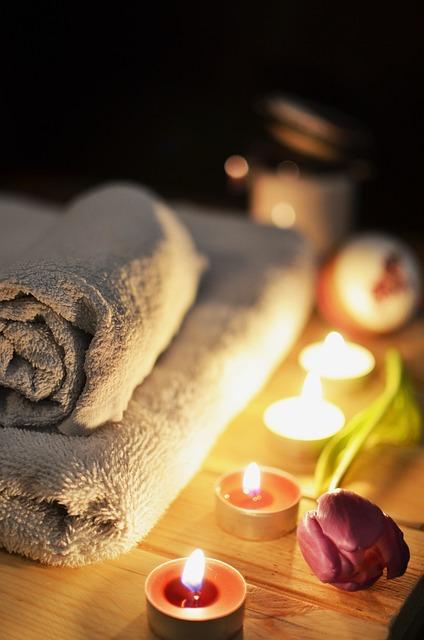
- Dim the Lights: Soft lighting can dramatically impact the mood. Use lamps with warm bulbs or candles to cast a gentle glow that promotes relaxation.
- Choose the Right Music: Select calming sounds, such as nature sounds or soft instrumental music. Keep the volume low to ensure it remains a soothing background.
- Maintain a Comfortable Temperature: Make sure the room is at a comfortable temperature. Use soft bedding and blankets if necessary to ensure your comfort during the massage.
- Incorporate Aromatherapy: Use essential oils in a diffuser or add them to your massage oil. Scents like lavender, chamomile, and eucalyptus can enhance relaxation and rejuvenation.
Another beneficial approach is to create a **sensory experience** that intrigues and calms. Consider incorporating the following elements:
| Element | Purpose |
|---|---|
| Essential Oils | Promote relaxation and reduce stress |
| Soft Textiles | Provide comfort and warmth |
| Plants | Create a connection with nature |
| Water Features | Add tranquility with soothing sounds |
By paying attention to sensory details, you enhance not only the physical experience of the massage but also the emotional and mental states, allowing for deeper relaxation and rejuvenation.
Techniques for Incorporating Essential Oils into Your Massage Routine
How to Personalize Your Massage Experience with Customized Blends
To truly enhance your massage experience, consider the benefits of customizing your essential oil blends. Personalizing your oils not only caters to your unique preferences but also targets specific physical or emotional needs. Here are some key aspects to consider:
- Choose Your Base Oil: Start with a neutral carrier oil like sweet almond or jojoba. These oils provide a smooth glide for your massage while also nourishing the skin.
- Define Your Goals: Are you looking for relaxation, relief from tension, or perhaps a revitalizing boost? Identifying your main objective will help you select the right essential oils.
- Mix and Match: Combine 2-3 essential oils that complement each other. For instance, lavender promotes relaxation, while eucalyptus can help clear the mind.
The following table outlines popular essential oils and their benefits, aiding you in crafting the perfect blend:
| Essential Oil | Benefit |
|---|---|
| Lavender | Promotes relaxation and sleep |
| Peppermint | Relieves muscle tension and invigorates |
| Eucalyptis | Enhances mental clarity and respiratory function |
| Ylang Ylang | Supports emotional balance and enhances mood |
Once you’ve crafted your personalized blend, ensure you perform a patch test to avoid any allergic reactions. Remember, the goal is to create a soothing environment that resonates with your individual needs.
Exploring Additional Techniques for Enhanced Relaxation and Well-being
Incorporating essential oils into your massage routine not only enhances the experience but can also contribute to a greater sense of relaxation and well-being. Here are some additional techniques to consider:
- Aromatherapy Diffusion: Before your massage session, consider diffusing oils such as lavender or eucalyptus in the room. This creates a calming atmosphere that prepares your mind and body for relaxation.
- Breathwork: As you begin your massage, practice deep, intentional breathing. Inhale the scent of the essential oils, allowing them to deepen your relaxation. This can significantly amplify the positive effects of the oils.
- Self-Massage: Encourage the practice of self-massage using diluted essential oils. Focus on pressure points such as the neck, shoulders, and wrists to enhance relaxation during a busy day.
To ensure the effectiveness of the essential oils, knowledge of their properties is key. Here’s a quick reference table highlighting some popular essential oils and their benefits:
| Essential Oil | Benefits |
|---|---|
| Lavender | Promotes relaxation and eases stress. |
| Peppermint | Revitalizes and invigorates the senses. |
| Ylang Ylang | Enhances mood and reduces anxiety. |
| Frankincense | Encourages a sense of peace and calm. |
By integrating these techniques into your routine, you can cultivate a holistic approach to relaxation that not only elevates your massage experience but also nurtures your overall well-being.
Frequently Asked Questions
Q&A: How to Use Essential Oils for Massage? Relax and Rejuvenate
Q1: What are essential oils and why are they beneficial for massage?
A: Essential oils are highly concentrated plant extracts that capture the natural aroma and beneficial properties of the plant from which they are derived. When used in massage, essential oils can enhance relaxation, relieve stress, reduce muscle tension, and promote overall well-being. Their therapeutic properties, such as anti-inflammatory, analgesic, and calming effects, make them a fantastic addition to any massage routine.
Q2: How can I choose the right essential oil for my massage?
A: Choosing the right essential oil depends on your personal preferences and the effects you’re seeking. For relaxation, consider lavender or chamomile. If you’re looking for energy, peppermint or citrus oils like bergamot can be uplifting. For muscle relief, eucalyptus or rosemary may be beneficial. It’s essential to select oils that resonate with you both aromatically and therapeutically.
Q3: How should I dilute essential oils before using them for massage?
A: Dilution is critical because essential oils are potent. Generally, a good rule of thumb is to use a carrier oil—such as coconut, jojoba, or almond oil—at a ratio of about 1-2% if you’re using the blend for massage. This typically means adding about 6-12 drops of essential oil to every 1 ounce (30ml) of carrier oil. Always do a patch test on your skin first to check for any adverse reactions.
Q4: Can I use essential oils directly on my skin?
A: It’s not recommended to apply essential oils directly to the skin without dilution, as they can cause irritation or allergic reactions. Always dilute them with a carrier oil first. There are some exceptions with specific oils designed for topical application, but it’s best to err on the side of caution and follow dilution guidelines.
Q5: How do I incorporate essential oils into my massage routine?
A: Start by selecting your preferred essential oil or blend and diluting it with a carrier oil. Warm the mixture in your hands before applying it to the areas of the body you wish to massage. You can use long, smooth strokes for larger muscle areas or knead with your fingers for smaller areas. Remember to communicate with the person receiving the massage about their preferences and comfort levels!
Q6: What safety precautions should I take when using essential oils for massage?
A: Always conduct a patch test on a small skin area to check for any adverse reactions. Avoid using oils near sensitive areas such as the eyes or mucous membranes. Pregnant women, individuals with specific health conditions, and children should consult a healthcare provider before using certain essential oils. Additionally, be aware that some oils may increase sensitivity to sunlight.
Q7: How can I enhance the experience of using essential oils in massage?
A: To elevate the experience, create a calming environment by dimming lights and adding soft music. Consider using a diffuser to disperse the essential oil aroma in the room. You could also set the mood with warm towels or heated stones to complement the massage. Incorporating guided breathing techniques or mindfulness practices can further enrich the relaxation experience.
Q8: What are some common essential oils used for specific massage benefits?
A: Here are a few common oils and their benefits:
- Lavender: Calming and sedative, great for reducing anxiety.
- Peppermint: Invigorating and cooling; excellent for headaches and muscle relief.
- Eucalyptus: Refreshing and uplifting, helpful for respiratory issues and relaxation.
- Sweet Orange: Brightens mood and relieves stress.
- Frankincense: Promotes emotional balance and grounding.
By understanding how to safely and effectively use essential oils for massage, you can create a truly serene and rejuvenating experience for yourself or someone else. Happy massaging!
In Retrospect
integrating essential oils into your massage routine can transform your experience from ordinary to extraordinary. By selecting the right oils and techniques, you not only enhance relaxation but also promote overall well-being. Remember to tailor your choices to suit your personal preferences and needs, ensuring that each session leaves you feeling rejuvenated and revitalized. So the next time you set aside time for self-care, consider reaching for those aromatic wonders. Your body and mind will thank you! Happy massaging!