Is Ginger Tea a Diuretic? Health Insights
Have you ever found yourself in a cold sweat, sweating the small stuff about what you’re sipping on? Well, grab your chamomile and buckle up, because we’re diving into the spicy world of ginger tea! With its zesty flavor and healthful reputation, many are left wondering—does this beloved brew have the power to flush your system like a pro? In “Is Ginger Tea a Diuretic? Health Insights,” we’ll brew up the facts, filter out the myths, and serve you a piping hot cup of knowledge. After all, a little ginger never hurt anyone…unless, of course, you drink it in a marathon session! Ready to explore whether this fiery root helps you go with the flow? Let’s steep in!
Article Contents
- Understanding the Natural Diuretic Properties of Ginger
- The Science Behind Ginger: How It Affects Fluid Balance
- Health Benefits of Ginger Tea Beyond Its Diuretic Effects
- Incorporating Ginger Tea into Your Daily Routine
- Potential Side Effects and Considerations When Drinking Ginger Tea
- Best Practices for Preparing and Consuming Ginger Tea
- Expert Recommendations for Using Ginger Tea as a Diuretic
- Q&A
- In Summary
Understanding the Natural Diuretic Properties of Ginger
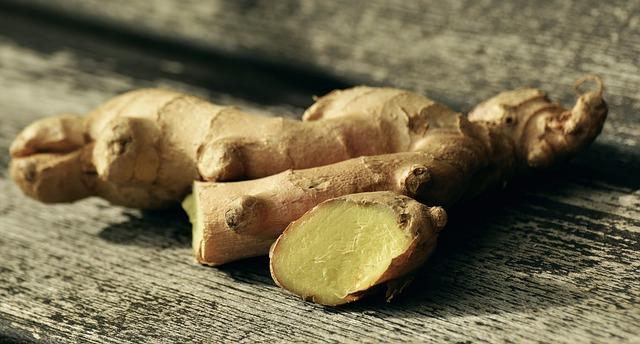
Ginger, a widely cherished spice, offers numerous health benefits beyond its distinct flavor. One of its noteworthy properties is its potential as a natural diuretic. Diuretics are substances that promote the increased production of urine, helping the body eliminate excess fluids and salt, which can support kidney function and fluid balance.
The natural diuretic effects of ginger can be attributed to its bioactive compounds, particularly gingerol and shogaol. These components not only enhance digestion but may also stimulate the kidneys, encouraging the process of detoxification. Consuming ginger tea could provide several benefits:
- Supports kidney health: Regular consumption may aid in flushing out toxins.
- Reduces bloating: Helps alleviate swelling and discomfort from water retention.
- Promotes circulation: May improve overall metabolic function, further assisting with waste removal.
Additionally, research has shown that ginger could potentially influence fluid balance in the body. A simple infusion of ginger in hot water releases its diuretic properties, making ginger tea an effective remedy. The table below summarizes some key aspects of ginger tea and its diuretic efficacy:
| Aspect | Details |
|---|---|
| Active Compounds | Gingerol, Shogaol |
| Primary Benefits | Fluid elimination, Digestive aid |
| Preparation | Infusion of fresh ginger in hot water |
Incorporating ginger tea into your daily routine may not only elevate your hydration levels but also support various aspects of your health, making it a flavorful addition worth considering.

The Science Behind Ginger: How It Affects Fluid Balance
Ginger has been a staple in traditional medicine for centuries, boasting a myriad of health benefits that extend beyond its distinct flavor. One area of interest is its potential effects on fluid balance in the body. Research indicates that ginger may act as a natural diuretic, promoting increased urine production. This diuretic effect is attributed to ginger’s ability to stimulate circulation and enhance kidney function, which can lead to the elimination of excess fluid and waste.
Several mechanisms contribute to how ginger influences fluid balance:
- Anti-inflammatory properties: Ginger contains compounds like gingerol and shogaol, which help reduce inflammation, particularly in the kidneys, thereby aiding their function in fluid regulation.
- Vitamin and mineral content: Rich in essential nutrients like potassium and magnesium, ginger supports electrolyte balance, which is crucial for maintaining optimal fluid levels in the body.
- Digestive support: By enhancing digestion and promoting gut health, ginger can help prevent water retention often caused by digestive issues.
A study comparing the effects of ginger extract on diuretic activity demonstrated promising results:
| Study Variable | Effect of Ginger |
|---|---|
| Urine Output | Increased |
| Kidney Function | Enhanced |
| Fluid Retention | Reduced |
These findings suggest that incorporating ginger, particularly in the form of ginger tea, may not only hydrate but also support fluid balance, making it a valuable addition to a health-conscious lifestyle. However, moderation is key, as excessive ginger consumption can lead to dehydration and digestive discomfort.
Health Benefits of Ginger Tea Beyond Its Diuretic Effects
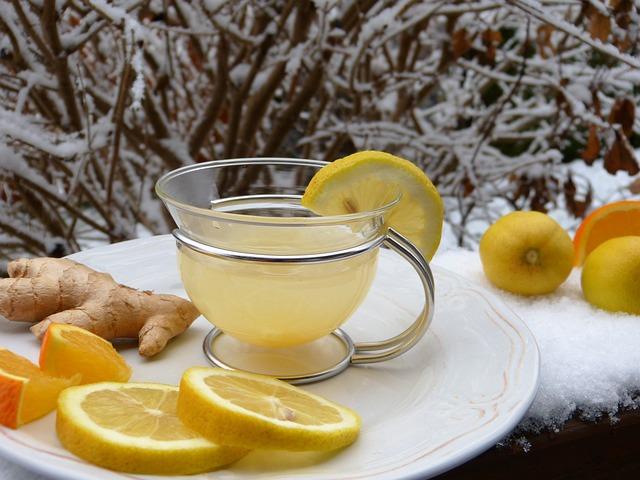
While many individuals turn to ginger tea for its mild diuretic properties, this aromatic brew offers a plethora of other health benefits that enhance overall well-being. The primary component of ginger, gingerol, is widely recognized for its anti-inflammatory and antioxidant effects, contributing to a variety of health improvements.
- Digestive Health: Ginger tea can stimulate digestion and alleviate symptoms of nausea, bloating, and indigestion. It’s particularly effective for pregnant women experiencing morning sickness and individuals undergoing chemotherapy.
- Immune Support: Thanks to its rich antioxidant content, ginger tea may help bolster the immune system. Regular consumption can reduce the duration and severity of colds and flu.
- Heart Health: Studies suggest that ginger may lower cholesterol levels and improve circulation, potentially reducing the risk of cardiovascular diseases. Additionally, it can help manage blood pressure and maintain healthy circulation.
Furthermore, ginger tea serves as a natural remedy for pain relief, particularly for conditions like arthritis and menstrual discomfort. Its warming properties can help relax muscles and improve circulation, providing a soothing effect. A simple cup of ginger tea daily could thus be a delightful addition to one’s wellness routine, offering benefits that extend far beyond its diuretic capabilities.

Incorporating Ginger Tea into Your Daily Routine
can be a delightful and health-boosting habit. Here are a few simple ways to enjoy the benefits of this aromatic beverage:
- Morning Ritual: Start your day with a cup of hot ginger tea. This can help stimulate digestion and kickstart your metabolism.
- Midday Pick-Me-Up: Enjoy a refreshing iced ginger tea during your lunch break. It’s a great alternative to sugary drinks and may aid in hydration.
- Evening Calm: Sip on a warm cup in the evening to unwind. Ginger has soothing properties that can help you relax and prepare for a restful night.
To make the most of your ginger tea, consider these tips:
- Fresh Ginger: Use fresh ginger root for brewing. It’s more potent and provides a richer flavor compared to powdered ginger.
- Additions: Enhance your tea with lemon juice or honey for added flavor and health benefits.
- Consistency: Try to make ginger tea a daily habit, aiming for at least 1-2 cups per day to experience its diuretic and digestive benefits.
| Time of Day | Benefit | Serving Suggestion |
|---|---|---|
| Morning | Boosts Metabolism | 1 cup hot with lemon |
| Afternoon | Increases Energy | 1 glass iced with mint |
| Evening | Aids Relaxation | 1 cup warm with honey |
Potential Side Effects and Considerations When Drinking Ginger Tea
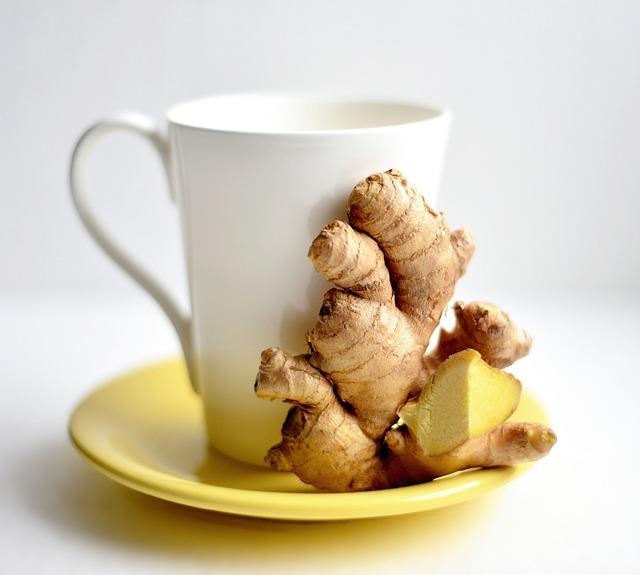
While ginger tea boasts numerous health benefits, there are some potential side effects and considerations to keep in mind when incorporating it into your diet. Although generally safe for most individuals, excessive consumption may lead to a range of issues. Here are some aspects to consider:
- Gastrointestinal Distress: Some people may experience stomach upset, gas, or heartburn after consuming ginger tea, especially in large amounts.
- Blood Thinning: Ginger has natural anticoagulant properties, which might increase the risk of bleeding—especially for those on blood-thinning medications.
- Pregnancy Concerns: While ginger can help with morning sickness, consulting a healthcare provider is essential before making it a staple in your diet during pregnancy.
It’s also important to monitor your overall fluid intake, as ginger tea may contribute to increased urination due to its diuretic effects. Here’s a quick overview of how ginger tea interacts with various health conditions:
| Condition | Consideration |
|---|---|
| Diabetes | May affect blood sugar levels; consult with a healthcare provider. |
| Heart Conditions | Monitor for blood clotting risks; discuss with a doctor. |
| Allergies | Possible allergic reactions; discontinue use if symptoms occur. |
Appropriate consumption and awareness of individual health conditions can help you enjoy the benefits of ginger tea while minimizing any unwanted side effects.
Best Practices for Preparing and Consuming Ginger Tea
Preparing and enjoying ginger tea can boost your health while providing a delicious experience. To ensure you get the most benefits from this aromatic beverage, consider the following practices:
- Choose Fresh Ginger: Opt for fresh ginger root for maximum flavor and health benefits. Look for firm, plump roots with smooth skin that are free from blemishes.
- Proper Preparation: Peel and slice the ginger thinly to release its essential oils effectively. Use about 1-2 teaspoons of fresh ginger per cup of water.
- Timing Matters: Allow the ginger to steep in hot water for at least 10 minutes. This helps extract its beneficial compounds, enhancing the tea’s flavor.
- Complementing Ingredients: To amplify the health benefits, combine ginger with other ingredients like lemon, honey, or mint. These additions can enhance taste and provide additional nutrients.
When it comes to consumption, moderation is key. Ginger tea is generally safe for most people, but excess intake can lead to digestive discomfort. Aim for:
| Recommended Intake | Potential Effects |
|---|---|
| 1-3 cups per day | Supports digestion and hydration |
| Exceeding 5 cups | May cause heartburn or stomach upset |
Incorporating these best practices can help you enjoy ginger tea while harnessing its potential as a natural diuretic and overall health booster.
Expert Recommendations for Using Ginger Tea as a Diuretic
When incorporating ginger tea into your wellness routine as a potential diuretic, experts suggest following a few key guidelines to enhance its benefits and overall effectiveness:
- Choose Fresh Ginger: Opt for fresh ginger root instead of powdered ginger for maximum potency. Fresh ginger contains higher levels of active compounds beneficial for stimulating kidney function and promoting urination.
- Brewing Technique: Boil slices of fresh ginger in water for at least 10-15 minutes to allow the nutrients to infuse fully. You can enhance the flavor and effects by adding a splash of lemon or a teaspoon of honey.
- Timing is Key: Consuming ginger tea in the morning can help kickstart your metabolism and promote natural diuresis throughout the day. Avoid drinking it close to bedtime to prevent nighttime trips to the bathroom.
It’s essential to consider your overall fluid intake as well. Ginger tea can contribute to daily hydration, but be cautious not to overconsume diuretics if you’re also drinking other fluids with diuretic properties. Some professionals recommend keeping track of your fluid intake with the following simple table:
| Fluid Type | Diuretic Effect |
|---|---|
| Ginger Tea | Moderate |
| Caffeinated Beverages | High |
| Herbal Teas | Variable |
Lastly, always listen to your body. If you notice any adverse effects, consult with a healthcare professional to ensure that ginger tea is right for your health journey.
Q&A
Q: What is ginger tea, and how is it made?
A: Ginger tea is a herbal beverage made by steeping fresh or dried ginger root in hot water. It can be enhanced with other ingredients like lemon, honey, or turmeric for added flavor and health benefits. Simply slice or grate ginger, add it to boiling water, and let it steep for about 10 to 15 minutes to extract the flavor and nutrients.
Q: Does ginger tea have any diuretic properties?
A: Yes, ginger tea is often considered to have mild diuretic properties. Diuretics are substances that promote urine production and help the body eliminate excess sodium and water. Ginger can stimulate kidney function, which may help in increasing urine output.
Q: How does ginger act as a diuretic?
A: Ginger contains compounds like gingerol and shogaol, which may enhance circulation and contribute to kidney function. This can lead to increased urine production. Additionally, ginger’s anti-inflammatory properties can help reduce water retention in the body, further promoting its diuretic effects.
Q: Are there any health benefits of drinking ginger tea aside from its diuretic effects?
A: Absolutely! Ginger tea is renowned for its numerous health benefits, which include alleviating digestive issues, reducing nausea, and helping with inflammation. It’s also high in antioxidants, supports immune health, and can help manage blood sugar levels. Regular consumption may provide a range of health improvements beyond just diuretic effects.
Q: Are there any side effects of consuming too much ginger tea?
A: While ginger tea is generally safe for most people, excessive consumption can lead to side effects like heartburn, diarrhea, or stomach discomfort. Pregnant women or individuals with certain medical conditions should consult a healthcare professional before significantly increasing their ginger intake.
Q: How much ginger tea should I drink to experience diuretic benefits?
A: There’s no specific amount that guarantees diuretic effects, as individual responses can vary. However, enjoying 1 to 3 cups a day can be a great way to incorporate ginger into your routine. It’s always best to listen to your body and adjust accordingly.
Q: Can ginger tea interact with medications or other supplements?
A: Yes, ginger can interact with certain medications, especially blood thinners, diabetes medications, and high blood pressure drugs. If you’re on medication, it’s always a good idea to consult your healthcare provider before adding ginger tea regularly to your diet to avoid any potential interactions.
Q: Is ginger tea suitable for everyone?
A: Most people can enjoy ginger tea without any issues; however, those who are pregnant, have certain medical conditions, or are on medications should consult with a healthcare professional. Additionally, individuals who are sensitive to spicy foods might find ginger too intense and should approach it with caution.
Q: Where can I find quality ginger tea?
A: Quality ginger tea can be found in health food stores, supermarkets, and online retailers. Look for tea brands that emphasize natural ingredients without unnecessary additives. Alternatively, you can make your own using fresh ginger root for the most potent flavor and benefit.
Q: can ginger tea be included in a health-conscious lifestyle?
A: Absolutely! Ginger tea is a delicious and nourishing addition to a health-conscious lifestyle. Its potential diuretic effects, combined with various health benefits, make it a fantastic choice for those looking to enhance their overall well-being. Just remember to consume it in moderation and stay aware of how your body responds.
In Summary
ginger tea undoubtedly offers a range of health benefits, and its potential diuretic properties can play a role in maintaining hydration and supporting kidney function. However, as with any natural remedy, moderation is key, and individual responses can vary. If you’re looking to incorporate ginger tea into your wellness routine, consider consulting with a healthcare professional, especially if you have existing health conditions. Whether you sip it for its cozy flavor or its potential health perks, ginger tea is a delightful addition to your daily ritual. Cheers to your health—one cup at a time!