Are you tired of those drumming headaches that seem to crash the party without an invitation? If you’ve ever found yourself wondering, “Is ginger tea good for headaches? Natural solutions to the rescue!” you’re not alone. This zesty root has been a secret weapon in the world of natural remedies, and it may just hold the key to a headache-free day. In today’s article, we’ll explore how this spicy brew can soothe your throbbing temples and why it deserves a spot in your home remedy toolkit. So, grab your favorite mug, and let’s dive into the delightful world of ginger tea and its potential to put the brakes on your headache woes—all while keeping things light and fun!
Article Contents
- Understanding Headaches and Their Triggers
- The Role of Ginger in Traditional Medicine
- How Ginger Tea Works to Alleviate Headaches
- Brewing the Perfect Cup of Ginger Tea
- Other Natural Remedies to Complement Ginger Tea
- Safety Considerations and Potential Side Effects
- Personalizing Your Approach to Headache Relief
- Frequently Asked Questions
- Closing Remarks
Understanding Headaches and Their Triggers
Headaches can significantly impact daily life, and understanding their possible causes is essential in managing them effectively. Many factors contribute to the onset of headaches, including:
- Stress: Emotional and physical stress can lead to tension headaches.
- Dehydration: Lack of sufficient water intake is a common trigger.
- Certain Foods: Foods high in caffeine or additives can provoke headaches in sensitive individuals.
- Changes in Sleep Patterns: Irregular sleep can disrupt body processes and lead to headaches.
- Environmental Factors: Bright lights, strong smells, or loud noises can trigger headaches.
Identifying personal triggers is crucial for headache management. Keeping a headache diary can help track patterns related to headache occurrence, allowing individuals to pinpoint specific triggers more clearly. This strategy can enhance understanding of one’s headache profile and guide towards suitable natural remedies, such as ginger tea.
| Trigger | Possible Solution |
|---|---|
| Stress | Meditation and Relaxation Techniques |
| Dehydration | Increase Water Intake and Herbal Teas |
| Certain Foods | Eliminate High-Trigger Foods from Diet |

The Role of Ginger in Traditional Medicine
Throughout history, ginger has held a revered place in traditional medicine practices across various cultures. This aromatic rhizome, with its warm flavor and numerous health benefits, has been utilized for centuries to address a plethora of ailments. In particular, its anti-inflammatory properties are noteworthy, making it a popular choice for those seeking natural remedies for headaches.
In traditional medicine, ginger is often recommended for its ability to:
- Relieve Nausea: Ginger is famous for alleviating nausea, which can accompany headaches.
- Reduce Inflammation: The compounds found in ginger, like gingerol, are known to combat inflammation, potentially easing headache symptoms.
- Enhance Circulation: Improved blood flow can sometimes reduce headache frequency and intensity.
A wide range of cultures, from Ayurvedic practitioners in India to herbalists in Traditional Chinese Medicine, advocate the use of ginger for its health-enhancing properties. Here’s a summarized view of how ginger is perceived in different traditional practices:
| Culture | Focus on Ginger |
|---|---|
| Ayurveda | Used for digestive health and to balance doshas. |
| Traditional Chinese Medicine | Believed to warm the body and dispel cold, alleviating headaches. |
| Western Herbalism | Utilized for nausea, migraines, and general pain relief. |
How Ginger Tea Works to Alleviate Headaches
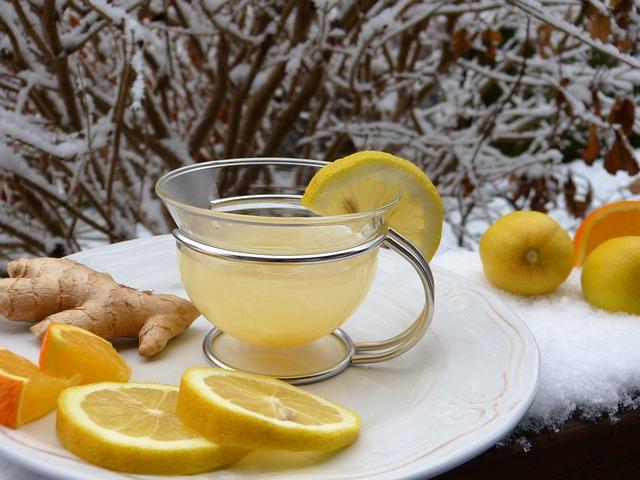
Ginger tea is rapidly gaining recognition for its potential to provide natural relief for headaches, making it a popular choice among those seeking alternative remedies. The key to its effectiveness lies in ginger’s natural compounds, particularly gingerol and shogaol, which possess anti-inflammatory and analgesic properties. These compounds work to reduce inflammation in the blood vessels, thereby alleviating tension and discomfort associated with different types of headaches.
Moreover, ginger tea aids in improving circulation. Enhanced blood flow can relieve the pressure that often builds in the head during a headache, leading to a more relaxed state. It’s particularly useful for migraines, where constricted blood vessels are a common issue. The warming nature of ginger can also promote relaxation, providing a soothing effect that may further diminish headache symptoms.
To maximize the benefits of ginger tea for headaches, consider the following:
- Fresh Ingredients: Use fresh ginger root for maximum potency.
- Hydration: Stay hydrated with plain water alongside your ginger tea.
- Consistent Use: Regular consumption may yield better results over time.
Tip Chart for Ginger Tea Preparation
| Ingredients | Quantity |
|---|---|
| Fresh ginger root | 1-2 inches |
| Water | 2 cups |
| Honey (optional) | 1-2 teaspoons |
By incorporating ginger tea into your routine, you may find not just temporary relief from headaches but a holistic approach to managing your overall well-being. With its plethora of health benefits and minimal side effects, it’s a simple yet effective addition to headache management strategies.

Brewing the Perfect Cup of Ginger Tea
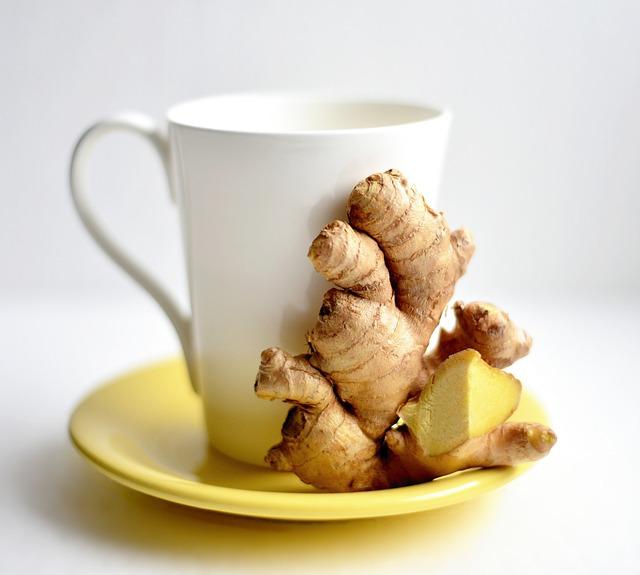
To experience the full benefits of ginger tea for alleviating headaches, the brewing process is crucial. Begin with **fresh ginger** for the best flavor and potency. Here’s a quick guide to brewing this soothing concoction:
- **Select your ginger**: Choose a piece of ginger root that is firm and smooth, avoiding any that appear shriveled or moldy.
- **Peel and slice**: Peel the ginger using a spoon and slice it thinly, which helps to maximize the infusion of flavors.
- **Boil water**: Bring **2 cups of water** to a rolling boil in a saucepan.
- **Infuse**: Add the ginger slices to the boiling water, reduce the heat, and let it simmer for about **10-15 minutes** depending on preferred strength.
- **Strain and enjoy**: Once brewed, strain the tea into your favorite cup. Sweetening with **honey or lemon** can enhance both flavor and health benefits.
For those who enjoy a twist, consider adding a pinch of **cinnamon** or a few **peppercorns** during the simmering process. This not only heightens the taste but can also amplify the medicinal properties of the tea. Below is a quick comparison of benefits brought by these additional ingredients:
| Ingredient | Benefit |
|---|---|
| Cinnamon | Helps relieve inflammation and pain. |
| Peppercorns | Enhances absorption of nutrients and boosts metabolism. |
| Honey | Soothes the throat and improves overall taste. |
| Lemon | Adds vitamin C and promotes hydration. |
Other Natural Remedies to Complement Ginger Tea
While ginger tea is a fantastic natural remedy for headaches, there are several other complementary options that can enhance its effects and provide additional relief. By combining various remedies, you can create a holistic approach to managing headache symptoms effectively.
- Peppermint Tea: Known for its soothing properties, peppermint can help relieve tension headaches. The menthol in peppermint improves blood circulation and has a calming effect.
- Lavender Essential Oil: Aromatherapy with lavender oil may reduce headache intensity. Inhaling its scent or applying a diluted version to your temples can create a relaxing atmosphere.
- Feverfew: This herb has been traditionally used to prevent migraines. It can be consumed as a supplement or brewed into a tea to benefit from its anti-inflammatory properties.
- Hydration: Sometimes headaches stem from dehydration. Drinking plenty of water throughout the day, ideally infused with a splash of lemon, can help maintain fluid balance.
To provide a quick overview of these remedies and their benefits, consider the following table:
| Remedy | Benefit |
|---|---|
| Peppermint Tea | Improves circulation; soothes tension |
| Lavender Essential Oil | Calms nerves; reduces intensity |
| Feverfew | Prevents migraines; anti-inflammatory |
| Hydration | Prevents headaches caused by dehydration |
Incorporating these remedies in addition to ginger tea can create a powerful blend of natural solutions for headache relief. Each aspect enhances the body’s resilience against discomfort, making your approach more comprehensive and effective.

Safety Considerations and Potential Side Effects
While ginger tea is often celebrated for its potential benefits in alleviating headaches, it’s important to consider some safety aspects and possible side effects associated with its consumption. Most people can enjoy ginger tea without adverse reactions, but certain individuals should exercise caution.
- Gastrointestinal Issues: In some cases, consuming excessive amounts of ginger can lead to stomach upset, heartburn, or diarrhea.
- Allergic Reactions: Rarely, individuals may experience allergic reactions to ginger, characterized by rashes or difficulty breathing.
- Medication Interactions: Ginger can interact with certain medications, such as blood thinners and diabetes medications, potentially affecting their efficacy.
For pregnant women, moderate consumption of ginger is typically considered safe, but high doses may lead to complications. Always consult a healthcare professional if you are unsure about mixing ginger tea with other treatments or if you have underlying health conditions.

Personalizing Your Approach to Headache Relief
When it comes to finding relief from headaches, one size certainly does not fit all. Personalizing your method can greatly enhance the effectiveness of your approach. Here are a few ideas to consider:
- Know Your Triggers: Understanding what triggers your headaches can help you choose the right natural remedy. Common culprits include stress, dehydration, and dietary choices.
- Experiment with Ingredients: While ginger is known for its potential anti-inflammatory properties, consider incorporating other herbs and spices like peppermint, chamomile, or turmeric for a unique blend.
- Adjust Preparation Styles: The way you prepare ginger tea can also influence its effectiveness; try using fresh ginger for a stronger infusion, or add honey for a touch of sweetness and soothing effects.
Additionally, your personal lifestyle choices play a significant role in how effectively these natural remedies work. Consider keeping a headache diary to track symptoms alongside the remedies you try, noting any improvements. Here’s a simple tracking table you can use:
| Date | Remedy Used | Effectiveness (1-5) | Notes |
|---|---|---|---|
| MM/DD/YYYY | Ginger Tea | 4 | Felt relief within 30 minutes |
| MM/DD/YYYY | Peppermint Oil | 3 | May require more time to take effect |
| MM/DD/YYYY | Hydration | 5 | Major improvement after increasing water intake |
By , you empower yourself to discover what truly works for you, leading to a more holistic and satisfying journey towards well-being.
Frequently Asked Questions
Q: What are the main benefits of ginger tea when it comes to headaches?
A: Ginger tea is often praised for its natural anti-inflammatory properties, which can help alleviate headache symptoms. It contains compounds like gingerol and shogaol that may reduce inflammation and pain. Additionally, ginger has been noted for its ability to improve blood circulation, which can alleviate tension headaches. Many people also find that the soothing warmth of ginger tea helps with relaxation, further reducing headache discomfort.
Q: How does ginger tea compare to over-the-counter medications for headaches?
A: While over-the-counter medications, such as ibuprofen or aspirin, can be effective for quick relief, they often come with potential side effects or long-term dependency issues. Ginger tea is a natural alternative that boasts fewer side effects for most individuals. However, its effectiveness may vary from person to person. For some, it might work just as well as conventional medications, while others might find more relief from pharmacological options. It’s crucial to listen to your body and consult a healthcare provider if symptoms persist.
Q: Who should avoid consuming ginger tea for headaches?
A: Although ginger tea is generally safe for most people, certain individuals should exercise caution. Those who are pregnant should consult their healthcare provider before consuming large amounts of ginger, as it can stimulate contractions. Additionally, individuals on blood-thinning medications should speak to their doctor, as ginger can potentially enhance the effects of these drugs. Lastly, people with specific conditions like gallstones or certain gastrointestinal disorders should also consult a healthcare professional before incorporating ginger tea into their routine.
Q: How should I prepare ginger tea for maximum benefits?
A: Preparing ginger tea is quite simple! Start with fresh ginger root—about one to two inches is a good amount. Peel and slice it thinly, then add it to boiling water and let it steep for about 10-15 minutes. You can enhance the flavor and health benefits by adding honey or lemon. To increase the potency, some people even add a pinch of cayenne pepper or turmeric, both of which have anti-inflammatory properties. Drink it warm, and feel free to enjoy it up to several times a day for headache relief.
Q: Are there other natural remedies I can combine with ginger tea for headache relief?
A: Absolutely! Many natural remedies work well in conjunction with ginger tea. Peppermint tea, for example, is known for its soothing effects and can be an excellent complement. Staying hydrated is essential as dehydration can be a significant headache trigger, so drinking water alongside your tea is beneficial. Aromatherapy with essential oils like lavender or eucalyptus can also enhance relaxation and relieve headaches. Lastly, consider incorporating mindfulness practices such as deep breathing or meditation, which may further help reduce stress-induced headaches.
Q: How quickly can I expect to see relief from headaches after drinking ginger tea?
A: The speed at which ginger tea provides relief can vary. Some individuals report feeling better within 30 minutes to an hour after consuming ginger tea, while others may take a bit longer, depending on the severity and type of headache. If you find that ginger tea does not work for you as quickly as you hoped, don’t be discouraged—natural remedies often take consistent use over time to provide noticeable benefits. If headaches persist or worsen, it’s essential to consult a healthcare professional.
Feel free to reach out if you have any more questions about the benefits of ginger tea or using natural solutions for headache relief!
Closing Remarks
ginger tea emerges as a promising natural remedy for headaches, backed by its anti-inflammatory properties and ability to enhance circulation. While it’s not a one-size-fits-all solution, many find relief in this soothing brew. Combining ginger with other natural approaches—like staying hydrated, managing stress, and practicing good sleep hygiene—can further bolster your efforts to combat headaches. Always remember to consult with a healthcare professional if you’re experiencing frequent or severe headaches. So, the next time you feel that familiar throb, why not reach for a warm cup of ginger tea? It might just be the comforting relief you need. Cheers to your health!