What Herb is Good for Edema? Reduce Swelling Naturally!
Are you tired of feeling like a human water balloon? Does your body sometimes resemble a pufferfish after a salty snack? If so, you’re definitely not alone! Edema, that pesky condition where fluid decides to throw a party in your tissues, can leave you feeling bloated and uncomfortable. But fear not! Before you resort to wrapping yourself in ice packs or investing in a lifetime supply of diuretics, let’s explore the wonderful world of herbs. In this article, we’ll unveil the natural remedies that can help you say goodbye to swelling without the need for a PhD—or the agony of ensuring your pants fit after a meal! So grab your favorite herbal brew and join us on this journey to reduce swelling the natural way!

Article Contents
- Understanding Edema: Causes and Symptoms
- The Role of Herbs in Managing Swelling
- Top Herbs for Reducing Edema Naturally
- How to Use Herbal Remedies for Maximum Effect
- Incorporating Herbs into Your Daily Routine
- Lifestyle Changes That Complement Herbal Treatments
- Precautions and Considerations When Using Herbs for Edema
- Frequently Asked Questions
- Insights and Conclusions
Understanding Edema: Causes and Symptoms
Edema is a condition characterized by the accumulation of excess fluid in the body’s tissues, leading to swelling, particularly in the extremities. This condition can result from a variety of causes, which include:
- Heart problems: Conditions like congestive heart failure can hinder the heart’s ability to pump efficiently, causing fluid buildup.
- Kidney issues: When the kidneys aren’t functioning properly, they may not remove enough fluid from the body.
- Liver disease: Impaired liver function can disrupt the balance of proteins, resulting in fluid leakage from blood vessels.
- Venous insufficiency: This occurs when veins struggle to send blood back to the heart, leading to fluid retention in the legs.
- Medications: Some medications, like certain anti-inflammatory drugs, can cause fluid retention as a side effect.
Symptoms of edema may vary depending on the underlying cause. The most common signs include:
- Swelling: Noticeable swelling in specific areas, especially the feet, ankles, and legs.
- Stretched skin: Skin over the swollen areas may feel tight, shiny, or discolored.
- Pitting: When pressed, swollen areas may retain an indentation, indicating fluid accumulation.
- Discomfort or pain: The affected areas may feel uncomfortable or painful due to pressure.
Understanding the causes and symptoms of edema is crucial in effectively addressing this condition. By recognizing its signs, individuals can seek appropriate treatment or consider natural remedies to alleviate the symptoms.

The Role of Herbs in Managing Swelling
Herbs have been used for centuries to alleviate various ailments, including swelling caused by edema. Incorporating specific herbs into your diet or routine can provide natural relief by promoting better circulation and reducing inflammation. Here are some herbs renowned for their effectiveness in managing swelling:
- Dandelion: Known for its diuretic properties, dandelion can help to reduce fluid retention and improve kidney function.
- Ginger: This powerful anti-inflammatory herb can help reduce swelling by increasing blood flow and aiding digestion.
- Parsley: Another diuretic, parsley not only helps to flush out excess fluid but also provides essential nutrients that support overall health.
- Turmeric: With its active compound curcumin, turmeric possesses potent anti-inflammatory properties, making it effective in reducing swelling.
To get the most benefits from these herbs, consider incorporating them into your meals or enjoying them as teas. Here’s a simple table summarizing their benefits:
| Herb | Key Benefits |
|---|---|
| Dandelion | Reduces fluid retention, promotes kidney health |
| Ginger | Anti-inflammatory, improves circulation |
| Parsley | Flushes out fluids, nutrient-rich |
| Turmeric | Reduces inflammation, promotes healing |
Embracing these herbs in your daily routine can facilitate natural healing and offer significant support in managing swelling. Always consult with a healthcare professional before starting any new herbal regimen, especially if you have existing health conditions or are taking medications.
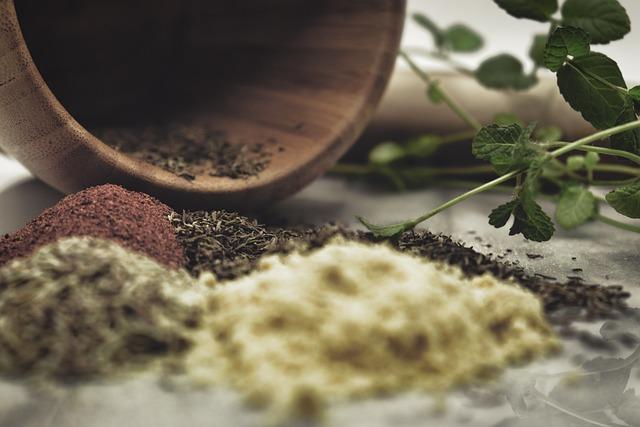
Top Herbs for Reducing Edema Naturally
Reducing edema can be both simple and effective with the right selection of herbs known for their diuretic and anti-inflammatory properties. These natural remedies can support your body in expelling excess fluids, alleviating swelling, and improving overall comfort.
Here are some of the top herbs renowned for their ability to combat edema:
- Parsley: A powerful diuretic, parsley not only helps eliminate fluid retention but also promotes kidney function, which can be beneficial for overall health.
- Dandelion: Often found in natural dietary supplements, dandelion leaves are packed with potassium and can encourage proper fluid balance in the body.
- Ginger: Known for its anti-inflammatory properties, ginger can help reduce swelling and support circulation, making it a great addition to your diet.
- Horsetail: This herb has been used for centuries due to its high silica content and natural diuretic effect, which aids in eliminating excess fluids.
- Green Tea: Not just a refreshing beverage, green tea also offers antioxidants and diuretic properties that can help reduce swelling and support fluid balance.
Incorporating these herbs into your diet can be as easy as brewing herbal teas, adding them to meals, or even taking supplements. For those interested in more structured use, consider the following table that highlights the herbal benefits and usage:
| Herb | Benefits | Usage Suggestions |
|---|---|---|
| Parsley | Promotes kidney function | Add fresh leaves to salads |
| Dandelion | Encourages fluid balance | Make a tea or use in salads |
| Ginger | Anti-inflammatory properties | Incorporate into cooking or teas |
| Horsetail | Supports fluid elimination | Use in teas or tinctures |
| Green Tea | Rich in antioxidants | Enjoy as a daily beverage |
Integrating these herbs into your lifestyle may offer a natural approach to managing edema, allowing for a holistic way to enhance your well-being without reliance on harsh medications. As always, consult with a healthcare provider before starting any new herbal regimen, especially if you’re on medication or have underlying health conditions.

How to Use Herbal Remedies for Maximum Effect
To harness the full potential of herbal remedies for managing edema, it’s crucial to consider the quality of the herbs you select, their preparation, and dosage. Here are some tips to ensure you’re using them effectively:
- Choose Fresh or High-Quality Dried Herbs: Fresh herbs often contain more potent active compounds than their dried counterparts. If using dried herbs, ensure they’re from a reputable source to guarantee quality.
- Use Combining Techniques: Decoctions, infusions, and tinctures are common methods of ingestion. For instance, making a tea using herbs like parsley and dandelion leaves can enhance their diuretic effects.
- Mind the Dosage: Always follow recommended dosages or consult with a healthcare professional, as herbs can have cumulative effects and may interact with medications.
Incorporating herbal remedies into your routine can be a soothing and effective way to address swelling. Here’s a brief overview of some key herbs that can help:
| Herb | Benefits | Preparation Method |
|---|---|---|
| Parsley | Acts as a natural diuretic | Tea or extract |
| Dandelion | Supports kidney function, reduces fluid retention | Infusion or capsules |
| Horsetail | Rich in silica; promotes kidney health | Decoction |
| Green Tea | Antioxidant properties; reduces inflammation | Brewed as tea |
By integrating these herbal options thoughtfully into your lifestyle, you can support your body in managing swelling more naturally, allowing for an overall sense of wellness while minimizing artificial diuretics or pharmaceuticals.

Incorporating Herbs into Your Daily Routine
Integrating herbs into your daily routine can be a flavorful and health-enhancing practice, especially when targeting specific health concerns like edema. By incorporating these natural remedies, you not only enjoy their benefits but also enrich your meals and beverages. Here are a few herbs that are particularly effective in alleviating swelling:
- Parsley: This common herb acts as a diuretic, helping to eliminate excess fluid from the body. Incorporate fresh parsley into salads or blend it into smoothies for a refreshing boost.
- Dandelion: Once regarded as a pesky weed, dandelion leaves can be steeped in tea or added to salads. Their natural diuretic properties support kidney function and assist in reducing water retention.
- Ginger: Known for its anti-inflammatory effects, ginger can be consumed fresh in teas or used as a spice in cooking. Its ability to promote digestion can also help with fluid balance.
- Turmeric: This golden spice contains curcumin, a compound with powerful anti-inflammatory properties. Add it to soups, stir-fries, or golden milk for both flavor and health benefits.
| Herb | Method of Use | Benefits for Edema |
|---|---|---|
| Parsley | Salads, smoothies | Diuretic, reduces fluid retention |
| Dandelion | Teas, salads | Promotes kidney function |
| Ginger | Teas, cooking | Anti-inflammatory, aids digestion |
| Turmeric | Soups, golden milk | Reduces inflammation |
To maximize the benefits of these herbs, experiment with different ways to incorporate them into your meals. Regularly consuming herbal teas made with these ingredients can effectively aid in reducing swelling while keeping your palate satisfied. Remember, consistency is key when looking to experience the natural benefits these herbs offer.

Lifestyle Changes That Complement Herbal Treatments
Incorporating specific lifestyle changes can significantly enhance the effects of herbal treatments for edema, ensuring not just relief, but a comprehensive approach to well-being. Here are some effective strategies:
- Stay Hydrated: Drinking adequate water helps to flush out excess fluids and reduces swelling.
- Reduce Sodium Intake: Lowering salt consumption mitigates water retention, making herbs like dandelion more effective.
- Regular Exercise: Engaging in physical activity promotes circulation, helping manage fluid buildup.
- Elevate Affected Limbs: Raising swollen areas can assist in reducing fluid retention and enhancing the action of herbal remedies.
- Wear Compression Garments: These can provide support and improve circulation, complementing the benefits of herbal treatments.
It’s also beneficial to monitor your diet and include certain foods that support fluid balance:
| Food | Benefit |
|---|---|
| Watermelon | Natural diuretic, helps flush out excess fluids. |
| Cucumbers | High water content aids in hydration. |
| Celery | Contains compounds that reduce high blood pressure and promote fluid balance. |
| Bananas | Rich in potassium, which can help balance sodium levels. |
By embracing these adjustments alongside herbal treatments, you can create a synergistic effect that promotes a healthier, more balanced body.

Precautions and Considerations When Using Herbs for Edema
When considering the use of herbs for reducing edema, it’s essential to prioritize safety and effectiveness. While many herbs possess diuretic properties that can help alleviate swelling, not all are suitable for every individual. Here are key precautions to observe:
- Consult a healthcare professional: Always discuss with your doctor or a qualified herbalist before incorporating new herbs, especially if you’re pregnant, nursing, or have underlying health conditions.
- Start with small doses: Gradually introduce any new herb into your routine. Monitor how your body reacts before increasing the dosage.
- Be aware of interactions: Some herbs can interact with medications, particularly those for blood pressure or diabetes. Ensure you understand potential interactions before use.
In addition to these precautions, consider the following factors that can impact the effectiveness of herbal remedies:
| Factor | Consideration |
|---|---|
| Dosage Timing | Stick to a consistent schedule to establish a routine. |
| Quality of Herbs | Choose high-quality, organic herbs to ensure purity and potency. |
| Hydration | Maintain proper hydration, as it’s crucial when using diuretics. |
By following these precautions and being mindful of individual responses, you can safely explore the beneficial effects of herbs for managing edema.
Frequently Asked Questions
Q&A: What Herb is Good for Edema? Reduce Swelling Naturally!
Q: What is edema, and what causes it?
A: Edema is a condition characterized by an excess accumulation of fluid in the tissues, leading to swelling, most commonly in the legs, ankles, and feet. It can be caused by a variety of factors, including heart failure, kidney problems, liver disease, standing or sitting for long periods, and certain medications. It can also occur during pregnancy or as a result of injury.
Q: How can herbs help with edema?
A: Many herbs possess diuretic properties, which help promote urine production and eliminate excess fluid from the body. This can be particularly beneficial in reducing swelling associated with edema. Additionally, certain herbs contain anti-inflammatory properties that can help address the underlying causes of swelling.
Q: What specific herbs are known to be effective for treating edema?
A: Several herbs have shown promise in managing edema. Here are a few of the most effective:
-
Dandelion (Taraxacum officinale): Dandelion is recognized for its natural diuretic effects, which can help increase urination and reduce water retention.
-
Ginger (Zingiber officinale): Ginger not only aids digestion but also has anti-inflammatory properties that can help reduce swelling and discomfort.
-
Parsley (Petroselinum crispum): Often used in culinary dishes, parsley is also a powerful diuretic and can help flush excess fluids from the body.
-
Green tea (Camellia sinensis): Known for its antioxidant properties, green tea can also promote urine production and support overall kidney function.
Q: How can I use these herbs in my daily routine?
A: There are several simple ways to incorporate these herbs into your daily life:
-
Dandelion tea: Brew dried dandelion leaves in hot water for a refreshing tea. Aim for 1-2 cups a day.
-
Ginger infusion: Slice fresh ginger and steep it in hot water to make ginger tea. You can drink it up to three times a day.
-
Add parsley to meals: Fresh parsley can be sprinkled on salads, soups, or blended into smoothies.
-
Drink green tea: Enjoy a cup of green tea as a daily beverage. Aim for 2-3 cups, but avoid excessive consumption, as it contains caffeine.
Q: Are there any precautions I should be aware of when using these herbs?
A: Yes! While many herbs are safe for most people, it’s essential to consult with a healthcare professional, especially if you are pregnant, nursing, or taking medication. Some diuretics can interact with medications like blood thinners or blood pressure medications.
Q: Are there lifestyle changes I can make to help with edema?
A: Absolutely! In addition to using herbs, you can make several lifestyle changes to help manage edema:
- Reduce your salt intake, as sodium can lead to fluid retention.
- Stay hydrated; drinking plenty of water helps your body maintain fluid balance.
- Elevate your legs when resting to encourage fluid drainage.
- Regularly engage in physical activity to improve circulation.
Q: When should I seek medical advice regarding edema?
A: It’s important to consult a healthcare professional if you experience sudden or severe swelling, swelling accompanied by pain or redness, or swelling that doesn’t improve with home remedies. These could be signs of a more serious condition.
Q: Where can I find these herbs?
A: Many of these herbs can be found at local grocery stores, health food stores, or online. Fresh herbs can typically be found in the produce section, while dried herbs and herbal supplements are often available in the health section or supplement aisle.
Incorporating these natural remedies into your daily life can be a gentle and effective way to manage edema. Always remember to listen to your body and consult with a healthcare professional when necessary.
Insights and Conclusions
incorporating the right herbs into your routine can empower you to tackle edema naturally and effectively. Whether you choose dandelion for its diuretic properties or ginger for its anti-inflammatory benefits, nature offers a wealth of solutions at our fingertips. Remember to consult with a healthcare professional before making any significant changes to your treatment plan. By embracing these natural remedies, you not only connect with the wisdom of our ancestors but also give your body the gentle support it deserves. Here’s to a healthier, less swollen you—one herb at a time!