Are you tired of relentless itchiness that makes you want to scratch like a cat in a room full of rocking chairs? We feel you! Welcome to the ultimate guide on “What Herb is Good for Itchy Skin? Natural Relief for Itchiness!”—your go-to source for banishing that pesky irritation without resorting to a science experiment in your medicine cabinet. Forget the chemical concoctions that read like a tongue twister; it’s time to embrace Mother Nature’s finest remedies. In this article, we’ll dive into the herbal wonders that can soothe your skin and restore your sanity. So grab a cup of chamomile tea (just for the giggles), settle in, and let’s explore the herbal heroes that will help you say goodbye to scratchy days!
Article Contents
- Understanding Itchy Skin: Causes and Common Triggers
- Exploring Herbal Remedies: Nature’s Answer to Itchiness
- Calming Properties of Calendula: A Soothing Solution
- Oatmeal and Its Skin Benefits: Nature’s Gentle Exfoliant
- Aloe Vera: Hydration and Relief for Itchy Skin
- Chamomile: The Gentle Herb for Inflammation and Irritation
- DIY Herbal Treatments: Simple Recipes for Skin Relief
- Herbs That Alleviate Itchy Skin
- Simple Herbal Remedies to Prepare at Home
- When to Seek Professional Help: Knowing When to Take It Further
- FAQ
- In Conclusion
Understanding Itchy Skin: Causes and Common Triggers
Itchy skin is a common condition that can arise from a variety of causes and triggers, making it important to identify the source to find effective treatment. Some major factors that contribute to skin itchiness include:
- Dry Skin: Often exacerbated by environmental conditions like low humidity or excessive bathing.
- Allergic Reactions: Reactions to substances like soaps, detergents, or certain fabrics.
- Skin Conditions: Eczema, psoriasis, or fungal infections can lead to persistent itching.
- Insect Bites: Bug bites can trigger localized itchiness.
- Systemic Conditions: Conditions like liver disease, kidney disease, or thyroid issues may manifest as itchiness.
Certain triggers can also worsen the discomfort felt from itchy skin. Common culprits include:
- Heat and Sweating: High temperatures can lead to more itching.
- Stress: Emotional stress can aggravate skin conditions.
- Harsh Soaps and Detergents: Products that strip the skin of its natural oils can be detrimental.
- Hot Showers: While soothing, hot water can dry out the skin and intensify itching.
Understanding these factors not only aids in managing symptoms but also in preventing future occurrences of itchy skin. By considering both the causes and triggers, you can take proactive steps towards effective relief.

Exploring Herbal Remedies: Nature’s Answer to Itchiness
Nature has a remarkable ability to provide solutions for various ailments, including the discomfort of itchy skin. When seeking relief from itchiness, several herbs stand out for their soothing properties. Here are some of the most effective herbal remedies to consider:
- Calendula: Renowned for its anti-inflammatory and healing attributes, calendula can help calm irritated skin and promote healing.
- Chamomile: This gentle herb is known to reduce inflammation and soothe itching, making it ideal for sensitive skin types.
- Oatmeal: Colloidal oatmeal, often used in baths, acts as a natural moisturizer and itch reliever by forming a protective barrier on the skin.
- Aloe Vera: Known for its cooling properties, aloe vera is effective in alleviating itching caused by sunburns, rashes, and other irritations.
In addition to these herbs, incorporating a few easy methods can amplify their effects. Consider using:
| Herb | Recommended Use | Benefits |
|---|---|---|
| Calendula | Topical ointment or cream | Reduces inflammation, promotes healing |
| Chamomile | Tea or topical application | Soothes irritation and redness |
| Oatmeal | Bath soak | Moisturizes and protects skin |
| Aloe Vera | Gel or lotion | Cools and hydrates damaged skin |
These herbal remedies not only provide a natural alternative to conventional treatments but also align with the holistic approach many individuals seek for personal wellness. Embracing natural remedies can empower you to take charge of your skin health, all while enjoying the benefits of what nature has to offer.

Calming Properties of Calendula: A Soothing Solution
Calendula, often referred to as pot marigold, is renowned for its skin-soothing benefits. This bright, cheerful flower possesses innate anti-inflammatory properties that can provide immediate relief for conditions like eczema, rashes, and general itchiness. When applied topically, calendula acts as a natural antiseptic, helping to clean wounds and prevent infections, while its soothing oils penetrate the skin to reduce irritation.
Some notable benefits of calendula include:
- Reduces Inflammation: Its active compounds, such as flavonoids and triterpenoids, help diminish redness and swelling.
- Promotes Healing: Calendula supports the body’s healing processes, making it effective for minor cuts and abrasions.
- Hydration: The oils in calendula can prevent and treat dry skin by providing moisture and nourishment.
To harness the calming properties of calendula, consider using it in various forms such as:
| Form | Usage |
|---|---|
| Calendula Ointment | Apply directly to affected areas for instant relief. |
| Calendula Tea | Drink or use as a compress for soothing effects on the skin. |
| Infused Oil | Use in massages or as a base for homemade skincare products. |
With its multifaceted benefits, incorporating calendula into your skincare routine can provide a gentle and effective solution for battling itchiness and promoting overall skin health.

Oatmeal and Its Skin Benefits: Nature’s Gentle Exfoliant
Oatmeal is more than just a breakfast staple; it holds remarkable skin benefits that make it a beloved choice in natural skincare. When used as an exfoliant, it gently removes dead skin cells, revealing the fresh, radiant skin underneath. The natural properties of oatmeal make it suitable for even the most sensitive skin types, providing a soothing touch that can help alleviate irritation.
Here are some key benefits of using oatmeal for your skin:
- Gentle Exfoliation: Oatmeal effectively sloughs off dead skin without causing irritation.
- Moisture Retention: It helps maintain skin hydration, leaving it soft and supple.
- Anti-inflammatory Properties: Aids in reducing redness and soothing irritation.
- Natural Cleanser: It absorbs excess oil and dirt, making it a perfect choice for those with oily skin.
- pH Balancing: Helps maintain the skin’s natural pH levels, promoting overall skin health.
Incorporating oatmeal into your skincare routine is simple. You can create a soothing oatmeal mask by mixing ground oats with water or yogurt, applying it to the skin, and allowing it to sit for 10-15 minutes before rinsing off. For those looking to enhance their bath experience, adding colloidal oatmeal to warm water can provide instant relief from itchy skin, making it feel calm and refreshed.
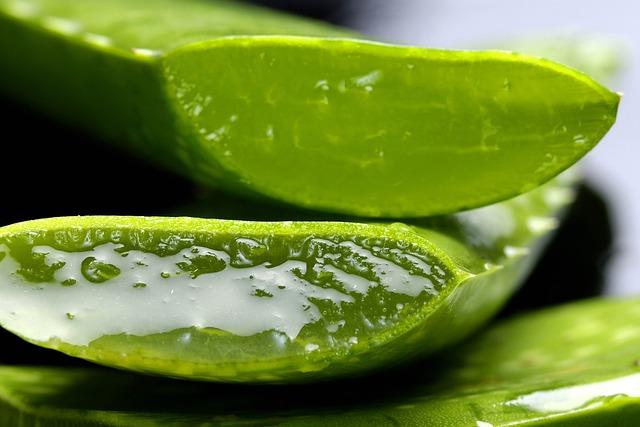
Aloe Vera: Hydration and Relief for Itchy Skin
Aloe vera is a powerful ally when it comes to soothing itchy skin. This natural remedy boasts a plethora of benefits, making it a popular choice for those seeking relief from discomfort without resorting to harsh chemicals. The gel found in the leaves of the aloe vera plant is packed with essential nutrients, including vitamins, amino acids, and enzymes, which contribute to its hydrating and calming effects.
Among its many properties, these stand out for relieving itchiness:
- Moisturization: Aloe vera acts as an excellent moisturizer, effectively hydrating the skin and preventing dryness that often leads to irritation.
- Anti-inflammatory Benefits: Its anti-inflammatory properties help reduce redness and swelling, making it ideal for conditions like eczema or psoriasis.
- Cooling Sensation: The natural cooling effect creates instant comfort and relief, especially after exposure to the sun or insect bites.
To harness the benefits of aloe vera, simply apply pure aloe gel directly onto the affected area. For a more refreshing experience, consider refrigerating the gel before use. By incorporating aloe into your skincare routine, you can restore balance to your skin and enjoy long-lasting relief from itchiness.

Chamomile: The Gentle Herb for Inflammation and Irritation
Chamomile, often celebrated for its soothing properties, has gained recognition as a natural remedy for various skin irritations, including itchiness. This gentle herb contains compounds like bisabolol and chamazulene, known for their anti-inflammatory and calming effects. By incorporating chamomile into your skincare routine, you can help alleviate uncomfortable symptoms associated with inflammation and irritation.
There are several ways to enjoy the benefits of chamomile for itchy skin:
- Chamomile Tea Rinse: Brew chamomile tea, let it cool, and use it as a rinse after cleansing your skin.
- Chamomile Compress: Soak a clean cloth in brewed tea and apply it as a soothing compress on affected areas.
- Topical Applications: Look for creams or ointments containing chamomile extract to directly target irritated skin.
Additionally, chamomile’s properties can create a protective barrier on the skin, helping to retain moisture and prevent further irritation. Its gentle nature makes it suitable for all skin types, even for those with sensitive or allergy-prone skin. By embracing chamomile as part of your natural skincare arsenal, you can find relief from itchiness while promoting overall skin health.

DIY Herbal Treatments: Simple Recipes for Skin Relief
Herbs That Alleviate Itchy Skin
If you’re seeking relief from itchy skin, several herbs can offer soothing properties. Each herb brings unique benefits, targeting various causes of inflammation and irritation. Consider trying the following:
- Chamomile: Known for its anti-inflammatory and calming effects, chamomile can be brewed into a tea or used as an essential oil to relieve itchiness.
- Aloe Vera: The gel extracted from aloe vera leaves is renowned for its cooling properties. It hydrates the skin and reduces irritation effectively.
- Calendula: This bright flower has antimicrobial properties and is often used in ointments and creams to soothe rashes and dry skin.
- Witch Hazel: A natural astringent, witch hazel can calm irritated skin and reduce inflammation. It’s best applied topically for instant relief.
Simple Herbal Remedies to Prepare at Home
Creating your own herbal treatments can be simple and rewarding. Here are a few easy recipes you can try at home:
| Herbal Remedy | Ingredients | Instructions |
|---|---|---|
| Chamomile Tea Soak | 2 chamomile tea bags, warm water | Steep tea bags in warm water. Soak a cloth and apply to affected areas for 15 minutes. |
| Aloe Vera Gel Application | Fresh aloe vera leaf | Cut leaf and extract gel. Apply directly to itchy skin as needed. |
| Calendula Salve | 1 cup olive oil, 2 tbsp dried calendula flowers, beeswax | Infuse calendula in olive oil, strain, then melt with beeswax to make a salve. |
These remedies not only utilize nature’s bounty but also empower you to manage your skin’s health. Remember to conduct a patch test before fully applying any new remedy to ensure there are no adverse reactions.

When to Seek Professional Help: Knowing When to Take It Further
While many individuals find relief from itchy skin through natural remedies, there are times when self-care isn’t enough. If you’re experiencing persistent irritation or the discomfort escalates despite using herbal solutions, it might be time to consult a professional. Recognizing the right moments to seek help can be crucial for your skin’s health.
Consider reaching out to a healthcare provider if you notice:
- Severe itching: If the itch disrupts your daily activities or sleep, it’s a sign to seek medical advice.
- Worsening symptoms: When your skin condition is getting worse or new symptoms appear, it’s essential to consult a professional.
- Signs of infection: Look out for redness, swelling, and drainage, as these could indicate a secondary infection.
- Systemic issues: If you experience swelling, difficulty breathing, or other systemic symptoms, immediate medical attention is warranted.
In some cases, an underlying condition such as eczema or psoriasis may be contributing to your itchiness. A dermatologist can help identify these issues and provide a tailored treatment plan. Don’t hesitate to seek professional help; your skin deserves the best care possible.
FAQ
Q&A: What Herb is Good for Itchy Skin? Natural Relief for Itchiness!
Q: What are some common causes of itchy skin?
A: Itchy skin can be caused by a variety of factors, including dry skin, allergies, insect bites, skin conditions like eczema or psoriasis, and even reactions to certain fabrics or products. Identifying the cause is crucial for effective treatment.
Q: What herb is often recommended for relieving itchy skin?
A: One of the most commonly recommended herbs for itchy skin is calendula. It’s well-known for its anti-inflammatory and soothing properties. Calendula can help reduce redness and irritation, making it a great natural remedy for various skin issues.
Q: How can I use calendula for itch relief?
A: Calendula can be used in several forms. You can find calendula-infused oils, creams, and balms in stores. Alternatively, you can make a simple calendula tea, let it cool, and apply it to the affected area with a clean cloth. This can provide instant relief and promote healing.
Q: Are there other herbs that can help with itchy skin?
A: Yes, indeed! Chamomile is another fantastic option. It has anti-inflammatory properties and can soothe skin irritation. Applying chamomile tea or cream can also provide relief. Aloe vera is also well-regarded for its cooling properties and is often used for sunburns or irritations. It’s gentle and hydrating, making it perfect for dry, itchy skin.
Q: Can I safely mix these herbs with other ingredients?
A: Absolutely! Many people find success combining herbs. For example, mixing chamomile and calendula in a soothing ointment or lotion could enhance the overall relief. Just make sure to do a patch test on a small area of skin first to ensure you don’t have any allergic reactions.
Q: Are there any precautions I should take when using herbs for my skin?
A: Yes, it’s important to do a patch test before applying any new herb or product to a larger area of your skin. Also, if you have sensitive skin or allergies, consult with a healthcare professional or a qualified herbalist before starting any herbal remedy. Always seek medical advice if you have persistent or severe itchiness.
Q: How can I prevent itchy skin from occurring in the first place?
A: Prevention is key! Keep your skin well-hydrated, avoid overly hot showers, and consider using gentle, fragrance-free products. If you know you have allergies, try to avoid known triggers. Wearing breathable, soft fabrics can also help reduce irritation.
Q: Is it safe to rely solely on herbs for treating itchy skin?
A: While herbs can be incredibly effective for mild cases of itchy skin, it’s important to listen to your body. If your itchiness persists or worsens, it’s best to consult a healthcare provider. They can help diagnose any underlying conditions and offer appropriate treatments alongside herbal remedies.
Q: Where can I find these herbs for treating itchy skin?
A: You can find calendula, chamomile, and aloe vera products at health food stores, pharmacies, or online. Make sure to choose high-quality, organic options for the best results. Additionally, you can grow some of these herbs in your garden for fresh access!
With nature’s help, you can find that soothing relief you seek against itchy skin. Remember, it’s always wise to stay informed and take a personalized approach to your skincare needs!
In Conclusion
finding relief for itchy skin doesn’t have to be a daunting journey. Nature offers a variety of herbs that can soothe irritation and restore comfort to your skin. Whether you choose chamomile for its anti-inflammatory properties, calendula for its healing benefits, or peppermint for a refreshing coolness, there’s a natural remedy waiting to bring you relief. Remember, it’s always best to consult with a healthcare professional before trying new treatments, especially if your itchiness persists. Embrace the healing power of nature and give your skin the care it deserves! Here’s to a happier, itch-free you!