What Herb Is Good for Nerves? Calming Solutions You Need to Know
Feeling frazzled? Is stress turning you into a human blender, spinning out of control? Fear not! If you’ve ever been told to “calm down” while your nerves are doing the cha-cha, you’re in the right place. In this article, we’ll uncover herbal heroes that don’t just look good on your spice rack, but also work wonders for your well-being. Say goodbye to the jittery you and hello to a more zen version of yourself—without needing to set foot in a yoga studio or spend a fortune on fancy teas. Ready to trade your anxiety for tranquility? Let’s dive into the leafy world of natural calming solutions and discover which herb is the ultimate remedy for those frayed nerves!

Article Contents
- Understanding the Impact of Stress on Nerve Health
- Exploring the Healing Properties of Herbal Remedies
- Chamomile: A Gentle Soother for Anxious Minds
- Lavender: Nature’s Calming Hero for Nerve Relief
- Passionflower: The Hidden Gem for Stress Reduction
- Incorporating Herbal Solutions into Your Daily Routine
- Safety and Considerations When Using Herbal Remedies
- When to Seek Professional Help for Nervous Tensions
- FAQ
- To Wrap It Up
Understanding the Impact of Stress on Nerve Health
Stress can significantly impact nerve health, contributing to various physical and psychological ailments. When the body experiences prolonged periods of stress, it releases stress hormones like cortisol, which can lead to inflammation and disrupt the delicate balance of neurotransmitters. This dysregulation can affect nerve communication, stimulating symptoms such as anxiety, irritability, and fatigue.
Understanding the connection between stress and nerve health underscores the importance of managing stress effectively. Here are some common effects of stress on nerve health:
- Increased Inflammation: Persistent stress can result in chronic inflammation, potentially damaging nerve cells.
- Disrupted Sleep Patterns: Stress often leads to insomnia, which is crucial for nerve repair and cognitive function.
- Heightened Anxiety Levels: Stress exacerbates anxiety disorders, impacting overall well-being and emotional stability.
To mitigate these effects, incorporating calming herbs into your daily routine can help balance the nervous system and promote relaxation. Exploring natural remedies not only aids in enhancing nerve health but also contributes to holistic well-being.

Exploring the Healing Properties of Herbal Remedies
Herbal remedies have been utilized for centuries across various cultures, revered for their potential to support mental well-being. When it comes to nerve health and calming anxiety, several herbs shine brightly due to their unique properties:
- Chamomile: Known for its soothing effects, chamomile can help relax both the mind and body, making it an excellent choice for easing tensions.
- Lavender: This aromatic herb is often used to promote relaxation and has been shown to reduce anxiety levels, providing a gentle calm.
- Passionflower: Traditionally utilized to treat insomnia and anxiety, passionflower may enhance your overall mood and promote a restful night’s sleep.
- Valerian Root: Frequently employed as a natural sleep aid, valerian root helps alleviate nervousness and anxiety, offering a peaceful respite.
- Ashwagandha: An adaptogen, ashwagandha is renowned for its ability to help the body manage stress and maintain balance.
These herbs can be consumed in various forms, including teas, tinctures, or supplements. For a quick reference on how each herb can support nerve health, the table below summarizes their primary benefits:
| Herb | Primary Benefit |
|---|---|
| Chamomile | Reduces anxiety and promotes relaxation |
| Lavender | Helps in stress relief and enhances sleep quality |
| Passionflower | Improves mood and combats insomnia |
| Valerian Root | Alleviates nervousness and encourages restful sleep |
| Ashwagandha | Supports stress management and overall balance |
Incorporating these herbs into your daily routine can provide gentle yet effective support for nervousness. As always, it’s advisable to consult with a healthcare provider, particularly if you are on medication or have health concerns.
Chamomile: A Gentle Soother for Anxious Minds
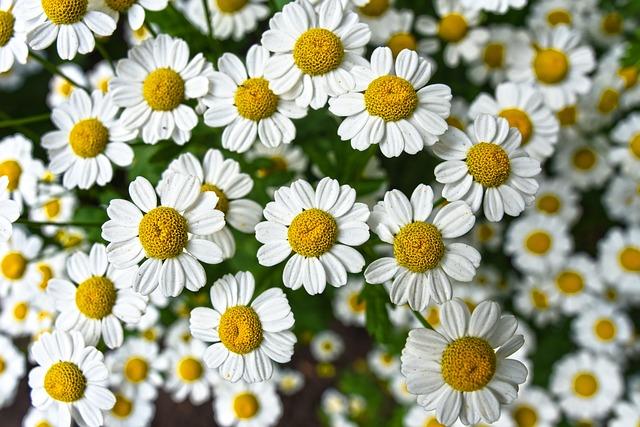
Chamomile is renowned for its calming properties, often regarded as a gentle remedy for those seeking relief from anxiety. This delicate flower, belonging to the Asteraceae family, has been cherished for centuries, not only for its soothing aroma but also for its beneficial effects on mental health. Historically used in teas and tinctures, chamomile has earned its place in the hearts of people who prefer natural solutions to anxiety.
Incorporating chamomile into your daily routine can be as simple as brewing a warm cup of chamomile tea. The active compounds, such as apigenin, bind to specific receptors in the brain, promoting tranquility and easing stress. Here are a few ways to enjoy chamomile:
- Chamomile Tea: Sip a warm cup before bed to unwind and prepare for restful sleep.
- Aromatherapy: Use chamomile essential oil in a diffuser to create a calming environment in your home.
- Chamomile Capsules: Convenient for on-the-go relief, these supplements offer a quick way to access chamomile’s benefits.
To better understand its effects, consider the following table outlining chamomile’s key benefits:
| Benefit | Description |
|---|---|
| Reduces Anxiety | Helps to calm the mind and alleviate feelings of anxiety. |
| Improves Sleep Quality | Promotes relaxation and better sleep patterns. |
| Supports Digestion | Soothes digestive issues, reducing discomfort and stress. |
Whether you prefer sipping a warm cup or inhaling its soothing aroma, chamomile remains a versatile ally for maintaining calmness in the hectic pace of modern life.

Lavender: Nature’s Calming Hero for Nerve Relief
When it comes to soothing the mind and body, few herbs can rival the calming properties of lavender. This versatile plant has been cherished for centuries not only for its delightful fragrance but also for its remarkable ability to promote relaxation and alleviate stress. Rich in essential oils, especially linalool and linalyl acetate, lavender offers a gentle sedative effect that can help ease tension and support restful sleep.
Here are some ways lavender can benefit your nerve health:
- Stress Relief: Inhaling lavender essential oil or using it in aromatherapy can reduce the production of stress hormones, leading to a greater sense of calm.
- Improves Sleep Quality: Lavender is often used in sleep aids for its ability to help mitigate insomnia and improve overall sleep patterns.
- Enhances Mood: The aroma of lavender has been shown to elevate mood and may help alleviate symptoms of anxiety and depression.
| Benefit | How It Works |
|---|---|
| Calming Effect | Inhalation of lavender aroma increases alpha waves in the brain, promoting relaxation. |
| Reduced Anxiety | Lavender lowers heart rate and blood pressure, creating a serene state. |
| Restorative Sleep | Lavender assists in balancing neurotransmitters that regulate sleep cycles. |
Incorporating lavender into your daily routine can be as simple as using lavender-infused oils, teas, or even dried flowers in a sachet. Whether you’re battling daily stressors or seeking a peaceful night’s sleep, lavender stands out as a natural ally in nurturing your nerve health and promoting a sense of calm.

Passionflower: The Hidden Gem for Stress Reduction
Among the myriad of natural remedies for stress relief, passionflower stands out as a remarkable option, often overlooked. This beautiful plant, known scientifically as Passiflora incarnata, has been used for centuries by indigenous cultures to promote relaxation and alleviate anxiety. The leaves and stems of the passionflower contain a variety of compounds that can enhance mood and help bring a sense of calm during turbulent times.
Here are some of the notable benefits of passionflower:
- Reduces Anxiety: Studies suggest that passionflower may help in lowering anxiety levels by increasing the production of gamma-aminobutyric acid (GABA) in the brain.
- Improves Sleep Quality: Its sedative properties may help those who suffer from insomnia by promoting deeper and more restful sleep.
- Natural Pain Relief: It has been traditionally used to ease discomfort caused by tension headaches and muscle pain.
When it comes to incorporating passionflower into your routine, it’s available in various forms:
| Form | Description |
|---|---|
| Tea | A soothing brew; ideal for relaxation in the evening. |
| Extract | A concentrated form; great for quick relief from anxiety. |
| Capsules | Easy to incorporate into daily routines, offering consistent dosage. |
By turning to passionflower, you might just discover a hidden ally in your quest for stress reduction. Its unique composition not only calms the mind but also nourishes the spirit, promoting a sense of balance and tranquility in today’s hectic world.

Incorporating Herbal Solutions into Your Daily Routine
Integrating herbal solutions into your daily life doesn’t have to be complex. Simple adjustments to your routine can enhance your well-being and keep your nerves calm. Start your day with a warm cup of herbal tea, such as chamomile or lemon balm, known for their soothing properties. Incorporating these calming brews not only helps reduce daily anxiety but also acts as a gentle ritual to center your mind.
Throughout the day, consider keeping herbal tinctures on hand. Here are some effective options to explore:
- Kava Kava – Known for its anti-anxiety effects, this herb can help take the edge off stressful situations.
- Passionflower – This calming herb is often used to alleviate nervousness and promote relaxation.
- Lavender – Frequently used in aromatherapy, lavender oil can help soothe nerves when diffused or applied topically.
To structure your herbal intake, you might find the following approach useful. This simple table outlines a basic daily schedule for incorporating these calming herbs:
| Time | Herb | Method |
|---|---|---|
| Morning | Chamomile | Tea |
| Midday | Kava Kava | Tincture |
| Evening | Lavender | Aromatherapy |
Consistency is key. By making these herbal solutions a regular part of your life, you can create a supportive environment that cultivates peace and reduces stress. Remember, it’s essential to listen to your body and adjust based on what feels right for you.

Safety and Considerations When Using Herbal Remedies
When exploring herbal remedies for managing nerves, it’s paramount to prioritize safety and consider several factors. Not all herbs are suitable for everyone, and individual reactions can vary. Before incorporating any new herbal treatment into your routine, engage in a discussion with a healthcare provider, especially if you are pregnant, nursing, or taking prescription medications.
Here are some essential considerations:
- Quality of Herbs: Ensure that the herbs you choose are sourced from reputable suppliers. Contaminated or poorly processed herbs can cause adverse effects.
- Dosage: Stick to recommended dosages. Overconsumption of herbal remedies can lead to toxicity or ineffective results.
- Allergies and Sensitivities: Be aware of any personal allergies or sensitivities to specific plants, as even natural substances can provoke reactions.
- Drug Interactions: Some herbs can interact with medications, altering their effectiveness or increasing the risk of side effects. Always consult with a healthcare professional.
| Herb | Common Use | Considerations |
|---|---|---|
| Chamomile | Relaxation, sleep aid | May cause drowsiness, avoid driving. |
| Lavender | Anxiety reduction, calming | Can interact with sedatives, monitor usage. |
| Passionflower | Stress relief | May cause dizziness, not for long-term use without a doctor’s guidance. |
| Valerian Root | Sleep aid, anxiety relief | Can cause grogginess, avoid heavy machinery. |
By understanding these safety tips and considerations, you can enjoy the potential benefits of herbal remedies while minimizing risks. Always approach herbal treatments with caution and respect for your body’s unique needs.

When to Seek Professional Help for Nervous Tensions
Nervous tensions can manifest in various ways, from subtle anxiety to overwhelming stress that affects daily life. Recognizing when it’s time to seek professional help is crucial for your mental well-being. Consider reaching out to a specialist if you experience:
- Persistent Anxiety: If feelings of nervousness linger for weeks or months and affect your ability to function.
- Physical Symptoms: Experiencing heart palpitations, headaches, or gastrointestinal issues directly related to your anxiety.
- Difficulty in Daily Activities: Struggling to perform normal tasks, whether at work or home, due to overwhelming nervousness.
- Substance Abuse: Turning to alcohol, drugs, or other harmful coping mechanisms to handle your stress.
- Relationship Strain: Noticing that your anxiety is affecting your personal or professional relationships.
Don’t hesitate to seek support from mental health professionals such as therapists or counselors, who can provide you with effective strategies to manage your nerves. They can offer personalized advice and solutions, including therapy options and possibly even integrating herbal remedies like chamomile or passionflower to supplement your treatment.
| Signs You Need Help | Suggested Actions |
|---|---|
| Constant Worry | Schedule a consultation with a therapist. |
| Sleep Disturbance | Discuss sleep techniques with a healthcare provider. |
| Social Withdrawal | Consider joining a support group. |
FAQ
Q&A: What Herb Is Good for Nerves? Calming Solutions You Need to Know
Q1: What are the main herbs that are known for their calming properties?
A1: There are several herbs renowned for their calming effects, but a few stand out. Some of the most popular include chamomile, lavender, valerian root, and passionflower. Chamomile is often consumed as a tea and is well-known for its relaxing qualities. Lavender, with its soothing scent, can be used in aromatherapy or as an infusion. Valerian root is quite effective for promoting sleep and reducing anxiety, while passionflower has been used for centuries to alleviate nervousness and insomnia.
Q2: How do these herbs actually work to calm the nerves?
A2: The calming effects of these herbs generally stem from their phytochemical properties. For instance, chamomile contains apigenin, an antioxidant that binds to certain brain receptors, promoting tranquility. Lavender acts on the neurotransmitter systems that can help reduce anxiety. Valerian root increases gamma-aminobutyric acid (GABA) levels in the brain, which is known to lower stress levels. Passionflower is believed to increase GABA as well, contributing to its calming effects.
Q3: Are there any side effects associated with these herbs?
A3: Generally, these herbs are considered safe when used as directed. However, some individuals may experience mild side effects. Chamomile can cause allergic reactions in those sensitive to plants in the daisy family. Lavender might lead to hormonal effects in certain individuals, especially if used excessively. Valerian root can cause drowsiness, so it’s best to avoid driving after consumption. Passionflower is usually safe but can cause dizziness or confusion in some cases. Always consult with a healthcare provider if you’re unsure or if you’re taking other medications.
Q4: How can I incorporate these herbs into my daily routine?
A4: There are many ways to include these herbs in your routine! Chamomile can be enjoyed as a warm tea before bedtime. Lavender can be added to your bath or used in a diffuser to create a calming ambiance. Valerian root is often available as capsules or tinctures, while passionflower can be found in teas or extracts. You could also make a soothing herbal blend; for instance, a sleep-inducing tea with valerian and chamomile is a great option. Just remember to start with lower doses to assess your body’s response.
Q5: Can these herbs replace medication for anxiety or nervousness?
A5: While these herbs can be beneficial for managing mild anxiety and promoting relaxation, they shouldn’t be seen as direct replacements for prescribed medication. Herbal remedies may work well for some individuals, but others with more severe anxiety disorders may require professional treatment. It’s important to discuss any changes to your health regimen with a healthcare provider to ensure a safe and effective approach.
Q6: Are there any other lifestyle changes I can make to support my nervous system along with these herbs?
A6: Absolutely! Integrating certain lifestyle changes can amplify the benefits of these calming herbs. Regular exercise is crucial; even a daily walk can help clear your mind and reduce stress. Practicing mindfulness or meditation can also foster a sense of calm. Additionally, ensuring you get enough sleep, maintaining a balanced diet, and finding healthy outlets for relaxation – like journaling or engaging in hobbies you enjoy – can significantly support your nervous system.
Q7: Where can I find these herbs?
A7: These herbs are widely available in health food stores, pharmacies, and online. Look for high-quality products from reputable brands to ensure efficacy and safety. You can find them as dried herbs, teas, extracts, or capsules, depending on your preference. Always check for organic options when possible, as this can enhance the quality of the herb you’re consuming.
This Q&A should help you understand the calming properties of various herbs, providing practical solutions for managing stress and supporting your nervous system.
To Wrap It Up
managing stress and nurturing your nervous system can be achieved naturally with the help of herbs. Whether you opt for the soothing properties of chamomile, the calming effects of lavender, or the anxiety-reducing benefits of ashwagandha, each herb offers unique properties that can enhance your overall well-being. Remember, though, it’s always a good idea to consult with a healthcare professional before incorporating new herbs into your routine, especially if you’re on medication or have existing health conditions. Embrace the power of nature and discover the calming solutions that work for you—because you deserve a peaceful mind and a tranquil spirit!