What Herb Is Good for Stomach Pain? Herbal Solutions: If you’ve ever felt like your stomach is auditioning for a dramatic role in a soap opera, then you’re not alone! Whether it’s a case of too many tacos or that mysterious buffet item you dared to try, stomach pain can hit us when we least expect it. But fear not, dear reader—Mother Nature has a treasure trove of herbs ready to come to your rescue! In this article, we’ll explore the herbal heroes that can soothe your belly and restore peace to your digestive drama. So, let’s laugh in the face of gastrointestinal turmoil and dive into the world of herbal solutions that promise to bring comfort and relief—because nobody enjoys being doubled over in discomfort!

Article Contents
- Understanding Stomach Pain: Common Causes and Symptoms
- Herbs That Alleviate Discomfort: An Overview of Natural Remedies
- Ginger: Your Go-To Solution for Nausea and indigestion
- Peppermint: Calming Cramping and Enhancing Digestion
- Chamomile: A Soothing Herb for Stress-Related Stomach Issues
- Fennel Seeds: A Digestive Aid for Bloating and Gas
- Turmeric: The Anti-Inflammatory Powerhouse for Gastrointestinal Health
- How to Use Herbs Safely: Tips for Maximum Benefits and Precautions
- Frequently Asked Questions
- Insights and Conclusions
Understanding Stomach Pain: Common Causes and Symptoms
Stomach pain can stem from various causes, ranging from digestive disorders to stress and dietary choices. Understanding the underlying issues is crucial for effective treatment, especially when considering herbal remedies. Some common causes of stomach pain include:
- Gas and bloating: This often occurs after consuming certain foods, like beans or dairy, leading to discomfort.
- Gastroenteritis: Infections in the stomach can trigger pain, nausea, and diarrhea.
- Acid reflux: When stomach acid flows back into the esophagus, it can cause burning sensations and pain.
- Stomach ulcers: These sores on the lining of the stomach can cause significant discomfort and require medical attention.
Key symptoms accompanying stomach pain can vary widely based on the cause. Common symptoms include:
- Abdominal cramps: Sudden, sharp pains that can be intermittent or continuous.
- Nausea: A feeling of discomfort that may lead to vomiting.
- Changes in bowel habits: This may involve diarrhea, constipation, or altered stool consistency.
- Loss of appetite: A decreased desire to eat often accompanies various digestive issues.
When considering herbal solutions for stomach pain, different herbs have shown beneficial effects, easing discomfort naturally:
| Herb | Benefits |
|---|---|
| Ginger | Reduces nausea and alleviates digestive issues. |
| Peppermint | Soothes the digestive tract and relieves gas. |
| Chamomile | Offers anti-inflammatory properties and promotes relaxation. |
| Fennel | Helps reduce bloating and abdominal discomfort. |
By combining knowledge of common causes and appropriate herbal remedies, individuals can better manage their stomach pain while fostering overall digestive health.
Herbs That Alleviate Discomfort: An Overview of Natural Remedies
When it comes to soothing stomach pain, several herbs have stood the test of time as effective natural remedies. These herbs not only provide relief but also support digestive health in a holistic manner. Here are a few standout options:
- Ginger: Renowned for its anti-inflammatory properties, ginger can ease nausea and discomfort. Whether consumed as a tea or taken in supplement form, it’s a go-to herb for many.
- Peppermint: The menthol in peppermint helps relax the muscles of the gastrointestinal tract, making it an excellent choice for soothing cramping and gas. A cup of peppermint tea can be a comforting end to a meal.
- Chamomile: Known for its calming properties, chamomile can help reduce inflammation and promote digestive relaxation. Sipping chamomile tea can aid in calming an upset stomach.
| Herb | Benefits | Usage |
|---|---|---|
| Ginger | Reduces nausea and inflammation | Tea or supplements |
| Peppermint | Relaxes GI muscles, eases gas | Tea or oil |
| Chamomile | Calms inflammation, promotes relaxation | Tea |
Incorporating these herbs into your routine can provide a natural, gentle approach to alleviating stomach discomfort. Always consider consulting with a healthcare professional before starting any herbal remedy, especially if you have existing health conditions or are taking medications.
Ginger: Your Go-To Solution for Nausea and indigestion
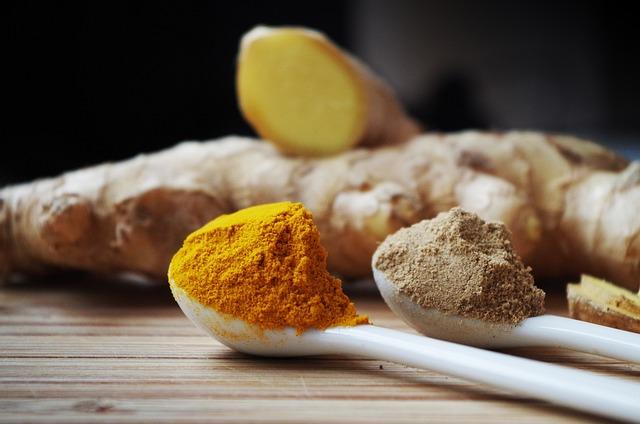
When it comes to soothing a troubled stomach, ginger often takes the spotlight as a natural remedy. This versatile root has been used for centuries across various cultures for its remarkable ability to alleviate symptoms of nausea and indigestion. Its active compounds, such as gingerol, work by relaxing the gastrointestinal tract, providing quick relief from discomfort.
Here are some of the key benefits of incorporating ginger into your diet:
- Nausea Relief: Ginger is a well-known remedy for nausea, particularly during pregnancy or after surgery.
- Digestive Aid: It stimulates the production of digestive enzymes, helping the body break down food more efficiently.
- Anti-inflammatory Properties: Ginger can reduce inflammation in the stomach lining, aiding in overall digestion.
For those looking to experience the benefits of ginger, here are some simple ways to incorporate it into your lifestyle:
| Method | Description |
|---|---|
| Ginger Tea | Brew fresh ginger slices in hot water for a soothing beverage. |
| Ginger in Cooking | Add fresh or powdered ginger to stir-fries, soups, or marinades. |
| Ginger Supplements | Consider capsules or extracts for a concentrated dose. |
This powerful herb not only enhances flavor but also acts as a natural ally for your digestive health, making it a staple in any home remedy toolkit.
Peppermint: Calming Cramping and Enhancing Digestion
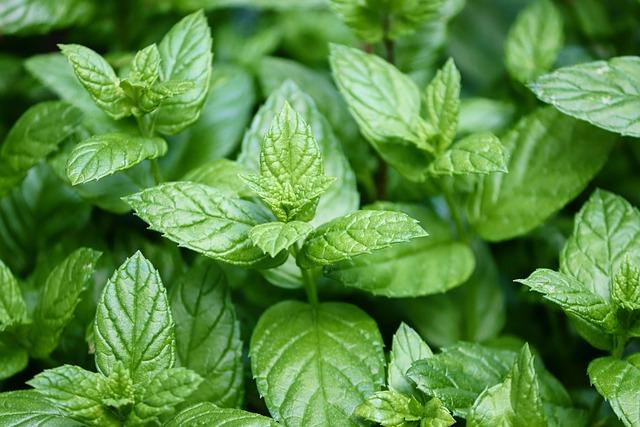
Peppermint has long been cherished for its refreshing flavor and therapeutic properties, particularly when it comes to alleviating digestive issues. The soothing qualities of peppermint make it an excellent choice for calming cramping and discomfort associated with various stomach ailments.
Many studies suggest that peppermint oil can help relax the muscles of the gastrointestinal tract. This relaxation can reduce the occurrences of spasms, providing significant relief for those suffering from conditions such as:
- Irritable Bowel Syndrome (IBS)
- Indigestion
- Gas and Bloating
In addition to its muscle-relaxing effects, peppermint may also enhance digestion by promoting bile flow, a crucial element in the breakdown of food. People often enjoy peppermint tea or capsules to harness its benefits; however, it’s essential to be mindful of dosage and any potential side effects. Below is a simple comparison of different forms of peppermint:
| Form | Benefits | Considerations |
|---|---|---|
| Peppermint Tea | Soothes stomach cramps; easy to make | May not be strong enough for severe symptoms |
| Peppermint Oil Capsules | Targeted relief for IBS; potent dosage | Consult with a healthcare provider before use |
| Peppermint Essential Oil | Can be used for aromatherapy; relaxes mind | Not recommended for ingestion; strong scent |
Integrating peppermint into your wellness routine could be a potent step towards not just reducing stomach pain, but also enhancing overall digestive health.

Chamomile: A Soothing Herb for Stress-Related Stomach Issues
Chamomile has been cherished for centuries as a gentle remedy for various ailments, particularly those related to stress and digestive discomfort. This delicate flower, known for its calming properties, can play a pivotal role in addressing stress-induced stomach issues. Drinking chamomile tea not only helps soothe anxiety but may also alleviate gastrointestinal distress by relaxing the muscles of the intestines.
Incorporating chamomile into your wellness routine can be as simple as sipping on a warm cup of tea. Here are some key benefits of chamomile for stomach health:
- Anti-inflammatory Properties: Chamomile contains antioxidants that can help reduce inflammation in the stomach lining.
- Muscle Relaxant: The herb acts as a natural sedative, easing tension in the digestive tract and promoting relaxation.
- Digestive Aid: Chamomile can help with bloating, gas, and indigestion, making it a versatile addition to your herbal toolkit.
To maximize its benefits, consider creating a soothing chamomile concoction. A simple recipe could be:
| Ingredients | Instructions |
|---|---|
| 1 tablespoon dried chamomile flowers | Boil water and steep the chamomile for 5-10 minutes. |
| 1 cup of water | Strain and enjoy, optionally adding honey or lemon. |
By introducing chamomile into your diet, you may discover relief from the discomfort caused by stress-related stomach issues. Its soothing qualities not only nourish your body but also your mind, paving the way for a more balanced and peaceful life.

Fennel Seeds: A Digestive Aid for Bloating and Gas
Fennel seeds have long been treasured in traditional medicine for their powerful digestive benefits, particularly in alleviating bloating and gas. These tiny seeds, with their sweet, anise-like flavor, not only lend a distinct taste to various dishes but also offer a range of health benefits when consumed. One of the key compounds in fennel seeds, anethole, is known to have carminative properties, which means it helps to reduce gas formation and soothe the gastrointestinal tract.
Many people find relief by simply chewing a teaspoon of fennel seeds after meals. This age-old remedy can calm the digestive system, invigorate digestion, and significantly reduce discomfort caused by excess gas. Additionally, fennel seeds can be brewed into a warm tea, which is another effective way to harness their digestive powers. The warmth of the tea combined with the inherent qualities of fennel can enhance relaxation and promote further relief.
Incorporating fennel seeds into your diet is simple and versatile. Here are a few easy methods:
- Tea: Steep a teaspoon of crushed fennel seeds in hot water for 5-10 minutes.
- Sprinkle: Add crushed seeds to salads or roasted vegetables for a flavor boost and digestive aid.
- Snack: Enjoy a small handful of seeds as a post-meal snack to freshen breath and ease digestion.
Turmeric: The Anti-Inflammatory Powerhouse for Gastrointestinal Health
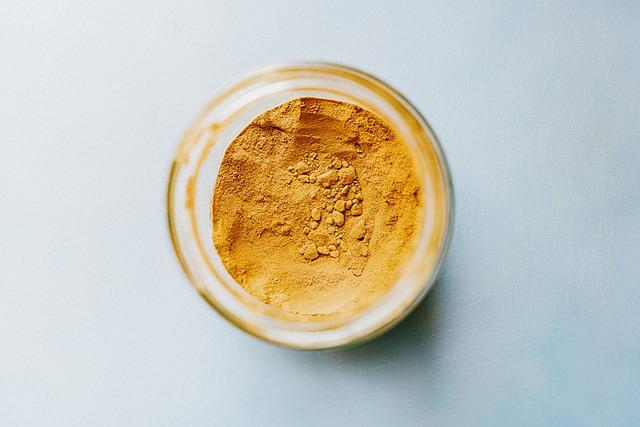
When it comes to soothing gastrointestinal discomfort, turmeric emerges as a remarkable contender. Its active component, **curcumin**, is renowned for its potent anti-inflammatory properties, which can significantly alleviate digestive issues. By modulating inflammatory pathways in the gut, turmeric not only helps reduce bloating and gas but also supports the overall health of the digestive tract.
Incorporating turmeric into your diet can be as simple as:
- Adding it to smoothies for a nutritious boost.
- Sprinkling it on roasted vegetables for added flavor.
- Mixing it into soups or broths for comforting warmth.
To harness the full potential of turmeric, consider a few practical tips:
| Tip | Benefits |
|---|---|
| Pair with Black Pepper | Enhances curcumin absorption. |
| Use Fresh Root | Offers more potent anti-inflammatory effects. |
| Incorporate Healthy Fats | Improves nutrient absorption and supports gut health. |
With its rich history as a herbal remedy, turmeric stands out not only for its health benefits but also for its versatility in the kitchen. By embracing this golden spice, you’re taking a proactive step toward enhancing your gastrointestinal well-being.

How to Use Herbs Safely: Tips for Maximum Benefits and Precautions
Herbs offer a natural approach to alleviating stomach pain, but it’s essential to use them safely to maximize their benefits while minimizing risks. First, always **consult with a healthcare professional** before starting any herbal treatment, especially if you are pregnant, nursing, or on prescribed medications. Here are some valuable tips to keep in mind:
- **Choose reputable sources**: Always purchase herbs from reliable suppliers who provide information about their sourcing and manufacturing processes.
- **Understand dosage**: Follow recommended dosages to avoid adverse effects. Too much of even a natural herb can lead to complications.
- **Monitor for side effects**: Start with small amounts and observe your body’s reaction. If you experience any negative symptoms, discontinue use immediately.
- **Research interactions**: Some herbs can interact with medications or other supplements. Being informed will help you avoid unwanted side effects.
| Herb | Potential Benefit for Stomach Pain |
|---|---|
| Ginger | Helps with nausea and gastrointestinal discomfort. |
| Peppermint | Relaxes gastrointestinal muscles, reducing cramping. |
| Chamomile | Soothes the stomach and aids digestion, promoting overall comfort. |
| Fennel | Reduces bloating and gas, providing relief from digestive issues. |
Using herbs for stomach pain can be effective, but following safety guidelines is crucial for your health. By being informed and cautious, you can enjoy the benefits that these natural remedies have to offer.
Frequently Asked Questions
Q&A: What Herb Is Good for Stomach Pain? Herbal Solutions
Q: What are some common herbs that can help with stomach pain?
A: There are several herbs known for their soothing effects on stomach pain. Some of the most recommended include ginger, peppermint, chamomile, and fennel. Each of these herbs has unique properties that can help alleviate discomfort in different ways.
Q: How does ginger help with stomach pain?
A: Ginger is widely celebrated for its anti-inflammatory and anti-nausea properties. It can help with various digestive issues, including bloating, gas, and nausea. You can consume ginger as a tea, in capsules, or by adding fresh ginger to your meals.
Q: I’ve heard peppermint is good for stomach pain. Can you explain why?
A: Absolutely! Peppermint contains menthol, which has a calming effect on the muscles of the gastrointestinal tract. This can help relieve symptoms of indigestion, bloating, and irritable bowel syndrome (IBS). Drinking peppermint tea or sucking on peppermint candies can be effective ways to harness its benefits.
Q: What about chamomile? How does it work for stomach discomfort?
A: Chamomile is a gentle herb often used to promote relaxation and relieve stress, which can be helpful since stress can exacerbate stomach issues. It has anti-inflammatory properties, making it great for soothing the digestive system. Drinking chamomile tea before or after meals may help ease stomach pain.
Q: Fennel is another herb I’ve heard can help with stomach pain. What’s its benefit?
A: Fennel has carminative properties, meaning it can help reduce gas and bloating. It relaxes the muscles in the digestive tract, which can alleviate cramping and discomfort. Enjoy fennel tea or add fennel seeds to your meals for relief.
Q: Are there any precautions I should take when using herbs for stomach pain?
A: Yes, while herbs can be beneficial, it’s important to consider individual tolerances and health conditions. Some people may be allergic to certain herbs or have conditions that can be aggravated by them. Always consult with a healthcare professional if you have underlying health issues or are pregnant or nursing.
Q: Can I use these herbs in cooking?
A: Definitely! Many of these herbs can be easily incorporated into your cooking. Fresh ginger can spice up stir-fries and soups, while fennel can be roasted or added to salads. Just keep in mind that therapeutic doses may differ from culinary uses, so be sure to research how much to use for medicinal purposes.
Q: How long does it take for these herbs to relieve stomach pain?
A: The time it takes for relief can vary depending on the individual and the herb used. Some may find immediate relief, especially with ginger or peppermint, while others may require regular consumption over a few days. Listening to your body and adjusting accordingly is key.
Q: Can I combine these herbs for better results?
A: Yes, many people find success combining herbs for a synergistic effect. For example, a tea made from ginger and peppermint can enhance digestion and provide quick relief from cramping or pain. Just be mindful of your body’s response when combining different herbs.
Q: When should I seek professional help instead of relying on herbal solutions?
A: If your stomach pain is severe, persistent, or accompanied by other concerning symptoms like fever, vomiting, or unexplained weight loss, it’s crucial to seek professional medical advice. While herbs can provide relief for mild issues, they are not a substitute for professional care in serious situations.
Insights and Conclusions
when it comes to tackling stomach pain, nature often offers its own remedies. From the soothing properties of ginger to the calming effects of peppermint, various herbs can provide relief and comfort. Always remember to listen to your body and consult a healthcare professional if your symptoms persist. By incorporating these natural solutions into your daily routine, you may find a gentle yet effective way to manage discomfort. So, the next time stomach troubles arise, consider turning to the herbal solutions nature provides—your tummy will thank you!