What Herbs Are Good for Constipation: Natural Laxatives — Are you tired of feeling like a clogged drain? Does your digestive system need a little nudge in the right direction? Fear not, because nature has a few tricks up her sleeve! While many of us might turn to more conventional remedies when we’re feeling a bit “backed up,” the world of herbs offers a delightful and effective alternative. Not only do these natural laxatives pack a punch, but they also come with tasty flavors that could make your taste buds rejoice while your tummy thanks you. Join us on this herbal adventure, and let’s explore the green wonders that can help you say goodbye to constipation and hello to smooth sailing—without the need for an excavation crew!

Article Contents
- Understanding Constipation: Causes and Symptoms
- The Role of Herbs in Digestive Health
- Top Natural Laxatives: Herbs for Relieving Constipation
- How to Use Herbs Effectively for Constipation Relief
- Safety and Precautions: What You Should Know
- Incorporating Herbs into Your Diet: Tips and Recipes
- When to Consult a Healthcare Professional
- Faq
- In Retrospect
Understanding Constipation: Causes and Symptoms
Constipation is a common digestive issue characterized by infrequent bowel movements, which can lead to discomfort and a general feeling of unease. Understanding its causes is crucial in addressing the problem effectively. Various factors can contribute to constipation, including:
- Dietary choices: Low fiber intake and inadequate hydration are major culprits.
- Physical inactivity: Sedentary lifestyles can slow down bowel function.
- Medications: Certain prescriptions may have constipation as a side effect.
- Medical conditions: Various health issues, such as diabetes and hypothyroidism, can also impact bowel movements.
Symptoms of constipation may include:
- Less than three bowel movements per week.
- Hard or lumpy stools.
- Straining during bowel movements.
- A feeling of incomplete evacuation.
Recognizing these signs can help in seeking appropriate remedies, including the use of herbal treatments known for their natural laxative properties, which may provide relief without the side effects associated with conventional medications.
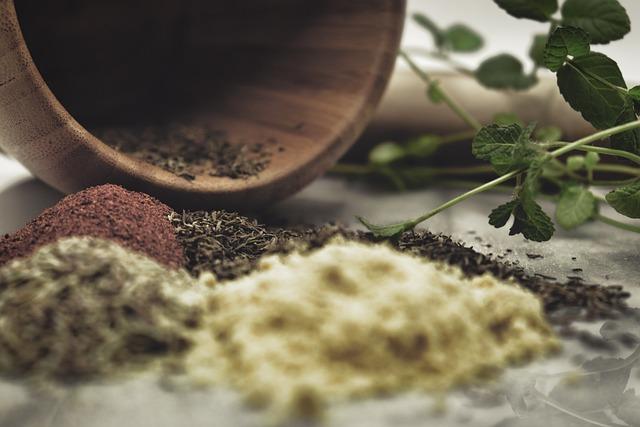
The Role of Herbs in Digestive Health
Herbs have long been utilized in traditional medicine for their ability to support digestive health, particularly for alleviating issues like constipation. These natural remedies not only provide relief but also promote overall gastrointestinal balance. Here are some standout herbs known for their effectiveness:
- Senna: Often found in herbal teas, Senna contains compounds that directly stimulate the lining of the intestines, enhancing peristalsis and encouraging bowel movements.
- Flaxseed: Packed with fiber, flaxseeds can help in adding bulk to stool. They can be consumed whole or ground, and can also be sprinkled over meals for added benefit.
- Psyllium Husk: As a soluble fiber, psyllium husk absorbs water in the intestines, forming a gel-like substance that aids in softening stool and promoting regularity.
- Dandelion: Known for its mild laxative effect, dandelion can help stimulate digestion and increase bile production, which supports overall gut health.
- Chamomile: While often associated with relaxation, chamomile also aids digestion and can help soothe the stomach and intestines, offering comfort for those experiencing constipation.
| Herb | Main Benefit | Usage Tips |
|---|---|---|
| Senna | Stimulates bowel movements | Best used as a tea or capsule |
| Flaxseed | Adds bulk to stool | Can be added to smoothies or yogurt |
| Psyllium Husk | Softens stool | Mix with water or juice |
| Dandelion | Stimulates digestion | Can be consumed as tea or in salads |
| Chamomile | Soothes intestinal discomfort | Drink as a calming tea |
Incorporating these herbs into your diet can provide a natural approach to relieving constipation while promoting a healthy digestive system. By understanding how they work, you can make informed choices that align with your health and wellness goals.

Top Natural Laxatives: Herbs for Relieving Constipation
When seeking relief from constipation, several herbs have garnered attention for their natural laxative properties. These herbs not only promote regularity but also offer a range of additional health benefits. Popular choices include:
- Senna: Often found in over-the-counter laxatives, senna leaf is a powerful natural stimulant that encourages bowel movements.
- Flaxseed: High in omega-3 fatty acids and fiber, ground flaxseed can be added to smoothies or oatmeal for a gentle digestive boost.
- Peppermint: Known for its soothing properties, peppermint may help alleviate abdominal discomfort and encourage digestion.
- Psyllium Husk: This soluble fiber absorbs water and expands in the gut, helping to form a gentle gel that facilitates smoother passage of stool.
- Dandelion Root: Traditionally used as a diuretic, dandelion root can stimulate appetite and digestion while serving as a gentle laxative.
Another notable herb is aloe vera, which contains compounds that can help enhance bowel movement and overall gut health. It’s essential to use aloe vera products specifically designed for internal use, as not all forms are safe for consumption. Additionally, herbs like ginger and cumin can aid in digestion, effectively reducing bloating and discomfort associated with constipation. Incorporating these herbs into your diet can start a journey toward improved digestive health.
| Herb | Main Benefits |
|---|---|
| Senna | Stimulates bowel movements |
| Flaxseed | Rich in fiber; promotes regularity |
| Peppermint | Soothes digestive tract |
| Psyllium Husk | Absorbs water; forms gentle gel |
| Dandelion Root | Supports digestion; mild laxative |
| Aloe Vera | Enhances bowel movement |

How to Use Herbs Effectively for Constipation Relief
Incorporating herbs into your daily routine can provide a gentle yet effective approach to alleviating constipation. Consider integrating the following herbs into your diet:
- Senna: Known for its natural laxative properties, senna is often found in herbal teas and supplements. It stimulates bowel movements, making it a popular choice for occasional constipation relief.
- Dandelion: This common backyard herb acts as a mild laxative and promotes digestion. Dandelion tea can help soften stool and encourage regularity.
- Flaxseed: Rich in dietary fiber, flaxseed can be ground and added to smoothies, yogurt, or baked goods. Its gel-like consistency helps to bulk up and soften stools.
- Chamomile: Known for its calming effects, chamomile tea can also promote digestive health and help ease discomfort associated with constipation.
- Psyllium Husk: This soluble fiber expands in water, helping to move waste through the digestive tract. It’s often recommended as a supplement for persistent constipation.
Using these herbs effectively means understanding their form and dosage. Here’s a quick reference guide:
| Herb | Form | Typical Dosage |
|---|---|---|
| Senna | Tea or capsule | 1-2 times per day |
| Dandelion | Tea or tincture | 2-3 cups daily |
| Flaxseed | Ground seeds | 1-2 tablespoons daily |
| Chamomile | Tea | 2-3 cups daily |
| Psyllium Husk | Powder or capsules | 1 tablespoon daily |
Always ensure to drink plenty of water when consuming these herbs to enhance their effectiveness and prevent dehydration. If you’re considering starting any herbal remedy for constipation, consult with a healthcare professional to tailor the best approach for your individual needs.

Safety and Precautions: What You Should Know
When considering the use of herbs for constipation relief, it’s important to approach this natural remedy with care. While many herbs can help alleviate symptoms, **safety and dosage** are critical to ensure no adverse effects occur. Here are some essential precautions to keep in mind:
Consult a Healthcare Professional: Before introducing any new herb into your routine, especially if you are pregnant, nursing, or have underlying health conditions, it’s wise to consult with a healthcare provider. They can help determine the most suitable options for your needs.
Moderation is Key: Overconsumption of laxative herbs can lead to complications such as dehydration or electrolyte imbalances. Establish a **consistent but moderate dosage** to avoid potential side effects:
- Senna: Limit to short-term use; excessive intake may cause cramping.
- Flaxseed: Incorporate gradually; too much can lead to bloating.
- Psyllium: Drink plenty of water to aid its effectiveness.
Allergic Reactions: Be aware of any allergies you might have to certain plants. Conduct a patch test or start with small amounts to assess tolerance. If you experience any unusual symptoms such as itching, swelling, or respiratory issues, discontinue use immediately and seek advice.
Here’s a quick reference table summarizing popular herbs and their recommended precautions:
| Herb | Precautions |
|---|---|
| Senna | Avoid prolonged use; monitor for stomach cramps. |
| Flaxseed | Increase intake gradually; stay hydrated. |
| Psyllium | Ensure adequate water intake; start with small doses. |
Understanding the role of herbs in managing constipation through responsible use can lead to better gastrointestinal health. Always prioritize your safety by being informed about the herbs you choose to employ.

Incorporating Herbs into Your Diet: Tips and Recipes
When tackling the discomforts of constipation, incorporating certain herbs into your diet can serve as effective natural laxatives. Here are some herbs to consider, each with their unique properties:
- Senna: Known for its powerful laxative effects, senna tea can stimulate bowel movements. It’s best used occasionally, as excessive consumption can lead to dependency.
- Fennel: Not only does fennel aid digestion, but its seeds can help relieve constipation. A simple fennel tea or roasted fennel in your meals can do wonders.
- Ginger: Ginger is acclaimed for its digestive properties. Adding fresh ginger to teas, stir-fries, or smoothies can promote healthy digestion and regularity.
- These herbs can be combined in various recipes:
| Herb | Recipe Idea | How to Use |
|---|---|---|
| Senna | Senna Tea | Boil water, steep senna leaves for 10 minutes. |
| Fennel | Fennel Salad | Combine sliced fennel with cucumber and lemon dressing. |
| Ginger | Ginger Smoothie | Blend fresh ginger, banana, and yogurt for a refreshing drink. |
Integrating these herbs into your everyday meals can create a delicious pathway to relieve constipation and ensure your digestive system stays on track. Experiment with different combinations and recipes to find what works best for you!

When to Consult a Healthcare Professional
While many herbs can provide relief from constipation, it is essential to recognize when the situation requires professional medical intervention. Consulting a healthcare professional is advisable when you experience any of the following:
- Severe abdominal pain: If you have persistent or severe pain that does not resolve, it may indicate a more serious underlying condition.
- Chronic constipation: If constipation lasts for more than three weeks despite the use of natural remedies, it’s time to seek guidance.
- Accompanying symptoms: Symptoms such as fever, vomiting, or unexplained weight loss should prompt a visit to a healthcare provider.
- Bowel habit changes: Sudden changes in bowel habits, especially if you notice blood in your stool, warrant immediate attention.
It’s also important to consider your overall health. If you have existing medical conditions, particularly those affecting the gastrointestinal tract, or if you are pregnant, consulting a healthcare expert before starting any herbal regimen is prudent. Your healthcare professional can provide personalized advice tailored to your health history and needs.
Faq
Q: What role do herbs play in alleviating constipation?
A: Herbs can be effective natural laxatives that help stimulate bowel movements and promote digestive health. Many herbs contain compounds that either soften stool, increase its bulk, or promote peristalsis—the contractions of the intestinal muscles that move waste through the digestive system.
Q: Which herbs are commonly recommended for constipation?
A: Some of the most often recommended herbs for constipation include:
-
Senna: Known for its powerful laxative effect, senna contains compounds called sennosides that stimulate the intestines.
-
Cascara Sagrada: This herb aids in digestion and helps stimulate bowel contractions, making it a popular choice for occasional constipation.
-
Psyllium: Often found in fiber supplements, psyllium husk adds bulk to stool and can help regulate bowel movements.
-
Aloe Vera: Although most commonly recognized for its topical benefits, Aloe Vera can also be taken internally and has been noted to help with constipation.
-
Fennel: This aromatic herb not only adds flavor to dishes but can also help ease digestive discomfort and stimulate a healthy digestive tract.
Q: Are there any side effects to using these herbs?
A: Yes, while many herbs are considered safe, they can also have side effects, especially if taken in large doses. For example, senna and cascara sagrada may cause cramping or diarrhea when overused. It’s important to start with a lower dose and see how your body responds. Always consult with a healthcare provider before beginning any herbal remedy, particularly if you have existing health conditions or are taking other medications.
Q: How should these herbs be consumed for best results?
A: Herbs can be consumed in various forms, including teas, capsules, powders, or tinctures. For instance, senna tea is a popular and easy way to incorporate the herb into your routine, while psyllium husk can be added to smoothies or oatmeal. Follow the recommended dosage instructions on the product label, and be sure to drink plenty of water to aid effectiveness and prevent dehydration.
Q: Can lifestyle changes complement the use of these herbs?
A: Absolutely! Incorporating herbs into your routine can be even more effective when combined with lifestyle changes. Ensuring adequate hydration, increasing fiber intake through fruits, vegetables, and whole grains, and maintaining regular physical activity are all essential steps to support digestive health and prevent constipation.
Q: Are there any particular groups of people who should avoid these herbs?
A: Yes, people who are pregnant, breastfeeding, or have certain health conditions, like bowel obstruction or chronic gastrointestinal issues, should be cautious with herbal laxatives. Again, it’s vital to consult a healthcare provider to tailor the right approach to your situation.
Q: Where can I find these herbs?
A: Many of these herbs can be found at health food stores, herbal shops, and online retailers. When purchasing herbal products, look for high-quality brands that provide clear sourcing and usage instructions.
Q: What’s the bottom line on using herbs for constipation?
A: Herbs can be a helpful tool in managing constipation, but they should be part of a holistic approach that includes diet, hydration, and lifestyle choices. Always do your due diligence to ensure safety and efficacy, and consult with a healthcare professional for personalized advice.
In Retrospect
navigating the world of natural remedies can be a potent ally in addressing constipation. Incorporating herbs like flaxseed, senna, and peppermint into your diet could make a significant difference in your digestive health. Remember, while these natural laxatives can provide relief, it’s essential to listen to your body and consult with a healthcare provider if issues persist. By embracing a holistic approach—combining herbs with a balanced diet, plenty of hydration, and regular exercise—you can promote a happier, healthier gut. Feel empowered to explore these natural options, and take confident strides toward better digestive well-being!