Homesteading in an Apartment: Tips for Urban Self-Sufficiency
Who says you need a sprawling farmhouse and a herd of goats to live off the land? If you’re crammed into a cozy urban apartment, you might think homesteading is off the table—but think again! Welcome to the world of cozy self-sufficiency, where even your lack of yard space can become an asset. Imagine plucking fresh herbs right from your windowsill, getting crafty with DIY projects, and tapping into your inner sustainability guru—all without requiring a tractor. In this article, we’ll explore how to transform your apartment into a self-sufficient haven, proving that farm-to-table can thrive even in the heart of the city. Get ready to swap out city stress for urban bliss as we unveil simple, practical tips to help you embrace homesteading from the comfort of your high-rise. Let’s dig in!
Article Contents
- Understanding Urban Homesteading Basics
- Maximizing Small Spaces for Gardening Success
- Incorporating Indoor Plants for Fresh and Flavorful Herbs
- Creating a Sustainable Kitchen with Food Preservation Techniques
- Utilizing Community Resources for Food and Skills Exchange
- DIY Projects to Enhance Your Apartment Self-Sufficiency
- ******
- Building a Supportive Urban Homesteading Community
- Frequently asked questions
- To Conclude
Understanding Urban Homesteading Basics
Urban homesteading is all about maximizing the use of your limited space while adopting sustainable practices that can contribute to self-sufficiency. Here are some essential ideas to start your homesteading journey in an apartment:
- Vertical Gardening: Take advantage of wall space by using vertical planters or hanging pots. This method allows you to grow herbs, vegetables, and even some fruits without sacrificing floor space.
- Container Gardening: Utilize pots and containers to grow your favorite plants. Look for options that can fit on balconies, window sills, or in small corners of your living area.
- Companion Planting: To enhance growth and minimize pests, practice companion planting. For instance, growing basil alongside tomatoes can improve flavor and deter insects.
- Indoor Microgreens: These nutrient-dense greens are easy to grow in small trays on your kitchen counter. They require minimal light and can be harvested in just a few weeks.
- Composting: Even in a small space, you can compost kitchen scraps with a worm bin or a small indoor composter. This practice reduces waste and provides nutrient-rich soil for your plants.
Not all urban homesteaders have the luxury of abundant space; therefore, knowing the right tools and techniques can enhance your self-sufficiency exponentially. Below is a simple overview of a few easy plants to start with and their needs:
| Plant | Light Requirement | Watering Frequency | Days to Harvest |
|---|---|---|---|
| Basil | Full sun | Weekly | 30 days |
| Radishes | Partial sun | Every 3 days | 25 days |
| Green Onions | Full sun | Twice a week | 21 days |
| Lettuce | Partial sun | Weekly | 30 days |

Maximizing Small Spaces for Gardening Success
Transforming your limited living space into a lush, productive garden is entirely possible with the right approach. Here are some innovative strategies to make the most out of your apartment space:
- Vertical Gardening: Utilize wall space by installing shelves or hanging planters. This helps save precious floor space while allowing you to grow a variety of herbs and small vegetables.
- Container Gardening: Choose pots and containers that suit your style and fit your space. Consider using self-watering pots or reclaiming items like old buckets or wooden crates to add character and functionality.
- Window Sills & Balconies: Take advantage of sunny windowsills and balconies. Herbs such as basil, parsley, and cilantro thrive in these spots, requiring minimal space while providing fresh ingredients for your kitchen.
- Hanging Gardens: Use macrame hangers or tiered planters to create a beautiful display of plants that draws the eye upward; this not only saves space but also enhances your apartment decor.
Optimal Plant Selection
| Plant | Ideal Container Size | Growth Type |
|---|---|---|
| Basil | 6-8 inches | Compact |
| Cherry Tomatoes | 14-18 inches | Vining |
| Leaf Lettuce | 12 inches | Compact |
| Strawberries | 12-14 inches | Trailing |
By thoughtfully selecting plants and maximizing every inch of available space, you can create a thriving garden that not only beautifies your home but also enhances your self-sufficiency journey.
Incorporating Indoor Plants for Fresh and Flavorful Herbs
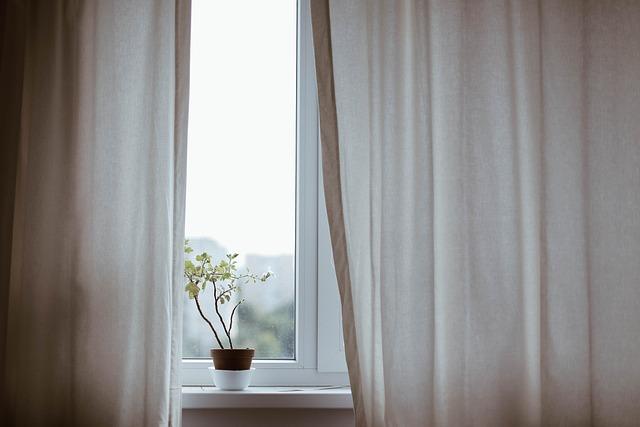
Bringing the joy of gardening into your apartment is not just about aesthetics; it’s also about flavor. Indoor plants, particularly herbs, can thrive in limited space while adding freshness to your meals. Consider the following herbs that are perfect for small indoor gardens:
- Basil: A sun-loving herb, basil can flourish on a windowsill and enhance the flavor of various dishes.
- Thyme: This hardy herb requires minimal care and offers a robust flavor, suitable for everything from meats to soups.
- Mint: Perfect for teas, desserts, or savory recipes, mint can be easily grown in small containers.
- Chives: With a mild onion flavor, chives can be snipped fresh to elevate any dish.
To create a thriving indoor herb garden, here are a few essential tips:
- **Choose the Right Containers:** Use pots with drainage holes to prevent waterlogging.
- **Maximize Sunlight:** Position your herbs near a window with plenty of natural light. If sunlight is limited, consider using grow lights.
- **Water Wisely:** Overwatering is a common mistake. Ensure the soil is nearly dry before watering again.
- **Regular Harvesting:** Snip leaves regularly to encourage growth and maintain the plant’s health.
Herb Care Guide
| Herb | Light Requirements | Watering Frequency |
|---|---|---|
| Basil | Full Sun (6-8 hours) | Once every 5-7 days |
| Thyme | Full Sun | Once every 2 weeks |
| Mint | Partial Shade to Full Sun | Once a week |
| Chives | Full Sun | Once every week |
By incorporating these versatile and delicious herbs into your home, you can not only enhance your culinary experiences but also foster a connection with nature right within your apartment. Happy gardening!

Creating a Sustainable Kitchen with Food Preservation Techniques
Transforming your kitchen into a sustainable haven begins with mastering the art of food preservation. Not only does this practice extend the shelf life of your produce, but it significantly reduces food waste, making it an essential aspect of urban self-sufficiency.
- Canning: Preserve seasonal fruits and vegetables by sealing them in jars, which can last for years when stored correctly. Consider using pressure canners for low-acid foods, and water bath canning for high-acid options.
- Freezing: An easy and efficient method, freezing allows you to save excess produce quickly. Blanch greens beforehand to maintain their flavor and nutrients when defrosted.
- Fermenting: Enhance flavors while creating probiotic-rich foods. Simple recipes like sauerkraut or pickles can be made in small jars, adding variety and health benefits to your meals.
| Preservation Method | Ideal For | Shelf Life |
|---|---|---|
| Canning | Fruits & Vegetables | 1-2 years |
| Freezing | Meat & Berries | 6 months – 2 years |
| Fermenting | Cabbage, Cucumbers | 1-6 months |
By implementing these techniques, you not only cut down on your grocery bills but also embrace a more self-sufficient lifestyle right from your urban kitchen. Each method allows for creativity and experimentation, ensuring that you enjoy both the process and the fruits of your labor.

Utilizing Community Resources for Food and Skills Exchange
Urban living offers a unique set of challenges for those looking to embrace self-sufficiency, but community resources can be a game-changer. Local networks often offer a wealth of opportunities to exchange knowledge and resources, making it easier to live sustainably while connecting with neighbors. Consider engaging in community programs or platforms that facilitate the swapping of goods and skills, allowing you to access what you need while sharing your own expertise.
- Community Gardens: Many neighborhoods have shared garden plots where you can cultivate your own plants while also connecting with fellow gardeners.
- Food Swap Events: Check local listings for food swap events where you can exchange homegrown produce, preserves, or baked goods.
- Skill-Sharing Workshops: Participate in or organize workshops where community members can teach each other skills, whether it’s canning, sewing, or basic carpentry.
Don’t overlook online platforms like social media groups or local apps dedicated to promoting community exchanges. Many cities have incorporated innovative digital spaces where you can find like-minded individuals eager to trade skills or items. Below is a simple example of how your community can thrive:
| Resource/Skill | Available | Seeking |
|---|---|---|
| Herbs & Greens | Homegrown basil, parsley | Organic tomatoes |
| Canning Skills | Experienced canner | Help with bridal crafts |
| Knitting | Knitter offering lessons | Quilting skills |
Utilizing these community resources not only elevates your self-sufficiency efforts but also fosters a sense of camaraderie and support within your neighborhood. Embrace the local network, and you’ll find that together, you can cultivate a richer, more sustainable urban lifestyle.

DIY Projects to Enhance Your Apartment Self-Sufficiency
******
Transforming your apartment into a sanctuary of self-sufficiency is both rewarding and practical. Begin by **creating a vertical garden** using shelves or wall-mounted planters. This not only saves space but also allows you to grow fresh herbs, lettuce, and even small peppers. Consider using recycled materials like wooden pallets or old shoe organizers to house your plants. Remember to choose varieties that thrive indoors, ensuring you have a consistent supply of greens.
Another creative project is to craft your own **compost bin** from a storage container. By recycling kitchen scraps, you can produce nutrient-rich compost to fertilize your plants. Make sure to drill holes in the container for aeration and drainage. Additionally, encourage decomposition by adding a mix of green materials (like fruit peels) and brown materials (like cardboard) for a balanced compost.
setting up a **homemade water filtration system** can enhance your self-sufficiency. You can create a simple system using layers of sand, charcoal, and gravel within a large plastic bottle or container. This DIY filter helps improve the taste of your tap water, making it ideal for drinking and cooking. Just remember to regularly replace the filtering materials to maintain effectiveness.
| Project | Materials Needed | Benefits |
|---|---|---|
| Vertical Garden | Pallets, plant pots, soil, seeds | Maximizes space; grows fresh produce |
| Compost Bin | Container, twigs, kitchen scraps | Reduces waste; enriches soil |
| Water Filter | Plastic bottle, sand, charcoal, gravel | Improves water quality; cost-effective |
Building a Supportive Urban Homesteading Community
Creating a thriving urban homesteading community starts with connecting with like-minded individuals who share your passion for self-sufficiency. Look for local groups or online forums dedicated to urban gardening, sustainable living, or DIY projects. Engaging with these communities not only provides valuable resources and knowledge but also fosters friendships built on shared values. Consider the following ways to strengthen these connections:
- Attend Workshops: Participate in local workshops focused on skills like canning, gardening, or permaculture.
- Volunteer: Offer your time at community gardens or food co-ops to meet others and contribute to local projects.
- Create a Skill Exchange: Organize events where community members can share their expertise and learn from one another.
To further promote urban homesteading, think about establishing a neighborhood group or starting a social media page dedicated to sharing tips, resources, and successes. This digital space can serve as a hub for information, ideas, and inspiration. Additionally, coordinating seasonal markets or potlucks can encourage the exchange of goods and create a festive atmosphere around urban homesteading.
| Community Activities | Benefits |
|---|---|
| Urban Gardening Days | Promotes local food production |
| Skill Sharing Workshops | Enhances community knowledge |
| Monthly Potlucks | Fosters community spirit |
| Neighborhood Clean-Up Events | Improves local environment |
By fostering connections, sharing knowledge, and collaborating on projects, your urban homesteading community can become a powerful force for positive change, encouraging everyone to thrive and embrace self-sufficiency in the city.
Frequently asked questions
Q&A: Homesteading in an Apartment: Tips for Urban Self-Sufficiency
Q: What exactly does homesteading mean in an urban context?
A: Homesteading traditionally refers to self-sufficient living on a homestead, often associated with rural areas. However, in an urban context, it means adapting those principles — such as growing your own food, preserving, and being resourceful — to a smaller space like an apartment. It’s all about making the most of what you have and finding creative solutions to live sustainably and independently.
Q: Is it really possible to grow food in an apartment?
A: Absolutely! Even with limited space, you can grow a variety of herbs, vegetables, and fruits. Consider using containers, vertical gardening systems, or even window planters to maximize your space. Start with easy-to-grow plants like herbs (basil, parsley, cilantro) or greens (lettuce, spinach) that thrive indoors and are great for small zones.
Q: What types of soil or growing mediums should I use?
A: For container gardening, look for high-quality potting soil rather than regular garden soil, as it provides better drainage and nutrient retention. You might also consider alternatives like coconut coir or worm castings for a more sustainable option. Just make sure whatever you choose allows for good airflow and drainage to keep your plants healthy.
Q: How can I preserve food if I don’t have much space?
A: Preserving food at home can be done in several ways that are space-efficient. Canning can be a bit tricky in an apartment, but you can try methods like dehydrating, pickling, or fermenting small batches of produce. For example, you could pickle cucumbers or ferment vegetables in jars on your kitchen counter. These methods not only save space but also enhance flavors!
Q: Can I be self-sufficient without a large budget?
A: Yes! Urban homesteading can absolutely be done on a budget. Start small, focusing on a few plants or DIY projects that require minimal investment. Look for local resources like community gardens, where you can access shared space for gardening or tools. Utilize thrift stores or online marketplaces for pots and gardening supplies, and consider bartering your skills with neighbors.
Q: Are there any tools that are essential for apartment homesteading?
A: While you don’t need a ton of equipment, some handy tools can make a big difference. A good set of hand tools (like a trowel and pruners), pots of varying sizes, and a watering can are basics. Additionally, consider investing in a compost bin for kitchen scraps; a small, countertop compost system can turn waste into nutrient-rich compost, minimizing trash while benefiting your plants.
Q: What if I don’t have a balcony or any outdoor space?
A: No outdoor space? No problem! You can still homestead indoors. Focus on growing herbs and microgreens on your windowsill, and explore options like indoor hydroponics or aquaponics systems for more advanced setups. Many of these systems are compact and designed specifically for indoor use, allowing you to enjoy fresh produce year-round.
Q: What are some other self-sufficiency practices I can implement in my apartment?
A: Beyond gardening, consider skills like sewing your own cloth bags, making candles, or creating natural cleaning products. You can also learn about upcycling materials to reduce waste. Even small changes, like meal planning to minimize food waste or making DIY beauty products, can enhance your self-sufficiency and sustainability lifestyle.
Q: What is the biggest takeaway for someone interested in urban homesteading?
A: Start small, be patient, and embrace the process! Urban homesteading is a journey of learning and adapting. Don’t feel pressured to do everything at once; focus on one aspect, like growing herbs or making homemade cleaners, and gradually expand from there. The key is to enjoy the experience and make it your own!
To Conclude
homesteading in an apartment may seem like a daunting challenge, but with a bit of creativity and determination, it’s entirely achievable. By incorporating small-scale gardening, DIY projects, and sustainable living practices into your urban lifestyle, you can cultivate a sense of self-sufficiency right in the heart of the city. Remember, every little effort counts, whether it’s growing fresh herbs on your windowsill or making your own cleaning supplies. Embrace the journey of urban homesteading, and you’ll not only enhance your living environment but also foster a deeper connection to your food, your community, and the planet. So roll up your sleeves, get started, and enjoy the rewards of your urban homestead!