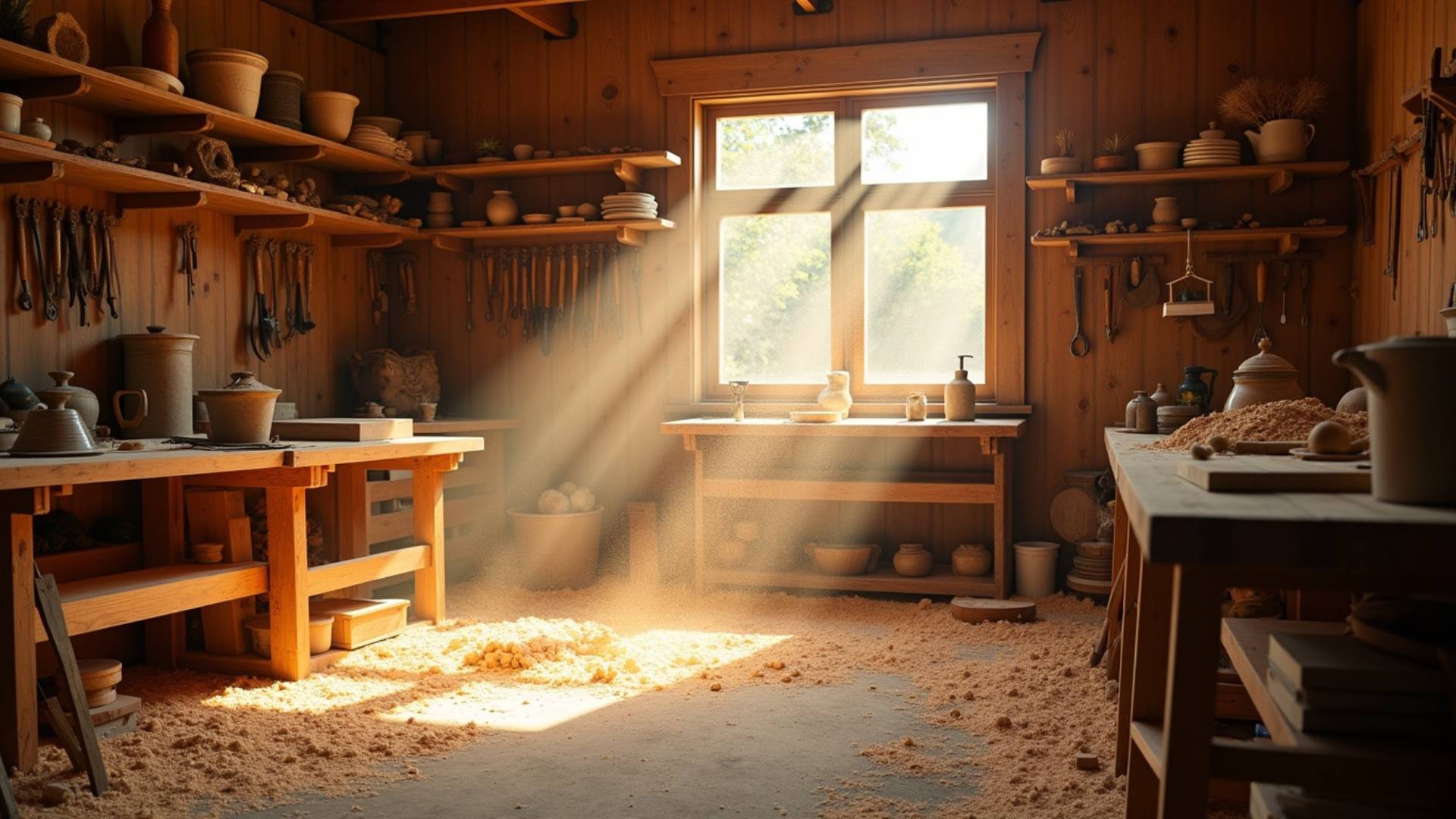
Modern Homesteader: Embracing Technology for a Sustainable Life
In a world where avocado toast has become an art form and our smartphones practically run our lives, the modern homesteader is the trailblazer of intelligent sustainability. Gone are the days when homesteading meant toiling away in the fields with naught but a rusty shovel and a dream. Today’s homesteaders are tech-savvy gurus, harnessing the power of apps, drones, and even smart fridges (yes, those exist) to cultivate their little patches of paradise—without sacrificing WiFi, of course! Join us as we explore how embracing technology can elevate your homesteading game, turning the once quaint vision of self-sufficiency into a high-tech haven of eco-friendly living. Who knew saving the planet could be this much fun? Welcome to the future of homesteading, where every click could lead to greener pastures—literally!

Article Contents
- The Role of Technology in Modern Homesteading
- Smart Farming Tools for Efficient Crop Management
- Harnessing Renewable Energy for Sustainable Living
- Using Apps for Meal Planning and Food Preservation
- Innovative Water Management Systems for the Homestead
- Connecting with Online Communities for Support and Resources
- Balancing Tradition and Technology in Homesteading Practices
- Frequently Asked Questions
- In Conclusion
The Role of Technology in Modern Homesteading
In the modern homesteading landscape, technology plays an indispensable role in enhancing self-sufficiency and sustainability. Whether it’s through smart farming applications or renewable energy solutions, technology has transformed traditional practices into efficient and effective methods of living. By leveraging these innovations, homesteaders can manage their resources better, saving time and effort while increasing productivity.
Here are some examples of how technology integrates seamlessly into modern homesteading:
- Smart Irrigation Systems: Automated watering systems optimize water use, ensuring plants receive the correct amount of moisture without waste.
- Solar Panels: Harnessing solar energy helps reduce reliance on grid electricity, allowing homesteaders to power their homes sustainably.
- Online Marketplaces: Platforms like Etsy allow homesteaders to sell their handmade products directly to consumers, expanding their market reach.
- Mobile Apps for Livestock Management: These apps help track animal health, breeding schedules, and nutrition needs, streamlining farm management.
Moreover, the integration of data analytics in agriculture facilitates informed decision-making. Homesteaders can utilize analytics tools to monitor soil health, weather patterns, and crop performance. This wealth of information fosters resilience, allowing them to adapt their practices in real-time, leading to higher yields and healthier ecosystems. Below is a simple comparison of traditional farming methods versus tech-enhanced practices:
| Aspect | Traditional Methods | Tech-Enhanced Practices |
|---|---|---|
| Water Management | Manual watering | Smart sensors for irrigation |
| Energy Source | Fossil fuels | Renewable sources like wind or solar |
| Market Access | Local markets | Global online platforms |
| Data Usage | Experience-based | Data-driven decision-making |

Smart Farming Tools for Efficient Crop Management
In the world of agriculture, technology has emerged as a transformative force, enabling farmers to maximize their yields while promoting sustainability. Smart farming tools integrate cutting-edge technology with traditional practices, creating a more efficient approach to crop management. By leveraging data analytics, automation, and IoT devices, farmers can fine-tune their operations to meet the specific needs of their crops.
Key tools that are reshaping crop management include:
- Soil Sensors: These devices gather real-time data on soil moisture, temperature, and nutrient levels, allowing for precise irrigation and fertilization.
- Drones: Equipped with cameras and sensors, drones monitor crop health and provide aerial imagery, enabling early detection of issues like pests or diseases.
- Farm Management Software: Centralizes data collection, analysis, and reporting, making it easier to track progress, forecast outcomes, and make informed decisions.
- Automated Irrigation Systems: These systems adjust water delivery based on weather conditions and soil moisture data, reducing water waste and ensuring optimal plant hydration.
The integration of smart farming tools not only enhances productivity but also promotes environmental stewardship. As farmers embrace these technologies, they are better equipped to manage their resources and contribute to a more sustainable agricultural landscape.
| Tool Type | Advantages | Considerations |
|---|---|---|
| Soil Sensors | Real-time data for better crop management | Requires initial investment |
| Drones | Aerial monitoring and scouting | May need regulation compliance |
| Farm Management Software | Centralized data for informed decisions | Learning curve for new users |
| Automated Irrigation | Water conservation and efficiency | Maintenance can be required |
Harnessing Renewable Energy for Sustainable Living
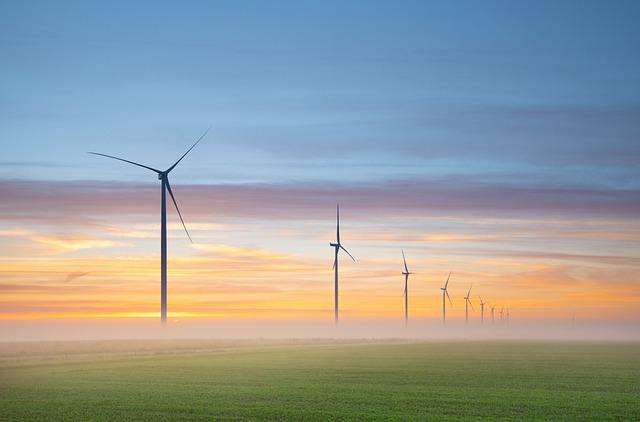
As modern homesteaders embark on their journey towards sustainability, renewable energy sources play a pivotal role in reducing carbon footprints and enhancing self-sufficiency. From solar panels to wind turbines, the integration of these technologies into daily life not only minimizes dependence on fossil fuels but also empowers individuals to harness nature’s abundant resources.
Solar energy has emerged as one of the most accessible options for home energy production. By installing photovoltaic systems, homesteaders can convert sunlight directly into electricity, providing power for various needs:
- Heating water for daily use
- Powering appliances and tools
- Lighting up outdoor spaces
Incorporating wind energy into the mix further enhances energy independence. Small wind turbines can generate significant amounts of electricity, especially in rural areas with consistent wind patterns. Together with solar power, these technologies create a robust system for sustainable living.
Here’s a quick comparison of renewable energy systems suited for modern homesteaders:
| Energy Source | Benefits | Considerations |
|---|---|---|
| Solar Power | Low maintenance, scalable, grants access to tax incentives | Initial costs can be high, performance depends on sunlight |
| Wind Power | Effective in windy areas, small footprint | Requires specific conditions, may need permits due to zoning laws |
| Hydro Power | Consistent energy generation, can provide off-grid solutions | Geographically limited, environmental impact considerations |
By thoughtfully implementing these renewable systems, homesteaders can create a balanced, resilient lifestyle that prioritizes sustainability and harmony with the environment.

Using Apps for Meal Planning and Food Preservation
In today’s fast-paced world, meal planning and food preservation apps have become essential tools for modern homesteaders seeking to simplify their lives while prioritizing sustainability. These applications can help streamline your grocery shopping, reduce food waste, and support healthier eating habits. With just a few taps, you can organize your meals for the week, ensuring that you’re making the most of all the fresh ingredients you have on hand.
Here are some key features to look for in meal planning and food preservation apps:
- Recipe Management: Discover and save recipes that fit your dietary preferences while allowing you to track ingredients systematically.
- Shopping Lists: Create auto-generated shopping lists based on your meal plans, which helps prevent impulse buys and minimizes food waste.
- Expiration Tracking: Keep tabs on your pantry and fridge items to know what needs to be used soon, ensuring nothing goes to waste.
- Meal Prep Timers: Set timers for meal prep and cooking to stay organized and on schedule.
To give you a clearer perspective, here’s a simple comparison of popular apps that cater to these needs:
| App Name | Best For | Key Features |
|---|---|---|
| Mealime | Busy Families | Custom meal plans, dietary filters, shopping integration |
| Paprika | Recipe Management | Organize recipes, create grocery lists, meal scheduling |
| Fridge Pal | Food Preservation | Track expiration dates, pantry management, meal suggestions |
By harnessing the power of technology through these apps, you can elevate your homesteading journey, making it not only more enjoyable but also more efficient and eco-friendly.

Innovative Water Management Systems for the Homestead
Integrating modern water management systems into your homestead can revolutionize how you interact with your environment. Utilizing **smart irrigation** solutions allows you to optimize water usage, catering to the specific needs of your plants. These systems often include soil moisture sensors, helping to determine when and how much to water—reducing waste and enhancing productivity.
Consider installing a **rainwater harvesting system**. This technology captures and stores rainwater for later use, significantly lowering your water bills and providing a sustainable source of irrigation and household needs. A well-designed system may include:
- Rain barrels connected to gutters
- Filtration systems for clean water collection
- Distribution mechanisms for easy access
Additionally, implementing a **greywater recycling system** is an incredibly effective way to reuse water from sinks, showers, and washing machines. With the right setup, you can redirect this water for irrigation, thus conserving fresh water and supporting your plants. Here’s a quick overview of common types of greywater systems:
| Type | Features |
|---|---|
| Simple Diverter | Directs greywater to a garden or landscape area |
| Multi-Use System | Filters and directs greywater for irrigation and toilet flushing |
| Advanced Treatment | Processes greywater for safe household reuse, including shower and laundry water |
By embracing these innovative water management practices, you not only enhance the sustainability of your homestead but also contribute to a greener future.

Connecting with Online Communities for Support and Resources
In today’s interconnected world, engaging with online communities opens up a treasure trove of support and resources for modern homesteaders. These virtual spaces can significantly enhance your journey towards sustainability by connecting you with like-minded individuals who share your passion for self-sufficiency and eco-friendly living. Through platforms such as forums, social media groups, and specialized websites, you can access a wealth of knowledge and experience that enhances your homesteading practices.
Here are some vital benefits of connecting with these communities:
- Shared Knowledge: Tap into the collective wisdom of experienced homesteaders who are eager to share tips, tricks, and lessons learned from their journeys.
- Resource Sharing: Find recommendations for books, podcasts, and tools specifically catered to sustainable living, as well as opportunities to trade or barter goods.
- Support Networks: Create lasting friendships with others who understand the challenges and triumphs of homesteading, providing emotional and practical support.
To make the most of your online community interactions, consider the following:
| Top Online Platforms | Focus Area |
|---|---|
| Reddit – r/Homesteading | General homesteading advice and discussions |
| Facebook Groups | Local farming and homesteading initiatives |
| YouTube Channels | Visual tutorials for various homesteading skills |
| Inspirational posts and everyday tips from fellow homesteaders |
By actively participating in these online communities, you can both contribute your own insights and gain valuable perspectives that enrich your sustainable living journey. Embrace technology not just as a tool, but as a bridge to stronger, more supportive ties in the homesteading community.
Balancing Tradition and Technology in Homesteading Practices
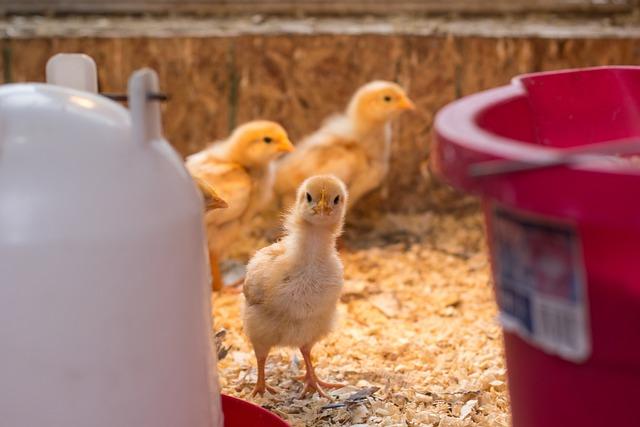
In today’s world, blending age-old practices with cutting-edge technology offers homesteaders unparalleled opportunities for efficiency and sustainability. Utilizing modern tools and methods does not mean sacrificing the wisdom of traditional techniques; rather, it enhances them, making homesteading more accessible and effective. Consider the following:
- Smart Irrigation Systems: These allow for precise water usage, reducing waste while ensuring crops receive the hydration they need.
- Renewable Energy Sources: Solar panels and wind turbines can provide off-grid energy solutions, aligning perfectly with sustainability goals.
- Data Tracking and Analysis: Employing apps and software to track plant growth, soil health, and weather patterns aids in informed decision-making.
Moreover, the combination of traditional gardening methods, such as companion planting, with technology can lead to improved crop yields and pest management. Below is a comparison of traditional vs. tech-enhanced approaches:
| Traditional Approach | Technology-Enhanced Approach |
|---|---|
| Manual soil testing | Smart sensors for real-time soil analysis |
| Hand watering | Automated irrigation systems with timers |
| Seasonal pest control | Integrated pest management (IPM) data collection |
By embracing technology, modern homesteaders are not only preserving traditions but also scaling up their efficiency and sustainability efforts. The harmonious coexistence of these two realms can lead to a thriving, healthier lifestyle while maintaining a deep-rooted respect for the past.
Frequently Asked Questions
Q&A: Modern Homesteader: Embracing Technology for a Sustainable Life
Q1: What is a modern homesteader, and how do they differ from traditional homesteaders?
A1: A modern homesteader combines traditional self-sufficiency practices with modern technology. While traditional homesteaders focused primarily on manual skills like farming, foraging, and crafting, today’s homesteaders leverage technology for efficiency and sustainability. This might include using solar panels for energy, smart irrigation systems for water management, or online platforms for sharing resources and knowledge. The goal remains the same: to create a sustainable and self-reliant lifestyle, but with the conveniences that technology can provide.
Q2: How can technology contribute to sustainable living in a homesteading context?
A2: Technology can play a critical role in enhancing sustainability in various ways. For example, renewable energy sources like solar and wind power allow homesteaders to generate their electricity. Smart sensors can monitor soil moisture and automatically water crops, saving water and improving yield. Additionally, apps and online tools can help track the growth of plants, manage livestock health, and even connect with fellow homesteaders for advice and support. By integrating technology wisely, modern homesteaders can significantly enhance their efficiency and productivity while reducing their environmental impact.
Q3: Are there specific technologies or tools you would recommend for beginner modern homesteaders?
A3: Absolutely! For beginners, I recommend starting with the following tools:
-
Smart Irrigation Systems: These can automatically adjust watering schedules based on rainfall and moisture levels, helping conserve water.
-
Renewable Energy Sources: Small solar panels or wind turbines can provide energy to off-grid homesteads.
-
Garden Planner Apps: These can help with planning and tracking your garden’s layout, planting schedules, and harvest times.
-
Composting Devices: Tech-enabled composters can streamline the process, turning kitchen scraps into valuable soil amendment faster.
-
Livestock Monitoring Systems: These can track the health and behavior of animals, alerting you to issues before they become serious.
Starting with these tools can help ease the transition into a more sustainable lifestyle while making the journey enjoyable and less daunting.
Q4: What challenges might modern homesteaders face when integrating technology with traditional practices?
A4: One of the primary challenges is the balance between technology reliance and traditional practices. While tech can enhance efficiency, there’s a risk of becoming too dependent on it, which can be problematic if systems fail or if there is a power outage. Additionally, the initial learning curve of using new technology can be intimidating for some. Budget constraints are also a factor, as some technologies can be pricey. To address these challenges, it’s essential for modern homesteaders to educate themselves, find a balance that works for them, and always have a backup plan for their essential needs.
Q5: How can community play a role in the journey of a modern homesteader embracing technology?
A5: Community is vital! Connecting with fellow modern homesteaders through local groups or online forums can provide a wealth of knowledge and support. Sharing experiences, tools, and resources helps everyone learn and adapt more effectively. Participating in workshops or local fairs focused on sustainable practices can also inspire collaboration and creativity. Moreover, establishing a community not only builds relationships but can foster a sense of accountability and motivation among individuals on their homesteading journeys.
Q6: What’s the future for modern homesteading and technology?
A6: The future of modern homesteading is incredibly promising! As technology continues to advance, we’ll likely see even more innovative tools aimed at sustainability. From vertical farming systems that use hydroponics to AI-driven data analytics that guide agricultural decisions, the integration of tech into homesteading will deepen. This evolution will create opportunities for increased food security, resource management, and community building. The key is to remain adaptable and open to change, ensuring that we use technology to enhance our connection with nature rather than replace it.
Conclusion: Modern homesteading is about melding tradition with innovation, creating a holistic approach to sustainable living. By understanding and implementing the right tools, one can navigate this rewarding lifestyle with confidence and joy.
In Conclusion
As we reflect on the journey of the modern homesteader, it’s clear that embracing technology doesn’t mean abandoning traditions; rather, it enhances our ability to live sustainably and efficiently. From smart gardening tools to renewable energy solutions, the integration of innovative tech empowers us to make mindful choices that benefit both our communities and the environment. So whether you’re a seasoned homesteader or just beginning your sustainable journey, remember that the harmony between old and new can lead to a thriving, resilient lifestyle. Embrace the tools at your disposal; the earth—and future generations—will thank you for it. Happy homesteading!