Can You Make Coconut Kefir in a Yogurt Maker? Yes, Here’s How
If you’ve ever dreamed of turning your kitchen into a tropical paradise where the only thing blending better than your smoothie is your sense of adventure, then you’re in for a treat! Imagine creamy, tangy coconut kefir flowing freely from your yogurt maker—sounds like a fairy tale, right? Well, hold onto your coconuts, because we’re about to shatter that myth! Not only can you make coconut kefir in a yogurt maker, but we’re going to show you exactly how to do it. Get ready to become the kefir connoisseur of your neighborhood, impressing friends while secretly hoarding your probiotic treasure. So, let’s dive into this delicious venture and unlock the secrets of crafting your very own tropical superfood at home!

Article Contents
- Understanding Coconut Kefir and Its Benefits
- Choosing the Right Yogurt Maker for Coconut Kefir
- Essential Ingredients for Making Coconut Kefir
- Step-by-Step Guide to Making Coconut Kefir in Your Yogurt Maker
- Common Challenges and Solutions When Making Coconut Kefir
- How to Enhance Your Coconut Kefir Flavor
- Storing and Using Your Homemade Coconut Kefir
- Frequently Asked Questions
- Concluding Remarks
Understanding Coconut Kefir and Its Benefits
Coconut kefir is a vibrant, probiotic-rich drink that is made by fermenting coconut milk with beneficial bacteria and yeasts. Known for its creamy texture and tangy flavor, it serves as an excellent dairy-free alternative to traditional kefir. The fermentation process not only enhances its taste but also boosts its nutritional profile, making it a popular choice among health enthusiasts.
Some of the advantages of incorporating coconut kefir into your diet include:
- Probiotic Powerhouse: It is loaded with live cultures that support gut health and enhance digestion.
- Rich in Nutrients: Coconut kefir contains vitamins, minerals, and healthy fats, benefiting overall wellness.
- Dairy-Free Option: Perfect for those with lactose intolerance or dairy sensitivities, providing an alternative source of probiotics.
- Supports Immune Health: The probiotics and nutrients in coconut kefir can help strengthen the immune system.
Moreover, making coconut kefir at home using a yogurt maker simplifies the process and allows you to customize the fermentation time according to your taste preferences. A yogurt maker maintains a consistent temperature, ensuring a successful fermentation every time. By exploring different fermentation durations, you can create a drink that’s perfectly tangy and effervescent, enhancing your culinary experiences.

Choosing the Right Yogurt Maker for Coconut Kefir
When selecting a yogurt maker for crafting coconut kefir, it’s essential to consider a few key features that can enhance your fermentation experience. A quality yogurt maker will not only maintain a consistent temperature but will also provide the right environment for the live cultures to thrive. Here are some important aspects to keep in mind:
- Temperature Control: Look for a yogurt maker with adjustable temperature settings. Coconut kefir needs a slightly warmer environment (around 70°F to 85°F) for optimal fermentation.
- Jar Size: Ensure the yogurt maker accommodates the size of jars you plan to use. Some models allow for multiple smaller jars, while others are equipped with one large container.
- Ease of Use: A user-friendly design with clear controls will make the fermentation process smoother. Consider models with digital displays that show time and temperature.
- Consistency: Choose a maker that provides a stable environment to promote even fermentation, preventing any temperature fluctuations.
It’s also crucial to compare different products based on consumer reviews and ratings. Here’s a brief comparison table of popular yogurt makers suited for coconut kefir:
| Brand | Temperature Range | Capacity | User Rating |
|---|---|---|---|
| Brand A | 70°F – 115°F | 1.5 quarts | 4.5/5 |
| Brand B | 65°F – 105°F | 2 quarts | 4.0/5 |
| Brand C | 60°F – 110°F | 1 quart | 4.7/5 |
With the right yogurt maker, you can easily enjoy home-brewed coconut kefir that’s not only delicious but also packed with probiotics, aiding your gut health. Your choice will greatly influence your kefir-making journey, so weigh these considerations carefully before making a purchase.
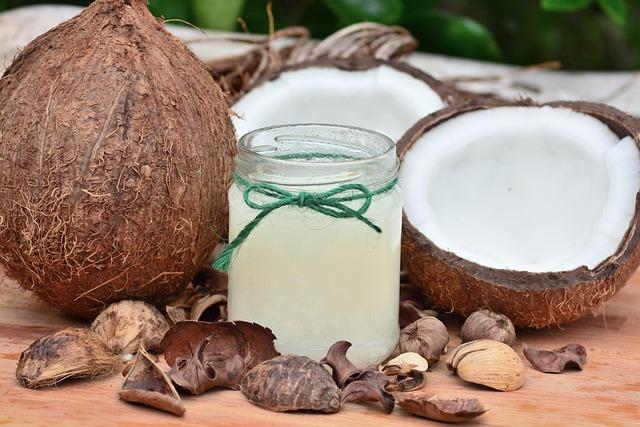
Essential Ingredients for Making Coconut Kefir
Making delicious coconut kefir at home is easier than you might think, especially when you have the right ingredients on hand. To achieve that creamy, tangy texture and flavor that makes this beverage so popular, consider the following essential components:
- Coconut Milk: Choose a high-quality, unsweetened coconut milk, either canned or carton, that is free from additives and preservatives. Full-fat varieties yield the creamiest results.
- Kefir Grains: You can either purchase specific water kefir grains or coconut kefir grains, which are different from dairy-based kefir grains. Make sure they’re active and healthy.
- Starter Culture (optional): If you want to kickstart the fermentation process, adding a tablespoon of pre-made coconut kefir from a previous batch can enhance the flavor and help jumpstart the probiotics.
- Sweetener (optional): Some prefer to add a small amount of natural sweeteners like honey or maple syrup to balance the sourness. Use this sparingly as the kefir grains will consume some of it during fermentation.
- Water: If you prefer a thinner consistency, blending some filtered water into your coconut milk can help achieve the desired texture.
Preparing your kefir with the right coconut milk and active grains is crucial for fostering a healthy fermentation environment. Make sure to keep everything sanitized to prevent unwanted bacteria from interfering with your delicious, probiotic-rich drink!

Step-by-Step Guide to Making Coconut Kefir in Your Yogurt Maker
Making coconut kefir in your yogurt maker is an easy and rewarding process. To get started, gather the following ingredients:
- 1 can of full-fat coconut milk (ensure it’s free from additives and preservatives)
- 2 tablespoons of coconut kefir starter culture (look for a quality product specifically for coconut kefir)
- Optional: Sweeteners or flavorings such as vanilla, honey, or fruit puree
Once you have your ingredients ready, follow these simple steps:
- In a clean glass jar, pour in the coconut milk.
- Add the coconut kefir starter and stir gently until well mixed.
- Transfer the jar to your yogurt maker, setting the temperature to around 110°F (43°C) for optimal fermentation.
- Let it ferment for 24 to 48 hours, checking for desired tanginess.
- Once ready, remove it from the yogurt maker and place it in the refrigerator to halt the fermentation process.
- Serve chilled, and enjoy your delicious homemade coconut kefir!
Here’s a quick reference table for fermentation times based on your taste preference:
| Fermentation Duration | Taste Profile |
|---|---|
| 24 hours | Mild and slightly sweet |
| 36 hours | Balanced tartness |
| 48 hours | Strongly tangy and probiotic-rich |
Enjoy experimenting with flavors and adjusting fermentation times to find your perfect batch!
Common Challenges and Solutions When Making Coconut Kefir
Making coconut kefir at home can be a rewarding but challenging endeavor. Some common issues that people encounter include:
- Inconsistent fermentation: One reason for uneven fermenting can be fluctuating temperatures in your yogurt maker. Ensuring that the temperature remains stable around 78°F to 80°F is crucial. Consider using an external thermometer to monitor the environment.
- Separation problems: It’s not uncommon to see separation of liquid and solids. This often happens if the fermentation is prolonged. A simple solution is to stir the mixture gently once before transferring it to a container, or to reduce the fermentation time slightly.
- Taste variations: A too-tangy or sour kefir can be a result of over-fermentation. To control the flavor profile, experiment with shorter fermentation periods, tasting along the way until you find the perfect balance for your palate.
Here’s a quick reference table of potential adjustments to enhance your coconut kefir-making experience:
| Challenge | Solution |
|---|---|
| Inconsistent fermentation | Maintain a steady temperature |
| Separation | Stir gently before storage |
| Too sour | Reduce fermentation time |
By addressing these challenges and implementing proactive solutions, you’ll enhance your chances of creating delicious, probiotic-rich coconut kefir every time. Happy fermenting!
How to Enhance Your Coconut Kefir Flavor
Enhancing the flavor of your coconut kefir can elevate its taste and make it a delightful addition to your daily routine. Here are some effective ways to infuse your coconut kefir with unique flavors:
- Fresh Fruits: Adding pureed or chopped fruits like strawberries, blueberries, or mangoes can create a naturally sweet profile.
- Spices and Herbs: Experiment with cinnamon, ginger, or mint to introduce a warm or refreshing note to your kefir.
- Natural Sweeteners: Consider using honey, agave nectar, or maple syrup to balance the tartness while boosting flavor.
- Flavor Extracts: A few drops of vanilla or almond extract can enhance the complexity of your coconut kefir.
- Citrus Zest: Incorporating lemon or lime zest can provide a bright, zesty kick that invigorates your drink.
For an organized approach, here’s a simple table summarizing flavor enhancers you can add:
| Enhancer | Flavor Profile | Suggested Amount |
|---|---|---|
| Fresh Fruits | Sweet and Fruity | ½ cup per quart |
| Spices | Warm and Inviting | 1 tsp to 1 tbsp |
| Natural Sweeteners | Sweet | 1-2 tbsp |
| Flavor Extracts | Rich and Aromatic | 1-2 drops |
| Citrus Zest | Zesty and Fresh | 1 tsp |
By experimenting with these additions, you can create a personalized coconut kefir experience that caters to your taste preferences and enriches your health journey.
Storing and Using Your Homemade Coconut Kefir
Once you’ve successfully made your homemade coconut kefir, it’s important to store it correctly to maintain its freshness and probiotic benefits. Here are some key tips:
- Seal and Refrigerate: Transfer your coconut kefir into a clean glass jar and ensure it’s tightly sealed. This will help to preserve its flavor and probiotics. Store it in the refrigerator, where it can last for up to two weeks.
- Avoid Contamination: Always use clean utensils when scooping out your kefir. This prevents any unwanted bacteria from interfering with the fermentation process.
- Watch for Separation: It’s normal for your kefir to separate slightly, with a watery layer on top. Just give it a gentle stir before enjoying.
In terms of usage, the versatility of coconut kefir knows no bounds:
- Smoothies: Blend it into your morning smoothies for a creamy texture and probiotic boost.
- Dressings and Dips: Use it as a base for salad dressings or mix it into dips for a tangy flavor.
- Baking: Incorporate it into your baking recipes as a healthier substitute for yogurt or buttermilk.
If you’re interested in maximizing the health benefits of your homemade coconut kefir, consider incorporating it into your daily routine. Here’s a simple nutritional table to give you a quick overview of the benefits:
| Nutrient | Benefits |
|---|---|
| Probiotics | Supports gut health and digestion |
| Vitamins B | Boosts energy levels and metabolism |
| Healthy Fats | Provides energy and supports heart health |
Frequently Asked Questions
Q&A: Can You Make Coconut Kefir in a Yogurt Maker? Yes, Here’s How
Q1: What is coconut kefir, and how does it differ from regular kefir?
A: Coconut kefir is a fermented drink made from coconut milk, featuring a tangy flavor and probiotic-rich properties, similar to dairy-based kefir. The main difference lies in the base ingredient: regular kefir is made from cow, goat, or sheep milk, while coconut kefir uses coconut milk, making it a great dairy-free alternative. This makes coconut kefir suitable for those who are lactose intolerant or following a vegan diet.
Q2: Can I really use a yogurt maker to make coconut kefir?
A: Absolutely! A yogurt maker is an excellent tool for creating coconut kefir at home. It provides a controlled, warm environment ideal for the fermentation process, which helps cultivate the beneficial bacteria and yeast needed for kefir.
Q3: What ingredients do I need to make coconut kefir in a yogurt maker?
A: To make coconut kefir, you’ll need:
- Young green coconut water (or coconut milk)
- Kefir grains (these can be purchased online or from health food stores)
- Optional: sweetener (like honey or maple syrup) to enhance flavor
Q4: What’s the step-by-step process for making coconut kefir in a yogurt maker?
A: Here’s a simple guide:
- Prepare the Coconut Base: Start by using young coconut water or canned coconut milk. If you’re using canned milk, consider adding a little water for a thinner consistency.
- Add Kefir Grains: In a clean glass jar, mix about 1-2 tablespoons of kefir grains with 1-4 cups of your coconut base.
- Setup the Yogurt Maker: Pour the mixture into your yogurt maker and set the temperature to around 100-110°F (37-43°C).
- Fermentation: Allow the mixture to ferment for 24-48 hours, depending on your taste preference. The longer it ferments, the tangier it will become.
- Strain and Store: After fermentation, strain out the kefir grains using a fine mesh strainer. Your coconut kefir is ready! Store it in the fridge and enjoy it within a week for the best flavor and probiotic benefits.
Q5: How do I know when my coconut kefir is ready?
A: You’ll know it’s ready once it has thickened slightly and developed a tangy taste. A slight fizz or effervescence is also a good sign, indicating that fermentation has occurred. The texture should be creamy and smooth—perfect for drinking or using in smoothies!
Q6: Can I reuse the kefir grains?
A: Yes! Kefir grains can be reused multiple times. After straining them from your coconut kefir, simply place them back into fresh coconut milk or water to start the process again. Just be sure to store the grains properly if you’re taking a break from making kefir.
Q7: Any tips for flavoring my coconut kefir?
A: Definitely! You can experiment with flavoring your coconut kefir. Consider adding things like vanilla extract, fresh fruit purees, or spices like cinnamon or turmeric after fermentation. This can enhance the taste and provide additional health benefits.
Q8: Are there any nutritional benefits of coconut kefir?
A: Yes, coconut kefir is rich in probiotics, which support gut health, strengthen the immune system, and may even improve digestion. Additionally, coconut milk provides healthy fats, vitamins, and minerals, making it a nutritious choice.
Q9: Can I make coconut kefir without a yogurt maker?
A: If you don’t have a yogurt maker, you can still make coconut kefir by placing your mixture in a warm spot, such as the oven (turned off but with the light on) or a warm corner of your kitchen. Just make sure to cover the jar with a cloth to prevent contamination.
Q10: Where can I find kefir grains?
A: Kefir grains are widely available online, health food stores, and specialty grocery stores. Make sure to choose active, healthy grains for the best fermentation results.
If you’re looking to boost your gut health and enjoy a delicious, dairy-free drink, making coconut kefir in a yogurt maker is an easy and rewarding option. Happy fermenting!
Concluding Remarks
making coconut kefir in a yogurt maker is not only possible but also a rewarding and delicious endeavor! With the right ingredients and a few simple steps, you can transform your kitchen into a hub of probiotic goodness. Whether you’re a seasoned fermenter or just starting your journey into homemade dairy alternatives, coconut kefir offers a unique flavor and health benefits that are hard to resist. So gather your coconut milk and kefir grains, fire up that yogurt maker, and enjoy the satisfying process of creating your own tangy, health-packed beverage. Happy fermenting!