Where Are Sardines Found? Habitat and Range
Have you ever wondered where those tiny, salty nuggets of joy come from? If you think sardines are simply the stuff of canned lunches and Mediterranean bliss, think again! In this article, we’ll dive into the watery world of sardines, exploring their favorite hangouts and secretive swimming lanes. From bustling coastlines to the deep-blue ocean, these slippery little fishes have quite the magnetic personality – and a global address book to match! So grab your snorkel gear, and let’s reel in the fascinating facts about “Where Are Sardines Found? Habitat and Range.” It’s going to be a fin-tastic journey!
Article Contents
- Understanding the Natural Habitat of Sardines
- Exploring the Global Distribution of Sardines
- The Preferred Conditions for Sardine Populations
- Significant Sardine Habitats Around the World
- Migration Patterns: How Sardines Navigate Their Environments
- The Role of Sardines in Marine Ecosystems
- Conservation Efforts and Their Impact on Sardine Populations
- Tips for Sustainable Sardine Fishing Practices
- Frequently Asked Questions
- In Retrospect
Understanding the Natural Habitat of Sardines
Sardines thrive in a variety of marine environments, primarily found in coastal and continental shelf waters. These small fish are known to form large schools, which makes them an iconic sight in shallow coastal areas. The natural habitat of sardines includes:
- Warm waters: Sardines prefer warmer ocean temperatures, thriving in regions where sea surface temperatures range from 18°C to 25°C.
- Nutrient-rich areas: They are often found in upwelling zones where nutrient-rich waters rise to the surface, providing ample food sources, such as plankton.
- Estuaries and bays: These areas serve as ideal nurseries for juvenile sardines, offering protection from predators as they grow.
- Open ocean: Certain species of sardines also migrate into the open ocean, where they search for food and spawning grounds.
Sardines are not confined to a single geographical region; instead, they can be found in various parts of the world’s oceans. Depending on their species, their range may include:
| Species | Common Regions |
|---|---|
| European Sardine | Eastern North Atlantic, Mediterranean Sea |
| Pacific Sardine | West Coast of North America |
| Indian Sardine | Coastal regions of the Indian Ocean |
| Australian Sardine | Southern coasts of Australia |
These diverse habitats enable sardines to adapt and thrive, making them a vital part of marine ecosystems and important for commercial fishing industries worldwide.

Exploring the Global Distribution of Sardines
Sardines inhabit a variety of marine environments, showcasing an impressive global distribution. Primarily found in **continental shelf waters**, these small fish thrive in nutrient-rich areas that support their feeding habits. Their presence is often associated with specific **geographic regions**, particularly:
- Eastern North Atlantic: Found from Norway to Morocco
- Western North Atlantic: Ranging from Maine down to Florida
- Pacific Ocean: Common along the coasts of North America and parts of South America
- Mediterranean Sea: Present in various Mediterranean coastal waters
- Southeast Asia: Found in coastal waters of the Philippines and Indonesia
The ideal habitat for sardines consists of **cool, temperate waters** where they can feed on plankton and other small organisms. Their migratory patterns are largely influenced by factors such as **temperature**, **salinity**, and the availability of food. In doing so, they often form large schools, which not only helps in evading predators but also plays a critical role in their reproductive cycles. Understanding these migratory habits is essential for sustainable fishing practices and for maintaining the delicate balance of marine ecosystems.

The Preferred Conditions for Sardine Populations
Sardines thrive in well-defined environmental conditions that play a crucial role in their population dynamics. Key factors that support healthy sardine populations include:
- Temperature: Sardines prefer waters ranging from 10°C to 22°C, with optimal spawning occurring at temperatures around 15°C.
- Salinity: These fish flourish in coastal waters with varying salinity levels, but they are most abundant in areas with moderate salinity.
- Oxygen Levels: High levels of dissolved oxygen are essential for sardines to survive and reproduce, making well-oxygenated waters vital.
- Availability of Food: Sardines primarily feed on plankton, so their populations are closely linked to the abundance of these microscopic organisms.
- Depth: Sardines favor waters that are generally found at depths of 50 to 200 meters, where they can find food and evade predators.
Moreover, an adequate mix of ocean currents enhances nutrient upwelling, thereby boosting plankton populations, which directly benefits sardines. Coastal areas that experience seasonal upwelling are particularly important habitats, supporting large schools that can migrate to optimize their feeding opportunities. Understanding these preferred conditions helps in the management and sustainability of sardine fisheries worldwide.

Significant Sardine Habitats Around the World
Sardines thrive in a variety of marine environments across the globe, primarily favoring **temperate and subtropical waters**. These small schooling fish are often found near the surface, where sunlight penetrates and phytoplankton bloom, creating an ideal feeding ground. Some of the most significant habitats for sardines include:
- California Current: This nutrient-rich upwelling off the coast of California is one of the prime habitats for Pacific sardines, supporting a vibrant ecosystem.
- Benguela Current: Located off the coast of Namibia and South Africa, this upwelling region is known for its high productivity and hosts large populations of sardines.
- Canary Current: Stretching alongside the Northwest African coast, this area is vital for European sardines, benefiting from warm waters and abundant food sources.
- Northwest Atlantic: From New England to the Gulf of Mexico, the waters here provide suitable conditions for a multitude of sardine species.
- Sea of Japan: This region supports a variety of small pelagic fish, including sardines, benefiting from rich ocean currents and fluctuating temperatures.
Habitat preferences may vary, but generally, sardines are drawn to regions with low **salinity** and moderate **temperatures**, typically ranging from 10 to 22°C (50-72°F). They are often associated with the **continental shelf**, where nutrient upwellings provide abundant food. The availability of these critical habitats is essential for sustaining sardine populations and the diverse marine life that depends on them.
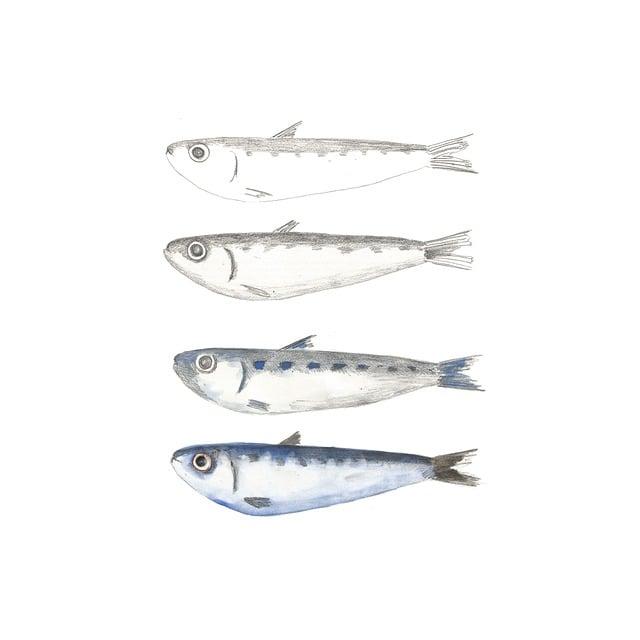
Sardines, known for their remarkable schools and shimmering bodies, exhibit fascinating migration patterns that help them adapt to varying environmental conditions. These patterns are pivotal to their survival and involve complex behavioral responses influenced by factors such as food availability, water temperature, and spawning cycles. Throughout the year, sardines can be found traversing vast expanses of ocean, returning to specific regions that provide safe breeding grounds and ample food sources.
Migration patterns of sardines can be characterized by:
- Seasonal Movement: Sardines are known to migrate in a seasonal rhythm, often moving to deeper waters during warmer months to avoid predators and returning to shallower coastal areas to spawn.
- Schooling Behavior: They travel in large schools, which is believed to enhance foraging efficiency and minimize the risk of predation.
- Environmental Cues: Changes in water temperature and currents act as triggers for migration, guiding sardines to nutrient-rich areas.
To provide a better understanding of their migration, the table below outlines some key aspects:
| Aspect | Description |
|---|---|
| Migration Distance | Can range from several kilometers to hundreds, depending on species and environmental factors. |
| Breeding Locations | Generally return to specific areas, often near continental shelves where conditions are optimal for spawning. |
| Feeding Areas | Typically migrate toward areas with upwellings that enhance plankton productivity, their primary food source. |
Through efficient navigation and instinctive responses to their environment, sardines not only ensure their survival but also play a crucial role in marine ecosystems, supporting various predator species and contributing to the overall health of oceanic habitats.
The Role of Sardines in Marine Ecosystems
Sardines play a crucial role in marine ecosystems, acting as a key species in the food web. Their vast schools are not only a stunning visual phenomenon but also serve essential functions in the oceanic environment. As forage fish, sardines are a primary food source for larger predators, including:
- Seabirds
- Mammals, such as seals and dolphins
- Larger fish species like tuna and sharks
These relationships illustrate the significance of sardines in sustaining the health and diversity of marine life. Their feeding habits also contribute to nutrient cycling, as they consume plankton and help to regulate its population, which is vital for maintaining the balance of the ecosystem.
Furthermore, sardines have a remarkable influence on the marine environment through their reproductive strategies. They produce large quantities of eggs, supporting their populations in various habitats. This high reproductive rate ensures that their role in the food web remains stable, even as predator populations fluctuate.
| Feature | Description |
|---|---|
| Schooling Behavior | Sardines travel in large numbers, providing safety in numbers and improving foraging efficiency. |
| Role in Nutrient Cycling | By consuming plankton, they help regulate populations and transfer nutrients through the food web. |
| Adaptation to Environment | Sardines can thrive in various marine environments, from coastal areas to open oceanic waters. |

Conservation Efforts and Their Impact on Sardine Populations
The resurgence of sardine populations in various regions can be attributed to a combination of effective conservation strategies and sustainable fishing practices implemented over the past few decades. Key initiatives include:
- Establishment of Marine Protected Areas (MPAs): These zones restrict fishing and other destructive activities, allowing sardine stocks to recover and thrive.
- Monitoring and Regulation of Fishing Quotas: Governments and international bodies have set strict quotas to prevent overfishing, ensuring that sardine populations remain at sustainable levels.
- Public Awareness Campaigns: Educating both consumers and fishers about the importance of sustainability has led to more responsible fishing practices and increased demand for sustainably sourced seafood.
Research indicates that these conservation efforts have led to notable improvements in sardine populations, particularly in regions where aggressive overfishing had previously diminished stocks. For example, studies show that sardine biomass has increased by up to 50% in certain MPAs over a five-year period, showcasing the effectiveness of such protective measures.
| Location | Population Change (%) | Conservation Measure |
|---|---|---|
| California Coast | +40% | MPA Implementation |
| Atlantic Ocean | +30% | Fishing Quotas |
| Sardine Fields of Peru | +50% | Sustainable Fishing Practices |
These successful programs not only stabilize sardine populations but also contribute to the overall health of marine ecosystems, demonstrating how conservation efforts can yield significant ecological benefits.
Tips for Sustainable Sardine Fishing Practices
To ensure the health of sardine populations and the marine ecosystem, sustainable fishing practices are essential. Here are several effective strategies:
- Selective Fishing Gear: Utilize gear that minimizes bycatch, such as nets with larger mesh sizes, allowing smaller or non-target species to escape.
- Fishing Quotas: Adhere to set quotas based on scientific assessments to prevent overfishing and maintain sardine stocks at sustainable levels.
- Closed Seasons and Areas: Implementing seasonal closures during breeding times and protecting critical habitats can greatly aid in the replenishment of sardine populations.
- Community Involvement: Engage local fishing communities in management practices to foster a sense of stewardship and adhere to sustainable practices.
Education and awareness are also pivotal. Providing training on sustainable practices helps fishermen understand the balance between their livelihoods and the health of the ocean. Below is a summary of key sustainability measures:
| Sustainability Measure | Benefit |
|---|---|
| Selective Fishing Gear | Reduces bycatch and maintains biodiversity. |
| Fishing Quotas | Prevents overfishing and supports stock recovery. |
| Closed Seasons | Protects breeding populations and promotes growth. |
| Community Engagement | Encourages responsible fishing practices and conservation efforts. |
Frequently Asked Questions
Q: What are sardines, and why are they important in marine ecosystems?
A: Sardines are small, schooling fish that belong to the herring family, Clupeidae. They play a crucial role in marine ecosystems as they serve as a vital food source for a variety of predators, including larger fish, seabirds, and marine mammals. Additionally, sardines help in nutrient cycling within the ocean, which supports the health of various marine environments.
Q: Where are sardines commonly found in the ocean?
A: Sardines are typically found in temperate and tropical waters worldwide. They are most commonly located in the Atlantic and Pacific Oceans, particularly along continental shelves. Regions such as the Mediterranean Sea and the coastlines of California and South America are also well-known for their sardine populations.
Q: What specific habitats do sardines prefer?
A: Sardines thrive in coastal waters, typically near the surface where they can easily form schools. They prefer areas with upwelling currents, which bring nutrient-rich waters to the surface, promoting abundant plankton growth—their primary food source. You can often find them near islands, in bays, and around continental shelves.
Q: Are there different species of sardines, and do they have distinct habitats?
A: Yes, there are several species of sardines, with the most notable being the Pacific sardine (Sardinops sagax) and the European sardine (Sardina pilchardus). While many sardine species inhabit similar areas, they can have specific preferences based on local environmental conditions. For example, the Pacific sardine is primarily found along the western coast of North America, while the European sardine is more commonly found in the eastern Atlantic and Mediterranean.
Q: How do environmental factors affect sardine populations?
A: Sardine populations are heavily influenced by environmental factors such as water temperature, salinity, and the availability of food, particularly plankton. Changes in ocean currents and climatic conditions, such as El Niño, can disrupt their habitats, leading to fluctuations in population numbers. Overfishing and habitat degradation can also have significant impacts on sardine populations.
Q: What does the future hold for sardine habitats due to climate change?
A: Climate change poses serious threats to sardine habitats, affecting their breeding grounds and food supply. Rising ocean temperatures and acidification can alter plankton dynamics, which could lead to declines in sardine populations. Furthermore, changes in ocean currents may shift sardine ranges, potentially resulting in diminished access to traditional fishing areas for communities relying on them.
Q: How can individuals help in preserving sardine habitats?
A: Individuals can contribute to preserving sardine habitats by supporting sustainable fishing practices, advocating for marine conservation policies, and reducing plastic pollution in oceans. Engaging in community efforts, such as beach clean-ups and spreading awareness about marine conservation, can also make a significant difference in protecting these vital ecosystems for future generations.
In Retrospect
As we’ve explored, sardines are not just a tiny fish; they are a vital part of the marine ecosystem found in diverse waters around the globe. Their habitat ranges from the warm, shallow seas of the Mediterranean to the cooler depths of the Pacific and Atlantic Oceans. Understanding where sardines thrive not only enhances our appreciation for these remarkable fish but also underscores their importance in both fishing economies and ocean health. So next time you enjoy a sardine dish, remember the fascinating journey these little swimmers have made across the seas! Dive deeper into the world of marine life, and you’ll discover even more about our oceans and the creatures that call them home. Thank you for joining us on this exploration of sardine habitats!