How to Ferment Broccoli Sprouts for Maximum Nutrition
Are you ready to take your veggie game from drab to fab? Look no further than the wonder of fermentation—particularly when it comes to broccoli sprouts! In “How to Ferment Broccoli Sprouts for Maximum Nutrition,” we’re diving into the deliciously quirky world of transforming these tiny, yet mighty, green powerhouses into a tangy, probiotic-rich superfood. Not only will your gut thank you, but you’ll also be the hero in the kitchen, impressing friends and family with your newfound culinary wisdom. So put on your chef hat, roll up your sleeves, and prepare for the zesty adventure that is broccoli sprout fermentation—because who knew getting your daily dose of nutrition could be this much fun? Let’s get sprouting!
Article Contents
- Understanding the Nutritional Benefits of Broccoli Sprouts
- The Basics of Fermentation: A Simple Guide
- Choosing the Right Ingredients for Fermenting Broccoli Sprouts
- Step-by-Step Instructions for Fermenting Broccoli Sprouts
- Tips for Monitoring Fermentation Progress
- Flavoring Your Fermented Broccoli Sprouts: Options and Ideas
- Storage and Shelf Life of Fermented Broccoli Sprouts
- Incorporating Fermented Broccoli Sprouts into Your Diet for Optimal Health
- FAQ
- Insights and Conclusions
Understanding the Nutritional Benefits of Broccoli Sprouts
Broccoli sprouts are a powerhouse of nutritional benefits, often regarded as a superfood due to their high content of essential vitamins and minerals. These tiny greens are rich in glucosinolates, which convert into beneficial compounds like sulforaphane when consumed. This transformation is linked to numerous health benefits, including:
- Antioxidant properties: Help combat oxidative stress in the body.
- Anti-inflammatory effects: May reduce inflammation and improve overall health.
- Support for detoxification: Aid in the elimination of harmful substances from the body.
Furthermore, broccoli sprouts provide a wealth of vitamins, including:
| Vitamin | Benefit |
|---|---|
| Vitamin C | Boosts the immune system and promotes healthy skin. |
| Vitamin K | Supports bone health and proper blood clotting. |
| Vitamin A | Essential for vision and skin health. |
Incorporating broccoli sprouts into your diet can provide a significant nutritional boost. Their high fiber content also aids digestion and promotes gut health, making them a fantastic addition to various dishes. Whether added to salads, sandwiches, or smoothies, these sprouts offer a crunchy texture and a mild flavor, enhancing both the taste and nutritional value of your meals.

The Basics of Fermentation: A Simple Guide
Fermenting broccoli sprouts is a fantastic way to boost their nutritional profile and enhance their flavor. This process involves harnessing the power of beneficial bacteria to transform these tiny powerhouses into a probiotic-rich food that supports gut health and increases the bioavailability of nutrients. Here’s a simple guide to get you started:
- Choose Your Seeds: Opt for high-quality broccoli sprouts seeds from a reputable source. Organic, non-GMO seeds are preferable.
- Soak the Seeds: Begin by soaking 2-4 tablespoons of seeds in filtered water for 8-12 hours. This activates the germination process.
- Rinse and Drain: After soaking, rinse the seeds thoroughly and drain the excess water. Use a sprouting jar or mesh lid for efficient drainage.
- Fermenting: Place your rinsed seeds in a clean container, adding a brine solution made of water and sea salt (1 teaspoon of salt per cup of water). Make sure the sprouts are submerged to prevent spoilage.
- Monitor and Store: Keep the container in a dark place at room temperature for 3-5 days. Rinse daily, and taste-check for desired sourness. Once fermented, store in the refrigerator.
Harvesting and incorporating these fermented broccoli sprouts into your meals is easy. Enjoy them in salads, sandwiches, or as a side dish. They boast an impressive range of health benefits including:
| Benefit | Description |
|---|---|
| Rich in Antioxidants | Contains sulforaphane, a powerful antioxidant that combats oxidative stress. |
| Supports Digestion | Probiotics enhance gut health, improving digestion and nutrient absorption. |
| Boosts Immune System | Fermented foods help balance gut flora, promoting overall immune function. |

Choosing the Right Ingredients for Fermenting Broccoli Sprouts
When it comes to fermenting broccoli sprouts, selecting the right ingredients is essential for enhancing flavor and maximizing nutritional benefits. Begin with high-quality broccoli sprout seeds—look for organic, non-GMO varieties to ensure the best possible health advantages. The freshness and quality of your seeds significantly impact the overall success of your fermentation process.
In addition to your sprouts, consider adding the following ingredients to amplify taste and probiotics:
- Salt: Choose high-quality sea salt or Himalayan pink salt, which help to create an optimal brine environment that encourages beneficial bacteria growth while inhibiting harmful pathogens.
- Water: Use filtered or distilled water to avoid chlorine and other chemicals that can interfere with fermentation.
- Flavor enhancers: For added complexity, feel free to include garlic, ginger, or even a splash of apple cider vinegar. These ingredients not only pack a flavor punch but also have their own health benefits.
Lastly, consider the fermentation vessel. Glass jars with wide mouths are ideal, as they allow for easy access and monitoring of your sprouts. You might also want to include weights to keep the sprouts submerged in the brine, ensuring even fermentation and flavor throughout. Remember, the right combination of ingredients and equipment can elevate your home-fermented broccoli sprouts to a new level of deliciousness and nutrition!
Step-by-Step Instructions for Fermenting Broccoli Sprouts
Fermenting broccoli sprouts is a simple yet rewarding process that enhances their nutritional benefits and flavor. Follow these steps to create your own probiotic-rich superfood at home:
- Gather Your Ingredients: You’ll need fresh broccoli sprouts, filtered water, and a fermentation vessel (like a mason jar) with a breathable lid.
- Wash and Rinse: Thoroughly wash the broccoli sprouts under cold running water to remove any debris. Rinse them in filtered water to keep the fermentation environment clean.
- Prepare the Brine: In a separate bowl, combine 1 cup of filtered water with 1-2 tablespoons of sea salt until dissolved. The salt will help initiate the fermentation process.
- Combine: Place the cleaned broccoli sprouts into the fermentation vessel and pour the brine over them, ensuring they are fully submerged. Leave some space at the top of the jar for expansion during fermentation.
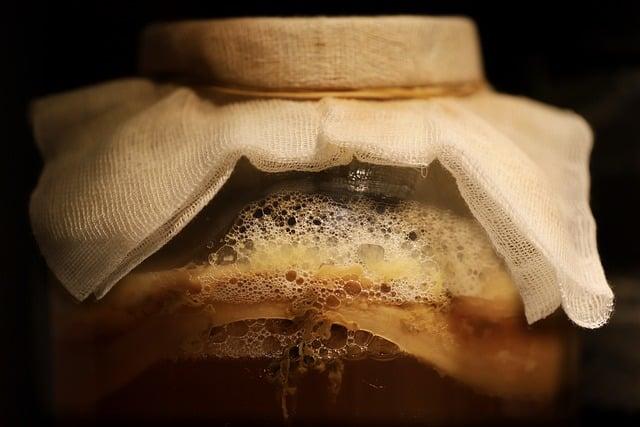
- Seal and Ferment: Cover the jar with a breathable lid, such as a cheesecloth or a lid with an airlock, to allow gases to escape while preventing contaminants from entering. Store the jar in a dark, cool spot at room temperature.
- Taste Test: After 3 to 5 days, taste the sprouts. If they have reached your desired flavor, transfer them to the refrigerator to slow down the fermentation process.
For maximum flavor and nutrition, consider experimenting with fermentation times and adding complementary ingredients such as garlic or spices to enhance the taste. Enjoy your homemade fermented broccoli sprouts as a tangy addition to salads, sandwiches, or smoothies!
Tips for Monitoring Fermentation Progress
Monitoring the fermentation process of broccoli sprouts is essential to ensure optimal nutrition and flavor. Here are some **tips** to effectively track your fermentation:
- Visual Inspection: Check for any signs of bubbles or changes in color. Active fermentation is often indicated by the presence of bubbles in the liquid, signaling that the beneficial bacteria are thriving.
- Smell Test: Fermentation should produce a tangy aroma. If you notice any off or unpleasant odors, it may be a sign of spoilage or undesired bacteria. Trust your nose!
- Taste Testing: After a few days, take a small taste of the sprouts. They should have a pleasantly tangy flavor. If they taste bland or too sour, you might need to adjust fermentation time in subsequent batches.
Consistency is key in monitoring. Consider keeping a simple log to track:
| Day | Visual Changes | Smell | Taste |
|---|---|---|---|
| 1 | Sprouts start to swell | Fresh, mild scent | Neutral taste |
| 3 | Bubbles appear | Tangy aroma develops | Slightly tangy |
| 5 | Color deepens | Strong tangy smell | Pleasantly sour |
By staying attentive and organized throughout the fermentation process, you can maximize the nutritional benefits of your broccoli sprouts while enjoying their distinct flavors!
Flavoring Your Fermented Broccoli Sprouts: Options and Ideas
Enhancing the flavor of your fermented broccoli sprouts can transform them into a culinary delight while maximizing their nutritional profile. Here are some inventive ideas to consider when flavoring your jars:
- Herbs & Spices: Experiment with fresh or dried herbs such as thyme, dill, or coriander. Spice up your sprouts with cumin or paprika for a unique twist.
- Garlic & Onion: Including crushed garlic cloves or chopped onion can add a robust flavor that complements the earthiness of the sprouts.
- Citrus: Adding zest from a lemon or lime not only brightens the taste but also enhances the overall aroma of your fermentation.
- Pepper Flakes: For those who crave a bit of heat, a sprinkle of red pepper flakes can give your sprouts a spicy kick.
To get an idea of how these flavors can work together, consider creating your own combinations. The following table provides a few suggestions for flavor pairings:
| Flavor Base | Complementary Additions |
|---|---|
| Thyme | Garlic, Lemon Zest |
| Parsley | Dill, Red Pepper Flakes |
| Cumin | Coriander, Lime Juice |
By incorporating these flavors, not only will your fermented broccoli sprouts taste amazing, but you’ll also enjoy an array of health benefits associated with the various spices and herbs. Feel free to get creative and adjust to your personal taste preferences!
Storage and Shelf Life of Fermented Broccoli Sprouts
To ensure the longevity and quality of your fermented broccoli sprouts, proper storage practices are essential. Once fermentation is complete, transfer the sprouts to airtight containers, which will help maintain their flavor and nutritional value. For optimal results, consider the following storage tips:
- Refrigeration: Always store your fermented broccoli sprouts in the refrigerator. The cold will slow the growth of any unwanted bacteria and prolong their shelf life.
- Avoid Contaminants: Use clean utensils when removing sprouts from the container to prevent contamination. This will significantly help in maintaining their freshness.
- Limit Exposure to Air: Keep the containers sealed when not in use to reduce oxidation, which can affect taste and quality.
The shelf life of properly fermented broccoli sprouts can typically range from 2 to 4 weeks when stored in the refrigerator. However, for the best quality and taste, it’s wise to consume them within the first week. Signs of spoilage include off smells or any unusual textures, so always trust your senses to judge their edibility.
Incorporating Fermented Broccoli Sprouts into Your Diet for Optimal Health
Incorporating fermented broccoli sprouts into your daily diet is an excellent way to boost your nutritional intake while enhancing gut health. These tiny powerhouses are rich in glucosinolates, which are compounds known for their antioxidant properties. By fermenting them, you can increase their bioavailability, making essential nutrients more accessible to your body.
To incorporate these fermented sprouts effectively, consider the following methods:
- Add to Salads: Toss fermented broccoli sprouts into your favorite salad for a crunchy and nutritious twist.
- Blend into Smoothies: Add a spoonful of the sprouts to your morning smoothie for a healthful kick.
- Top your Dishes: Use them as a garnish on soups or grain bowls to enhance flavor and nutrition.
Here’s a simple comparison of the benefits of fermented versus raw broccoli sprouts:
| Nuance | Fermented | Raw |
|---|---|---|
| Bioavailability | Higher | Moderate |
| Taste | Slightly tangy | Earthy |
| Digestibility | Improved | Standard |
By choosing to include these fermented sprouts in your meals, you’re not only diversifying your diet but also harnessing numerous health benefits that promote overall well-being.
FAQ
Q&A: How to Ferment Broccoli Sprouts for Maximum Nutrition
Q: What are broccoli sprouts, and why are they considered nutritious?
A: Broccoli sprouts are the young seedlings of the broccoli plant, typically harvested just a few days after germination. They are packed with essential nutrients, including vitamins C, A, and K, as well as mineral content like calcium and magnesium. Notably, they contain high amounts of glucoraphanin, which the body converts into sulforaphane — a compound that has been researched for potential cancer-fighting properties.
Q: What does fermenting broccoli sprouts do for their nutritional value?
A: Fermentation enhances the bioavailability of the nutrients within broccoli sprouts, making them easier for our bodies to absorb. The process also increases the production of beneficial probiotics, which can support gut health. Moreover, some studies suggest that fermentation can boost the concentration of certain bioactive compounds, including sulforaphane.
Q: How do I start the fermentation process for broccoli sprouts?
A: To begin, you’ll need raw broccoli sprouts, a clean fermenting jar, and a brine solution (usually a mix of water and salt). First, rinse the sprouts and place them in the jar. Prepare a brine with about 1 tablespoon of sea salt per 4 cups of water, ensuring it dissolves completely. Pour the brine over the sprouts until they’re fully submerged. It’s essential to cover the jar with a breathable lid to allow gases to escape while keeping contaminants out.
Q: How long should I ferment the sprouts, and at what temperature?
A: Generally, you should allow your broccoli sprouts to ferment at room temperature (ideally between 68°F and 75°F or 20°C and 24°C) for about 3 to 7 days. The optimal time can vary based on personal taste preferences — the longer you ferment, the tangier the sprouts will become. It’s always a good idea to taste them every couple of days to see how they’re developing.
Q: What are some signs that my sprouts are fermenting correctly?
A: During fermentation, you can expect to see some bubbles forming in the jar, which indicates that fermentation is taking place. You may also notice a change in aroma; the smell should be pleasantly sour but not unpleasantly strong. When they reach your desired flavor, they’re ready to be stored in the refrigerator.
Q: How can I incorporate fermented broccoli sprouts into my diet?
A: Fermented broccoli sprouts make a fantastic addition to a variety of dishes. You can toss them into salads, add them as a topping for sandwiches or tacos, blend them into smoothies, or use them as a zesty side dish. They add a delicious flavor punch along with a nutritional boost.
Q: Are there any precautions I should take when fermenting my sprouts?
A: Absolutely! Make sure to use sanitized equipment and clean water. Always keep an eye on your ferment for any signs of spoilage, such as off-putting smells or unusual colors. Fermentation should produce a pleasant sour scent, so if something seems off, it’s better to err on the side of caution and discard the batch.
Q: Can I experiment with different flavors or other ingredients during fermentation?
A: Yes! Fermentation is a wonderful opportunity to get creative. You can add garlic, ginger, chili flakes, or herbs to the brine to infuse your sprouts with different flavors. Just be mindful not to overcrowd the jar, as each addition may affect the fermentation dynamics.
Q: Is there any research supporting the health benefits of fermented broccoli sprouts?
A: Yes, ongoing research suggests that fermented cruciferous vegetables like broccoli sprouts can enhance the availability of bioactive compounds compared to their raw counterparts. Studies have shown that fermentation can increase sulforaphane levels, potentially amplifying the health benefits associated with these sprouts. However, more research is needed to fully understand the extent of these benefits.
By incorporating fermented broccoli sprouts into your diet, you’re not only enjoying a delicious addition but also harnessing a myriad of health benefits. Happy fermenting!
Insights and Conclusions
fermenting broccoli sprouts is a simple yet powerful way to enhance their nutritional profile. By following the steps outlined in this guide, you can unlock a treasure trove of health benefits, from improved digestion to increased antioxidant levels. So, gather your sprouts, grab your fermentation jar, and embark on this delicious journey towards maximizing your nutrition. Remember, the best time to start is now—your health will thank you for it! Happy fermenting!
Get our latest guides, news, and insights highlighted in your Google Search & AI Overviews.