How to Ferment Cabbage Leaves for Dolmas: Your Taste Buds Will Thank You!
Are you ready to embark on a culinary adventure that’s as easy as rolling a leaf? Welcome to the delightful world of “How to Ferment Cabbage Leaves for Dolmas,” where tangy flavors and crunchy textures unite in delicious harmony! Forget the boring old microwave meals—it’s time to elevate your dining game with homemade dolmas that’ll have your friends wondering if you’ve been secretly studying under a Mediterranean chef.
Imagine sinking your teeth into a perfectly fermented cabbage leaf, stuffed with a flavorful filling, all while impressing dinner guests with your newfound fermentation skills. Fear not, fellow foodies; we promise not to turn this into a science experiment gone wrong! With just a few simple steps, you’ll be crafting tasty dolmas that burst with flavor and show off your culinary prowess. So gather your cabbage, put on your chef hat, and let’s dive into the art of fermentation—your taste buds are ready for the ride!
Article Contents
- Choosing the Right Cabbage for Fermentation
- Preparation Techniques for Perfectly Tender Leaves
- The Fermentation Process Explained
- Essential Ingredients for Flavorful Dolmas
- Troubleshooting Common Fermentation Issues
- Storing Your Fermented Cabbage Leaves
- Creative Ways to Use Fermented Leaves in Recipes
- FAQ
- Q&A: How to Ferment Cabbage Leaves for Dolmas
- Q: What are dolmas, and why do they use fermented cabbage leaves?
- Q: How do I choose the right cabbage for fermenting?
- Q: What basic ingredients do I need to ferment cabbage leaves?
- Q: Can I ferment cabbage leaves without a special fermenting vessel?
- Q: What is the step-by-step process for fermenting cabbage leaves?
- Q: How do I know when the fermentation is successful?
- Q: Can I store fermented cabbage leaves, and for how long?
- Q: What can I do with the fermented cabbage leaves besides making dolmas?
- Q: Are there any health benefits associated with eating fermented cabbage leaves?
- Q: Can I use store-bought canned dolmas instead of making my own?
- In Conclusion
Choosing the Right Cabbage for Fermentation
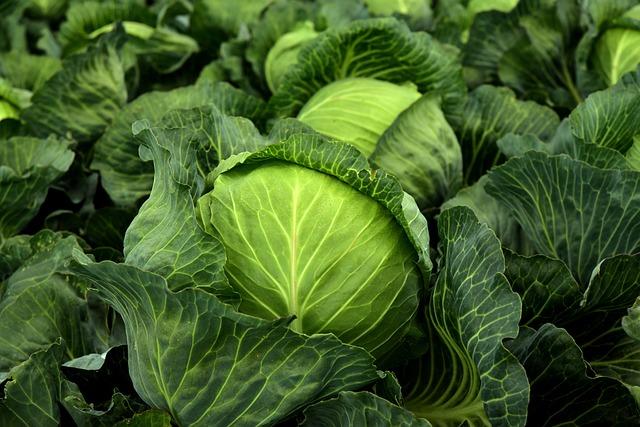
When it comes to fermenting cabbage leaves for the perfect dolmas, the variety of cabbage you choose can significantly impact the flavor and texture of your dish. Here are some popular options:
- Savoy Cabbage: Known for its crinkly leaves, this variety is tender and pliable, making it an excellent choice for rolling dolmas. Its slightly sweet flavor enhances the overall taste.
- Green Cabbage: A classic choice for fermentation, green cabbage has crisp leaves that hold up well during the process. Its robust flavor provides a great foundation for the filling.
- Napa Cabbage: With its lighter, milder taste and softer texture, Napa cabbage brings a unique character to dolmas. Its leaves are also larger, allowing for easy wrapping.
When selecting your cabbage, consider both freshness and size. Look for heads that feel heavy for their size and have no blemishes or wilting leaves. Here’s a simple guide to help you decide:
| Cabbage Type | Texture | Flavor Profile |
|---|---|---|
| Savoy | Crisp and crinkly | Sweet & mild |
| Green | Crisp | Robust |
| Napa | Soft | Mild |
Selecting the right cabbage not only makes your dolmas easier to wrap but also enhances the flavors that meld together during fermentation. Experiment with different varieties to find the one that suits your palate best!
Preparation Techniques for Perfectly Tender Leaves
To achieve the ultimate tenderness in cabbage leaves, it’s essential to prepare them correctly before fermentation. Begin by selecting the freshest, outer leaves of the cabbage, as these are usually the most pliable. The leaves will serve as the perfect vessel for your dolmas filling, so ensuring they are suitable is key. Here are several techniques to soften the leaves:
- Blanching: This method involves briefly submerging the leaves in boiling water. Cook them for about 2-3 minutes until they turn bright green and soften. Immediately transfer them to an ice bath to halt the cooking process.
- Freezing: Freezing the leaves overnight helps break down cell walls, making them softer. Simply rinse the leaves, dry them, and place them in the freezer. Once thawed, they will be tender and ready for rolling.
- Salting: Sprinkling coarse salt over the leaves and letting them sit for a couple of hours will draw out moisture and effectively soften them. Rinse the leaves well to remove excess salt before using.
After applying one of these methods, it’s crucial to check for pliability. A gentle tug should reveal a flexible leaf that can easily be rolled without tearing. To ensure an even more delicate texture, consider the following tips:
| Technique | Suggested Time |
|---|---|
| Blanching | 2-3 minutes |
| Freezing | Overnight |
| Salting | 2 hours |
Utilizing these methods not only prepares the cabbage leaves for rolling but also enhances their flavor and overall texture, creating the perfect base for your delicious dolmas.
The Fermentation Process Explained
Fermentation is a magical process involving the transformation of raw vegetables into flavorful delicacies, a practice that has been cherished across cultures for centuries. When it comes to fermenting cabbage leaves for dolmas, the process not only enhances the taste but also preserves the nutritional value. Here’s how it unfolds:
During fermentation, naturally occurring bacteria and yeasts convert the sugars in the cabbage into lactic acid. This acid acts as a preservative and creates a distinct tangy flavor that pairs beautifully with the various fillings typically used in dolmas. To ferment cabbage leaves effectively, you’ll need to follow a few key steps:
- Select Quality Cabbage: Choose fresh, firm heads of cabbage with crisp, vibrant leaves.
- Prepare the Salt Brine: A saltwater solution (brine) is essential. Use 2-3 tablespoons of sea salt per quart of water, ensuring it dissolves completely.
- Soak the Leaves: Submerge the cabbage leaves in the brine for 1-2 hours, allowing them to soften and absorb flavors.
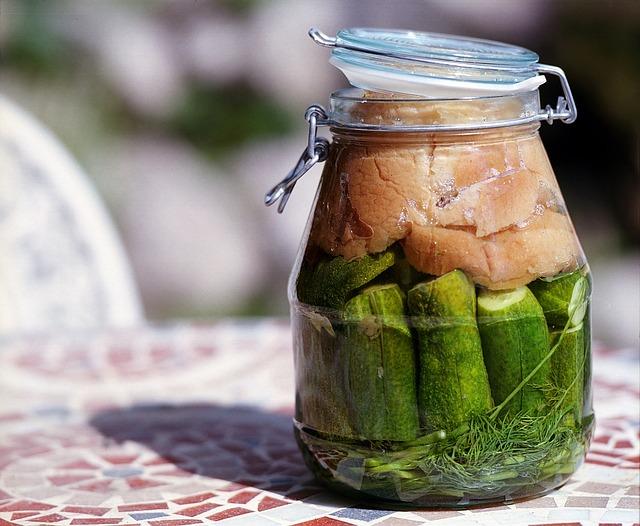
- Ferment: Pack the soaked leaves tightly in a jar, ensuring they remain submerged in the brine. Seal the jar and leave it at room temperature for 1-2 weeks.
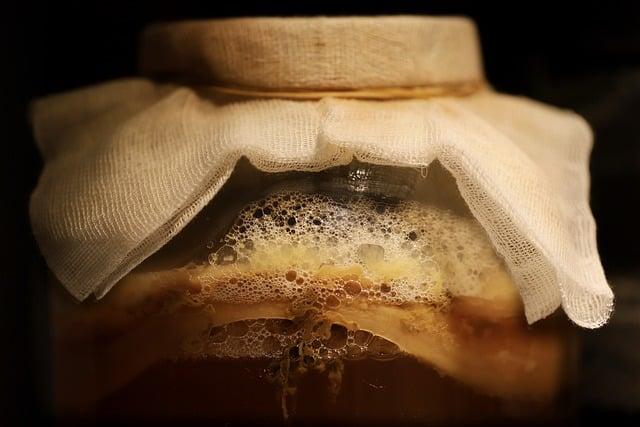
- Monitor the Process: Check the jar regularly for bubbles, an indicator that fermentation is thriving. Taste the leaves periodically until they reach your desired tanginess.
The duration of fermentation can vary based on environmental factors, so patience is key. As you explore this process, you’ll not only deepen your appreciation for cooking but also unlock a traditional method of food preservation that adds a delightful twist to your dolma experience!

Essential Ingredients for Flavorful Dolmas
Creating delightful dolmas hinges on the quality of your ingredients. To achieve that perfect balance of flavor, start with fresh, vibrant cabbage leaves as your wrapping. Here are the essential components you will need:
- Fresh Cabbage Leaves: Choose green cabbage for a milder flavor or savoy cabbage for a more delicate touch.
- Grains: Long-grain rice works beautifully for its fluffy texture, while short-grain offers a stickier, heartier filling.
- Herbs and Spices: Fresh dill, parsley, mint, and a hint of cinnamon can elevate the filling, providing a fragrant lift.
- Protein: Ground lamb or beef adds richness; try chickpeas or lentils for a vegetarian option.
- Acid: Lemon juice or vinegar not only adds brightness but also complements the cabbage’s natural flavors.
Additionally, consider enhancing your dolmas with the right seasonings. Salt and pepper are a must, but you might also include:
| Seasoning | Purpose |
|---|---|
| Allspice | Adds warmth and complexity. |
| Cumin | Imparts a deep, earthy flavor. |
| Paprika | Brings color and a mild sweetness. |
When your filling is well-seasoned, and you’ve perfected your cabbage leaves through fermentation, you’ll be poised to create dolmas that burst with flavor in every bite.
Troubleshooting Common Fermentation Issues
Fermenting cabbage leaves for dolmas can sometimes present challenges, but with a few troubleshooting tips, you can ensure a successful batch. One of the most common issues is uneven fermentation, which can occur if the leaves are not fully submerged in the brine. To rectify this, make sure to weigh down the leaves with a clean stone or fermentation weight to maintain consistent contact with the liquid. This not only promotes even fermentation but also prevents mold from forming on the surface.
Another issue you may encounter is an off-flavor, which can be caused by using non-sterile equipment or contaminated ingredients. To prevent this, always ensure that your jars, utensils, and any weights used are thoroughly cleaned and sterilized before use. Additionally, select fresh, organic cabbage whenever possible, as this can significantly impact the flavor profile and overall health of your ferment.
| Issue | Possible Causes | Solutions |
|---|---|---|
| Uneven Fermentation | Leaves not submerged | Weight down leaves with a stone or fermentation weight |
| Off-Flavor | Non-sterile equipment | Clean and sterilize all tools before use |
| Mold Formation | Improper brine levels | Ensure leaves are fully covered by brine |
Lastly, if you notice that your fermentation is taking longer than usual, it may be due to lower temperatures in your fermentation area. Fermentation thrives in a warm environment, so consider moving your batch to a warmer spot, ideally between 65°F and 75°F (18°C to 24°C). Keep an eye on the process, and remember that fermentation is an art—sometimes it just takes a little patience!
Storing Your Fermented Cabbage Leaves
Once your cabbage leaves have completed their fermentation process, it’s essential to store them correctly to maintain their flavor and texture for your dolmas. Here are some effective methods to ensure your fermented cabbage stays fresh:
- Glass Jars: Transfer the leaves into clean, sterilized glass jars. Ensure that the leaves are fully submerged in the brine to prevent spoilage. Seal the jars tightly.
- Refrigeration: Store the jars in the refrigerator where the cool temperature will slow down any further fermentation, preserving the desired tanginess.
- Freezing for Long-term Storage: If you plan to keep the leaves for an extended period, consider blanching them briefly and then freezing. This method can help maintain their quality while allowing you to enjoy them in your favorite recipes later.
For optimal storage, aim to use your fermented cabbage leaves within 4-6 months. Checking the jars regularly for any off smells or discoloration is advisable, ensuring you’re working with the best ingredients for your dolmas.
Creative Ways to Use Fermented Leaves in Recipes
“`html
Fermented cabbage leaves offer an incredible twist to traditional dolmas recipes, infusing them with complex flavors and health benefits. Here are some inventive methods to incorporate these tangy leaves into your culinary repertoire:
- Wrap Delicacies: Use the fermented cabbage leaves as a wrapping for not only rice and meat mixtures but also for vegetarian options such as quinoa combined with nuts, dried fruits, and spices.
- Sauté for Savory Dishes: Chop the leaves into strips and sauté them with garlic and onions before adding to stir-fries or grain bowls, enhancing the dish with an added layer of flavor.
- Make a Fermented Salad: Mix chopped fermented leaves with cucumbers, tomatoes, and olives for a refreshing salad that balances tang and crunch.
Additionally, consider elevating your dolmas by experimenting with
| Ingredient | Flavor Note |
|---|---|
| Olive Oil | Rich & Fruity |
| Lemon Juice | Crisp & Zesty |
| Fresh Herbs | Aromatic & Bright |
By embracing these creative applications of fermented cabbage leaves, you’ll not only diversify your culinary skills but also treat your taste buds to an extraordinary gastronomic experience.
“`
FAQ
Q&A: How to Ferment Cabbage Leaves for Dolmas
Q: What are dolmas, and why do they use fermented cabbage leaves?
A: Dolmas, or dolmades, are a traditional Mediterranean dish made by wrapping a filling, often rice and herbs, in grape leaves or cabbage leaves. Using fermented cabbage leaves adds a tangy flavor and a probiotic boost, enhancing the dish’s overall taste and health benefits. Fermentation also helps to soften the leaves, making them easier to roll.
Q: How do I choose the right cabbage for fermenting?
A: The best cabbage for fermentation is a firm, fresh head of green or savoy cabbage. Look for heads that are heavy for their size and have tightly packed leaves. Avoid any cabbage with soft spots or wilting, as these can lead to spoilage during the fermentation process.
Q: What basic ingredients do I need to ferment cabbage leaves?
A: The main ingredients for fermenting cabbage leaves are:
- Fresh cabbage leaves
- Salt (non-iodized is preferable; sea salt works well)
- Water (filtered or distilled is best)
You can also add spices or herbs to enhance flavor, such as garlic, dill, or peppercorns, but these are optional.
Q: Can I ferment cabbage leaves without a special fermenting vessel?
A: Absolutely! While specialized fermenting vessels can help, you can easily use a clean glass jar or a food-safe plastic container. Just ensure it’s covered securely to keep out contaminants while allowing gases to escape. A smaller jar can be used as a weight to keep the cabbage submerged in the brine, which is crucial for successful fermentation.
Q: What is the step-by-step process for fermenting cabbage leaves?
A: Here’s a simple step-by-step guide:
-
Prepare the Leaves: Start by removing the core of the cabbage and carefully separating the leaves. You’ll need about 15-20 whole leaves.
-
Blanch (Optional): To make rolling easier, you can blanch the leaves in boiling salted water for 1-2 minutes. This step is optional, as fermenting raw leaves is also effective.
-
Make the Brine: Dissolve 1-3 tablespoons of salt in a quart of water. You can adjust the salt level based on your taste preference and the fermentation temperature.
-
Pack the Leaves: In a clean jar, layer the cabbage leaves and sprinkle salt between the layers. You can add any spices at this stage if you wish.
-
Submerge: Pour the brine over the leaves, ensuring they are completely submerged. You can use a weight or smaller jar to help keep the leaves under the brine.
-
Ferment: Cover the jar with a cloth or lid (not airtight) to allow gases to escape. Leave the jar at room temperature away from direct sunlight for about 1 to 2 weeks.
-
Taste and Store: After a week, start tasting the leaves. Once they reach the desired flavor, transfer the jar to the refrigerator to slow down the fermentation process.
Q: How do I know when the fermentation is successful?
A: Successful fermentation will result in a tangy flavor and possibly some bubbles in your brine. The leaves should feel pliable and tender. If you notice any off-putting smells, colors, or molds on the surface, it’s best to err on the side of caution and discard the batch.
Q: Can I store fermented cabbage leaves, and for how long?
A: Yes! Once fermented, store the cabbage leaves in an airtight container in the refrigerator. They can last for several months, although the flavor may continue to develop over time. Just remember to check periodically for any signs of spoilage.
Q: What can I do with the fermented cabbage leaves besides making dolmas?
A: Fermented cabbage leaves are incredibly versatile! You can use them in salads, as a topping for sandwiches, in soups, or even as a garnish for meats. Their tangy flavor can enhance many dishes, adding a nutritious twist to your meals.
Q: Are there any health benefits associated with eating fermented cabbage leaves?
A: Yes, fermented foods like cabbage leaves are rich in probiotics, which can promote gut health and help with digestion. They also contain beneficial vitamins and minerals that can support your overall health. Plus, they add a delightful tangy flavor to your meals without the need for additional preservatives or additives.
Q: Can I use store-bought canned dolmas instead of making my own?
A: While store-bought dolmas are convenient, making your own allows you full control over the ingredients, flavor, and freshness. Plus, the experience of crafting your own dolmas with freshly fermented cabbage leaves can be both rewarding and delicious!
In Conclusion
fermenting cabbage leaves for dolmas is a simple yet rewarding process that enhances their flavor and texture, turning them into a delightful addition to any meal. With just a few ingredients and some patience, you can create a batch of tangy, tender leaves that elevate your culinary creations. So why not give it a try? Your taste buds will thank you! Embrace the art of fermentation and enjoy the delicious results that come from your kitchen. Happy cooking!